


 English
 русский
 Español
 عربى
عربى Português
Zhongchi
Zhongchi
Zhongchi
Zhongchi
Zhongchi
Zhongchi
Zhongchi
Zhongchi
Zhongchi

Non Return Flanged Valve Factory
Check valve—Check valves can prevent fluid backflow automatically. It is also known as non-return valve. Usually, fluid pressure opens the valve disc. Fluid flows from the inlet side to the outlet side. When the inlet pressure is lower than the outlet pressure, the valve disc closes the passage automatically by fluid pressure and its own weight. It stops the reverse flow of fluid. You need to notice the installation direction.( Arrow marks are printed on the valve body).
-
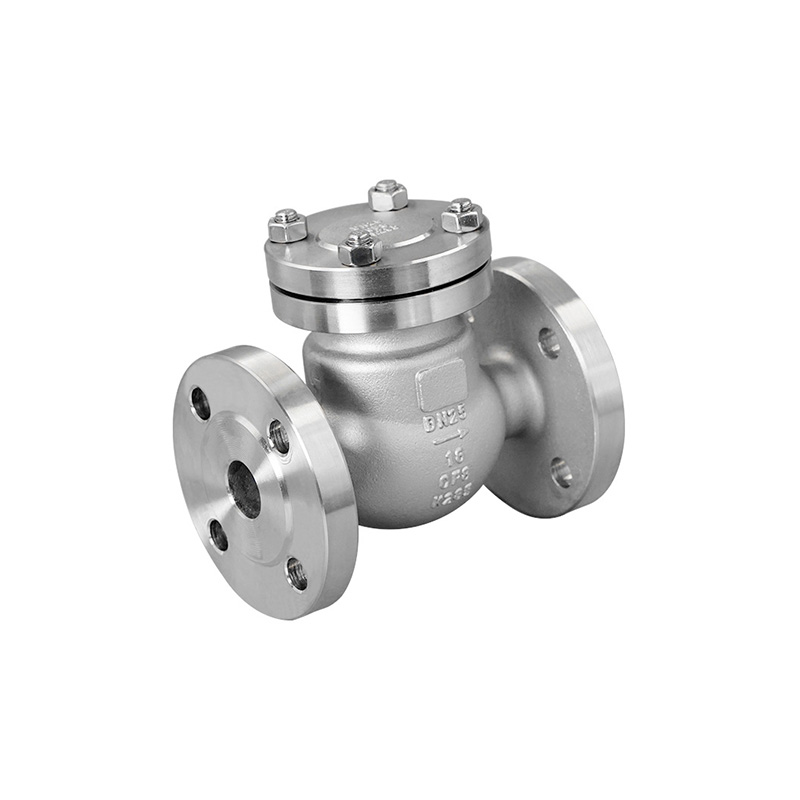

Flanged Swing Check Valve
-
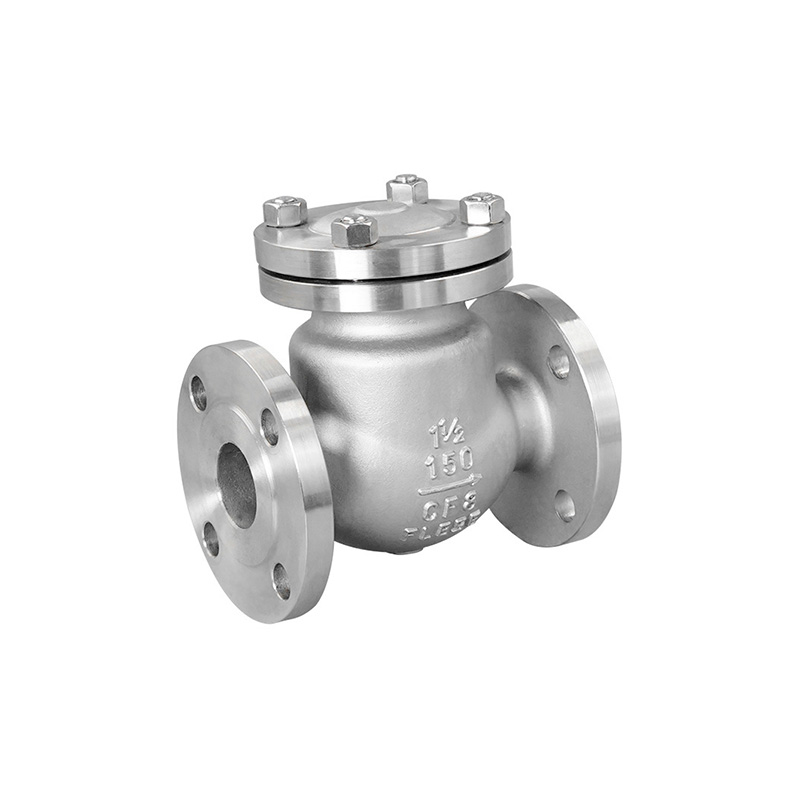
American Standard Flanged Swing Check Valve
-
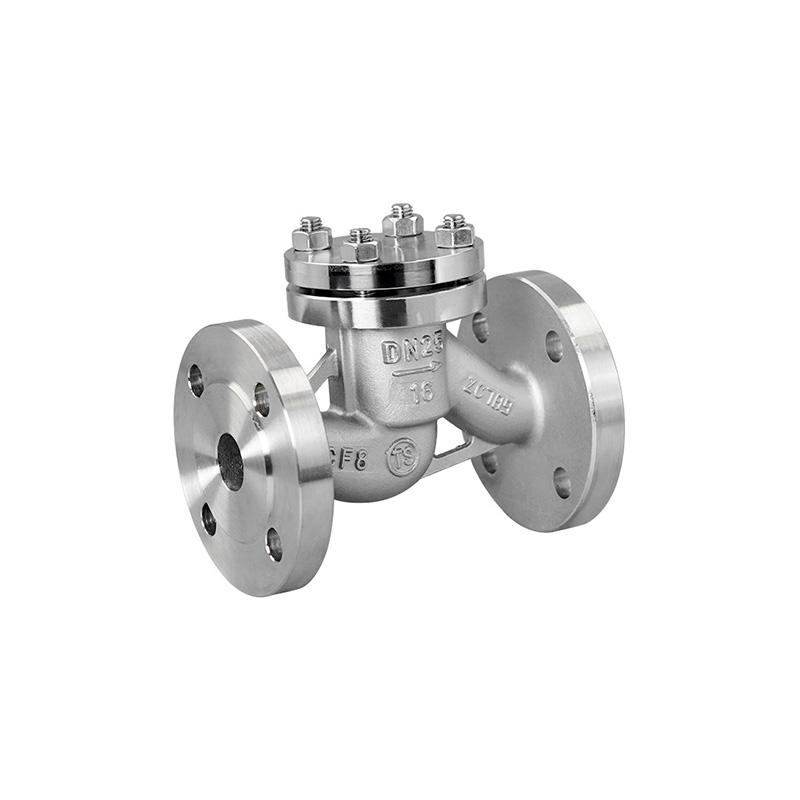
Flanged Lift Check Valve
-
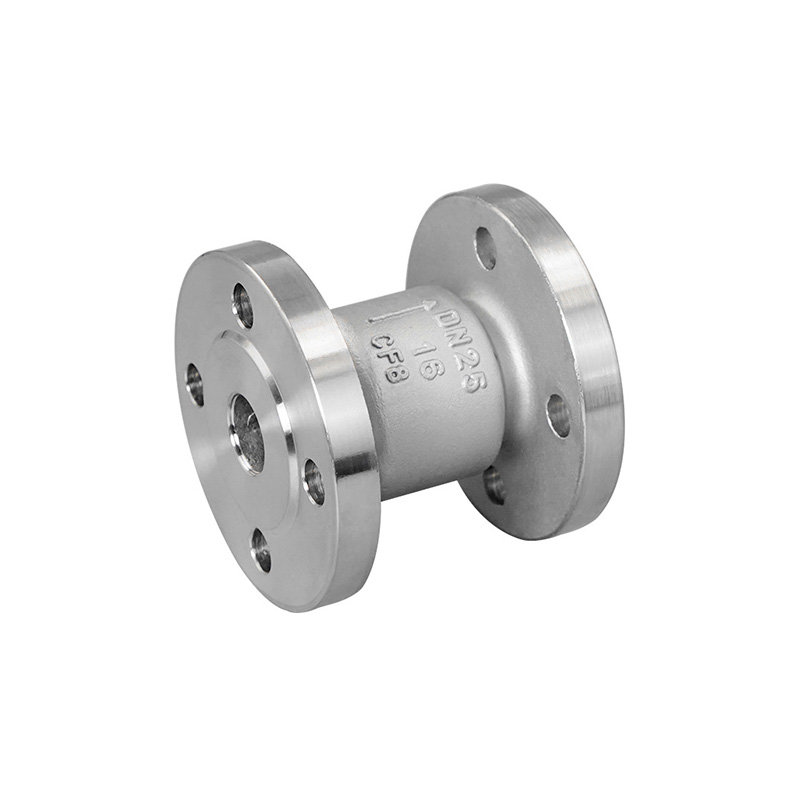
Flanged Vertical Check Valve
-
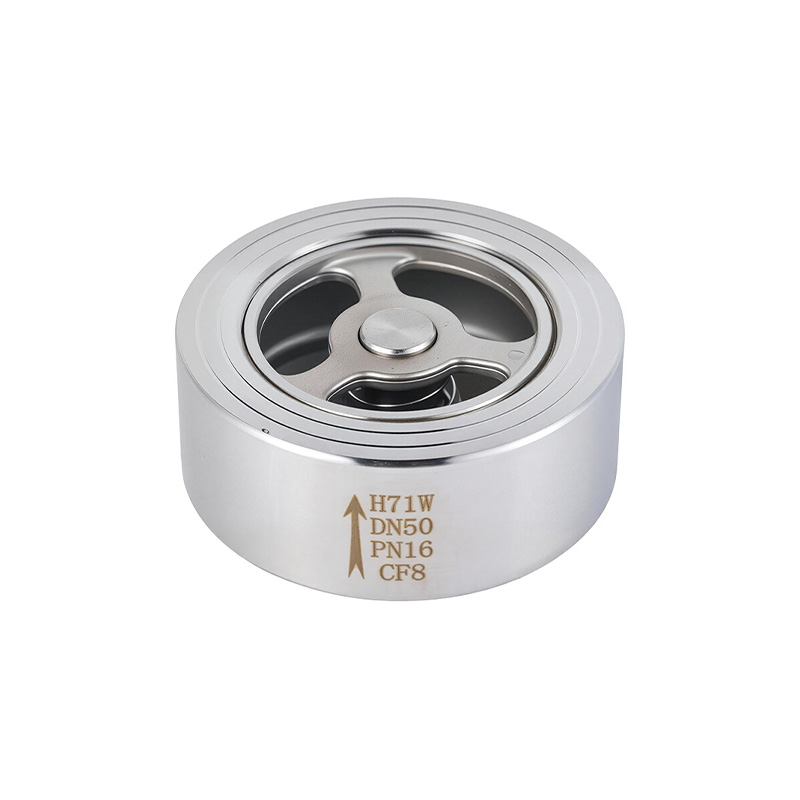
H71 Wafer Check Valve
-
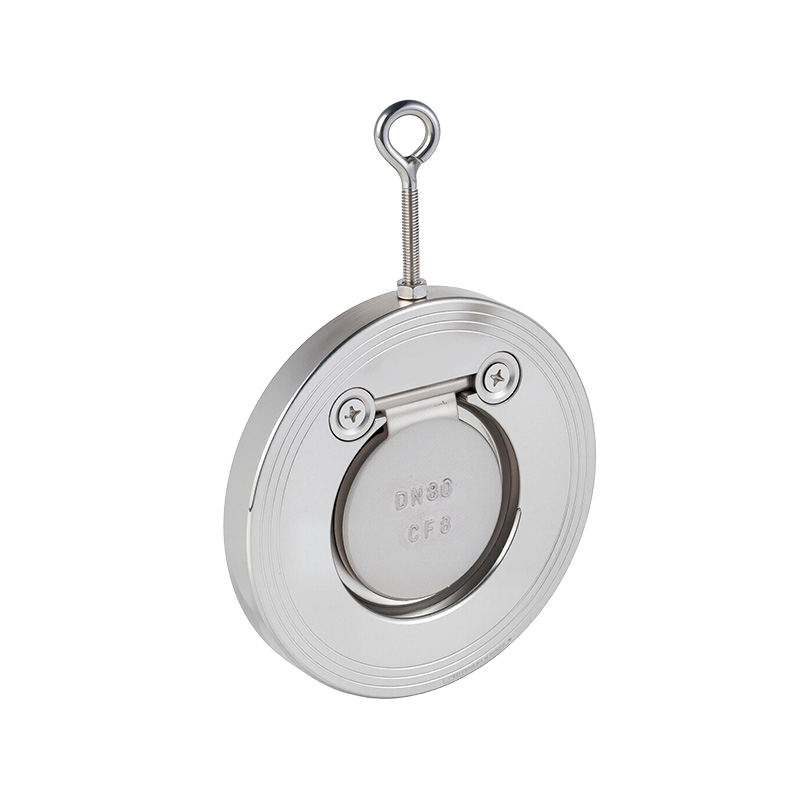
H74 Wafer Single-Disc Swing Check Valve
-
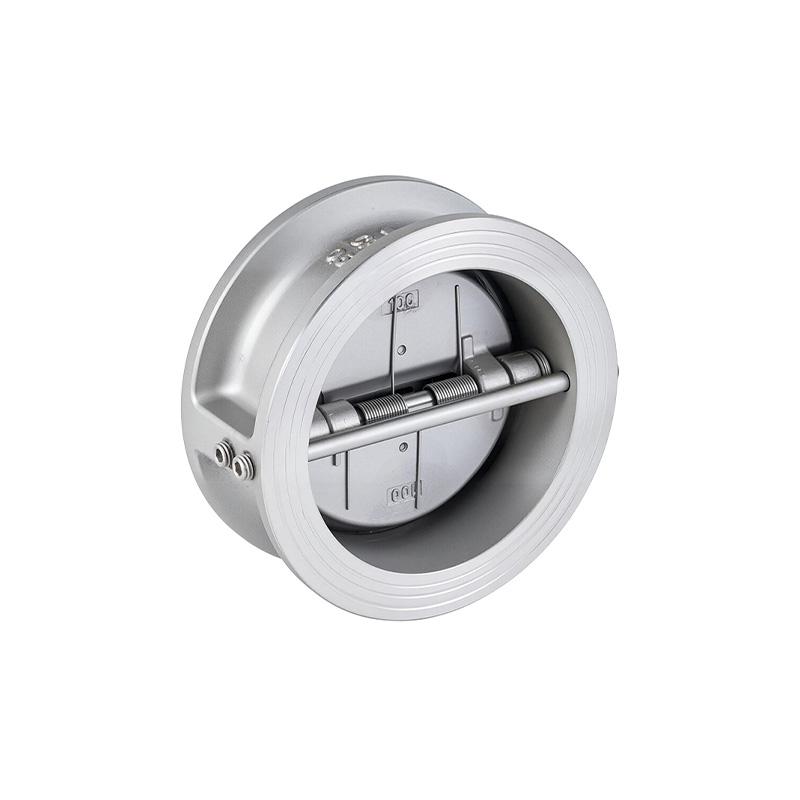
H76 Wafer Double-Disc Swing Check Valve
-
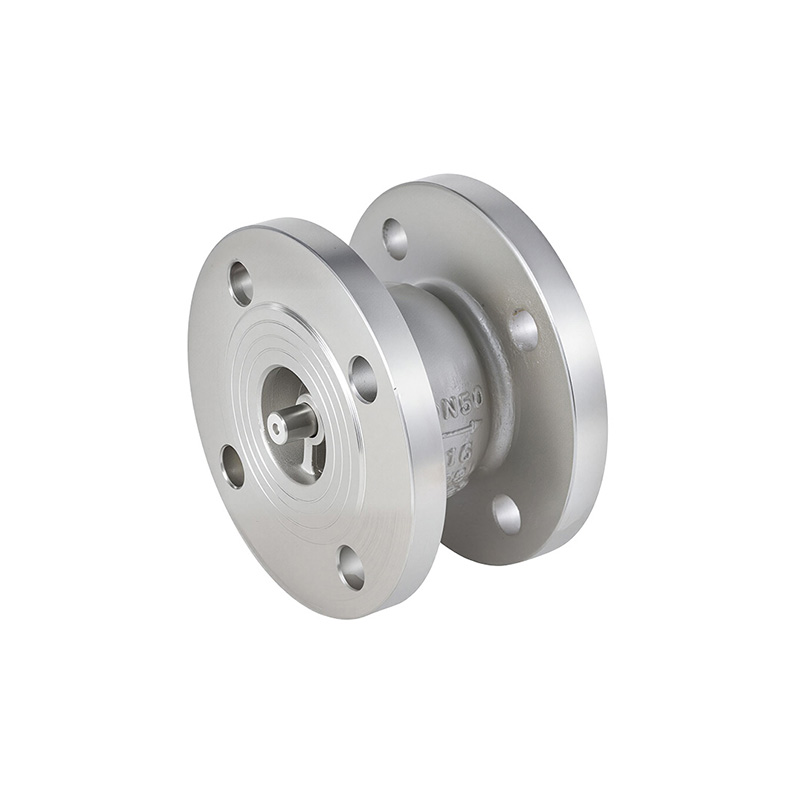
HC41X Stainless Steel Flanged Silent Lift Check Valve
-
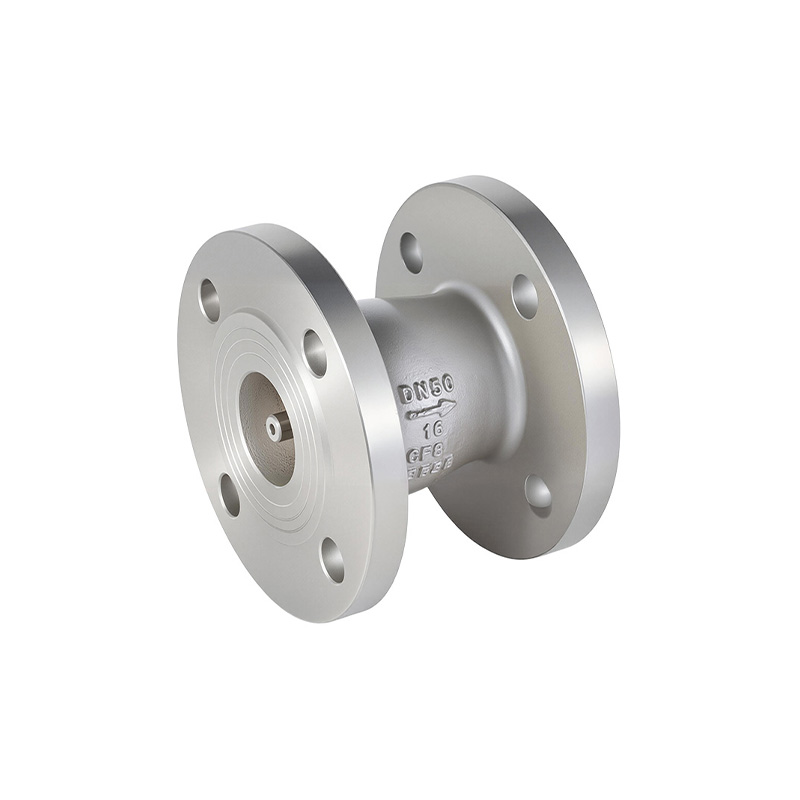
HC42X Vertical Silent Lift Check Valve
-
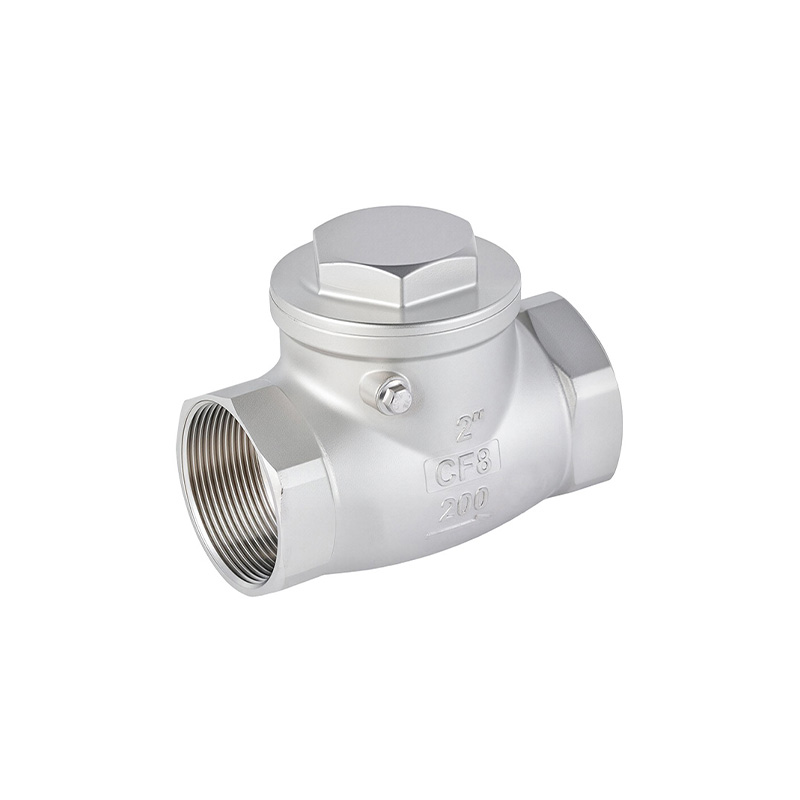
H14 Threaded Swing Check Valve
-
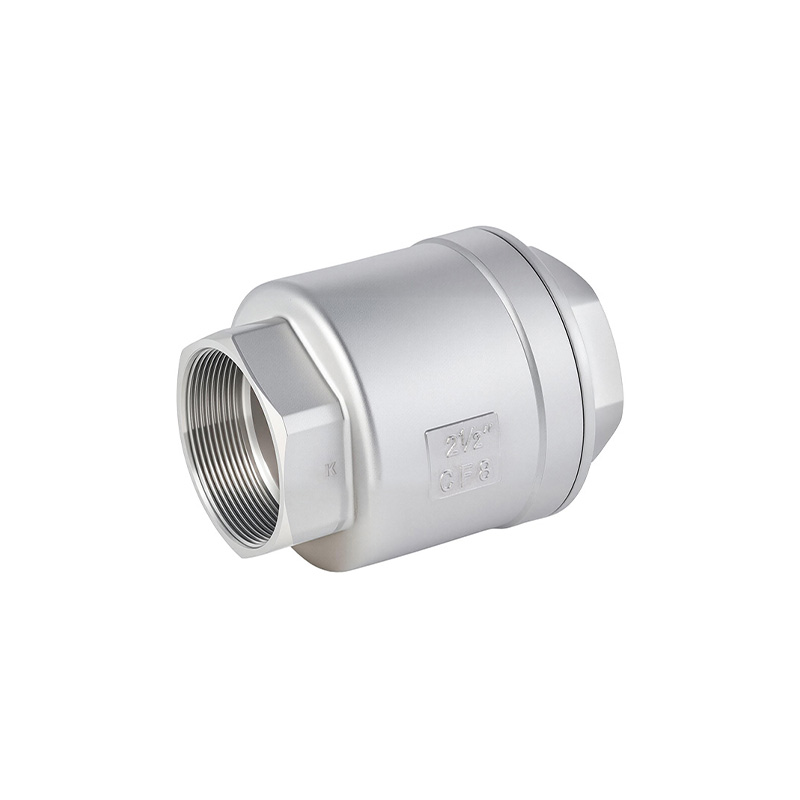
H12 Threaded Vertical Lift Check Valve
-
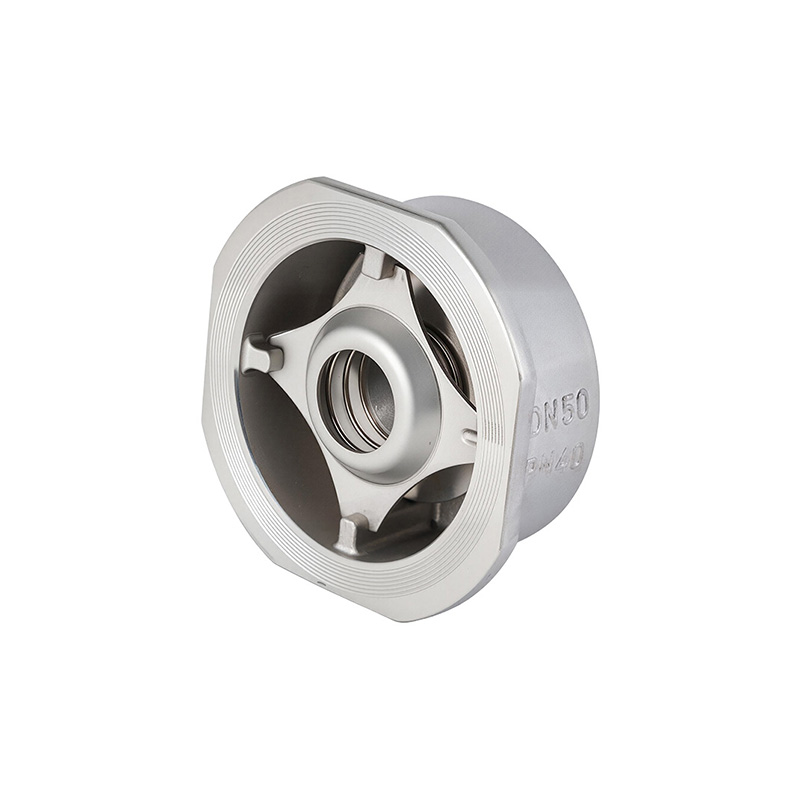
Wafer-Type Check Valve
About Us
Zhongchi Valve Group Co., Ltd.
Zhongchi Valve Group Co., Ltd. was established in April 2008. The company is a valve manufacturing enterprise that integrates design, development, production, and sales. It is located in the Binhai Industrial Park of Wenzhou Economic and Technological Development Zone.
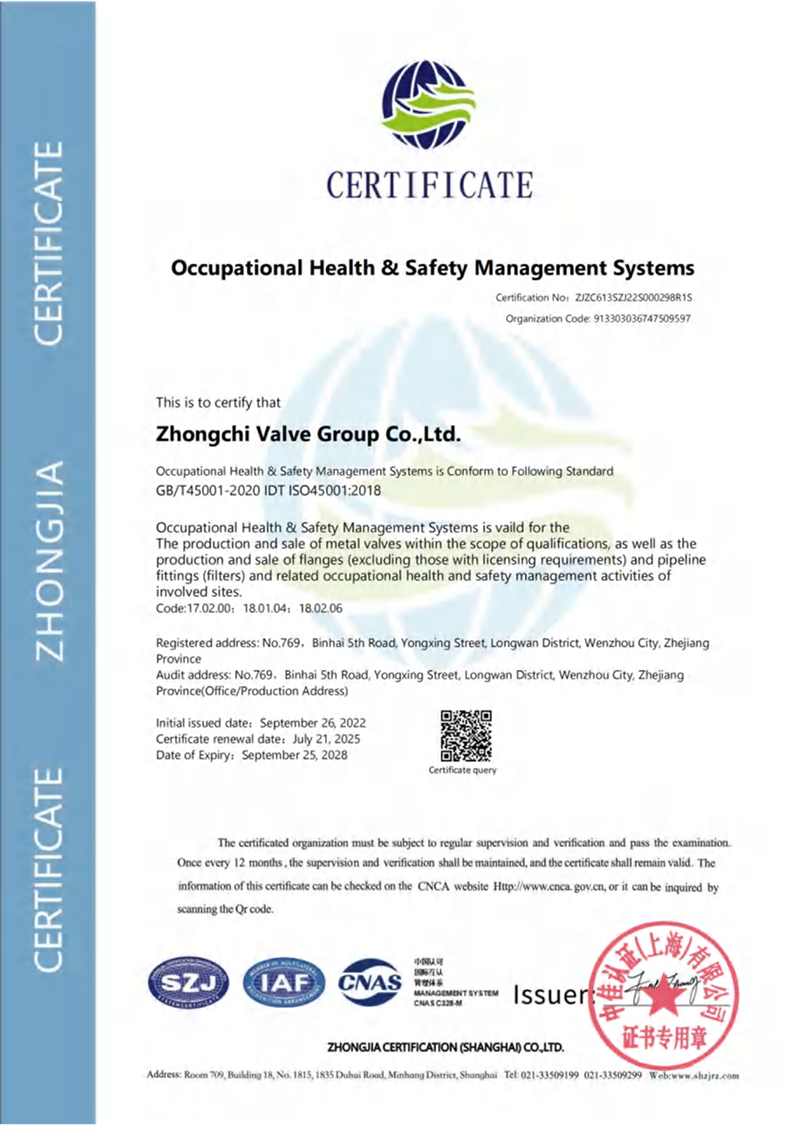
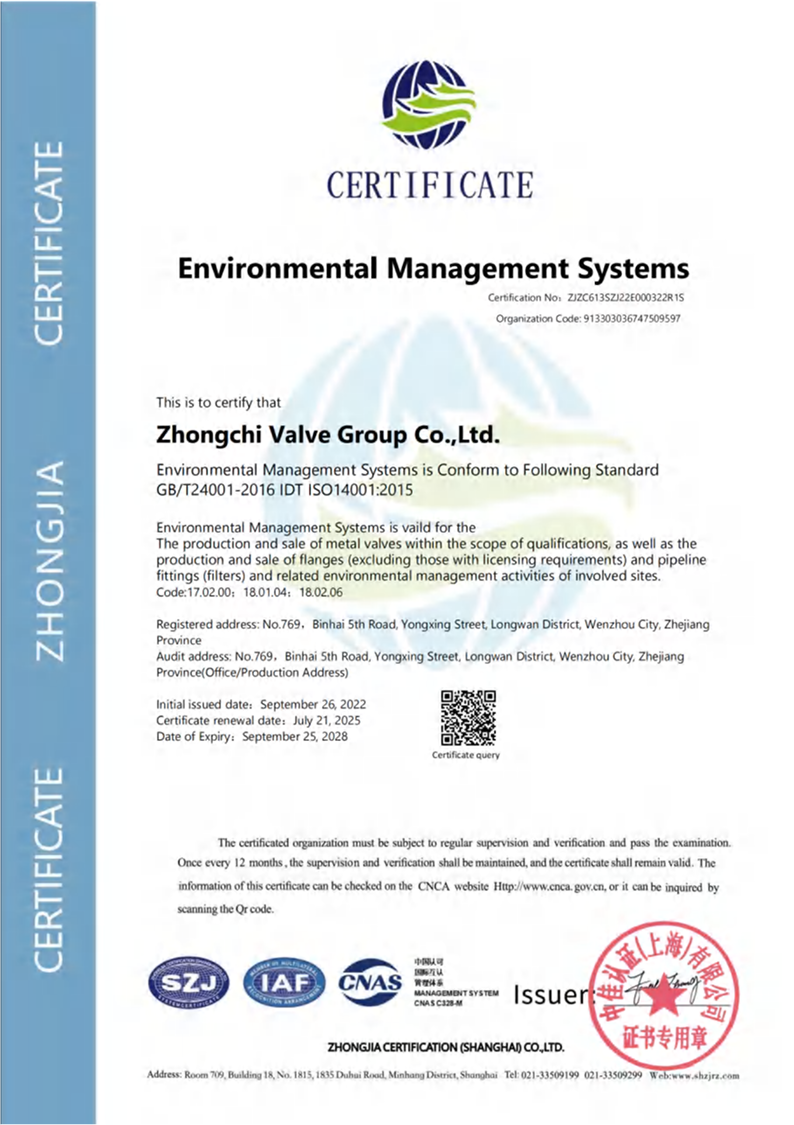
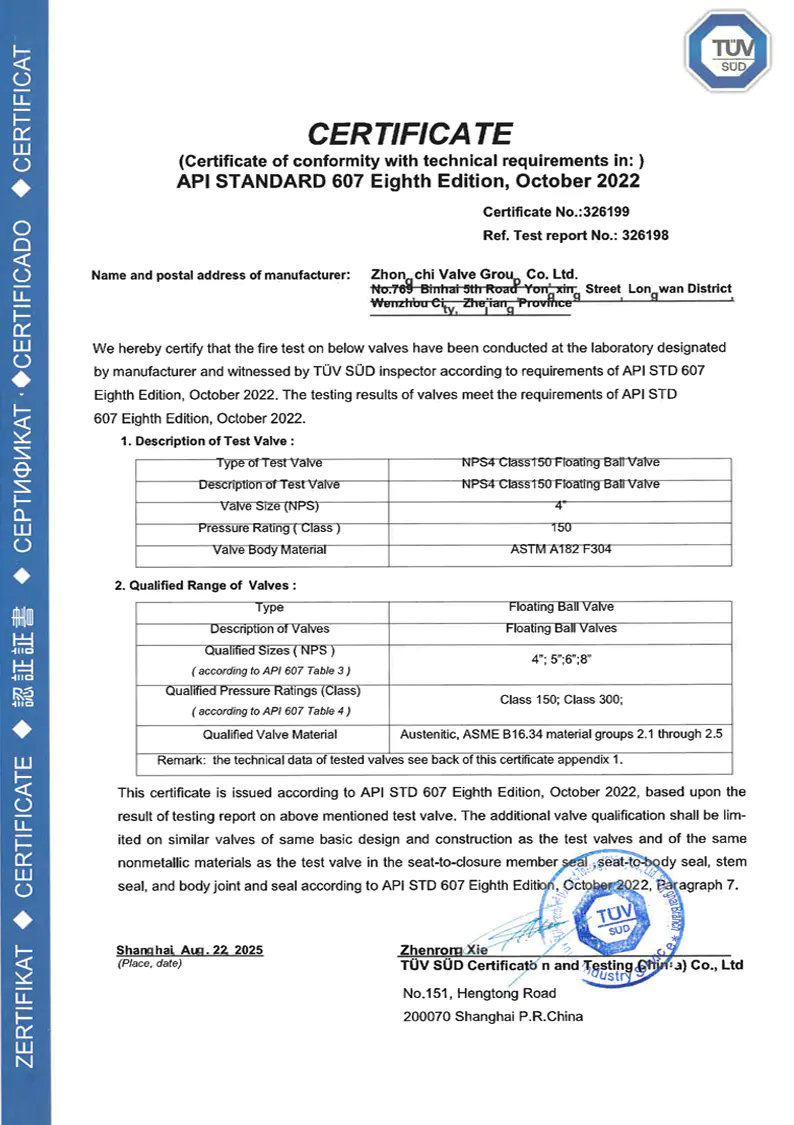
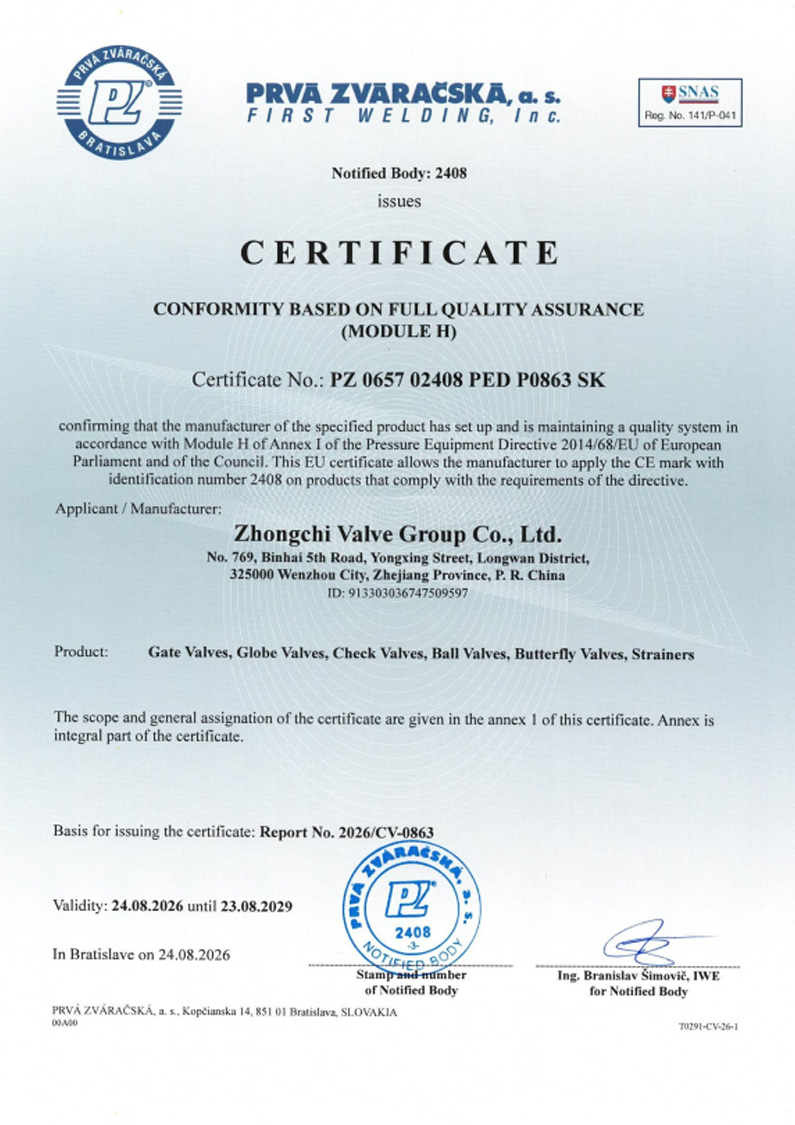
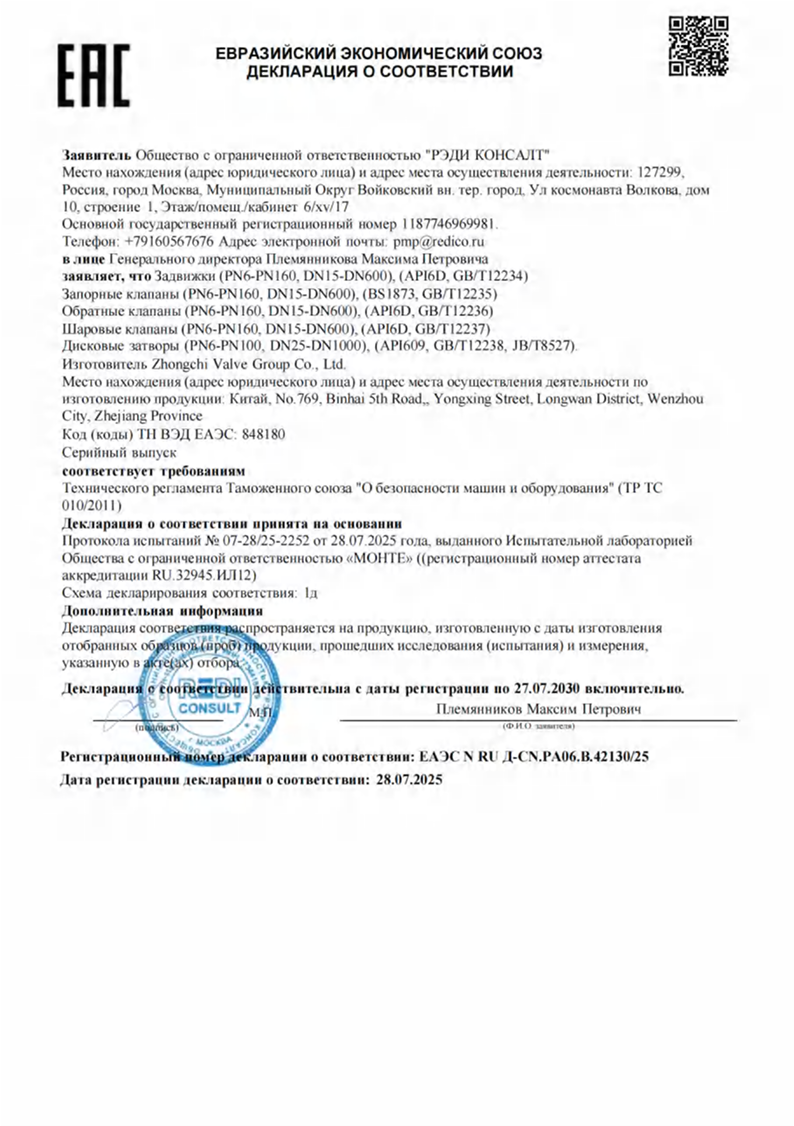
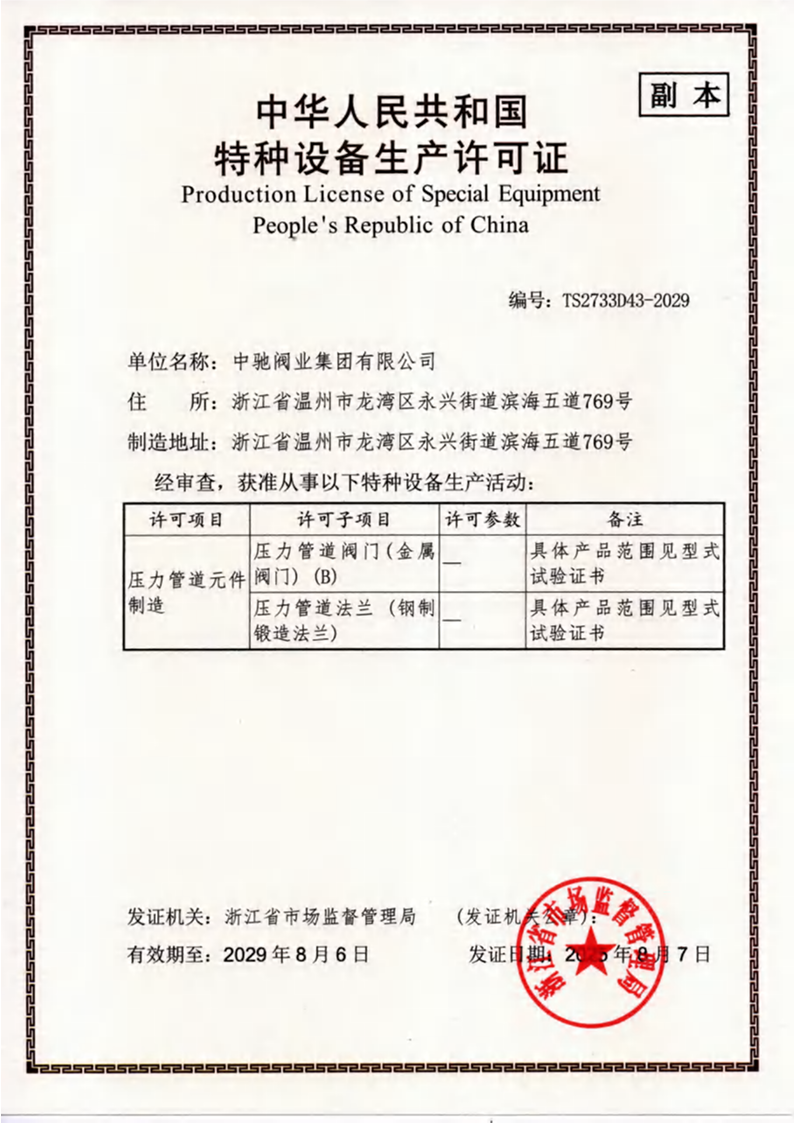
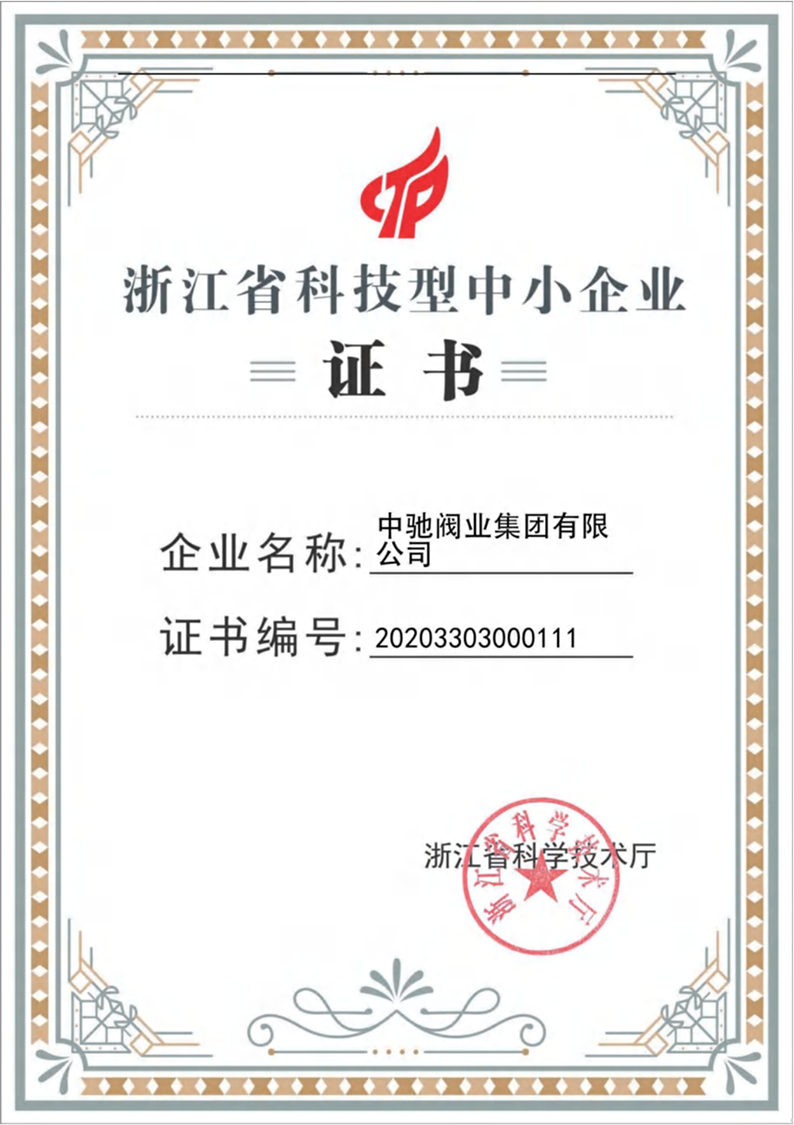
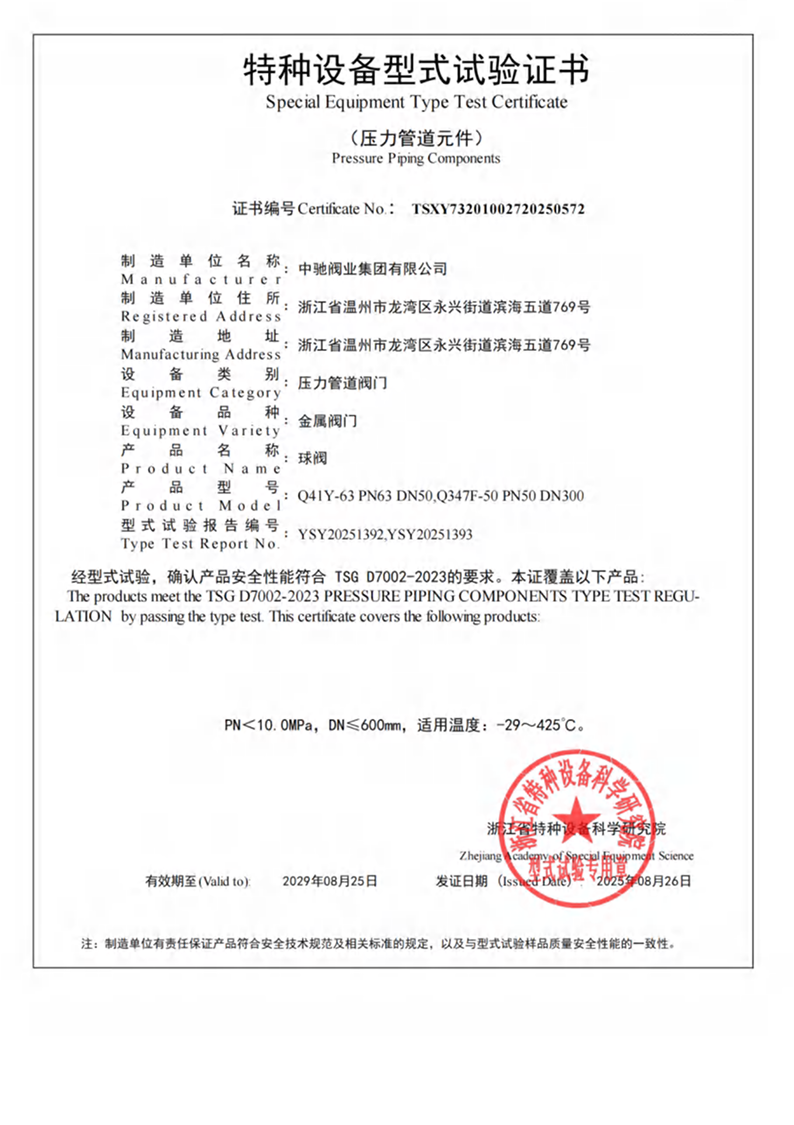
We provide customers with reliable quality assurance through advanced technology and scientific management, offers services with a complete range of products and a short delivery time, and strives to achieve the corporate goal of "building an excellent enterprise and creating a brand in the industry". The company has successively obtained ISO9001 international quality management system certification, ISO14001 environmental management system certification, ISO45001 occupational health and safety management system certification, special equipment manufacturing production license TS certification, CE certification, EAC certification, API607 fire protection certification, and has been recognized as a small and medium-sized technology enterprise in Zhejiang Province and a national high-tech enterprise.
The company's main products include ball valves, gate valves, globe valves, check valves, filters, butterfly valves, etc. These products are widely used in various industries such as petroleum, chemical, natural gas, light industry, electric power, pharmaceuticals, dyes, metallurgy, fiber, leather making, textile, food, military, construction engineering, refrigeration, water supply, and more.
We provide customers with reliable quality assurance through advanced technology and scientific management, offers services with a complete range of products and a short delivery time, and strives to achieve the corporate goal of "building an excellent enterprise and creating a brand in the industry". The company has successively obtained ISO9001 international quality management system certification, ISO14001 environmental management system certification, ISO45001 occupational health and safety management system certification, special equipment manufacturing production license TS certification, CE certification, EAC certification, API607 fire protection certification, and has been recognized as a small and medium-sized technology enterprise in Zhejiang Province and a national high-tech enterprise.
The company's main products include ball valves, gate valves, globe valves, check valves, filters, butterfly valves, etc. These products are widely used in various industries such as petroleum, chemical, natural gas, light industry, electric power, pharmaceuticals, dyes, metallurgy, fiber, leather making, textile, food, military, construction engineering, refrigeration, water supply, and more.
Stay Connected, Insights & Innovation from Zhongchi
-
 Industry News
 2026.09.25
Oil and gas valve procurement involves technical requirements that go well beyond valve size and pur...
2026.09.25
Oil and gas valve procurement involves technical requirements that go well beyond valve size and pur... -
Industry News
2026.09.25
Mesh size has an effect on what a Y‑type Flanged Strainer can retain. A finer mesh does not automati...
-
Industry News
2026.09.18
Ball valve procurement for oil, gas, chemical, and process applications involves more than choosing ...
-
Industry News
2026.09.18
Vertical piping creates a different operating condition for a check valve. Gravity affects the movem...
-
Industry News
2026.09.11
Three-way ball valves give piping systems more routing options without requiring separate valves for...
-
Industry News
2026.09.11
Global valve sourcing often involves several manufacturing regions, with China, India, and Korea ser...
Certificate Of Honor
The Engineer’s Guide to Flanged Swing Check Valves
Flanged swing check valves are a cornerstone of industrial flow control. Their simple, reliable design allows for the automatic prevention of backflow in a wide array of systems, from water treatment to chemical processing. Their robust construction makes them suitable for high-pressure and high-temperature services, and they are trusted in both upstream and midstream applications.
This guide addresses four critical questions about flanged swing check valves to help ensure you select, install, and specify them correctly for your operation.
Where Are Non-Return Valves Commonly Used?
Non-return valves (NRVs), also known as check valves, are used across nearly every industry to protect equipment and ensure processes run correctly. Their fundamental purpose is simple: they permit flow in one direction and automatically prevent flow from reversing. This automatic operation relies on the velocity of the fluid itself.
Key application areas include:
- Water and Wastewater: Protecting pumps from backflow and maintaining pressure in distribution and treatment systems.
- Oil and Gas: Preventing backflow in pipelines, protecting compressors, and ensuring safe operation in upstream and midstream facilities. Swing check valves are particularly suited for installations where pigging is required.
- Chemical and Petrochemical: Preventing cross-contamination and protecting sensitive equipment from reverse flow in process lines.
- Steam and Condensate Systems: Used to prevent the backflow of condensed water in steam lines, protecting systems against damaging water hammer.
- General Industrial: Found in compressed air systems, boiler feed lines, and heat exchangers to maintain system efficiency and safety.
What Is a Flanged Check Valve, and What Are Its Main Parts and Working Principle?
A flanged check valve is a type of non-return valve that is connected to a pipeline using bolted flanges, which is a common standard for large-diameter and high-pressure industrial piping. The main components of a swing check valve include the body, the disc (or flapper), the seat, and the hinge.
The working principle is straightforward and automatic. Flow enters the valve, pushing the disc off its seat and allowing it to swing open on its hinge. When the forward flow stops or reverses, gravity and the back pressure of the fluid push the disc back onto the seat, sealing the valve and preventing backflow.
Can a Swing Check Valve Be Installed Vertically, or Only Horizontally?
A swing check valve can be installed in both horizontal and vertical piping, but there is a critical condition for vertical installations. The valve must be installed so that flow is moving upward from the bottom to the top.
| Installation Orientation | Requirement | Reason |
| Horizontal | Preferred orientation | The disc swings freely without gravity interfering with its operation. |
| Vertical | Flow must be strictly upward | Gravity will assist the disc in closing when flow stops, preventing backflow. |
| Vertical (Incorrect) | Flow is downward | The disc will not close properly, rendering the valve ineffective. |
Therefore, installation in a vertical-down line is not recommended for standard swing check valves. Always ensure the flow direction matches the arrow cast on the valve body.
What Grade of Stainless Steel Is Best for Swing Flanged Check Valves?
The "best" grade depends entirely on the application's service conditions. There is no single answer, but the common stainless steel grades are standard options, with material selection being fully customisable to meet specific project specifications.
| Material Grade | Common Name | Equivalent Cast Grade | Best Suited For |
| 304 | 18-8 Stainless Steel | CF8 | General-purpose applications, fresh water, mild chemicals, and non-corrosive fluids. It offers good corrosion resistance but is less resistant to chlorides and harsh environments. |
| 316 | Marine Grade | CF8M | Excellent resistance to corrosion, especially from chlorides and aggressive chemicals. The addition of molybdenum gives it superior performance in marine, chemical, and high-chloride environments. |
| CF8M | Cast 316 | 316 | The standard choice for many industrial applications requiring enhanced corrosion resistance, particularly in the chemical, petrochemical, and oil and gas sectors. |
Selection Guidance:
- For most chemical and marine applications, 316 (CF8M) is the best choice due to its superior corrosion resistance.
- For general, non-corrosive services like clean water or air, 304 (CF8) can be a cost-effective choice.
Get a Free Quote
Quick Links
Products
Contact Information
-
 +86-13396775805
-
 +86-577-86934868
-
 cn@cnchivalve.com
-
 No. 769, Binhai 5th Road, Yongxing Street, Longwan District, Wenzhou City, Zhejiang Province, China
Copyright © Zhongchi Valve Group Co., Ltd.All rights reserved.
 Industrial Pipeline Valve Manufacturer