


 English
 русский
 Español
 عربى
عربى Português
Zhongchi
Zhongchi
Zhongchi
Zhongchi
Zhongchi
Zhongchi
Zhongchi
Zhongchi
Zhongchi

Threaded Ball Valve Manufacturer for Reliable Flow Control
Threaded ball valves feature a classic floating-ball design; a mere 90-degree rotation of the handle allows for rapid, effortless switching between fully open and fully closed positions, eliminating the hassle of cumbersome operating procedures. The straight-through flow channel design ensures an unimpeded passage for the medium, minimizing fluid resistance and pressure loss to facilitate highly efficient and smooth flow transmission—free from blockages or stagnation. Compatible with a wide variety of media—including water, compressed air, and oils—these valves offer exceptional versatility. Standard sizes range from 1/2" to 2", with the capability to produce sizes as small as 1/4" and as large as 4".
-
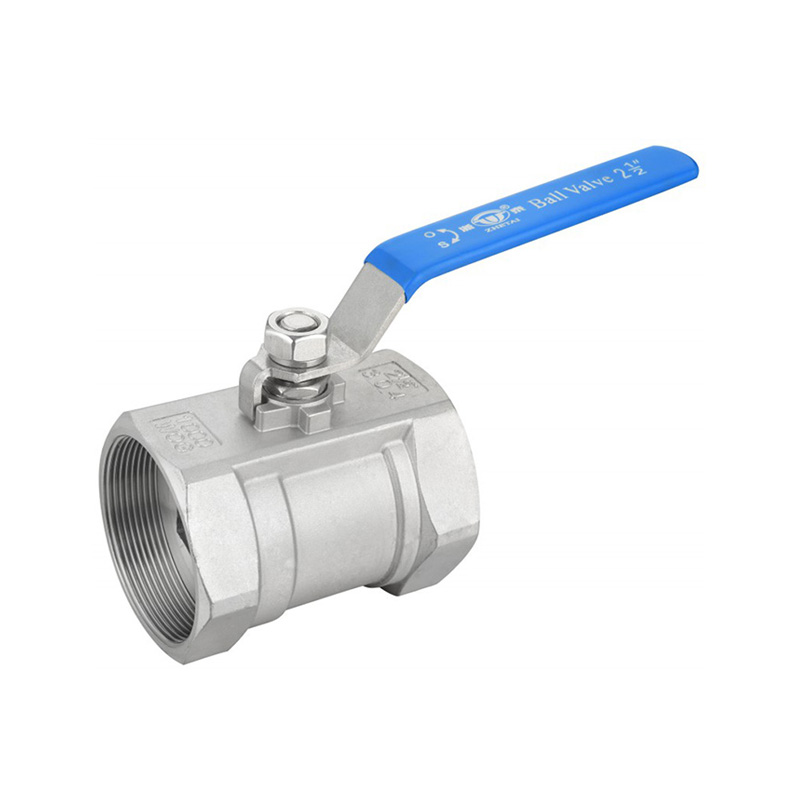

One Piece Manual Female Threaded Ball Valve
-
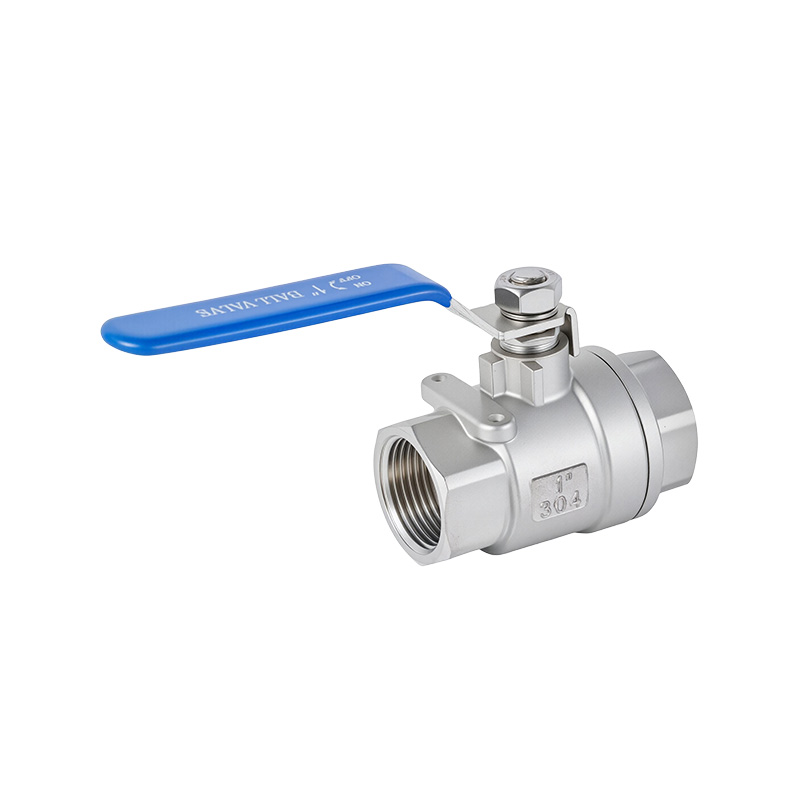
2PC Manual Internal Threaded Ball Valve
-
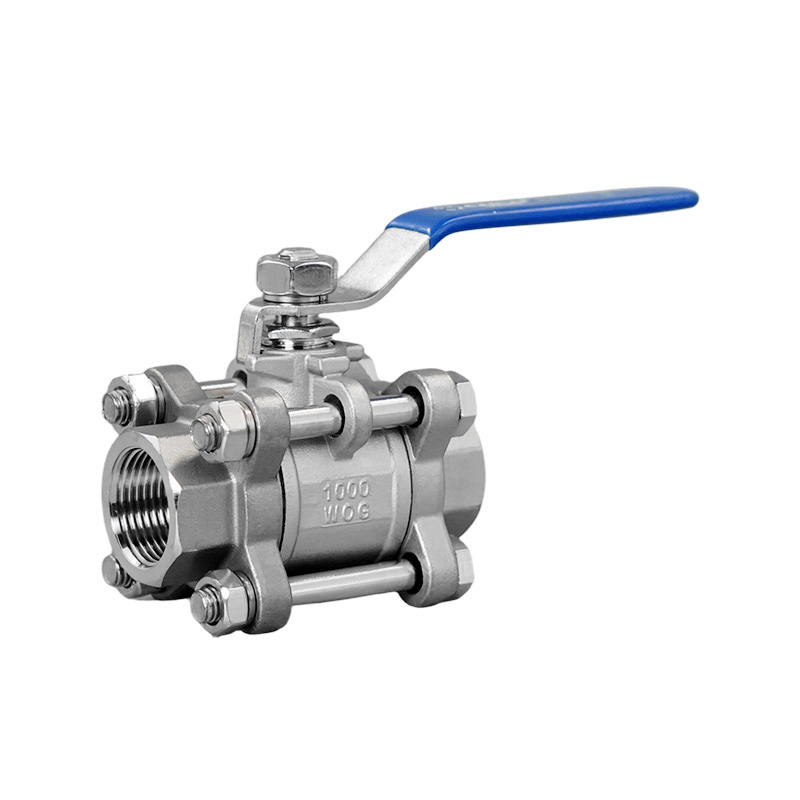
Three Pieces Manual Female Threaded Ball Valve
-
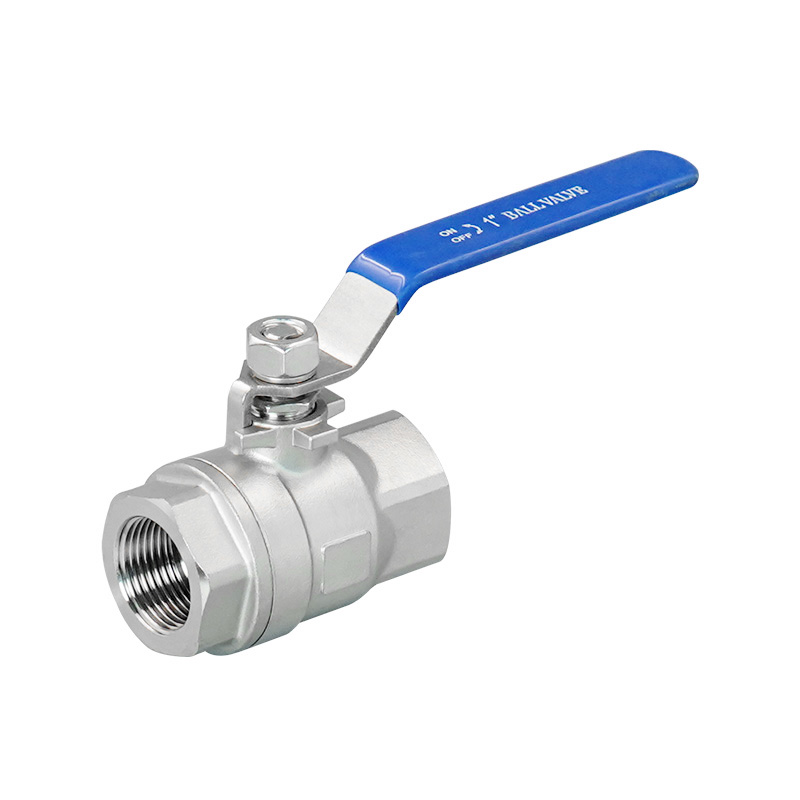
Two Pieces Manual Female Threaded Ball Valve PN64
-
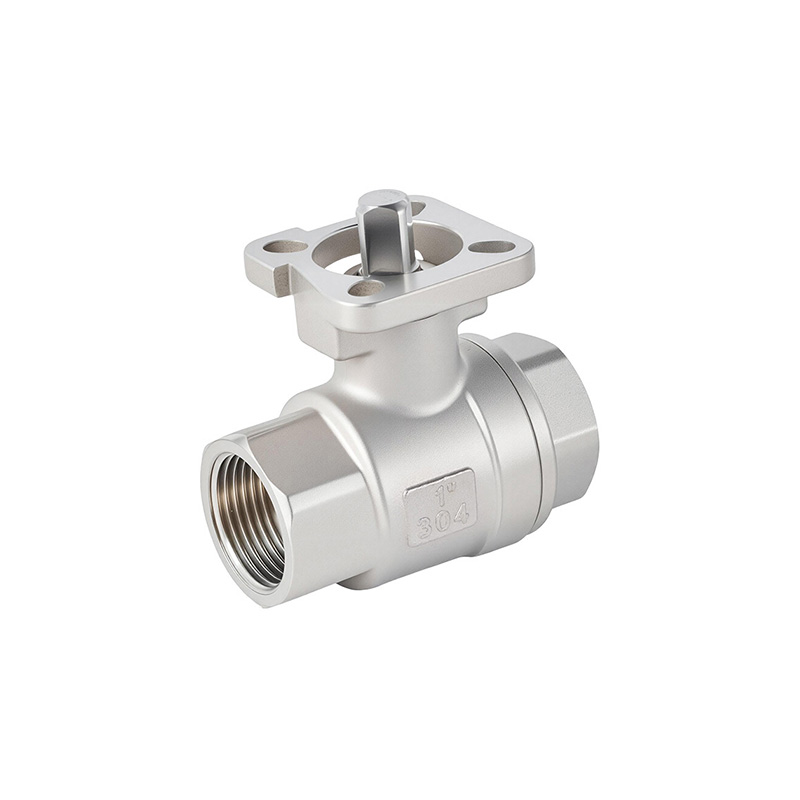
Two Pieces High Platform Female Threaded Ball Valve
-
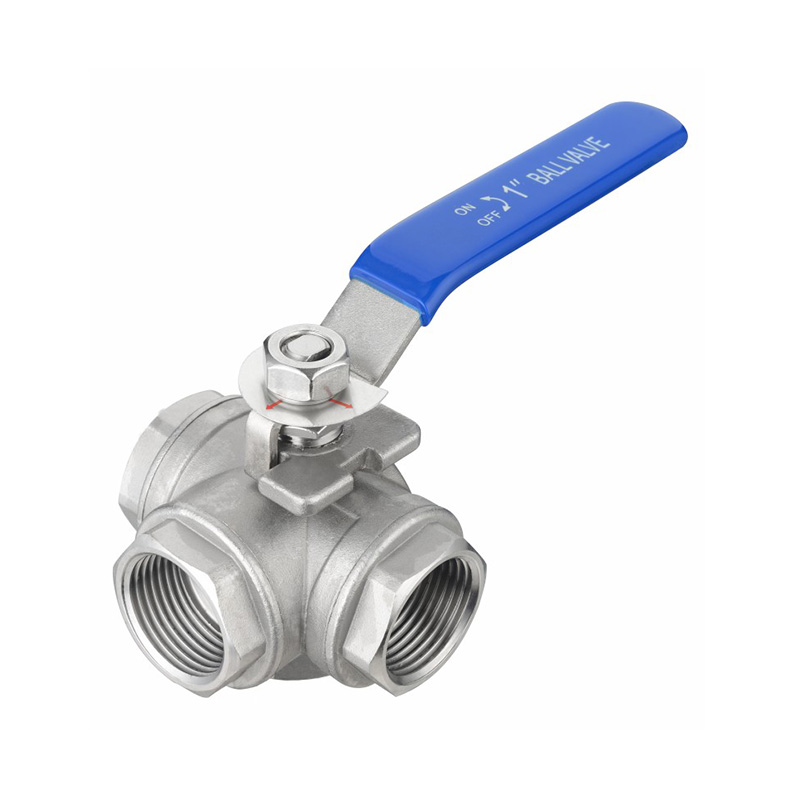
Three-Ways Threaded Ball Valve
-
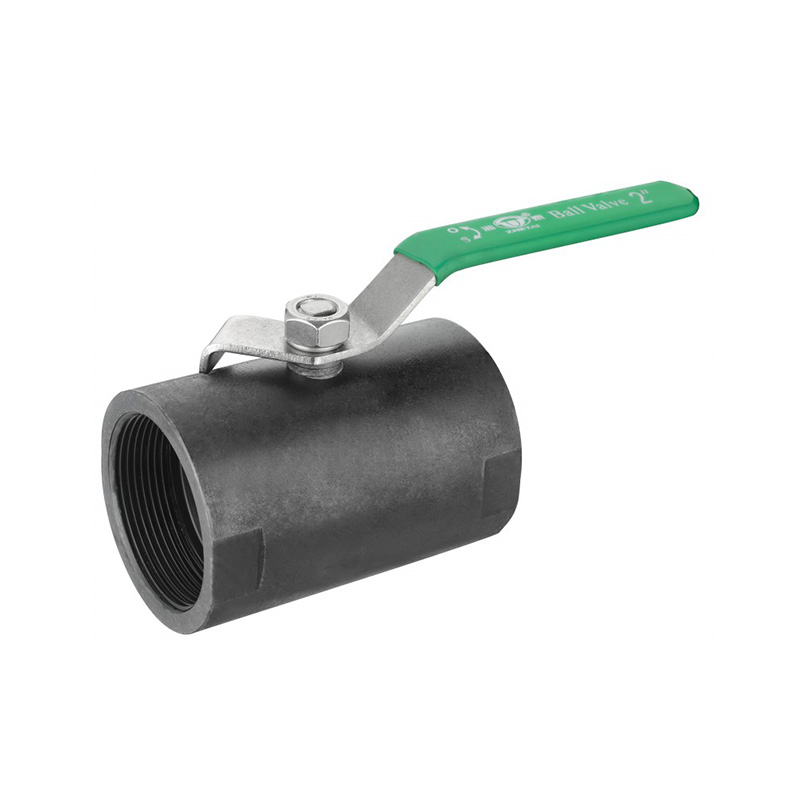
Bar Stock Ball Valve
-
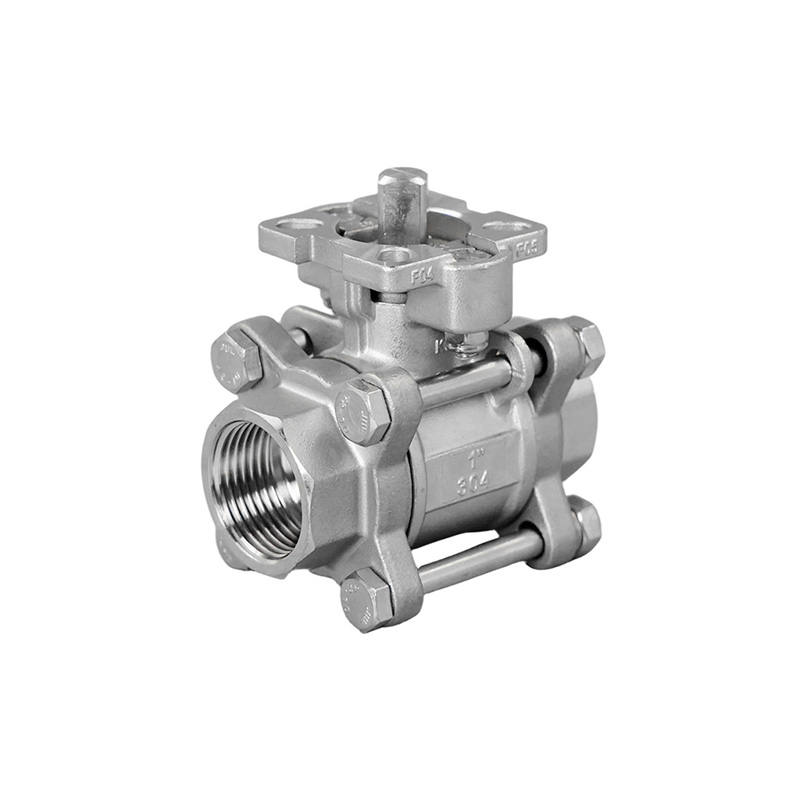
Three Pieces High Platform Female Threaded Ball Valve
-
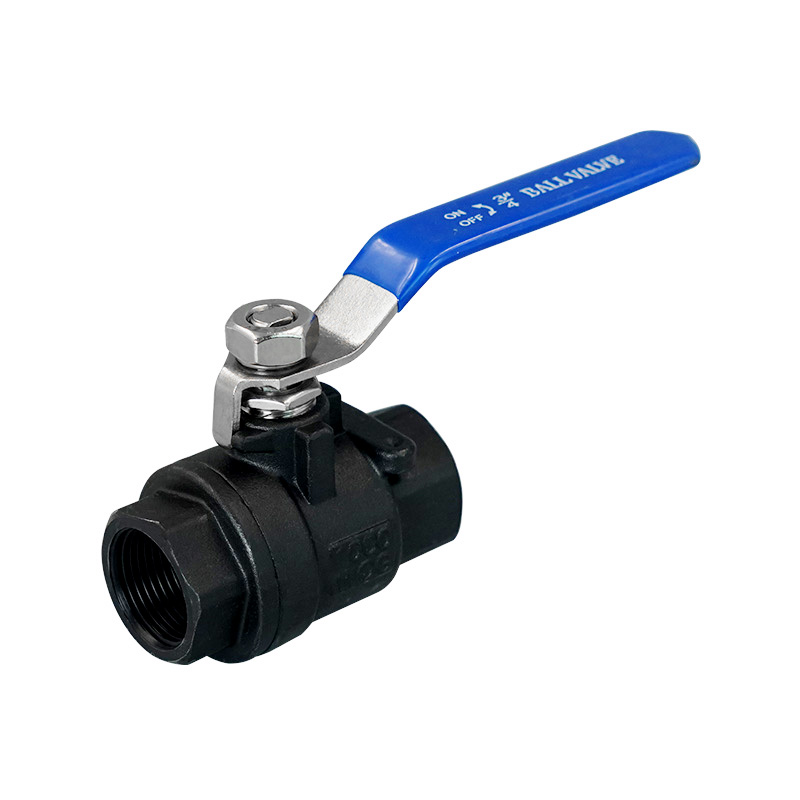
WCB 2PC Threaded Ball Valve
-
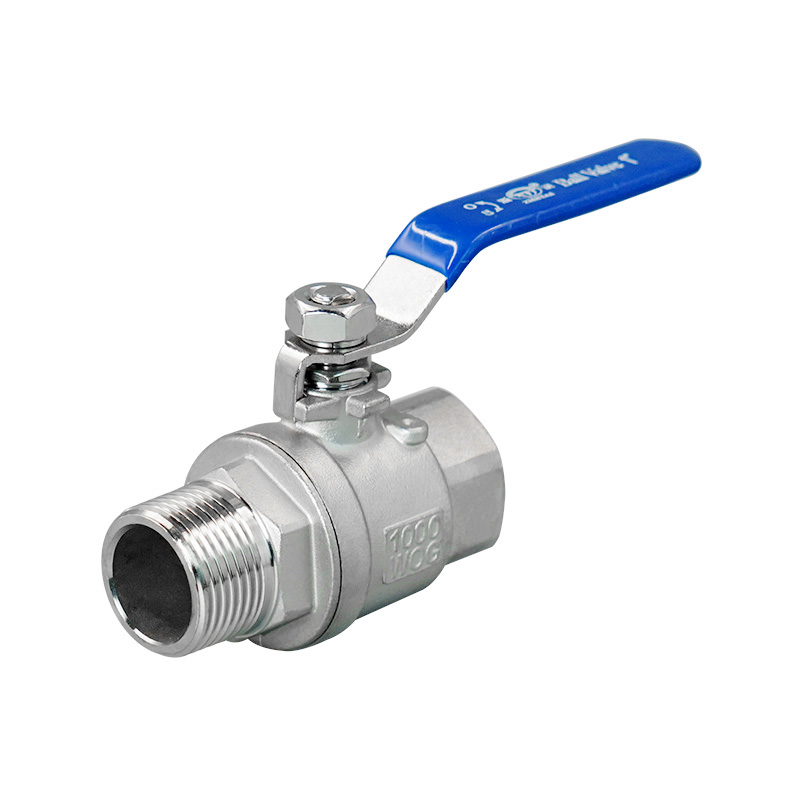
Two-piece Male & Female Thread Ball Valve
-
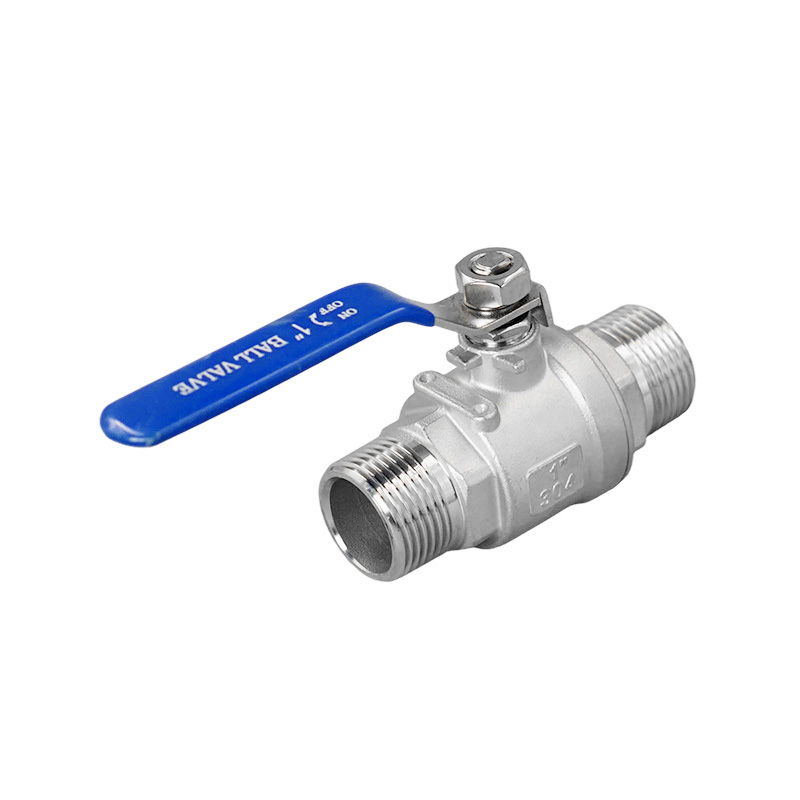
Two-piece Double Male Ball Valve
-
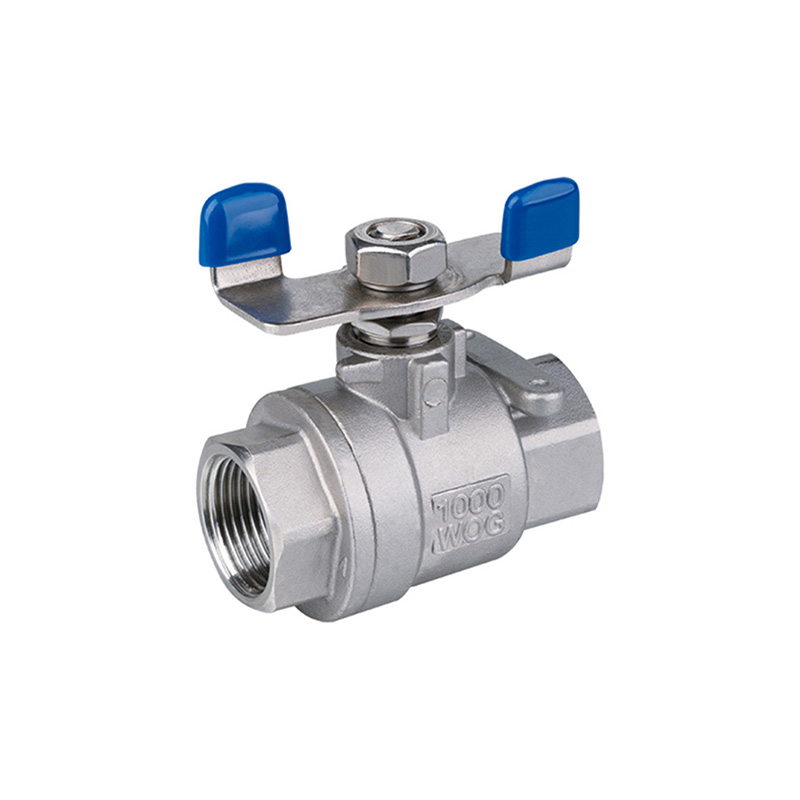
Two-piece Butterfly Handle Ball Valve
About Us
Zhongchi Valve Group Co., Ltd.
Zhongchi Valve Group Co., Ltd. was established in April 2008. The company is a valve manufacturing enterprise that integrates design, development, production, and sales. It is located in the Binhai Industrial Park of Wenzhou Economic and Technological Development Zone.
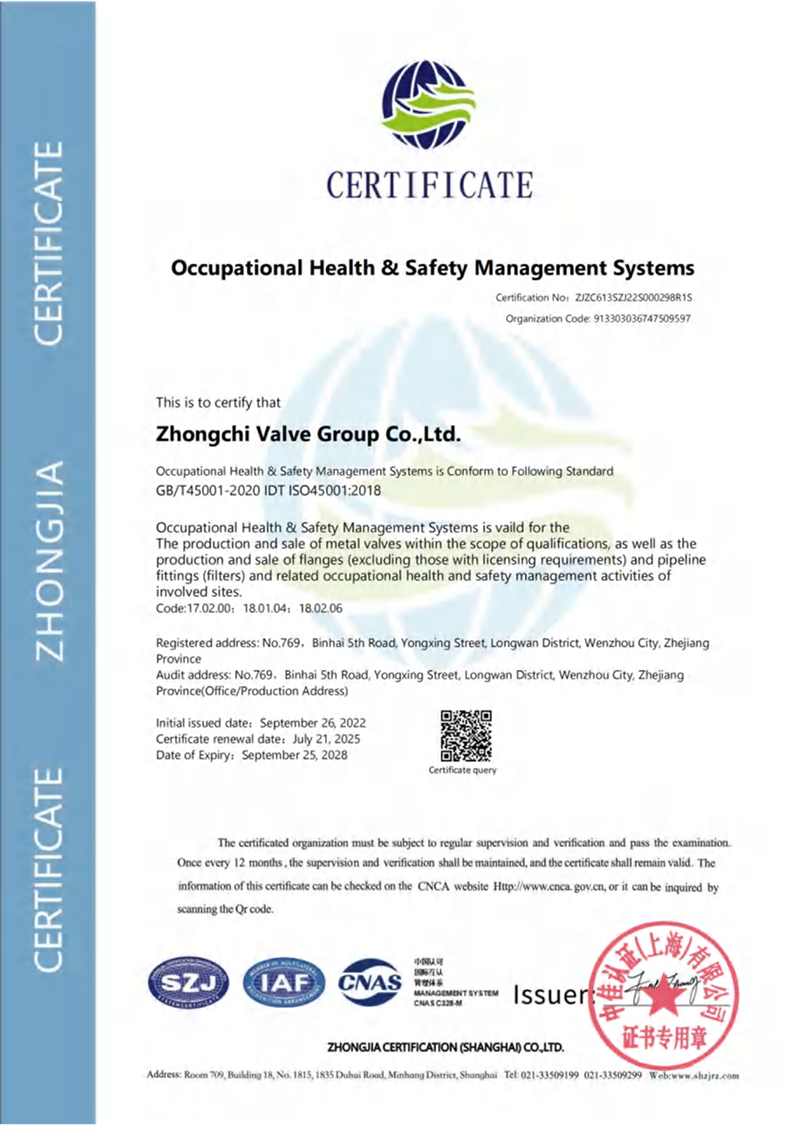
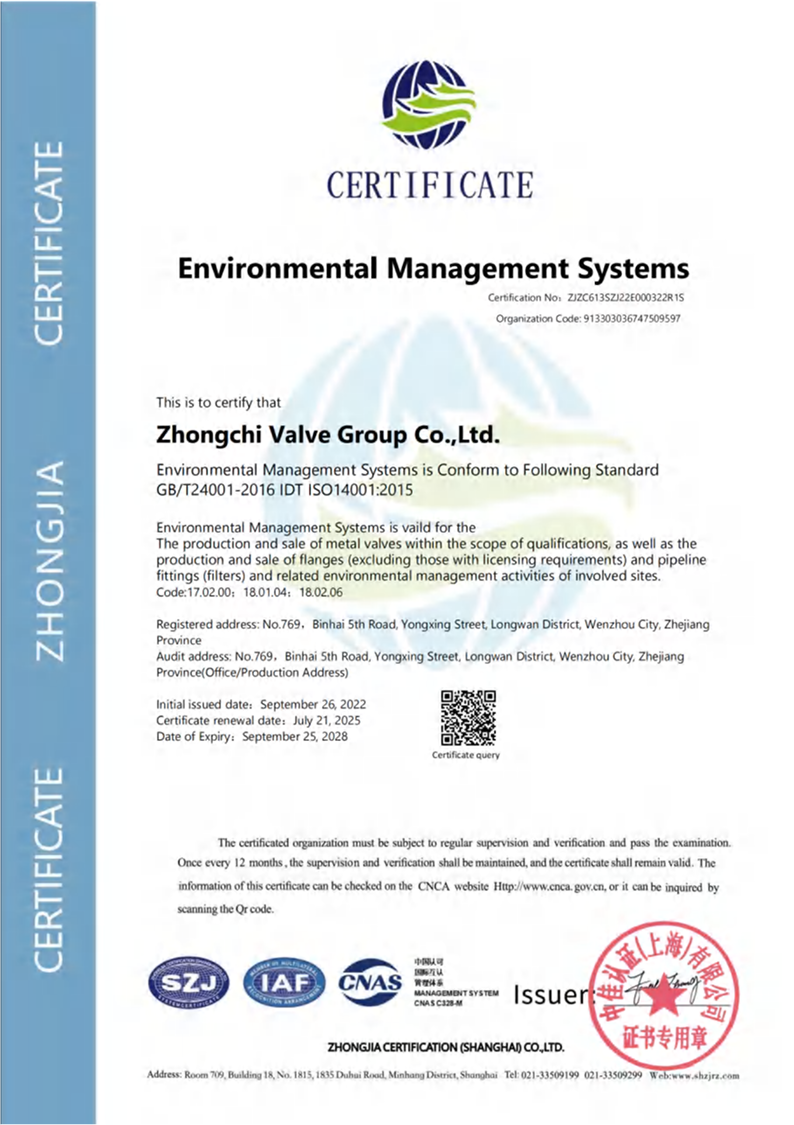
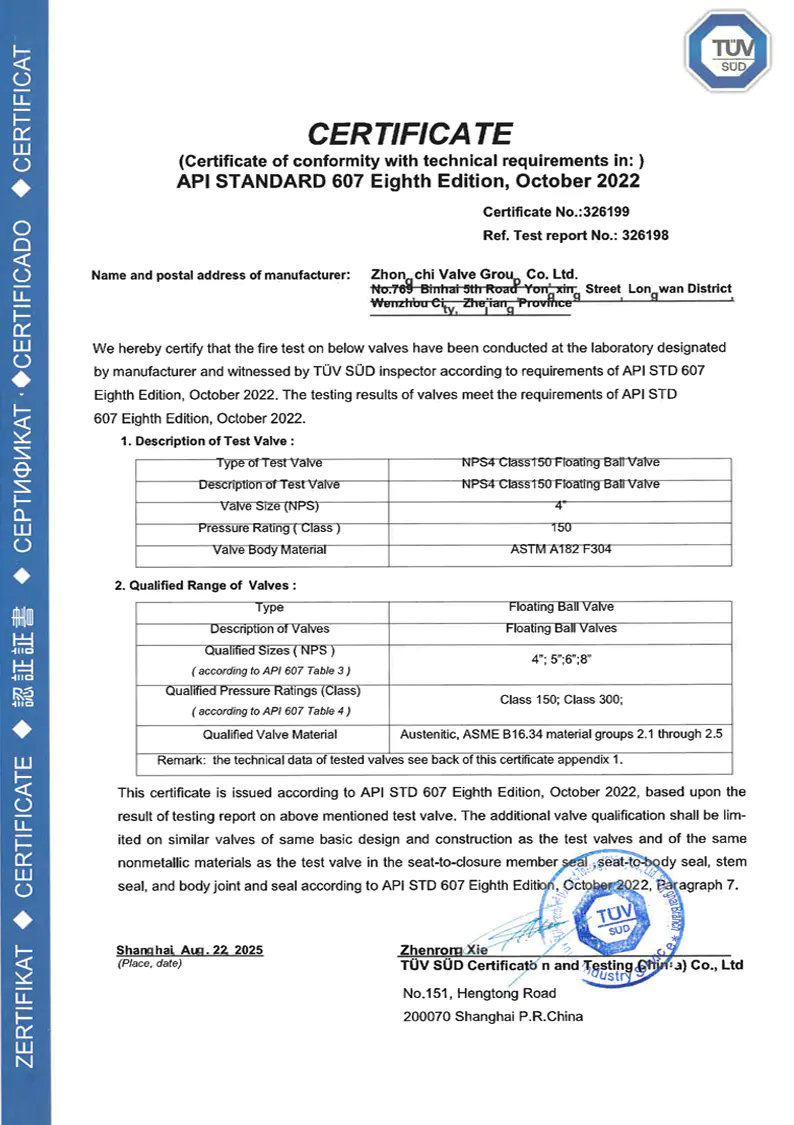
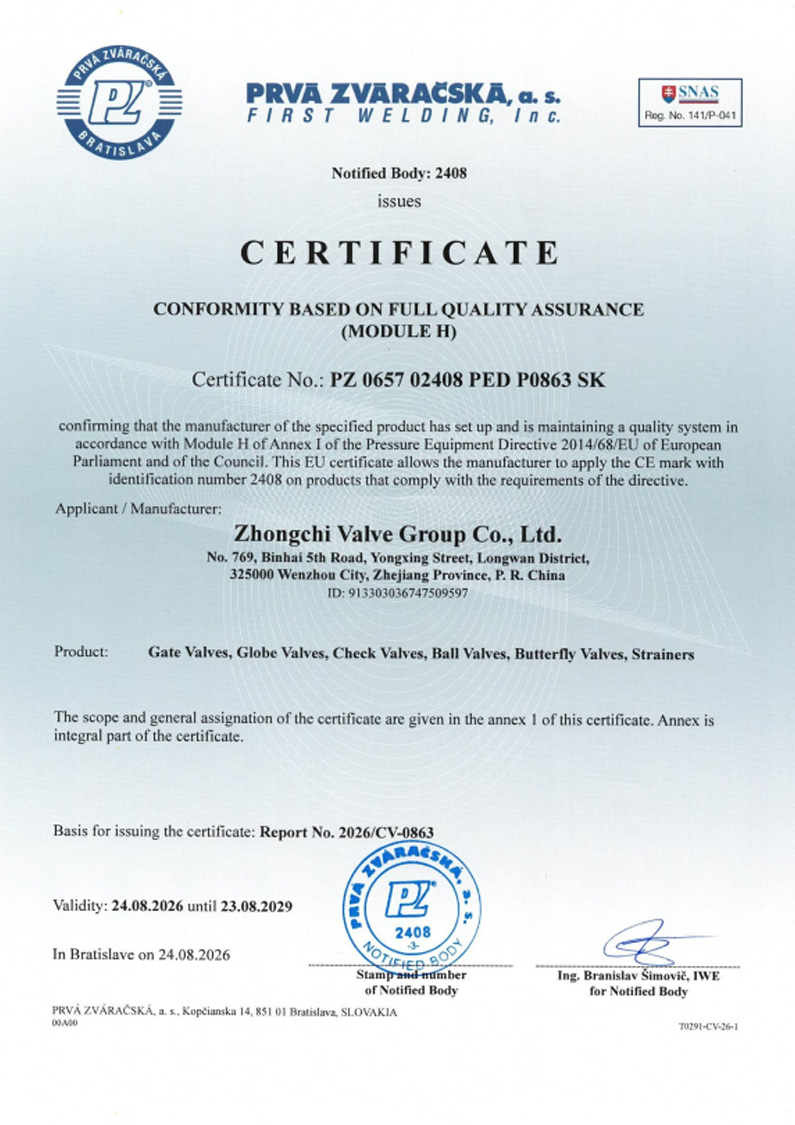
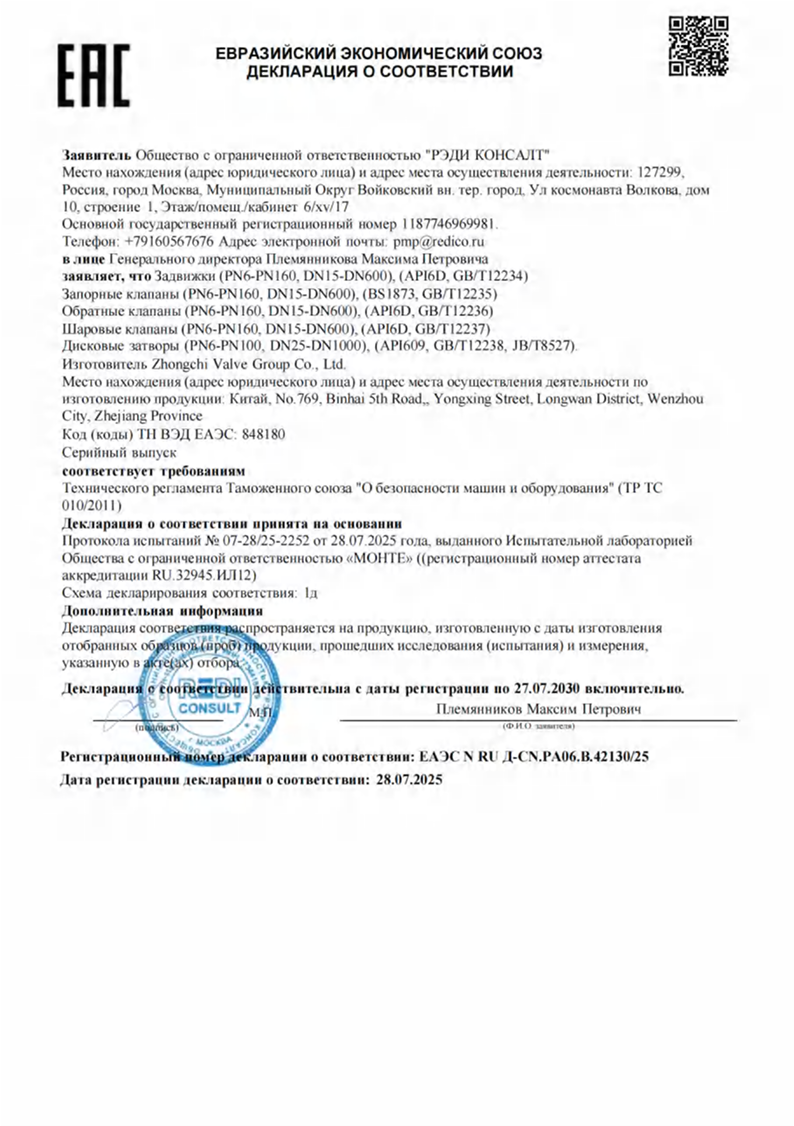
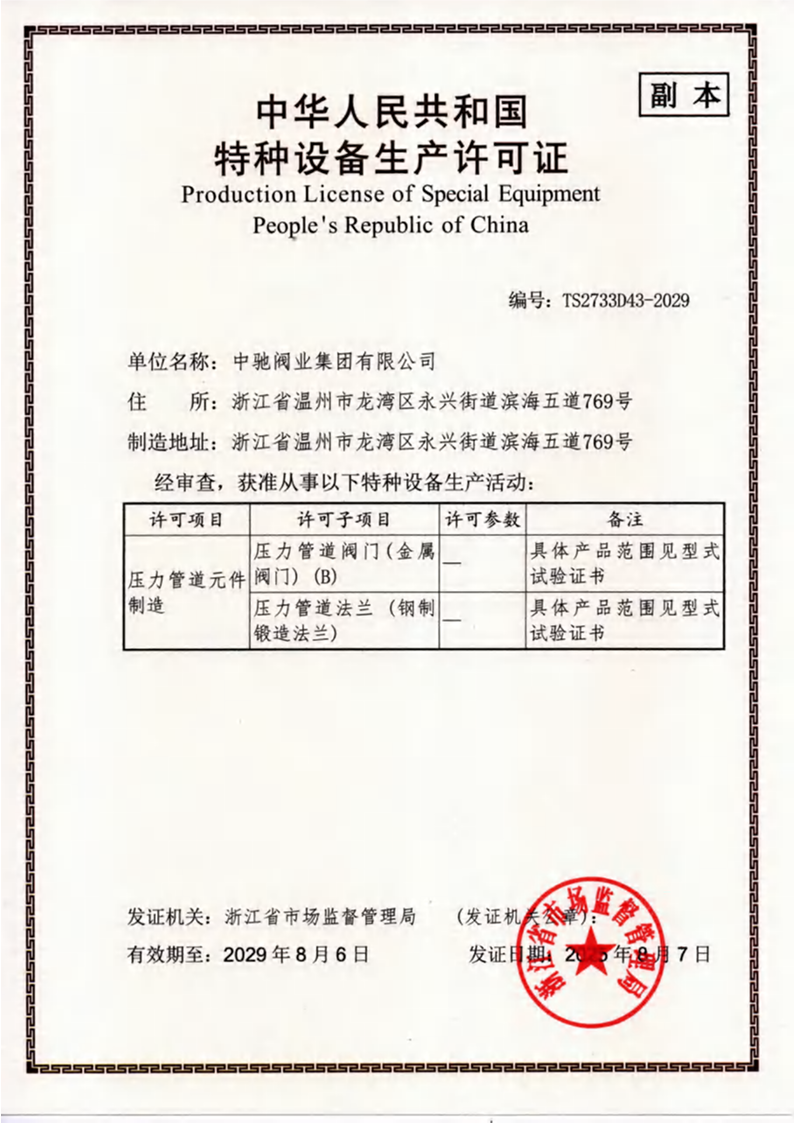
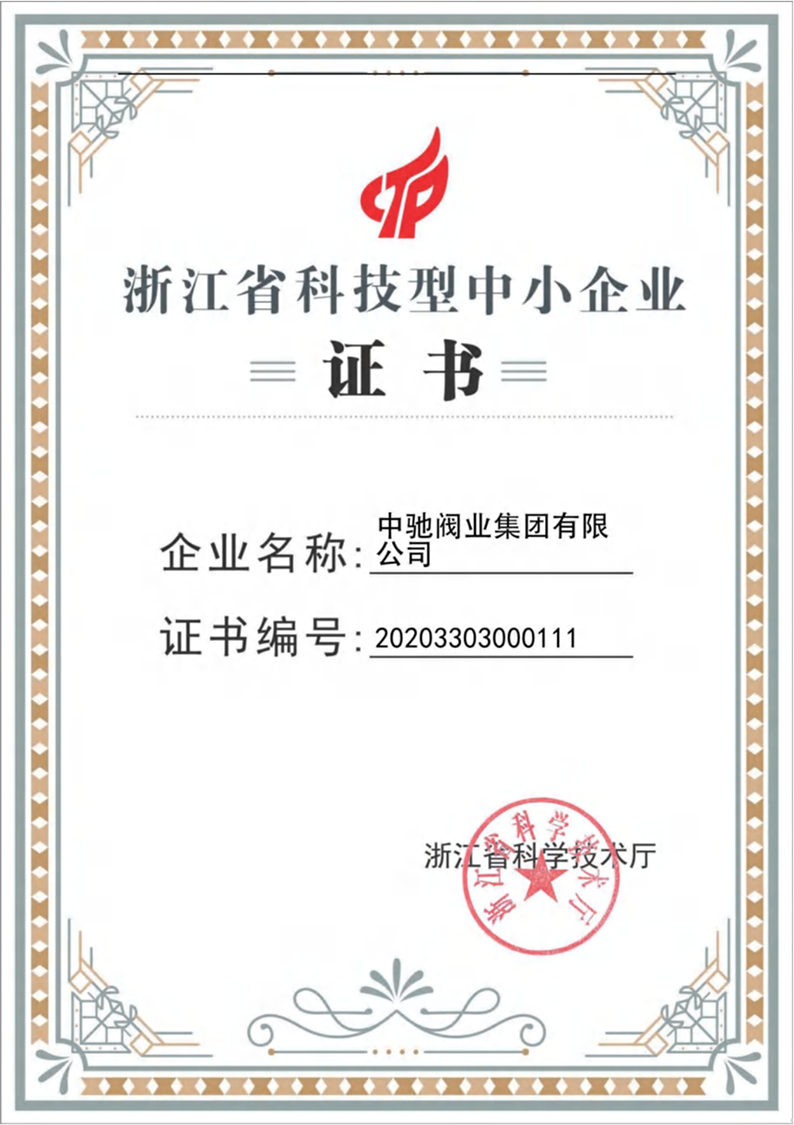
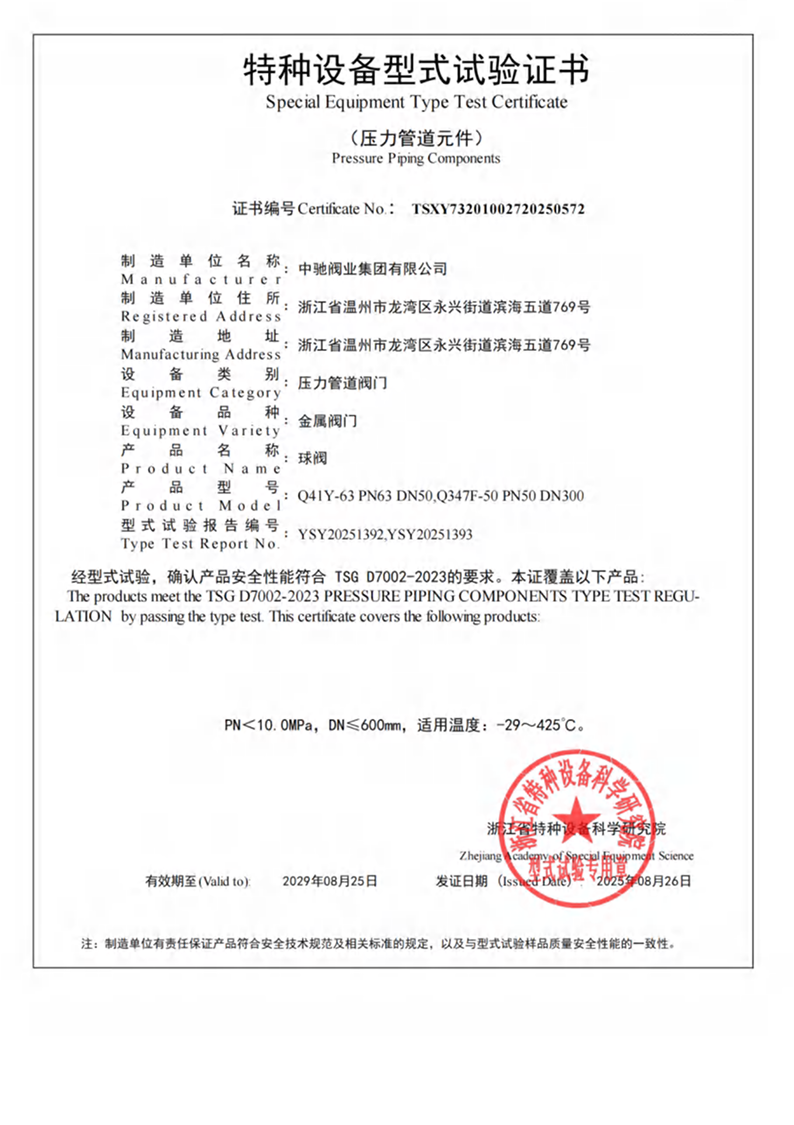
We provide customers with reliable quality assurance through advanced technology and scientific management, offers services with a complete range of products and a short delivery time, and strives to achieve the corporate goal of "building an excellent enterprise and creating a brand in the industry". The company has successively obtained ISO9001 international quality management system certification, ISO14001 environmental management system certification, ISO45001 occupational health and safety management system certification, special equipment manufacturing production license TS certification, CE certification, EAC certification, API607 fire protection certification, and has been recognized as a small and medium-sized technology enterprise in Zhejiang Province and a national high-tech enterprise.
The company's main products include ball valves, gate valves, globe valves, check valves, filters, butterfly valves, etc. These products are widely used in various industries such as petroleum, chemical, natural gas, light industry, electric power, pharmaceuticals, dyes, metallurgy, fiber, leather making, textile, food, military, construction engineering, refrigeration, water supply, and more.
We provide customers with reliable quality assurance through advanced technology and scientific management, offers services with a complete range of products and a short delivery time, and strives to achieve the corporate goal of "building an excellent enterprise and creating a brand in the industry". The company has successively obtained ISO9001 international quality management system certification, ISO14001 environmental management system certification, ISO45001 occupational health and safety management system certification, special equipment manufacturing production license TS certification, CE certification, EAC certification, API607 fire protection certification, and has been recognized as a small and medium-sized technology enterprise in Zhejiang Province and a national high-tech enterprise.
The company's main products include ball valves, gate valves, globe valves, check valves, filters, butterfly valves, etc. These products are widely used in various industries such as petroleum, chemical, natural gas, light industry, electric power, pharmaceuticals, dyes, metallurgy, fiber, leather making, textile, food, military, construction engineering, refrigeration, water supply, and more.
Stay Connected, Insights & Innovation from Zhongchi
-
 Industry News
 2026.09.25
Oil and gas valve procurement involves technical requirements that go well beyond valve size and pur...
2026.09.25
Oil and gas valve procurement involves technical requirements that go well beyond valve size and pur... -
Industry News
2026.09.25
Mesh size has an effect on what a Y‑type Flanged Strainer can retain. A finer mesh does not automati...
-
Industry News
2026.09.18
Ball valve procurement for oil, gas, chemical, and process applications involves more than choosing ...
-
Industry News
2026.09.18
Vertical piping creates a different operating condition for a check valve. Gravity affects the movem...
-
Industry News
2026.09.11
Three-way ball valves give piping systems more routing options without requiring separate valves for...
-
Industry News
2026.09.11
Global valve sourcing often involves several manufacturing regions, with China, India, and Korea ser...
Certificate Of Honor
Threaded Ball Valves: Standards, Uses, and the Throttling Question
Threaded ball valves are really important in plumbing and industrial piping. They are easy to use because you only have to turn them a bit to open or close them. This makes them very good for stopping the flow of water or other things. To pick the threaded ball valve you need to know about the threads and how the water or other things flow through them. You also need to know what the valve can and cannot do. This guide will answer three questions about threaded ball valves.
What Thread Standard Does My Threaded Ball Valve Need — NPT, BSP, or BSPT?
Selecting the wrong thread standard is a common and costly mistake, as they are not interchangeable. The choice depends entirely on your geographic location and the standards used in your existing piping system.
The three main standards are:
NPT (National Pipe Tapered): This is the dominant standard in North America. It's a tapered thread that relies on the deformation of the threads themselves to create a seal, typically aided by a thread sealant or tape.
BSP (British Standard Pipe): This is widely used in Europe, Asia, and many other parts of the world. BSP threads come in two varieties:
- BSPP (British Standard Pipe Parallel) also known as G-threads, are parallel threads that require a sealing washer or compound for a leak-tight joint.
- BSPT (British Standard Pipe Tapered), which, like NPT, are tapered and rely on thread deformation for sealing.
| Feature | NPT | BSPT | BSPP |
| Thread Form | Tapered | Tapered | Parallel |
| Sealing Method | Thread deformation | Thread deformation | Compression on a sealing face (e.g., washer) |
| Primary Region | North America | UK, Asia, Europe (common) | Europe, Asia (common) |
| Interchangeable? | No (different pitch angle) | No (different pitch angle) | No |
Before purchasing, check the specification of the mating pipe fitting. Most reputable manufacturers mark the thread type on the valve body or packaging. Many high-quality valves are available with multiple end connection options, including NPT, BSP, and BSPT, to suit global requirements.
What Is a 3-Way Threaded Ball Valve Used For?
A 3-way ball valve is a versatile component that can manage complex fluid paths. Instead of simply stopping or starting flow, it uses a ball with a special porting configuration to direct flow between three ports.
There are two main configurations:
- L-Port (or L-Bore): This valve can connect one inlet to either of two outlets, but typically not all three at once. It is used for simple diverter applications, where you send flow from a single source to one of two destinations.
- T-Port (or T-Bore): This is more flexible. It can connect any two ports, or all three simultaneously, depending on the valve's rotation. It can be used to mix two flows into one outlet, divert a flow between two outlets, or simply shut off all flow.
Common applications for 3-way ball valves include:
- Heating and cooling systems: For diverting water flow through different zones or bypass loops.
- Water treatment: For sampling, diverting flow, or mixing chemicals.
- General industrial fluid handling: For complex routing, such as filling one tank from two different sources.
The "T" or "L" port designation is critical. An L-port is strictly for diverting, while a T-port offers mixing and diverting capabilities.
Can a Threaded Ball Valve Be Used for Throttling or Flow Control in Plumbing?
The short answer is: technically yes, but it is highly not recommended. While you can leave a standard ball valve in a partially open position to reduce flow, this is a misuse of the valve's design.
The primary function of a standard ball valve is to act as a reliable, bubble-tight shut-off valve. It is designed to be either fully open (ball bore aligned with the pipe) or fully closed (ball bore perpendicular).
Here is why using it for throttling is problematic:
- Damage to Internal Components: When partially open, the high-velocity fluid flows over the exposed edge of the ball and the seat. This can cause erosion, cutting, and premature wear, leading to leaks.
- Poor Control: The relationship between handle movement and flow rate is non-linear. A small turn from the closed position can result in a large surge of flow, making precise control difficult.
If you require throttling capability for your application, you have better alternatives:
- Use a V-Port Ball Valve: This is a specially designed ball valve where the ball has a V-shaped notch. This provides a much more linear flow characteristic and is designed to handle the erosive forces associated with throttling.
- Use a Different Valve Type: Valves like globe valves are specifically designed for throttling and flow control. Their design allows for much better control and a longer service life when used in this way.
Get a Free Quote
Quick Links
Products
Contact Information
-
 +86-13396775805
-
 +86-577-86934868
-
 cn@cnchivalve.com
-
 No. 769, Binhai 5th Road, Yongxing Street, Longwan District, Wenzhou City, Zhejiang Province, China
Copyright © Zhongchi Valve Group Co., Ltd.All rights reserved.
 Industrial Pipeline Valve Manufacturer