


 English
 русский
 Español
 عربى
عربى Português
Zhongchi
Zhongchi
Zhongchi
Zhongchi
Zhongchi
Zhongchi
Zhongchi
Zhongchi
Zhongchi

Stainless Steel 3 Piece Butt Weld Ball Valve Factory
Welded ball valves utilize butt-weld or socket-weld connections, effectively resolving issues—such as susceptibility to loosening—commonly associated with traditional threaded or flanged connections. Featuring 90-degree rapid opening and closing, they offer light, swift, and effortless operation.
-
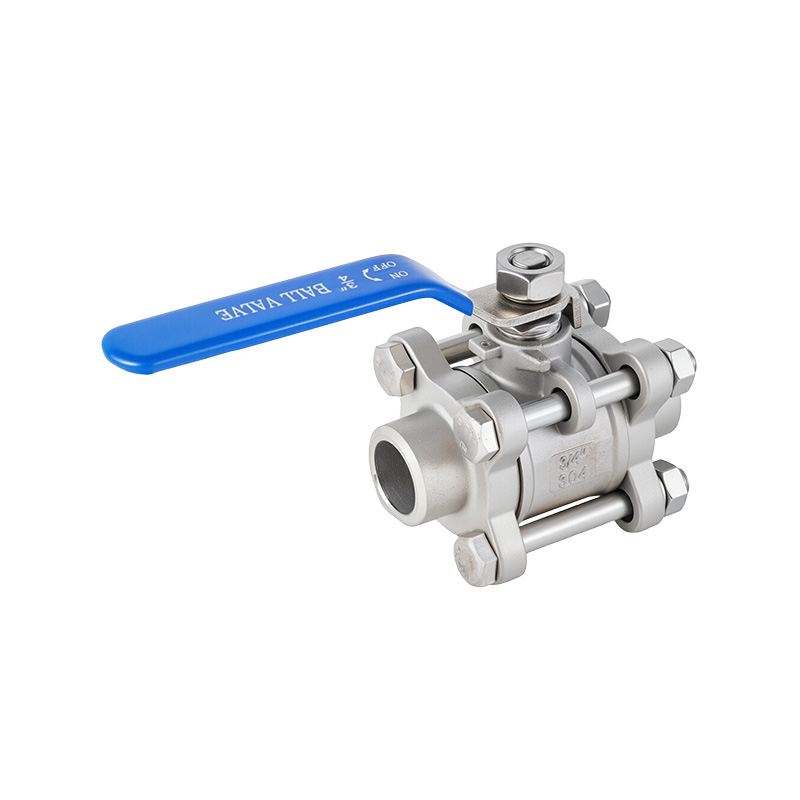

Three Pieces Manual Welded Ball Valve
-
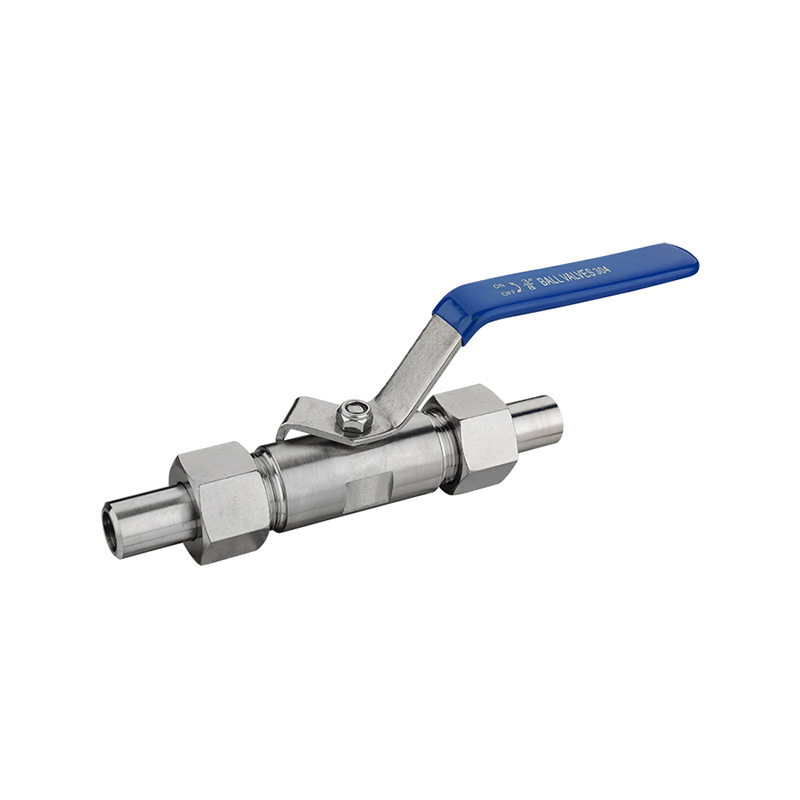
External Thread Ball Valve with Connecting Pipe
-
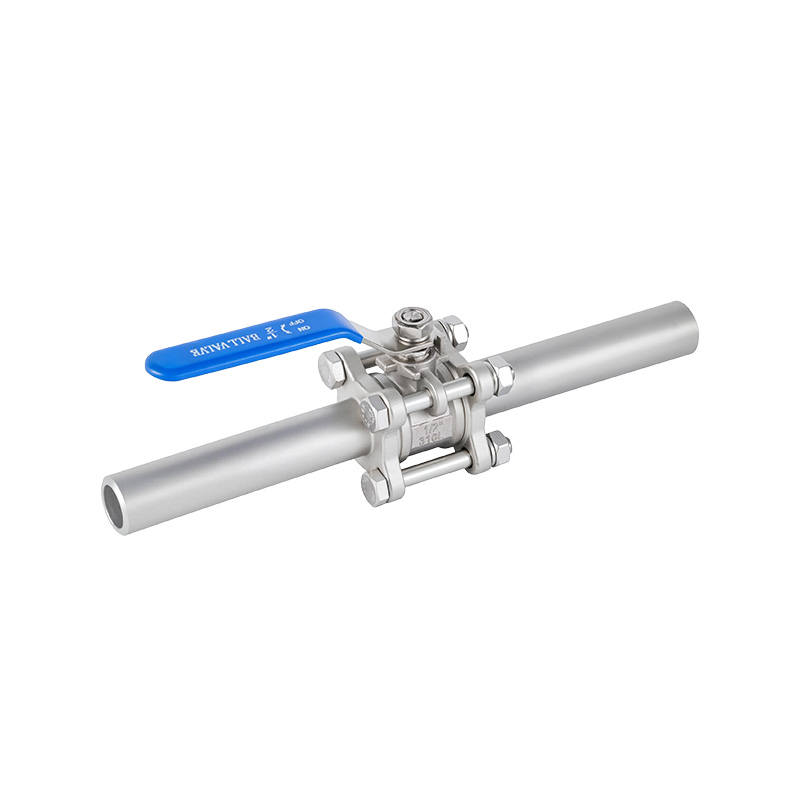
3-Piece Extended-Weld Ball Valve
-
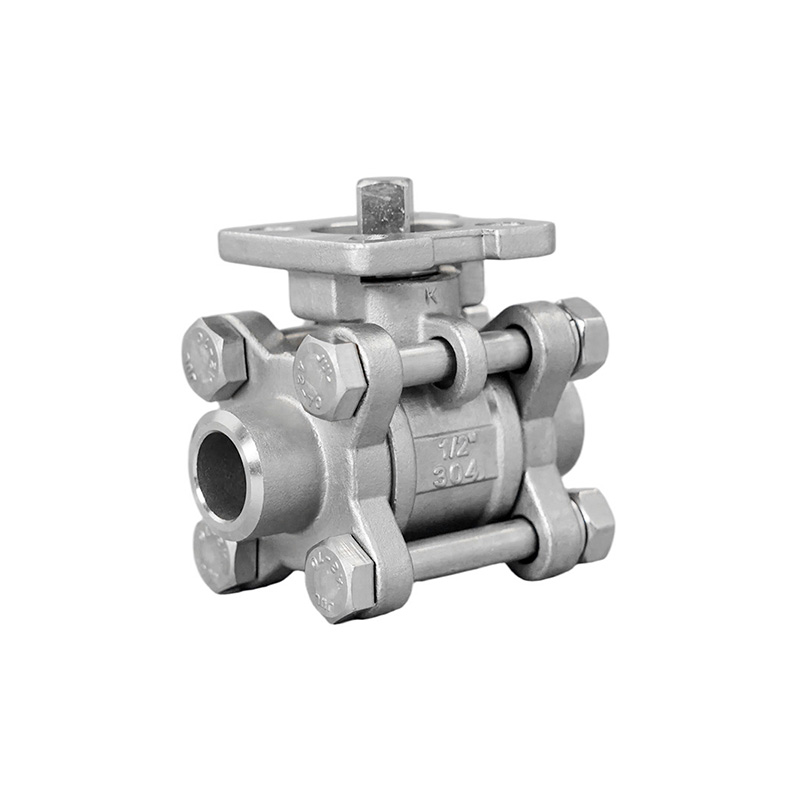
Three-Piece High Platform Welded Ball Valve
About Us
Zhongchi Valve Group Co., Ltd.
Zhongchi Valve Group Co., Ltd. was established in April 2008. The company is a valve manufacturing enterprise that integrates design, development, production, and sales. It is located in the Binhai Industrial Park of Wenzhou Economic and Technological Development Zone.
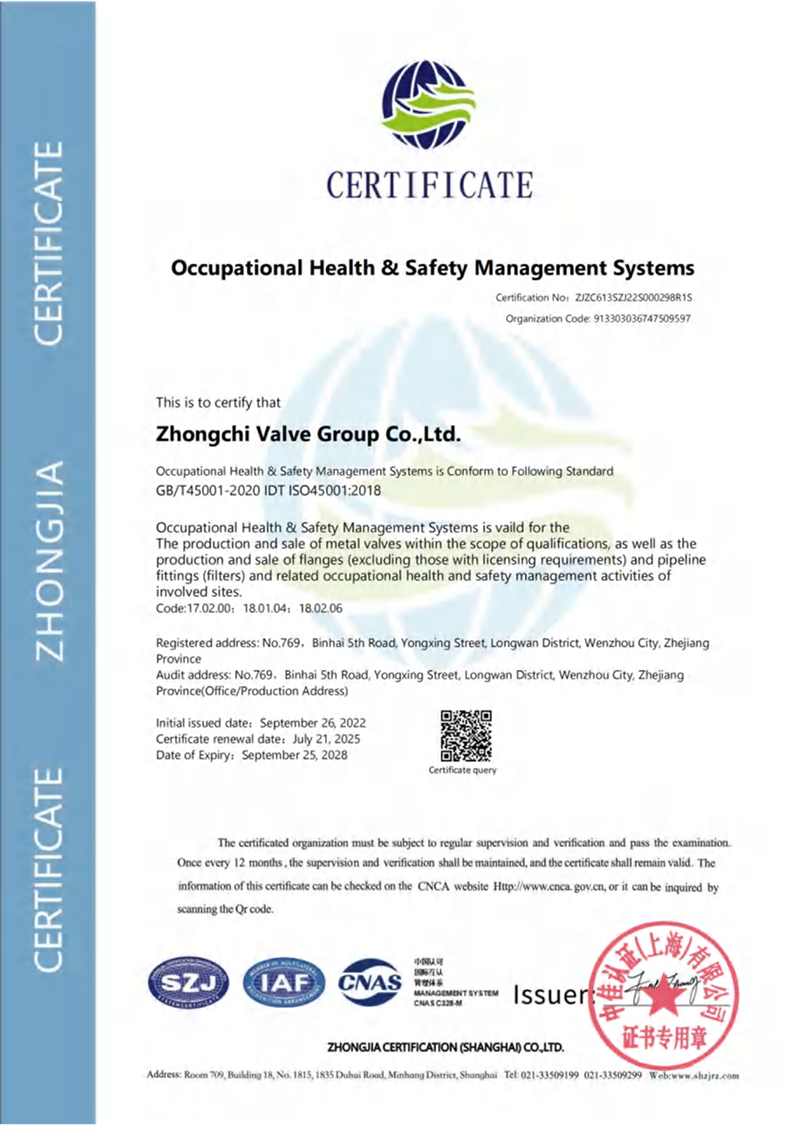
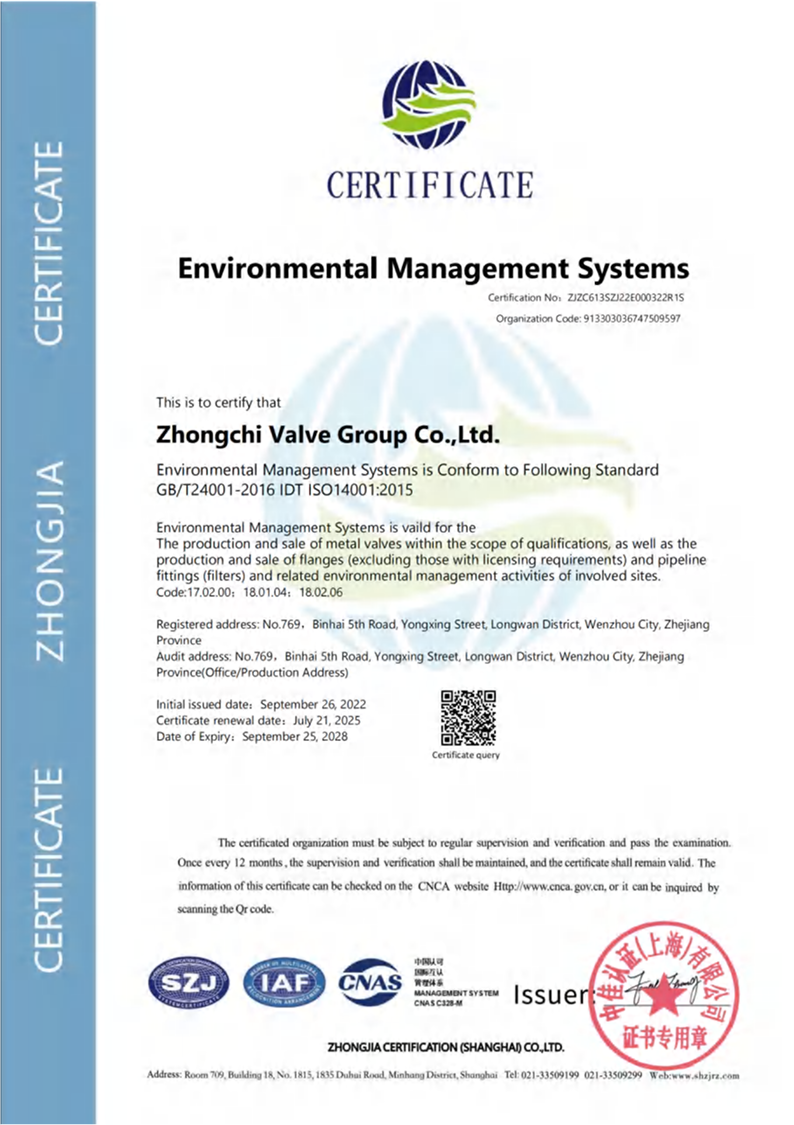
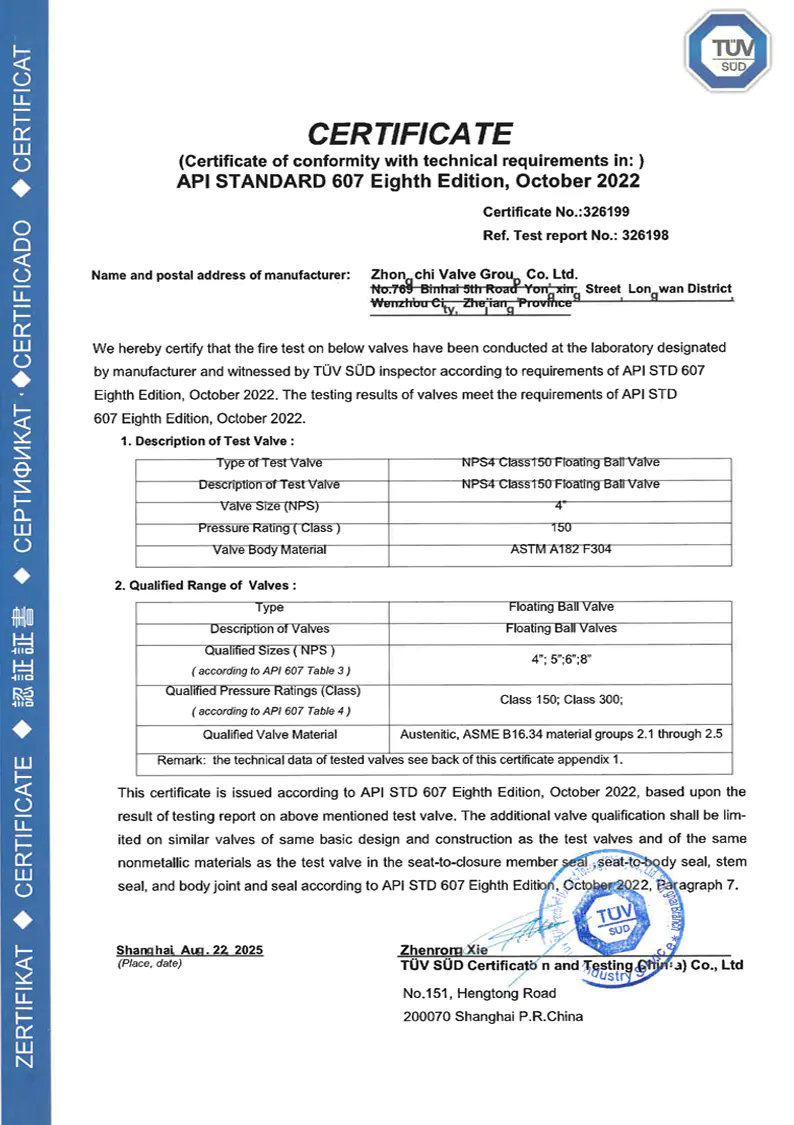
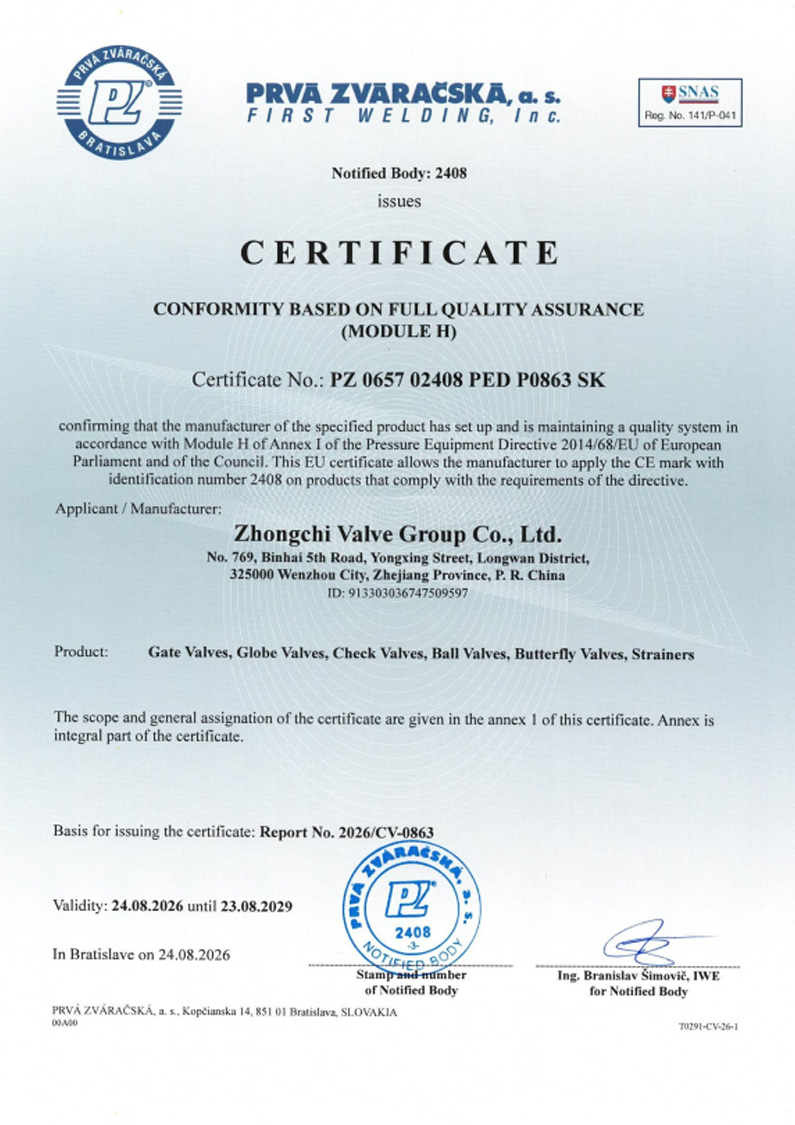
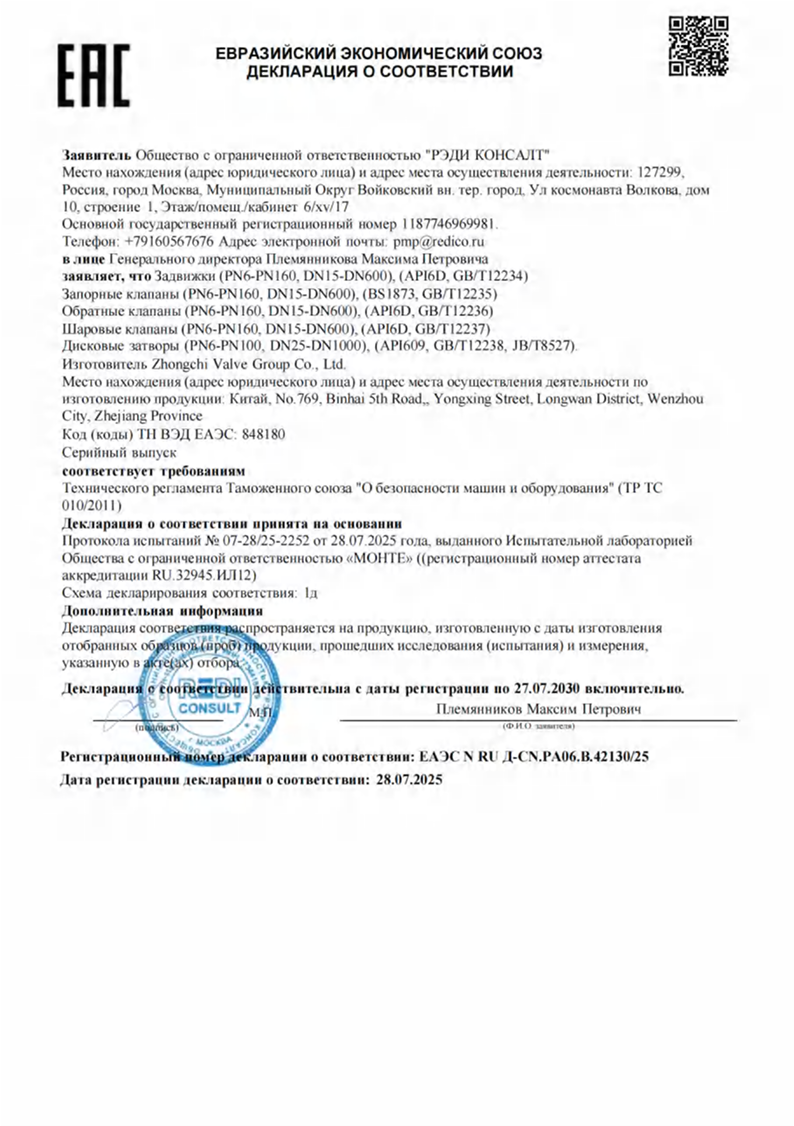
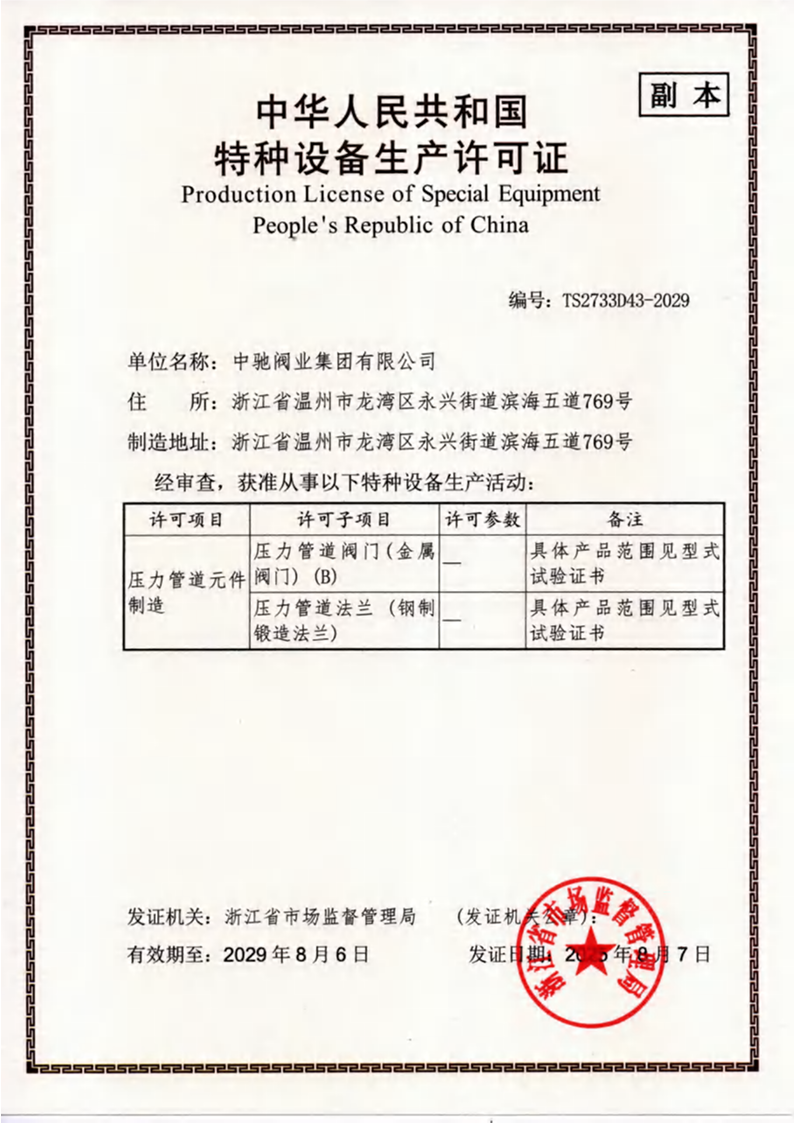
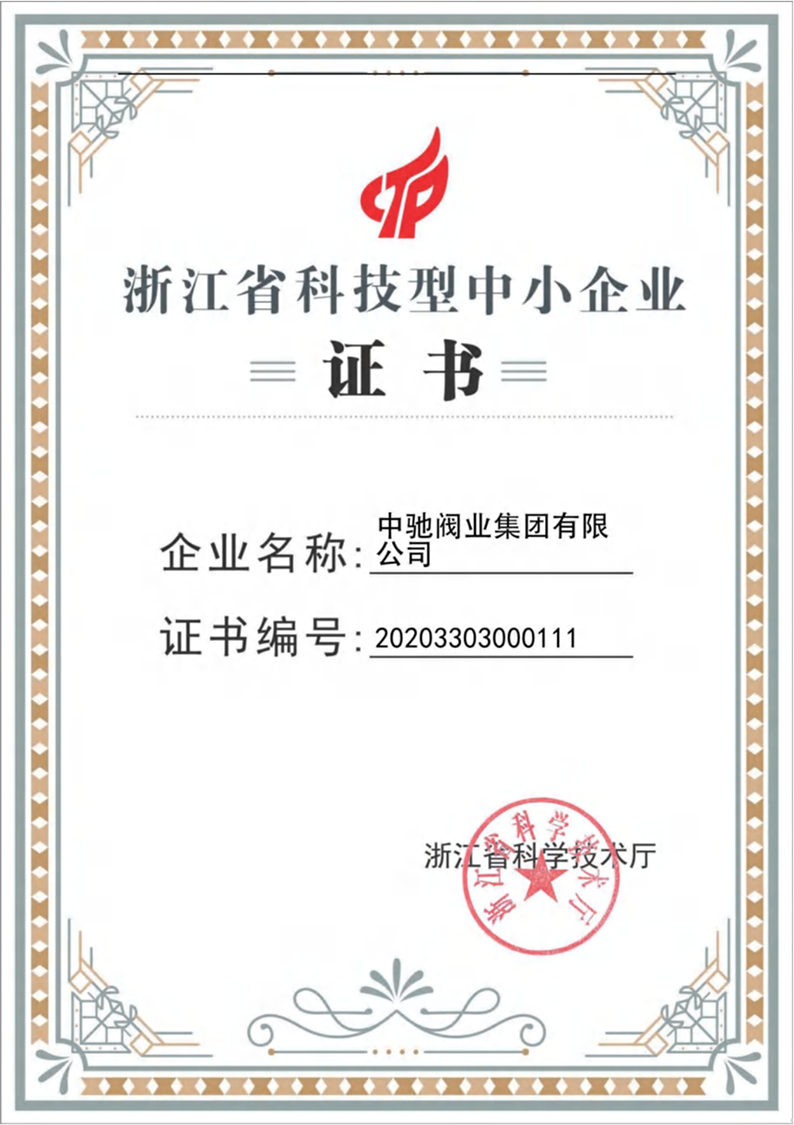
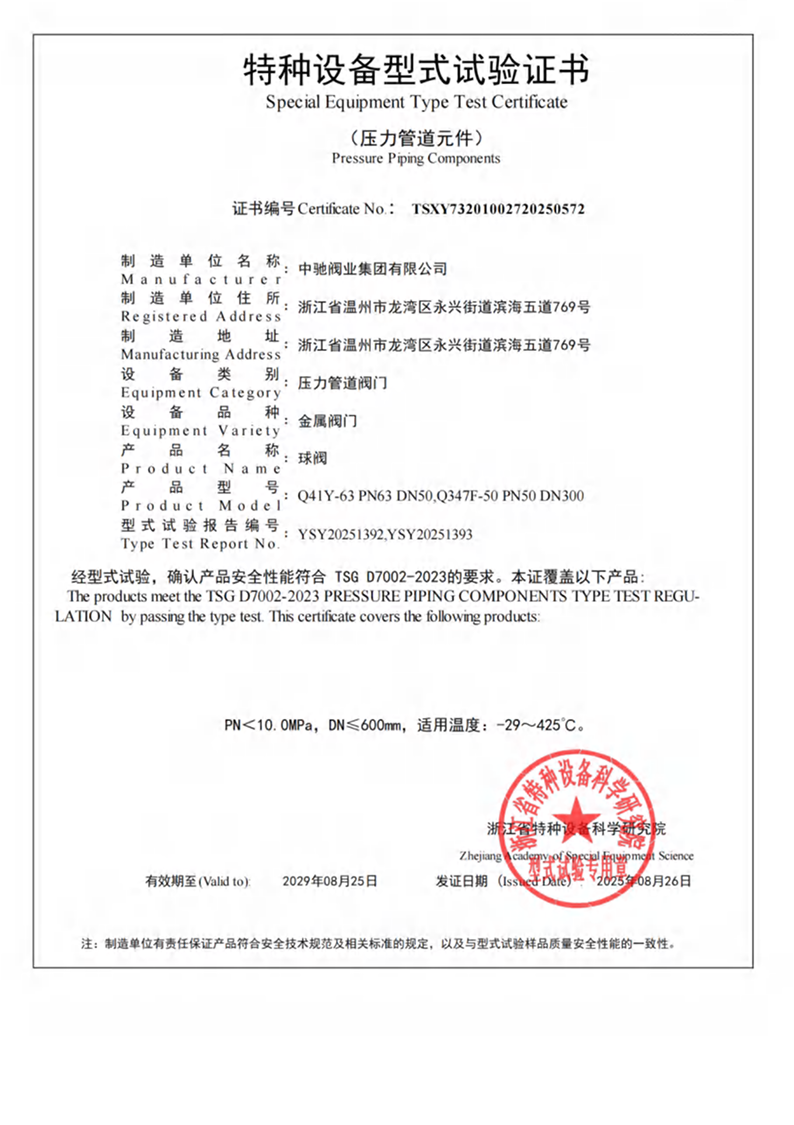
We provide customers with reliable quality assurance through advanced technology and scientific management, offers services with a complete range of products and a short delivery time, and strives to achieve the corporate goal of "building an excellent enterprise and creating a brand in the industry". The company has successively obtained ISO9001 international quality management system certification, ISO14001 environmental management system certification, ISO45001 occupational health and safety management system certification, special equipment manufacturing production license TS certification, CE certification, EAC certification, API607 fire protection certification, and has been recognized as a small and medium-sized technology enterprise in Zhejiang Province and a national high-tech enterprise.
The company's main products include ball valves, gate valves, globe valves, check valves, filters, butterfly valves, etc. These products are widely used in various industries such as petroleum, chemical, natural gas, light industry, electric power, pharmaceuticals, dyes, metallurgy, fiber, leather making, textile, food, military, construction engineering, refrigeration, water supply, and more.
We provide customers with reliable quality assurance through advanced technology and scientific management, offers services with a complete range of products and a short delivery time, and strives to achieve the corporate goal of "building an excellent enterprise and creating a brand in the industry". The company has successively obtained ISO9001 international quality management system certification, ISO14001 environmental management system certification, ISO45001 occupational health and safety management system certification, special equipment manufacturing production license TS certification, CE certification, EAC certification, API607 fire protection certification, and has been recognized as a small and medium-sized technology enterprise in Zhejiang Province and a national high-tech enterprise.
The company's main products include ball valves, gate valves, globe valves, check valves, filters, butterfly valves, etc. These products are widely used in various industries such as petroleum, chemical, natural gas, light industry, electric power, pharmaceuticals, dyes, metallurgy, fiber, leather making, textile, food, military, construction engineering, refrigeration, water supply, and more.
Stay Connected, Insights & Innovation from Zhongchi
-
 Industry News
 2026.09.25
Oil and gas valve procurement involves technical requirements that go well beyond valve size and pur...
2026.09.25
Oil and gas valve procurement involves technical requirements that go well beyond valve size and pur... -
Industry News
2026.09.25
Mesh size has an effect on what a Y‑type Flanged Strainer can retain. A finer mesh does not automati...
-
Industry News
2026.09.18
Ball valve procurement for oil, gas, chemical, and process applications involves more than choosing ...
-
Industry News
2026.09.18
Vertical piping creates a different operating condition for a check valve. Gravity affects the movem...
-
Industry News
2026.09.11
Three-way ball valves give piping systems more routing options without requiring separate valves for...
-
Industry News
2026.09.11
Global valve sourcing often involves several manufacturing regions, with China, India, and Korea ser...
Certificate Of Honor
3PC Butt Weld Ball Valve: A Technical Guide for Engineers & Specifiers
Engineers and procurement specialists often have to weigh up cost, performance and long-term serviceability when deciding on a ball valve. One of the options is the 3PC (3-piece) BW (butt weld) ball valve. This is a great choice for being durable and for maintenance. This guide considers the design logic, pressure capabilities and terminology of this component.
Why Choose a 3PC Welded Ball Valve Over a 1-Piece or 2-Piece Valve?
The "piece" count in a ball valve refers to the number of body sections that are bolted or threaded together. This fundamental design choice dictates the valves lifecycle cost, maintenance strategy and suitability for applications.
Here is a breakdown of how these designs compare:
- One-Piece Valves: These are a single, solid block. They are the most economical and are typically used for low-risk, non-critical applications. However, they are non-repairable; if the internal seal fails, the entire valve must be replaced.
- Two-Piece Valves: This design allows for some maintenance, as one end can be removed to access the internal ball and seats. However, the valve usually must be removed from the pipeline to perform any significant repair.
- Three-Piece Valves: This is the most serviceable design. The center section, which houses the ball and seats, can be "swung out" or removed while the two end connections remain attached to the pipe. This allows for in-line maintenance, such as replacing seats or seals, without cutting the pipe or disturbing the pipeline's alignment.
The decision often comes down to the total cost of ownership (TCO). While a 3-piece valve may have a higher upfront cost, its ability to be repaired in-line with a simple seal kit can make it significantly cheaper over its lifetime, especially in systems where downtime is expensive.
What is the pressure rating of stainless steel 3PC butt weld ball valve?
There is not one pressure rating for a 3PC butt weld ball valve. It is determined by the design, material grade and size. However, for a regular stainless steel (304 or 316 for example) 3PC ball valve, a typical pressure rating is 1000 WOG or 2000 WOG (Water, Oil, Gas). This is about 69 - 138 bar.
For more rigorous industrial applications, a 3PC stainless steel ball valve with butt weld ends can be rated for 2000 PSI (pounds per square inch), which is equivalent to about 138 bar, as a non-shock cold working pressure. Some manufacturers may also quote a pressure rating in bar, with a common figure being 63 bar for certain models.
When selecting a valve, it is critical to check the manufacturer's specification for the exact pressure-temperature rating. The maximum working pressure typically decreases as the operating temperature increases.
What Does "BW" Mean in a 3PC BW Ball Valve?
"BW" in the context of a valve designation stands for Butt Weld. This indicates the method by which the valve's ends are designed to connect to the piping system.
A butt weld connection involves welding the valve directly to the pipe ends. This creates a permanent, highly robust, and leak-proof joint, offering high structural integrity. Butt weld ends are commonly specified for:
- Critical and High-Integrity Systems: Where the risk of leakage from threaded or flanged connections is unacceptable.
- High-Pressure and High-Temperature Lines: Where welded joints provide the necessary strength.
- Shipboard and Marine Applications: Where reliability and vibration resistance are paramount.
Choosing a 3PC BW ball valve means selecting a valve that combines the superior sealing and pressure-handling of a weldable component with the unmatched in-line maintainability of the three-piece body design.
Get a Free Quote
Quick Links
Products
Contact Information
-
 +86-13396775805
-
 +86-577-86934868
-
 cn@cnchivalve.com
-
 No. 769, Binhai 5th Road, Yongxing Street, Longwan District, Wenzhou City, Zhejiang Province, China
Copyright © Zhongchi Valve Group Co., Ltd.All rights reserved.
 Industrial Pipeline Valve Manufacturer