

 English
 русский
 Español
 عربى
 Português
Zhongchi
Zhongchi
Zhongchi
Zhongchi
Zhongchi
Zhongchi
Zhongchi
Zhongchi
Zhongchi
Industrial valve procurement involves more than finding an attractive quotation. Buyers must consider product specifications, quality verification, delivery arrangements, technical communication, and long-term supply requirements. At Zhongchi, we recognize that the right sourcing channel depends on the buyer's order profile, internal resources, and project demands. Purchasing directly from a manufacturer can offer closer access to production information, while distributors may provide local inventory and consolidated purchasing services.
Understanding the differences helps procurement teams evaluate the total cost and practical risks of each approach before placing an order.
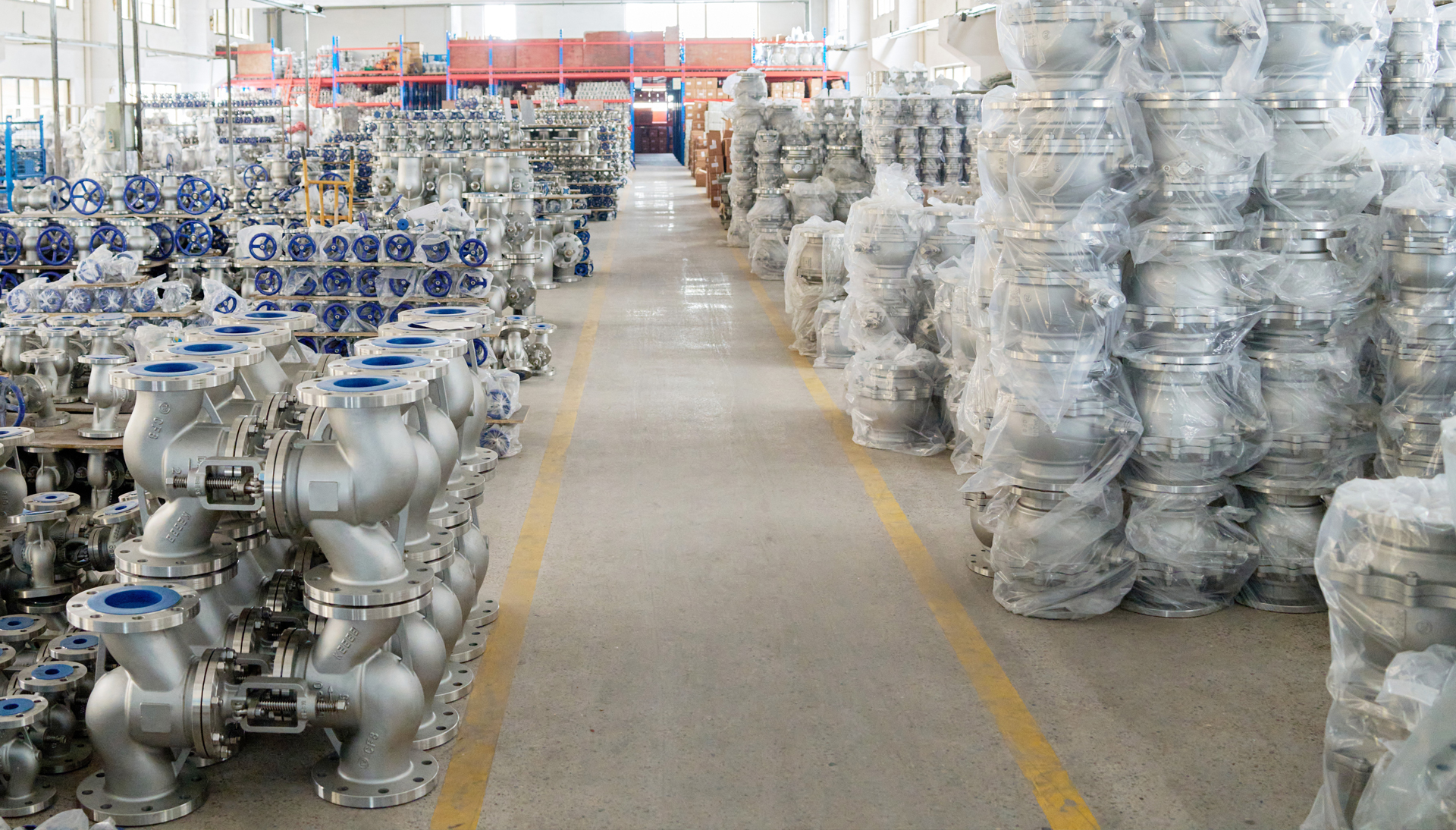
1. Buying Directly from Industrial Valve Manufacturers
Direct sourcing means purchasing valves from the company responsible for manufacturing them. Buyers communicate with the factory to confirm technical specifications, pricing, production arrangements, inspection requirements, and shipping details.
Advantages of factory-direct sourcing
- Direct technical communication: Buyers can discuss valve body materials, pressure ratings, seat materials, end connections, and operating conditions with the manufacturer.
- Pricing transparency: Direct quotations clarify the product price and any additional costs associated with customization, testing, packaging, or export arrangements.
- Customization options: Manufacturers may accommodate project-specific dimensions, materials, actuators, marking, and documentation, subject to their production capabilities.
- Repeat-order coordination: A direct relationship can help maintain consistent specifications across recurring orders and planned procurement programs.
Potential disadvantages
Direct purchasing also places more responsibility on the buyer. Supplier qualification, factory capability checks, third-party inspections, export documentation, freight arrangements, and import procedures may require additional internal resources.
Buyers should also confirm whether the factory can supply the requested valve design and certification. A manufacturer may specialize in certain valve types or material ranges rather than every product listed in a project schedule.
2. Purchasing Industrial Valves Through a Distributor
A distributor purchases products from manufacturers and resells them to industrial customers. Depending on its business model, a distributor may maintain regional inventory, provide technical assistance, consolidate products from different manufacturers, or coordinate replacement orders.
Advantages of distributor sourcing
- Local availability: Stocked standard valves may be available faster than products that require factory production and international shipping.
- Consolidated purchasing: Buyers may obtain different valve types or related components through a single commercial contact.
- Reduced administrative workload: Established distributors can assist with quotations, order processing, shipment coordination, and routine product inquiries.
- Regional support: Local teams may help with replacement parts, warranty communication, and urgent maintenance requirements.
Potential disadvantages
Distributor pricing may include inventory, warehousing, handling, and service costs. Technical information may also need to pass between the distributor and the original manufacturer, particularly for customized or application-specific valves.
Buyers should confirm the actual product origin, applicable specifications, warranty arrangements, and availability of material certificates or test reports. Distributor sourcing does not automatically mean weaker quality; the outcome depends on supplier qualification and the controls applied to the order.
3. Factory Direct vs Distributor: A Procurement Comparison
| Procurement Factor | Factory Direct | Distributor |
| Unit pricing | May offer cost benefits for repeat or larger orders | May include inventory and service costs |
| Product customization | Direct access to available manufacturing options | Depends on the manufacturer's capabilities and distributor coordination |
| Standard valve availability | Depends on factory stock and production schedule | Potentially faster through local inventory |
| Technical communication | Direct contact with the production source | May involve an intermediary |
| Multiple product brands | Usually limited to the factory's own range | May consolidate products from several manufacturers |
| Procurement workload | Buyer manages supplier checks and logistics | Distributor may handle part of the process |
4. How Buyers Can Choose the Appropriate Sourcing Channel
The decision should reflect the specific purchase rather than a general preference for direct or distributor sourcing.
- For recurring bulk orders: Request direct factory quotations and compare the complete landed cost, including freight, inspection, import charges, and inventory expenses.
- For urgent replacements: Check distributors with verified local stock, particularly for standard sizes and established valve configurations.
- For customized projects: Contact the manufacturer directly to clarify materials, dimensions, pressure-temperature ratings, testing requirements, and drawing approval.
- For mixed-brand procurement: Evaluate distributors that can consolidate products while maintaining traceable documentation for each valve.
- For technically demanding services: Verify manufacturing capability, applicable certifications, material traceability, inspection procedures, and documented acceptance criteria regardless of the sales channel.
5. Questions to Ask Before Confirming an Order
At Zhongchi, we encourage buyers to define the technical and commercial scope before comparing supplier offers. A structured inquiry helps reduce misunderstandings and makes quotations easier to evaluate.
- Does the quotation specify the valve type, nominal size, pressure class, body material, and end connection?
- Are the seat, stem, packing, and gasket materials suitable for the process medium?
- Which pressure tests, seat leakage tests, and inspection documents are included?
- Does the quoted price cover packaging, shipping, and other relevant charges?
- Who handles technical questions, warranty claims, and replacement component requests?
- Can the supplier maintain consistent specifications across future orders?
These questions help procurement teams compare the actual scope of supply rather than relying on unit price alone.
Match the Sourcing Model to Your Requirements
Factory-direct sourcing can provide closer manufacturer communication, customization opportunities, and potential pricing benefits for planned procurement. Distributors can offer local stock, consolidated purchasing, and regional service support. Neither channel is automatically suitable for every project.
At Zhongchi, we work with industrial buyers to clarify valve specifications and discuss product requirements for different applications. Review our valve range or contact our team with your required valve type, material, pressure rating, connection, and project details. A clear technical specification is a practical starting point for comparing sourcing options and building a dependable procurement plan.