


 English
 русский
 Español
 عربى
 Português
Zhongchi
Zhongchi
Zhongchi
Zhongchi
Zhongchi
Zhongchi
Zhongchi
Zhongchi
Zhongchi
European industrial buyers are paying closer attention to supplier transparency, product documentation, and material origins. Supply chain due diligence has become an important part of international valve procurement, particularly for importers working with manufacturers outside the European Union. Beyond price and delivery arrangements, purchasing teams need reliable records that demonstrate where industrial components come from and whether supplied equipment meets applicable market requirements.
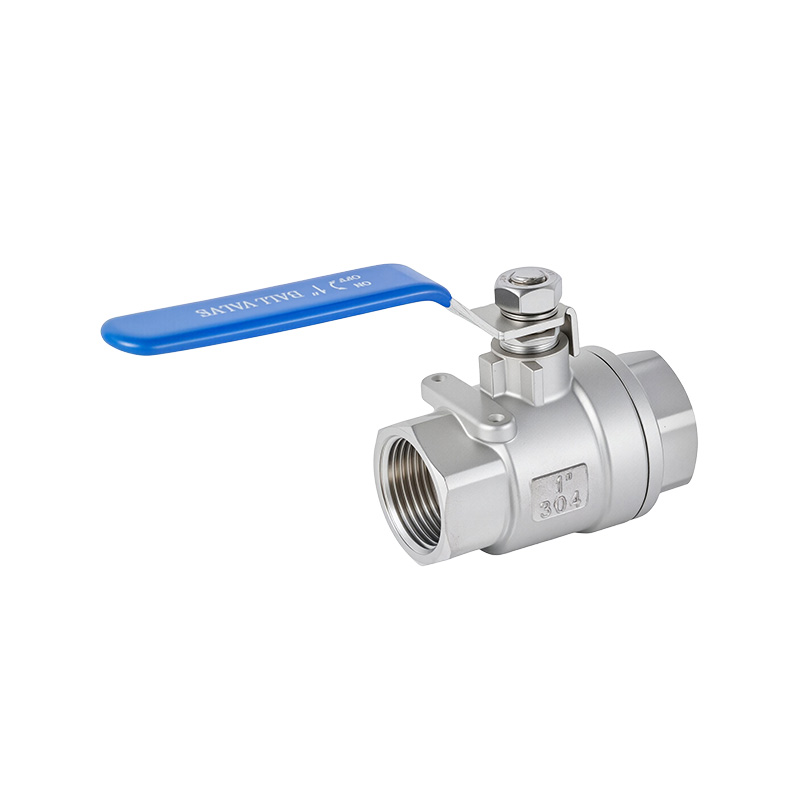
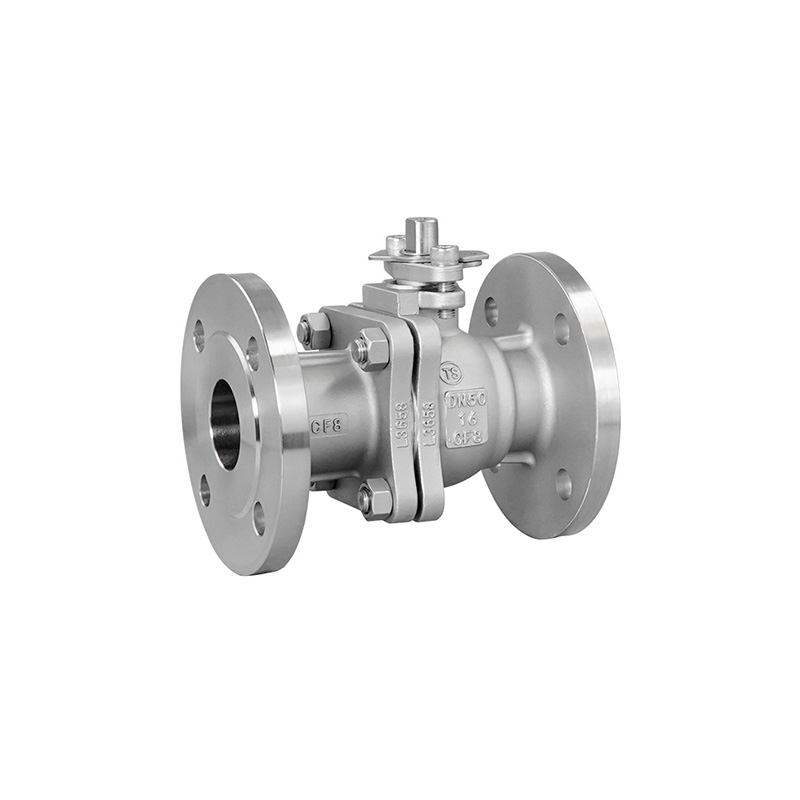
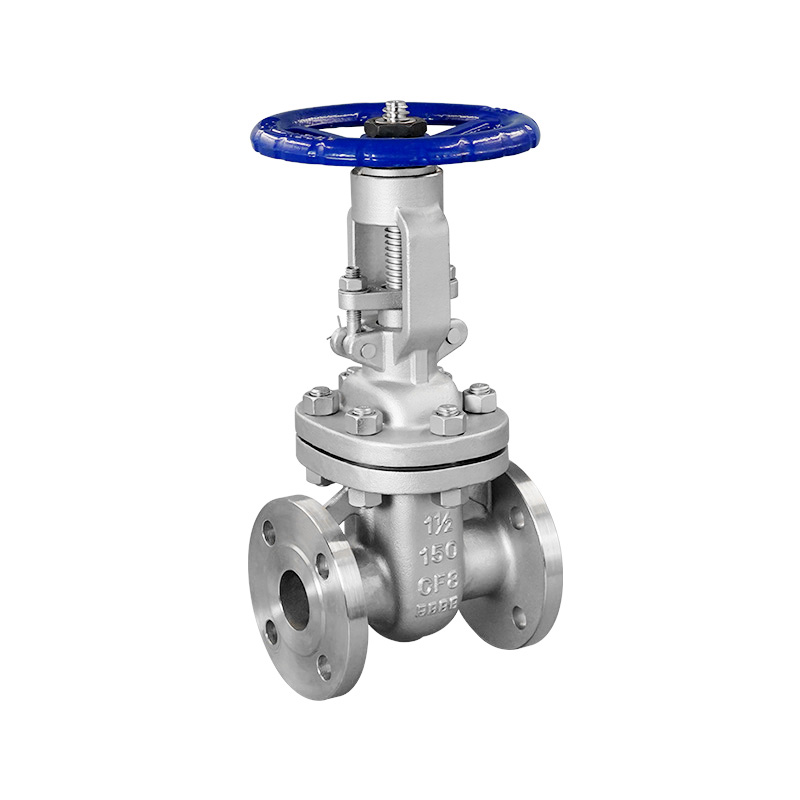
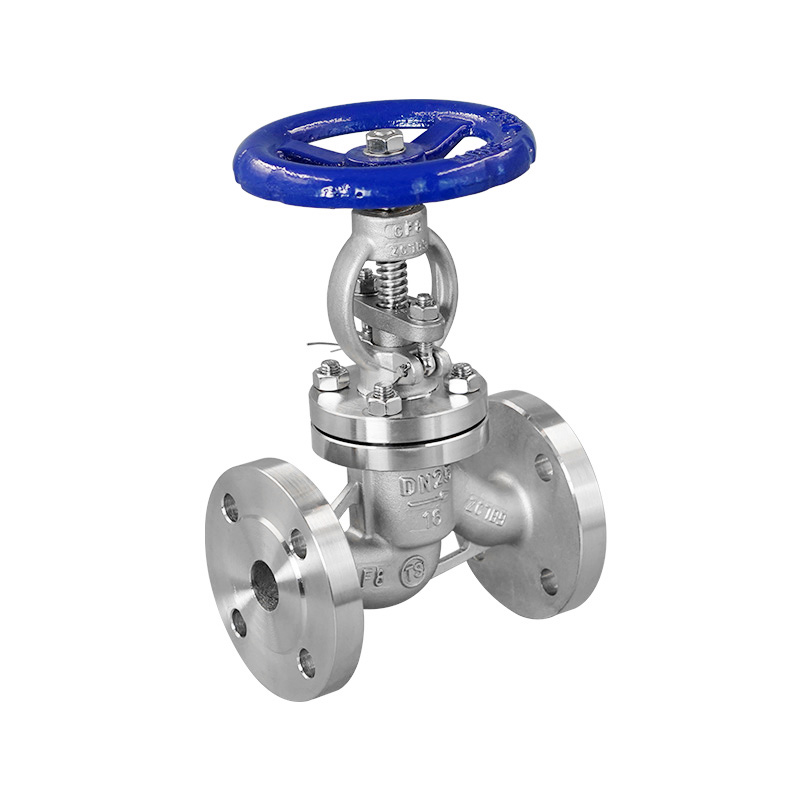
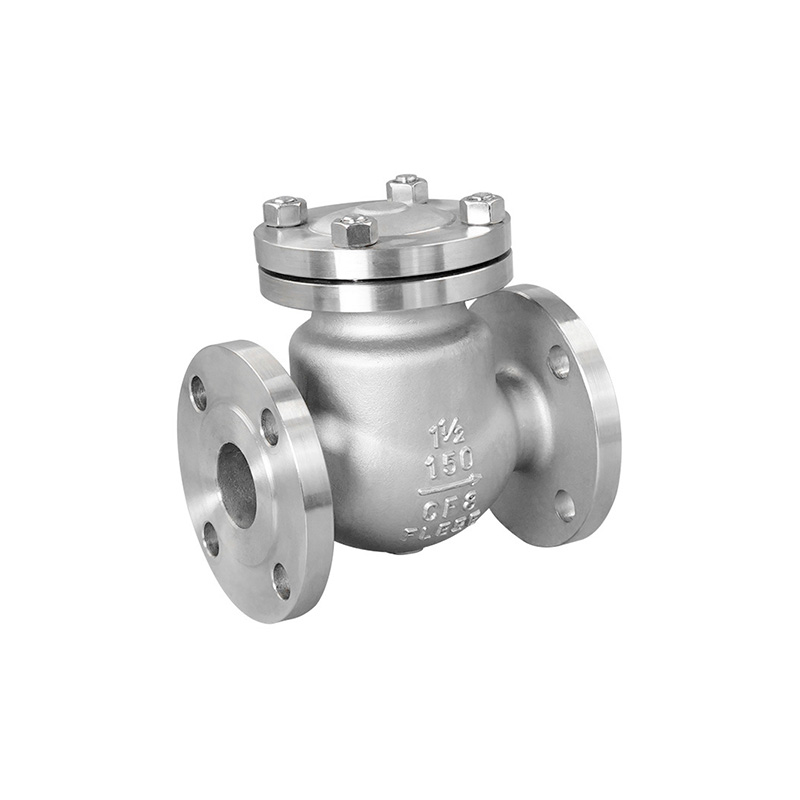
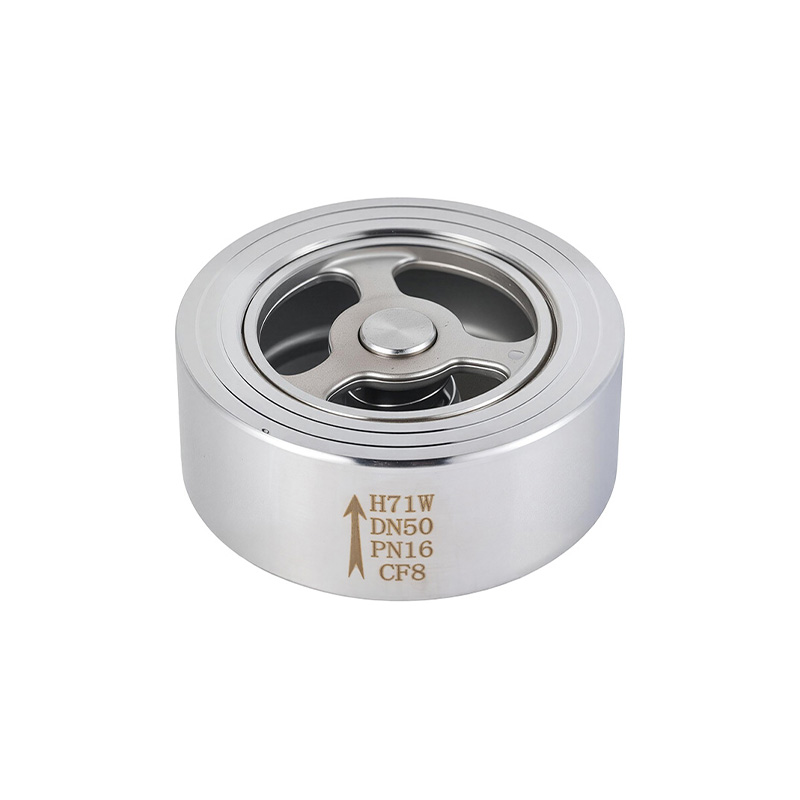
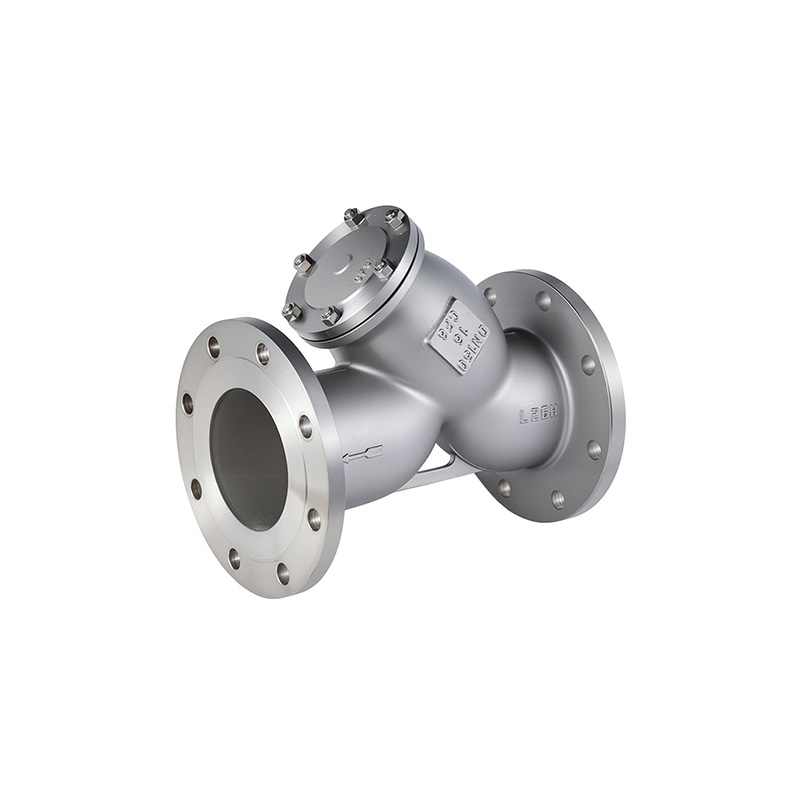
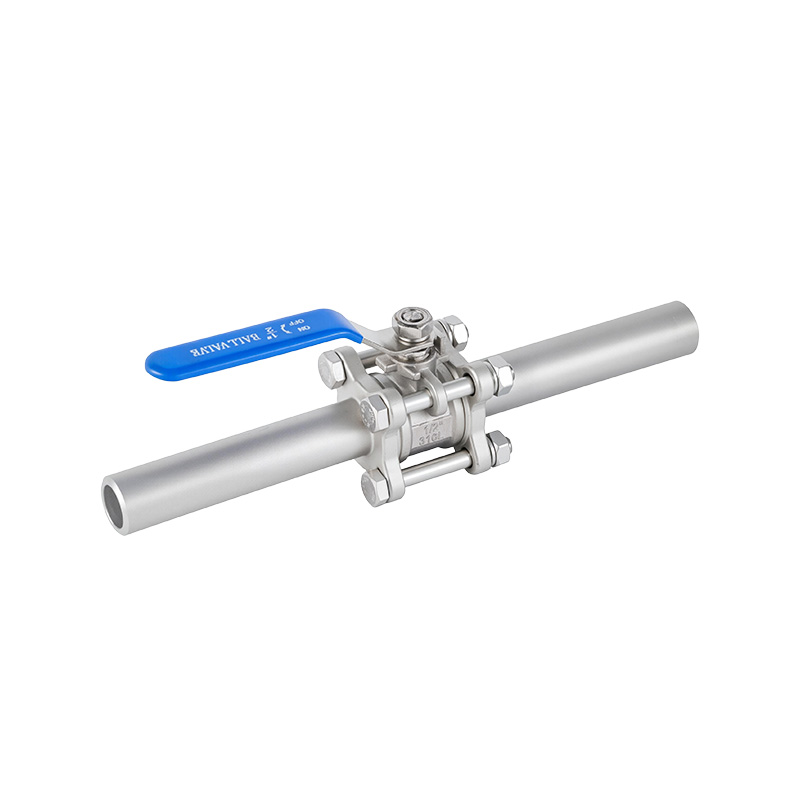
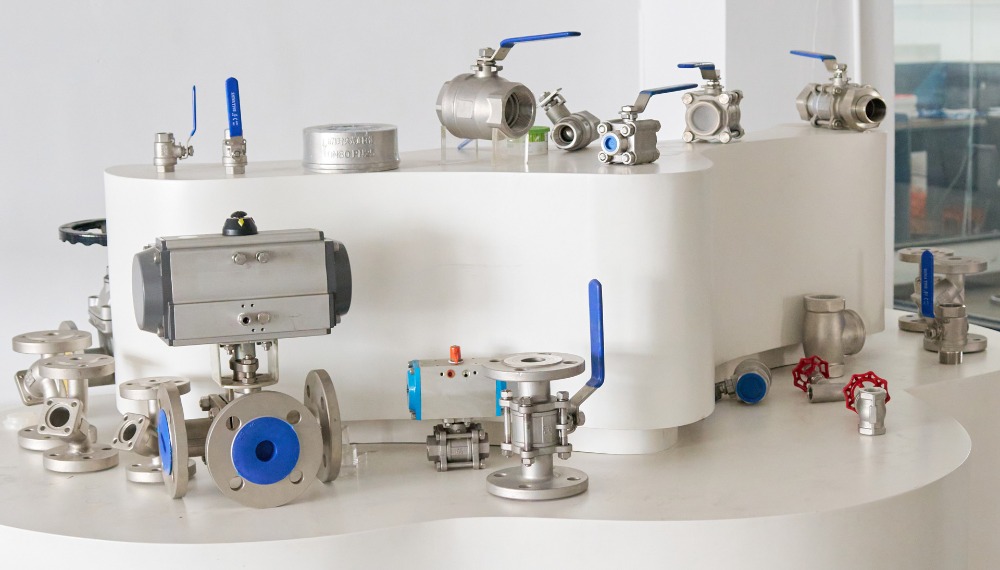
At Zhongchi Valve Group Co., Ltd., we recognize the importance of transparent manufacturing information and consistent product documentation. Our ball valves, gate valves, globe valves, check valves, and butterfly valves serve various industrial pipeline applications. European importers can benefit from establishing clear documentation requirements before confirming orders, helping reduce compliance uncertainties and improving supplier communication.
1. Why Supply Chain Transparency Matters to European Valve Importers
EU importers face several regulatory and commercial responsibilities. Their obligations depend on product classification, intended application, and the regulations applicable to individual shipments. A supplier's ability to provide accurate product records is therefore an important part of procurement risk management.
Common purchasing concerns include:
- Material origin: Buyers need information about the materials used in valve bodies, balls, stems, and other pressure-retaining components.
- Manufacturer identification: Factory details, product markings, and batch references help establish the source of supplied equipment.
- Regulatory documentation: Applicable declarations, inspection records, and conformity documents should be available for review.
- Supply chain consistency: Purchasing records should correspond with the actual products delivered.
These requirements make Traceable Industrial Valves an important consideration for buyers managing industrial projects and cross-border supply agreements.
2. Key EU Regulations Importers Should Review in 2026
Several European regulatory frameworks may affect industrial valve imports, although their scope and obligations are not identical.
Pressure Equipment Directive (PED 2014/68/EU)
The Pressure Equipment Directive establishes essential safety requirements for pressure equipment placed on the EU market within its scope. Importers must verify applicable conformity assessment procedures, technical documentation, CE marking requirements, and accompanying safety information.
Valve classification depends on factors such as pressure, nominal diameter, fluid group, and equipment category. Importers should therefore request the relevant Declaration of Conformity and supporting technical records rather than assuming every industrial valve follows identical certification requirements.
Carbon Border Adjustment Mechanism (CBAM)
CBAM entered its definitive phase on January 1, 2026. Its scope covers specified imported goods in sectors including iron and steel and aluminium. Valve buyers should review the applicable Combined Nomenclature (CN) customs classification and product scope before determining whether a particular shipment falls under CBAM obligations. Not every finished valve is automatically covered.
Corporate Sustainability Due Diligence
The EU Corporate Sustainability Due Diligence framework addresses certain companies' environmental and human rights impacts across their activities and chains of activities. Its applicability depends on company scope and the rules and implementation timetable in force. Valve suppliers may receive additional information requests from customers conducting supplier assessments, even where the supplier itself is not directly subject to the directive.
3. Essential Documents to Request from Valve Manufacturers
Document preparation should begin during technical discussions rather than after production has been completed. Zhongchi recommends that buyers establish a documentation checklist covering the following items:
- Material Test Certificates: EN 10204 3.1 certificates can provide batch-specific material inspection information for components where this documentation is required.
- Declaration of Conformity: Applicable EU conformity documentation should identify the relevant product and regulatory requirements.
- Product identification: Model numbers, nominal sizes, pressure ratings, serial numbers, and manufacturing references help connect documents with delivered valves.
- Inspection and testing records: Relevant pressure tests, dimensional inspections, and quality inspection reports support incoming goods verification.
- Manufacturer information: Company identification and production records help buyers establish supplier accountability.
4. How to Evaluate Valve Supplier Traceability
A professional supplier assessment should examine more than whether a factory can provide several certificates. Buyers should verify that the documents correspond to the ordered products and actual manufacturing records.
We recommend several practical checks:
- Compare material certificate numbers with the corresponding production batch or heat numbers.
- Check whether valve markings match the purchase order and technical specifications.
- Review whether inspection records identify the relevant product models and quantities.
- Confirm that declared materials match the components used in production.
- Maintain electronic copies of approved drawings, inspection documents, and shipment records.
EN 10204 3.1 documentation is particularly useful for connecting material test results with specific production batches. However, the required certificate type should be agreed before manufacturing, as retrospective material identification may be difficult without appropriate production records.
5. How Zhongchi Supports European Valve Procurement
At Zhongchi Valve Group Co., Ltd., we understand that international buyers require clear communication between technical specifications, manufacturing arrangements, and quality inspection. Our product range includes stainless steel and carbon steel valves for different industrial pipeline conditions.
Our ball valve configurations include material options such as CF8, CF3M, and WCB for valve bodies, with 304 and 316L options for ball components. Seat materials include PTFE and RPTFE, depending on the selected design and application requirements.
We support project discussions covering valve dimensions, pressure ratings, connection standards, material specifications, and applicable inspection requirements. Buyers can communicate their documentation expectations during the quotation stage so that relevant records can be coordinated with the production and inspection process.
6. Make Documentation Part of Your 2026 Purchasing Strategy
EU supply chain due diligence requires importers to pay attention to regulatory scope, supplier information, material records, and product conformity. A structured purchasing process helps prevent documentation gaps and makes incoming inspection more manageable.
At Zhongchi, we believe reliable industrial valve procurement begins with clear technical communication and consistent manufacturing records. European distributors, engineering contractors, and industrial buyers are welcome to contact our team with their product specifications and documentation requirements. We can discuss suitable valve configurations and the supporting information needed for their purchasing and project review processes.