


 English
 русский
 Español
 عربى
عربى Português
Zhongchi
Zhongchi
Zhongchi
Zhongchi
Zhongchi
Zhongchi
Zhongchi
Zhongchi
Zhongchi

Flanged Gate Valve for Pipelines Manufacturer
Gate valve—The gate plate serves as the closure member. It moves vertically along the seat axis to complete opening and closing action. Gate valves have obvious advantages. They feature smooth flow passage, low fluid resistance and small operating torque. They also have disadvantages. Their sealing surfaces are easy to scratch, and the opening and closing time is long. This valve has no installation direction requirement. Gate valves are generally not used for flow regulation and throttling.Gate valves are divided into rising stem gate valves and non-rising stem gate valves according to the movement mode of the valve stem.The sealing surface of hard-seated gate valve can adopt Cr13 stainless steel and hard alloy.
-
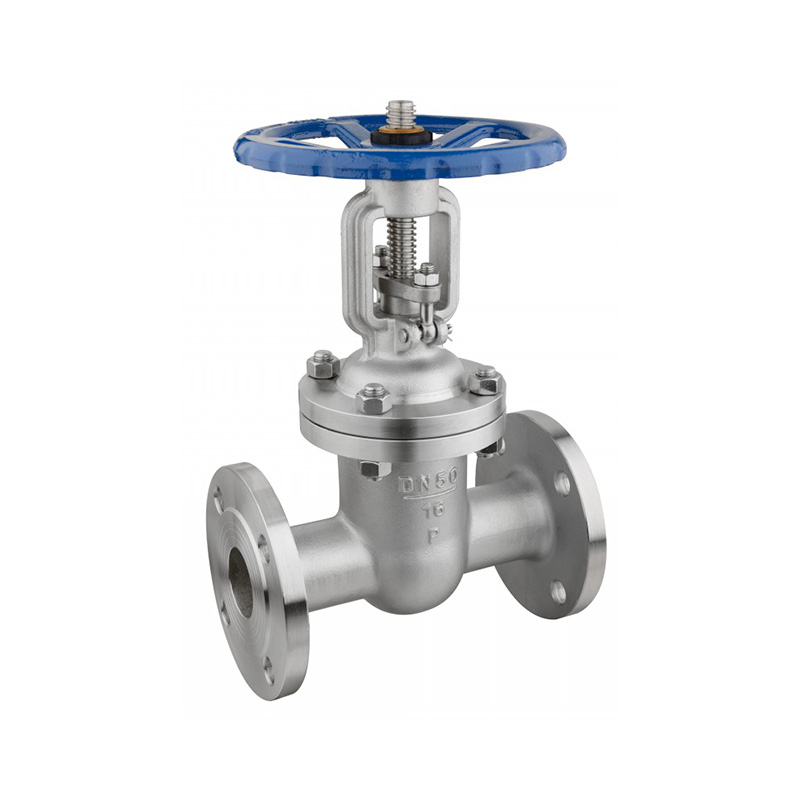

Hard-seal Rising Stem Flanged Gate Valve
-
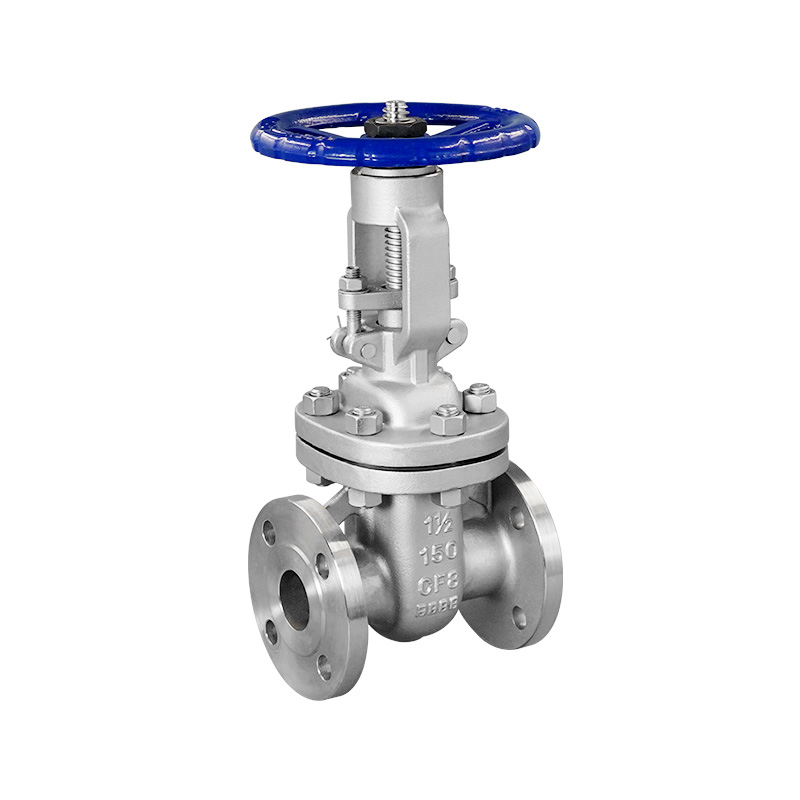
American Standard Flanged Gate Valve
-
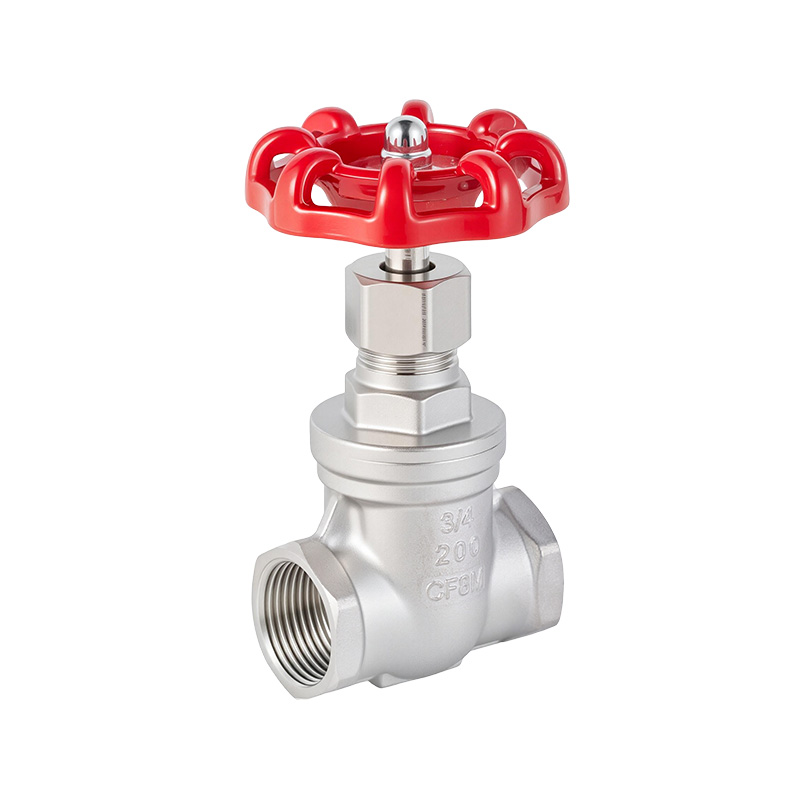
Threaded Gate Valve
-
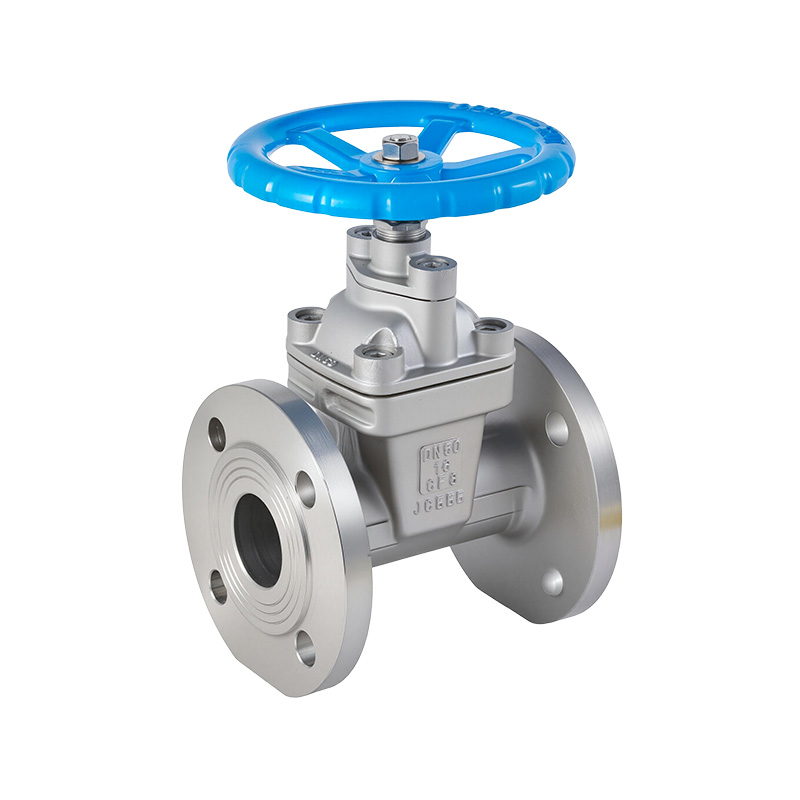
Non-rising Stem Resilient Seated Gate valve
-
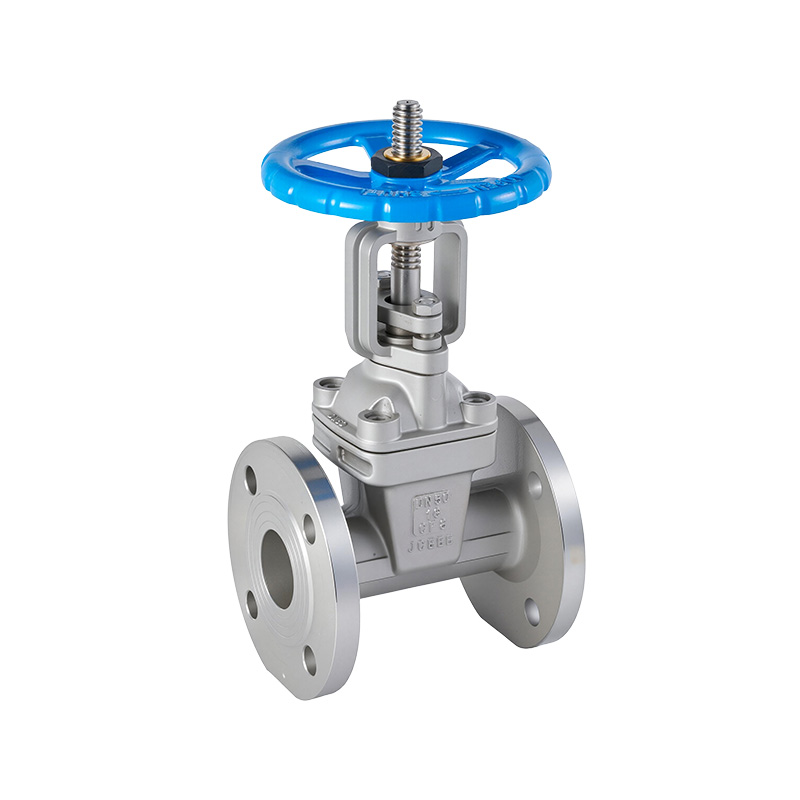
Rising Stem Resilient Seated Gate Valve
-
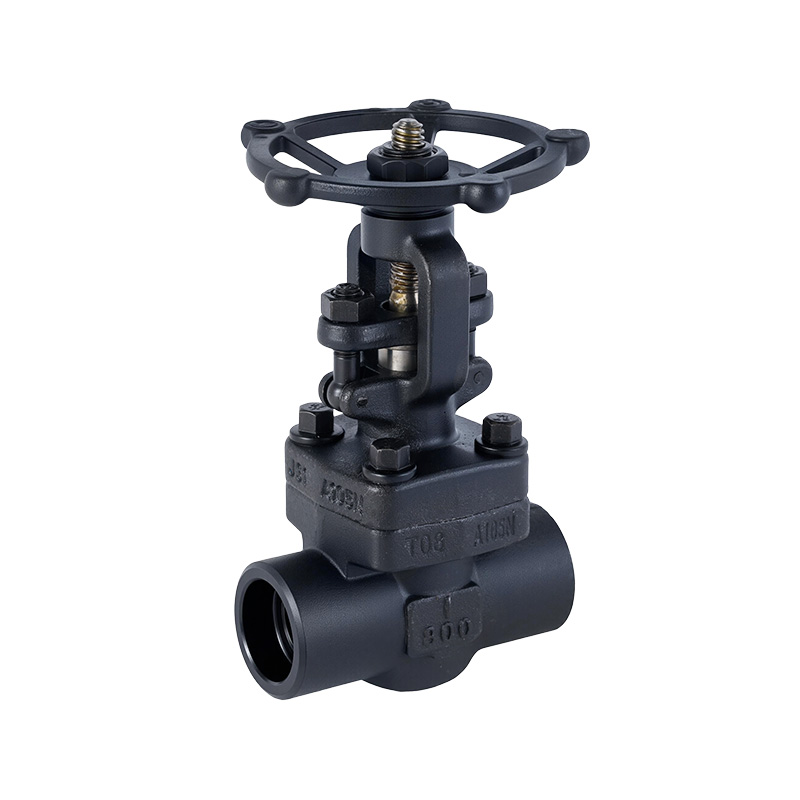
Forged Steel Gate Valve
-
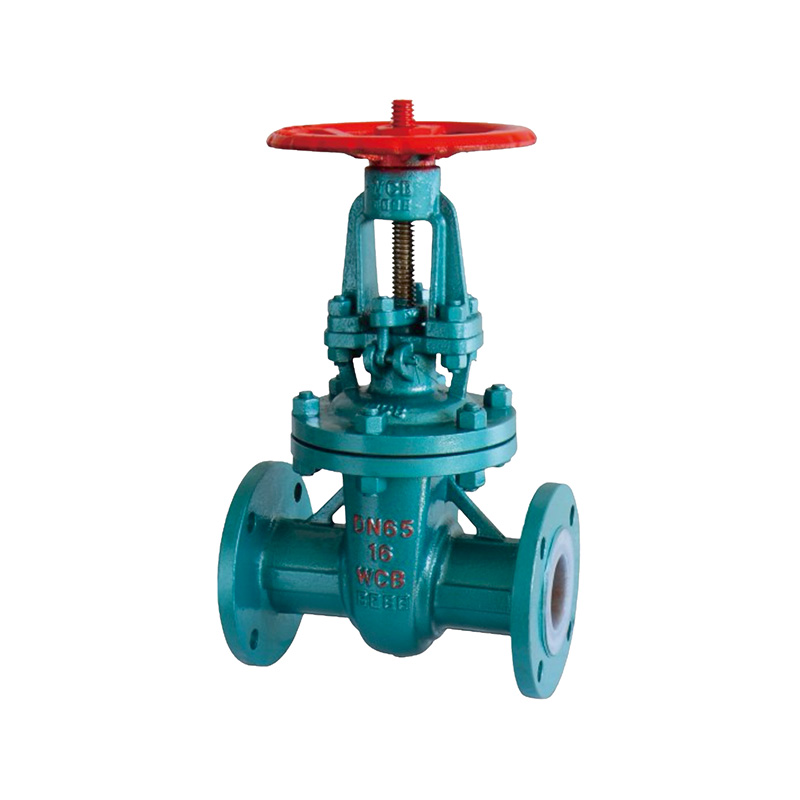
Fluorine Lined Flanged Gate Valve
About Us
Zhongchi Valve Group Co., Ltd.
Zhongchi Valve Group Co., Ltd. was established in April 2008. The company is a valve manufacturing enterprise that integrates design, development, production, and sales. It is located in the Binhai Industrial Park of Wenzhou Economic and Technological Development Zone.
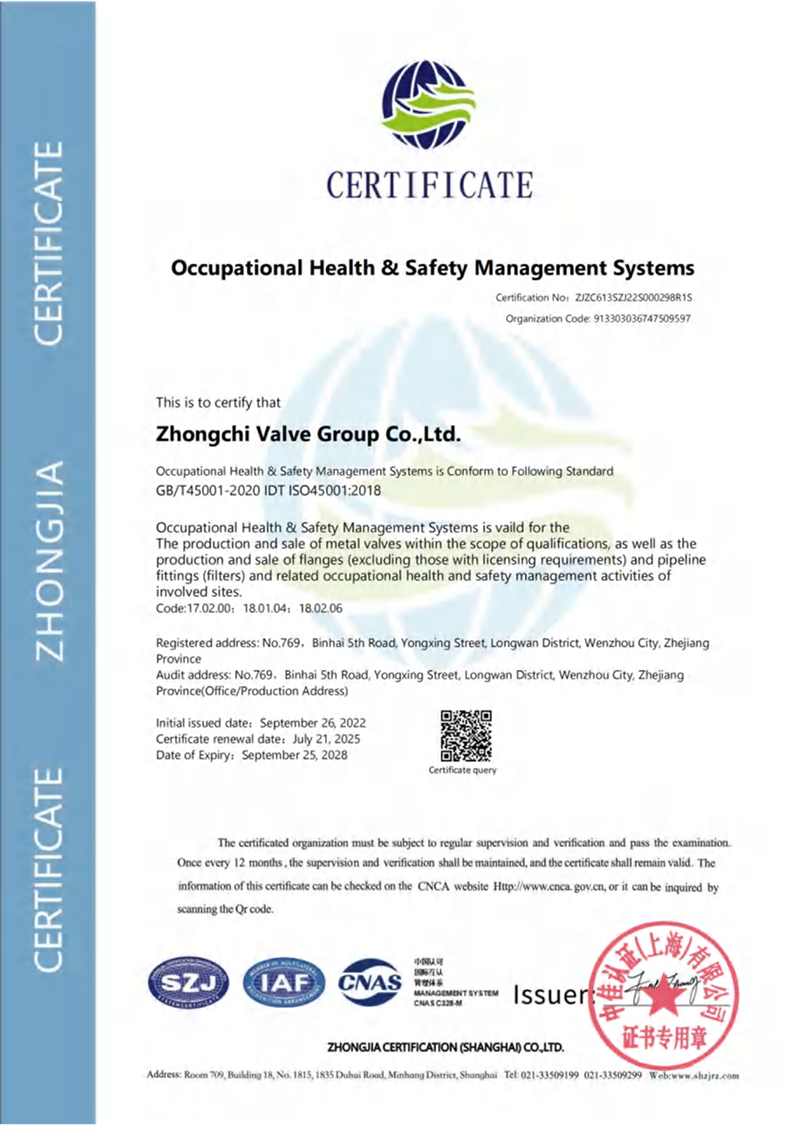
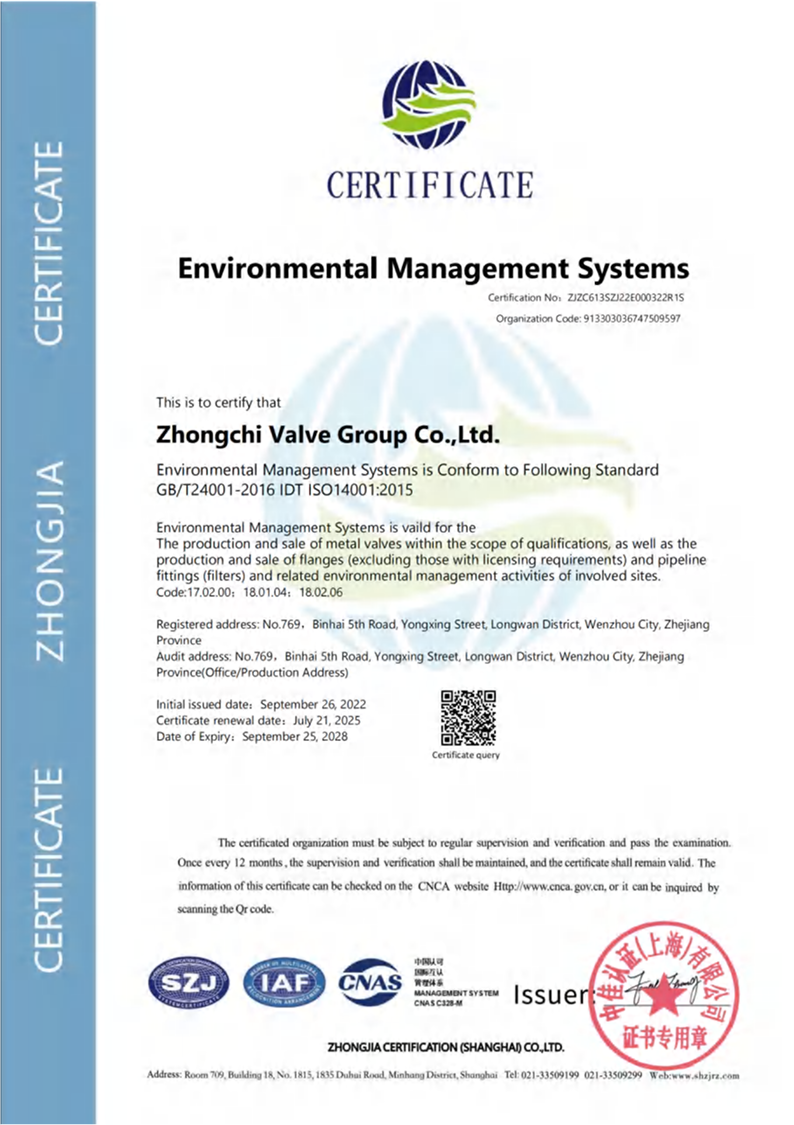
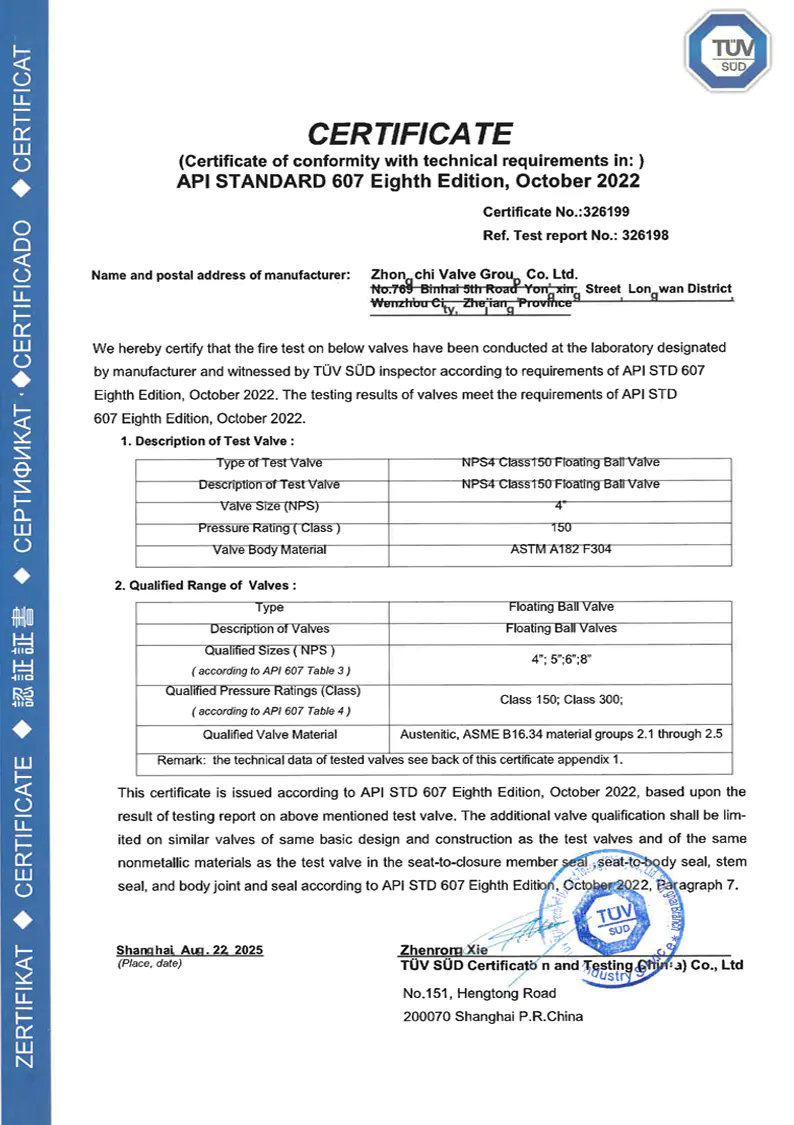
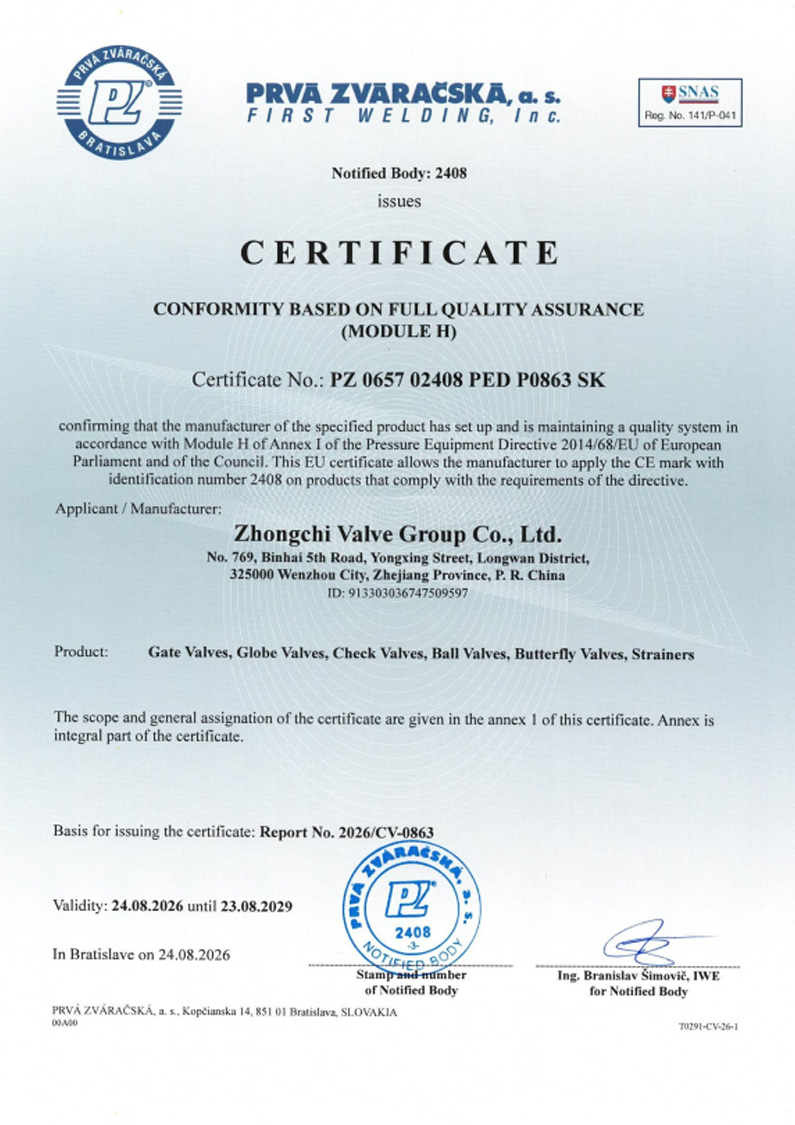
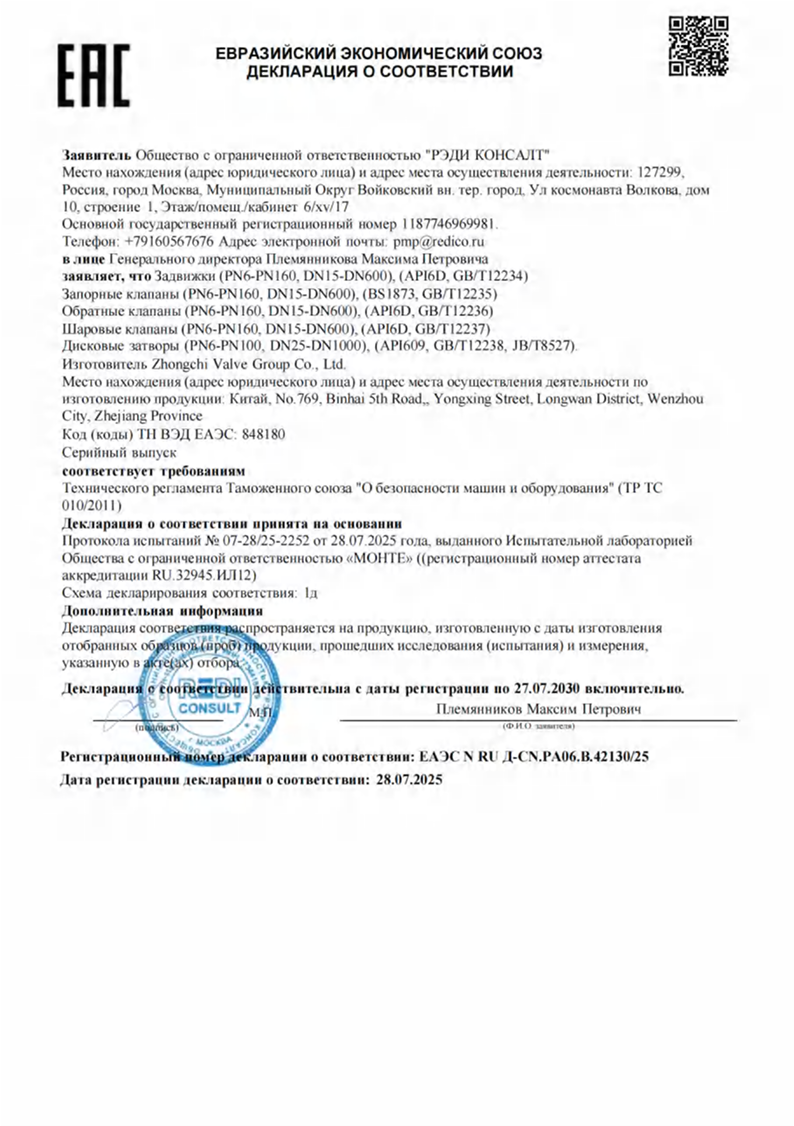
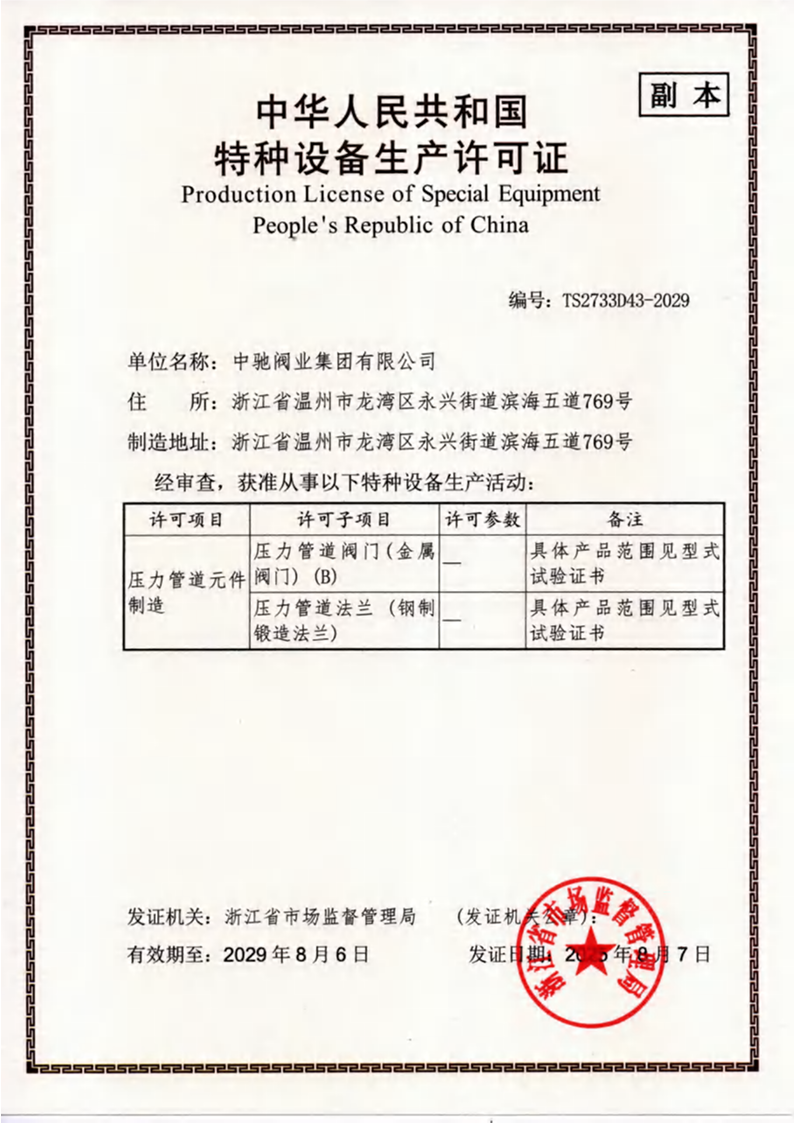
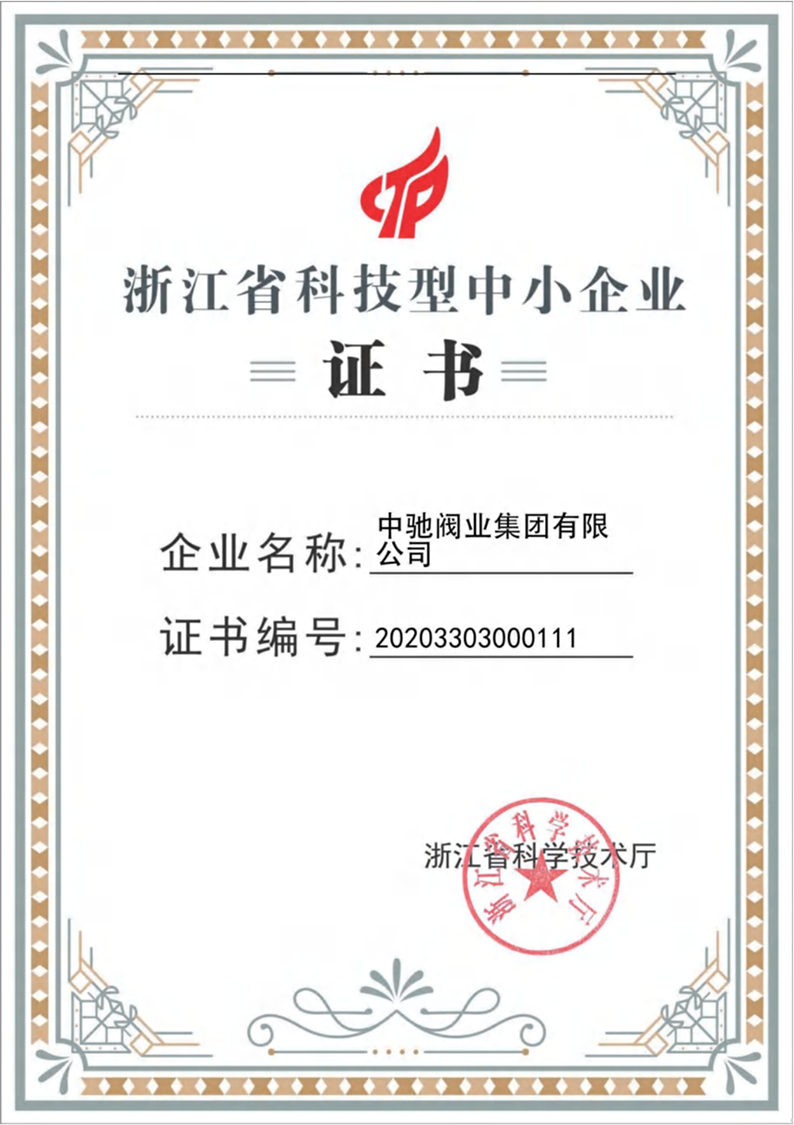
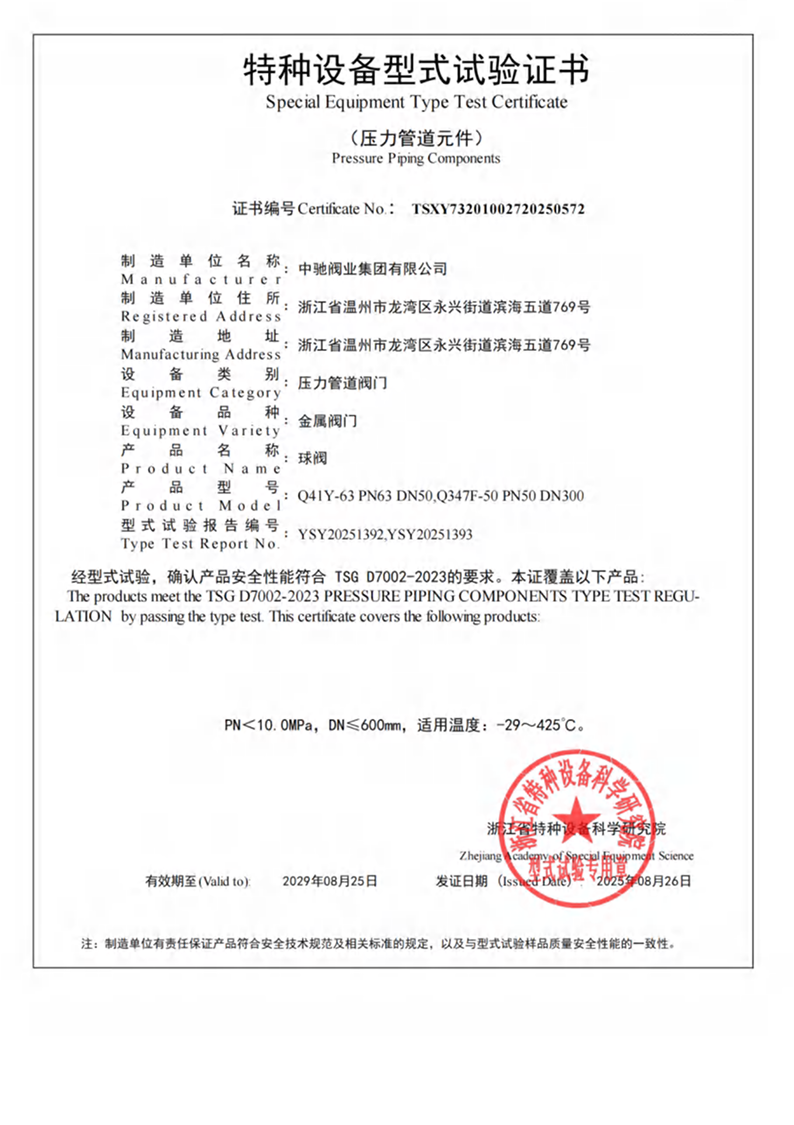
We provide customers with reliable quality assurance through advanced technology and scientific management, offers services with a complete range of products and a short delivery time, and strives to achieve the corporate goal of "building an excellent enterprise and creating a brand in the industry". The company has successively obtained ISO9001 international quality management system certification, ISO14001 environmental management system certification, ISO45001 occupational health and safety management system certification, special equipment manufacturing production license TS certification, CE certification, EAC certification, API607 fire protection certification, and has been recognized as a small and medium-sized technology enterprise in Zhejiang Province and a national high-tech enterprise.
The company's main products include ball valves, gate valves, globe valves, check valves, filters, butterfly valves, etc. These products are widely used in various industries such as petroleum, chemical, natural gas, light industry, electric power, pharmaceuticals, dyes, metallurgy, fiber, leather making, textile, food, military, construction engineering, refrigeration, water supply, and more.
We provide customers with reliable quality assurance through advanced technology and scientific management, offers services with a complete range of products and a short delivery time, and strives to achieve the corporate goal of "building an excellent enterprise and creating a brand in the industry". The company has successively obtained ISO9001 international quality management system certification, ISO14001 environmental management system certification, ISO45001 occupational health and safety management system certification, special equipment manufacturing production license TS certification, CE certification, EAC certification, API607 fire protection certification, and has been recognized as a small and medium-sized technology enterprise in Zhejiang Province and a national high-tech enterprise.
The company's main products include ball valves, gate valves, globe valves, check valves, filters, butterfly valves, etc. These products are widely used in various industries such as petroleum, chemical, natural gas, light industry, electric power, pharmaceuticals, dyes, metallurgy, fiber, leather making, textile, food, military, construction engineering, refrigeration, water supply, and more.
Stay Connected, Insights & Innovation from Zhongchi
-
 Industry News
 2026.09.25
Oil and gas valve procurement involves technical requirements that go well beyond valve size and pur...
2026.09.25
Oil and gas valve procurement involves technical requirements that go well beyond valve size and pur... -
Industry News
2026.09.25
Mesh size has an effect on what a Y‑type Flanged Strainer can retain. A finer mesh does not automati...
-
Industry News
2026.09.18
Ball valve procurement for oil, gas, chemical, and process applications involves more than choosing ...
-
Industry News
2026.09.18
Vertical piping creates a different operating condition for a check valve. Gravity affects the movem...
-
Industry News
2026.09.11
Three-way ball valves give piping systems more routing options without requiring separate valves for...
-
Industry News
2026.09.11
Global valve sourcing often involves several manufacturing regions, with China, India, and Korea ser...
Certificate Of Honor
Industrial Guide to Flanged Gate Valves in Stainless Steel
Stainless steel flanged gate valves are a common feature of industrial piping. They are the workhorses for isolation, prized for their reliable shut-off and durable construction. But to get the best performance and longevity out of these valves, it pays to know their specifics: what they are, how to install them, and how to keep them running in extreme conditions.
What is a Stainless Steel Flanged Gate Valve and What Is Its Main Purpose?
At its core, a stainless steel flanged gate valve is a linear motion valve used to start or stop the flow of fluid in a pipeline. The "gate", a wedge-shaped disc, moves up and down to either allow flow or block it entirely.
Structure and Material
The valve's key components include the body, a gate (wedge), a seat, and a stem. The "stainless steel" designation, often using grades like CF8M (316 stainless steel), provides excellent corrosion resistance, making it suitable for handling aggressive chemicals, high-temperature steam, and corrosive liquids. The "flanged" ends refer to the method of connection, which uses bolted flanges for a secure, leak-tight joint.
Main Purpose
Its primary purpose is isolation. It is designed to be either fully open or fully closed, providing a tight seal and low fluid resistance when fully open. Common applications include chemical processing, oil and gas transmission, power generation, and water treatment.
How Do I Install, Maintain, and Repair a Flange Gate Valve?
Installation
A proper installation is the first step toward a reliable valve.
- Pre-installation: Before installation, it is critical to clean the inside of the valve and ensure the flanges are free of dirt or debris. Confirm that the valve's pressure and temperature ratings match your system's requirements.
- Orientation: Standard gate valves are bidirectional, meaning they can be installed in either flow direction. However, the orientation of the stem matters. The preferred installation is with the stem vertical (handwheel on top) to prevent debris from accumulating in the bonnet. For horizontal pipelines, ensure the valve is positioned for easy access to the handwheel.
- Flange Torque: When bolting the valve to pipeline flanges, follow the correct torque sequence and specifications to ensure a leak-free connection without overstressing the valve body.
Maintenance
Regular maintenance extends valve life and prevents failures.
- Routine Checks: Perform visual inspections for signs of leakage, corrosion, or damage.
- Lubrication: Keep the valve stem lubricated to ensure smooth operation and reduce wear.
- Operation: Always operate the gate valve either fully open or fully closed. It is not designed for throttling, and using it to regulate flow can cause premature seat wear. Turn the handwheel slowly without using excessive force.
Common Repairs
| Common Issue | Potential Cause | Typical Repair Action |
| Leakage | Worn seals or damaged sealing surface. | Re-seat or replace the gate or seat rings. |
| Difficult Operation | Corroded or bent stem, lack of lubrication. | Clean and lubricate the stem; straighten or replace a damaged stem. |
How Do You Insulate a Flanged Gate Valve in Cold or Hot Environments?
In processes handling media that are sensitive to temperature, standard valves can struggle. For these applications, a specialised thermal insulation gate valve (also known as a jacketed gate valve) is the best solution.
The Jacketed Design
The valve body is integrated with a closed jacket cavity that is welded between its flanges. This jacket features connection ports for a heating or cooling medium.
How It Works
- For hot environments (to prevent solidification): steam or heat-conducting oil is circulated through the jacket. This maintains the viscosity of high-temperature media like heavy oil, asphalt, or resin, preventing them from solidifying and blocking the valve.
- For Cold Environments (to prevent freezing): The same jacket can be used with a refrigerant or low-temperature coolant to prevent the medium from freezing and expanding, which could damage the valve.
Key features of these insulated valves include:
- Efficient Performance: The full-wrapped design minimizes heat loss and keeps the medium within its required temperature range.
- Energy Savings: By keeping the medium hot, it prevents the energy waste associated with uninsulated "hot spots" on the valve body.
- Safety: The insulation jacket lowers the external surface temperature, reducing the risk of burns for operators.
Get a Free Quote
Quick Links
Products
Contact Information
-
 +86-13396775805
-
 +86-577-86934868
-
 cn@cnchivalve.com
-
 No. 769, Binhai 5th Road, Yongxing Street, Longwan District, Wenzhou City, Zhejiang Province, China
Copyright © Zhongchi Valve Group Co., Ltd.All rights reserved.
 Industrial Pipeline Valve Manufacturer