


 English
 русский
 Español
 عربى
عربى Português
Zhongchi
Zhongchi
Zhongchi
Zhongchi
Zhongchi
Zhongchi
Zhongchi
Zhongchi
Zhongchi
Low purchase prices can look attractive during industrial procurement, but the initial invoice rarely represents the full cost of a valve throughout its service life. A small leak may waste process media, require emergency repairs, interrupt production, and increase inspection workloads. At Zhongchi, we understand that dependable fluid control depends on more than the price printed on a quotation. The valve structure, sealing materials, manufacturing quality, operating conditions, and maintenance requirements all influence the long-term cost of ownership.
Our industrial valves are designed for different fluid control requirements across industrial applications. By examining the potential costs behind leakage, buyers can make purchasing decisions based on application suitability and operating expenses rather than unit price alone.
1. How a Small Valve Leak Creates Large Operating Expenses
A valve leak may appear minor during a routine inspection, yet the financial impact can accumulate over weeks or months. The actual cost depends on the fluid, leakage rate, operating schedule, repair requirements, and consequences for the surrounding process.
- Lost process media: Water, oil, compressed gases, solvents, and chemical solutions have different replacement costs. A continuous leak can create recurring material losses throughout every operating shift.
- Additional labor: Maintenance technicians must identify the leak source, isolate the relevant pipeline, replace damaged components, and verify sealing performance after repairs.
- Production interruption: Certain valves cannot be serviced without shutting down part of the process. Lost production hours may represent a greater expense than the replacement valve itself.
- Environmental and safety exposure: Escaping chemicals, combustible fluids, or hazardous gases may require containment, cleanup, monitoring, and additional safety measures.
- Secondary equipment damage: Leakage can affect nearby electrical equipment, insulation, bearings, floors, or other components, depending on the fluid and installation environment.
These expenses should be evaluated together. A valve that costs less at purchase may become more expensive over its service period if it requires repeated intervention or causes avoidable process losses.
2. Internal Leakage and External Leakage Require Different Responses
At Zhongchi, we consider the location of a leak an important starting point for technical assessment. Internal leakage and external leakage involve different failure mechanisms, so maintenance teams should identify the affected sealing area before deciding on corrective action.
Internal leakage across the valve seat
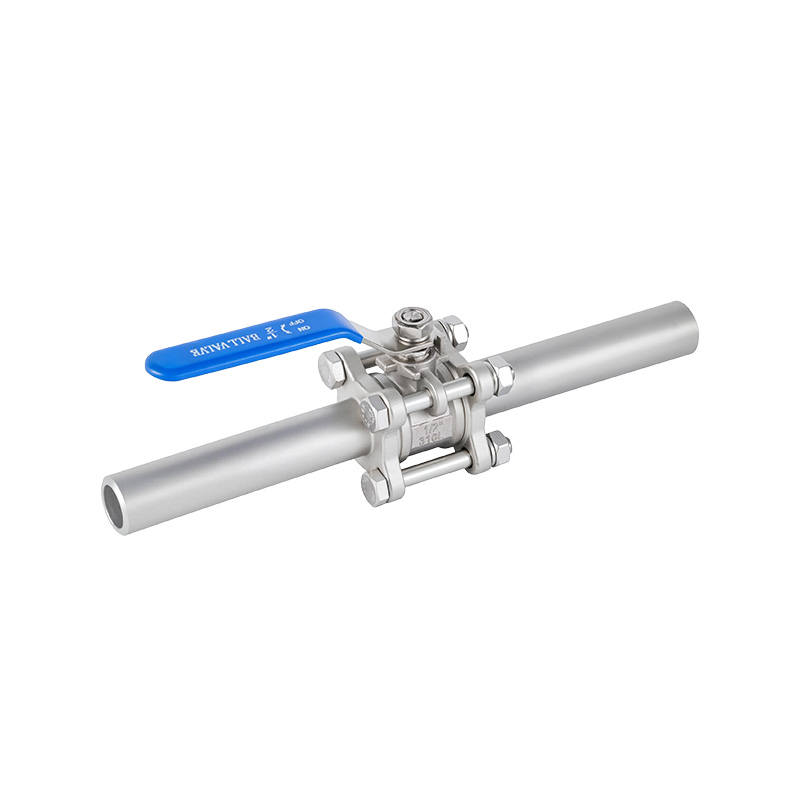
Internal leakage occurs when fluid passes through a closed valve instead of being fully isolated. In a ball valve, the sealing interface between the ball and seat is particularly important. Seat wear, embedded particles, chemical incompatibility, or unsuitable operating conditions can compromise shutoff performance.
- Check whether the valve is designed for isolation or throttling duty.
- Inspect the ball and seat for scratches, deformation, deposits, or erosion.
- Confirm that the seat material is compatible with the process medium and temperature.
- Verify the required shutoff performance against the applicable project specification.
External leakage around the stem or body connection
External leakage occurs as fluid escapes into the surrounding environment. Common locations include the stem packing, body joints, bonnet connections, and flange interfaces. Damaged packing, deteriorated gaskets, uneven bolt loading, or installation stress may contribute to the problem.
Maintenance personnel should determine whether the leak originates from the valve pressure boundary or from a nearby pipeline connection. Tightening fasteners without identifying the cause can worsen a damaged gasket or create additional mechanical stress.
3. Why Valve Construction and Sealing Materials Matter
A low-priced valve is not automatically unreliable, and a higher-priced product is not automatically suitable for every application. The relevant question is whether the construction and materials match the actual service conditions.
Body and internal component materials
Stainless steel grades such as 304 and 316 are used in different industrial environments because of their corrosion resistance characteristics. Carbon steel may suit other services based on pressure, temperature, fluid composition, and project requirements. The correct specification depends on the complete operating environment rather than body material alone.
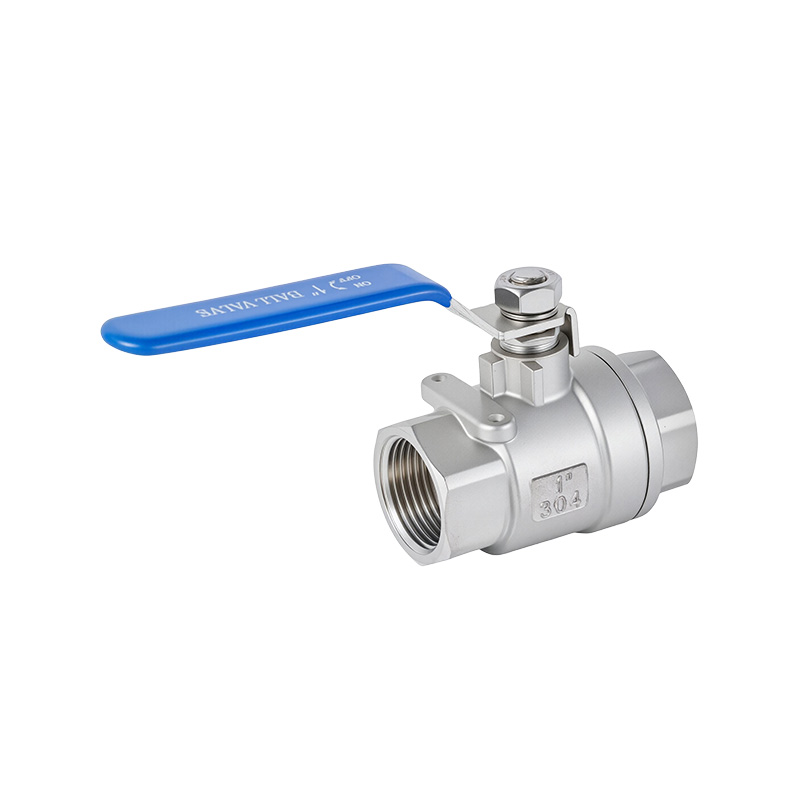
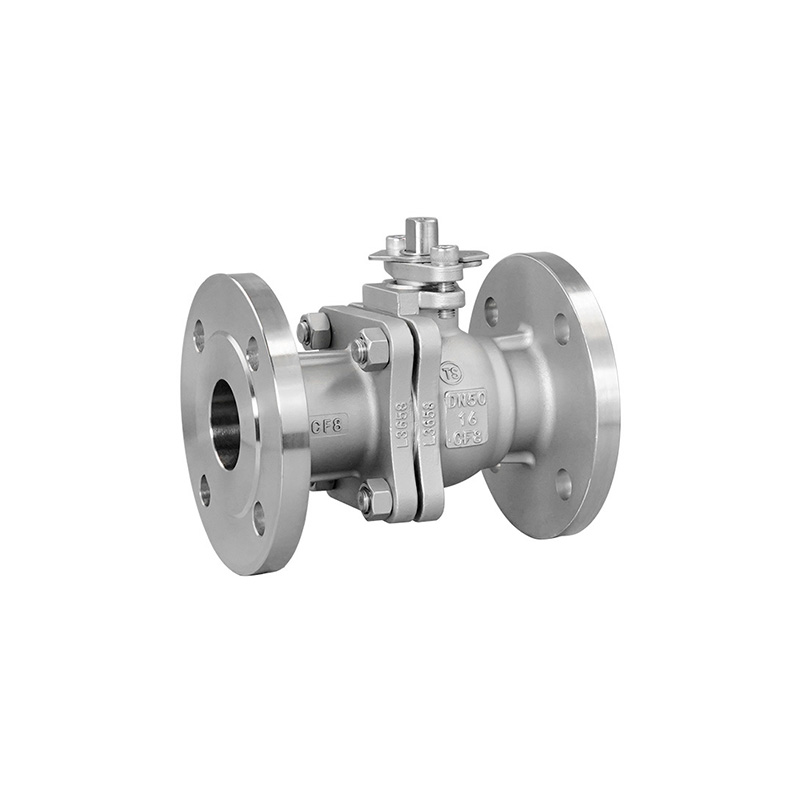
For example, a stainless steel ball valve may incorporate a CF8 or CF8M body, a stainless steel ball, and polymer seats. These components have different functions and should be evaluated separately. Stainless steel construction does not eliminate the possibility of seat wear, gasket deterioration, or chemical attack on non-metallic parts.
Seat, packing, and gasket selection
- PTFE seats: Commonly used in ball valves for applications requiring low friction and chemical compatibility. Actual suitability depends on the medium, pressure, temperature, and design.
- Reinforced PTFE seats: May provide different mechanical characteristics from standard PTFE and should be specified according to operating conditions.
- Flexible graphite packing: Used in certain applications requiring resistance to elevated temperatures, subject to the valve design and service requirements.
- Gaskets and O-rings: Their chemical compatibility, temperature range, and compression characteristics affect the integrity of static sealing points.
At Zhongchi, we recommend confirming the material specifications of the body, ball, seat, stem packing, and gaskets before an order is finalized. A suitable combination helps reduce the risk of premature deterioration and repeated maintenance.
4. Calculate the Cost of a Valve Leak Before It Becomes a Recurring Expense
Plant managers can estimate the direct financial impact of a leak by combining fluid loss, repair expenditure, and production interruption. The calculation should use measured or reasonably established operating data rather than an assumed leakage rate.
Illustrative annual fluid-loss calculation:
- Leakage rate: 0.1 liter per minute
- Operating time: 16 hours per day
- Operating days: 300 days per year
- Fluid value: US$2 per liter
Estimated annual fluid loss = 0.1 × 60 × 16 × 300 = 28,800 liters.
Estimated annual fluid value lost = 28,800 × US$2 = US$57,600.
This simplified example illustrates the potential cost of continuous leakage. It is not a prediction for every valve installation. Actual losses depend on the measured leak rate, fluid characteristics, operating pressure, and recovery arrangements. Repair labor, replacement components, downtime, and disposal costs would need to be calculated separately.
A useful total-cost formula is:
Total leakage cost = Lost fluid value + Inspection and repair costs + Downtime costs + Cleanup and disposal costs + Other documented losses.
Using this method allows procurement and maintenance teams to compare the initial valve price with the potential financial consequences of recurring failures.
5. What Buyers Should Check Before Ordering Industrial Ball Valves
Price comparisons become more meaningful once the technical requirements are clearly defined. Zhongchi encourages buyers to prepare an application specification that covers the operating conditions and the expected inspection requirements.
- Operating pressure: State the normal and design pressure. Confirm the applicable pressure rating for the specified valve size and material.
- Temperature range: Provide normal operating temperature, expected temperature variation, and any relevant startup or shutdown conditions.
- Process medium: Identify the fluid composition, concentration, viscosity, solids content, and potential corrosive properties.
- Valve design: Specify the required port configuration, body construction, end connection, operation method, and installation space.
- Sealing performance: Define the required leakage acceptance criteria and applicable inspection or testing standard.
- Documentation: Confirm the availability of material records, dimensional drawings, pressure-temperature information, and inspection reports required by the project.
- Maintenance access: Evaluate whether seats, packing, or other serviceable components can be inspected or replaced under the planned maintenance arrangement.
Buyers should also request clarification on the scope of factory testing. Hydrostatic shell testing and seat leakage testing serve different purposes, and the acceptance criteria depend on the applicable standard and product specification. A clear testing agreement helps both parties understand what the supplied valve has been verified to meet.
6. Reduce Repeat Failures Through Maintenance Planning
Even a properly specified valve requires inspection and appropriate operation. Zhongchi recommends establishing a maintenance plan based on the service conditions, valve function, and consequences of failure.
- Record leakage observations: Document the leak location, operating conditions, fluid type, and any change in leakage rate.
- Investigate recurring failures: Compare replaced parts and inspection findings to identify patterns involving corrosion, wear, contamination, or installation conditions.
- Follow operating limits: Keep pressure and temperature within the specified range and use the valve for its intended service.
- Use controlled repair procedures: Isolate and depressurize the system before maintenance, following site safety procedures and the manufacturer's instructions.
- Verify performance after repair: Apply the required inspection and testing procedures before returning the equipment to service.
Recurring leakage should trigger a review of the complete installation, not just repeated replacement of the same seal. A damaged stem, unsuitable material, misaligned pipeline, or incorrect operating practice may remain unresolved unless the underlying cause is identified.
7. How Zhongchi Helps Buyers Evaluate Valve Value
At Zhongchi, we manufacture valves for industrial applications that include petroleum, chemical processing, natural gas, power, water supply, and other fluid handling systems. Different applications require different combinations of body materials, internal components, connection types, pressure ratings, and sealing arrangements.
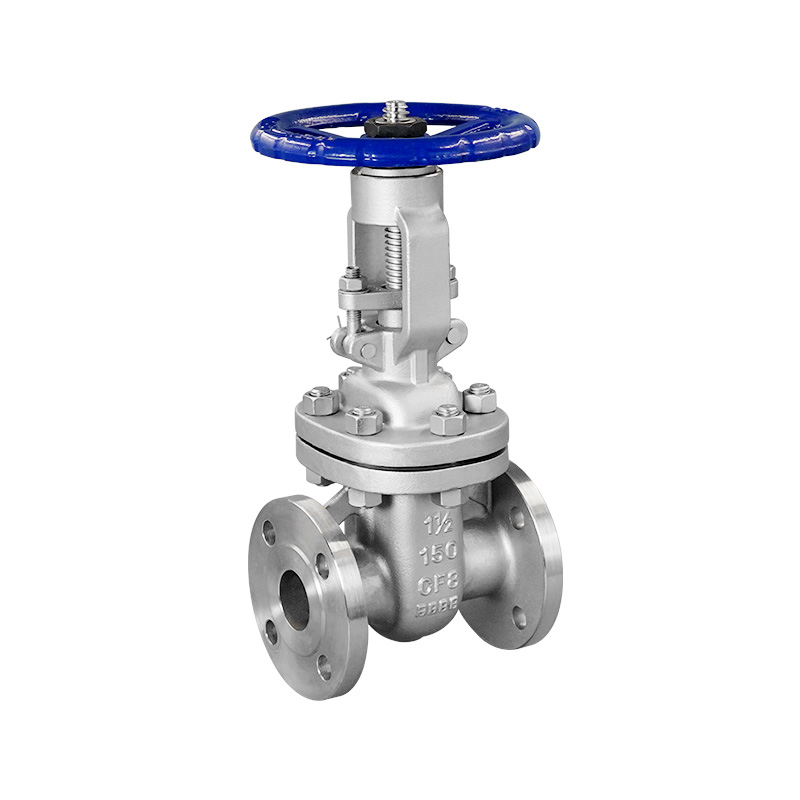
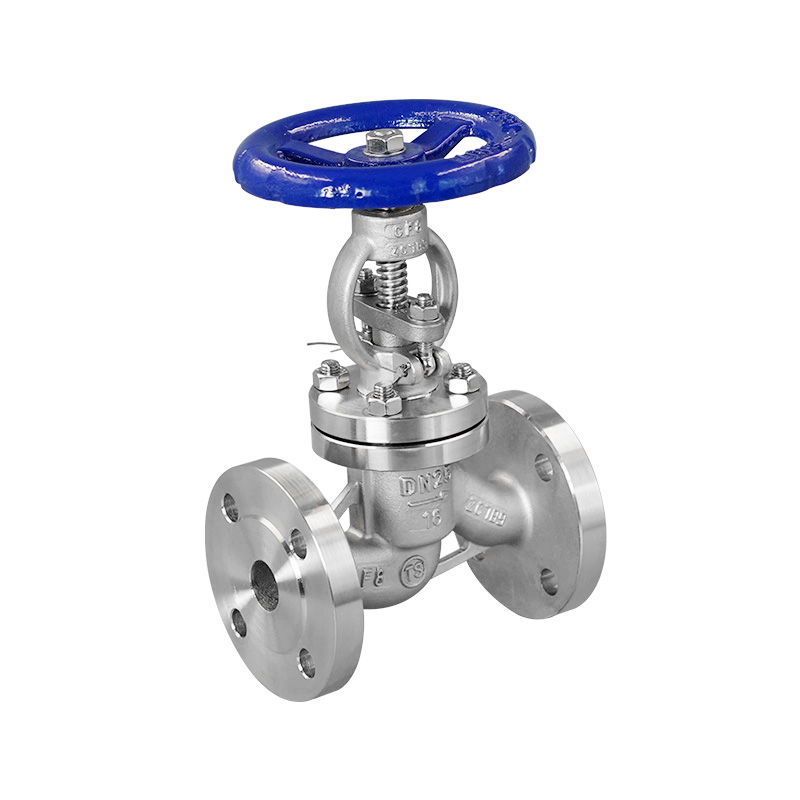
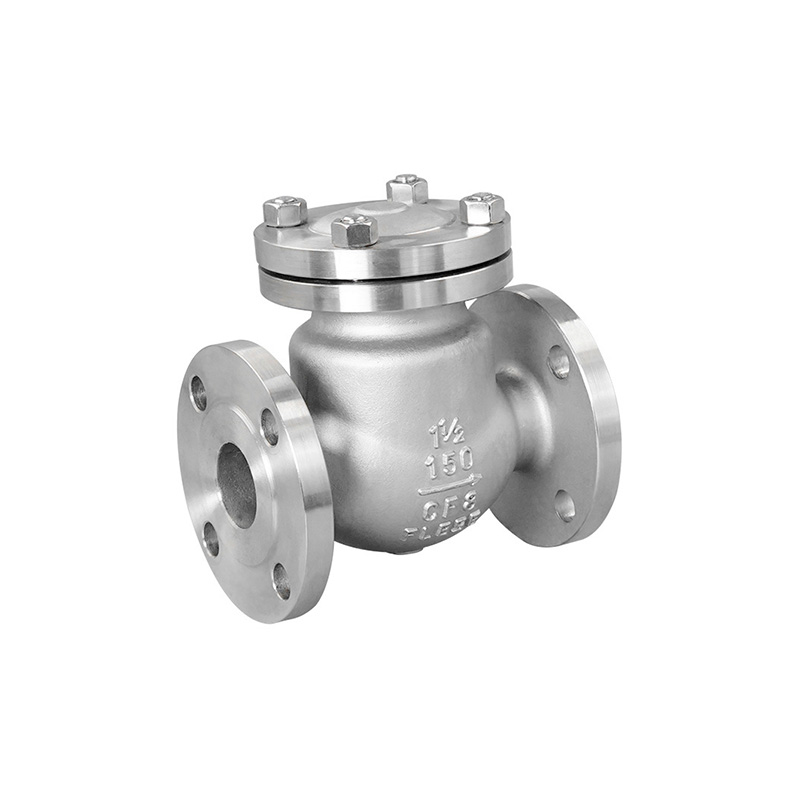
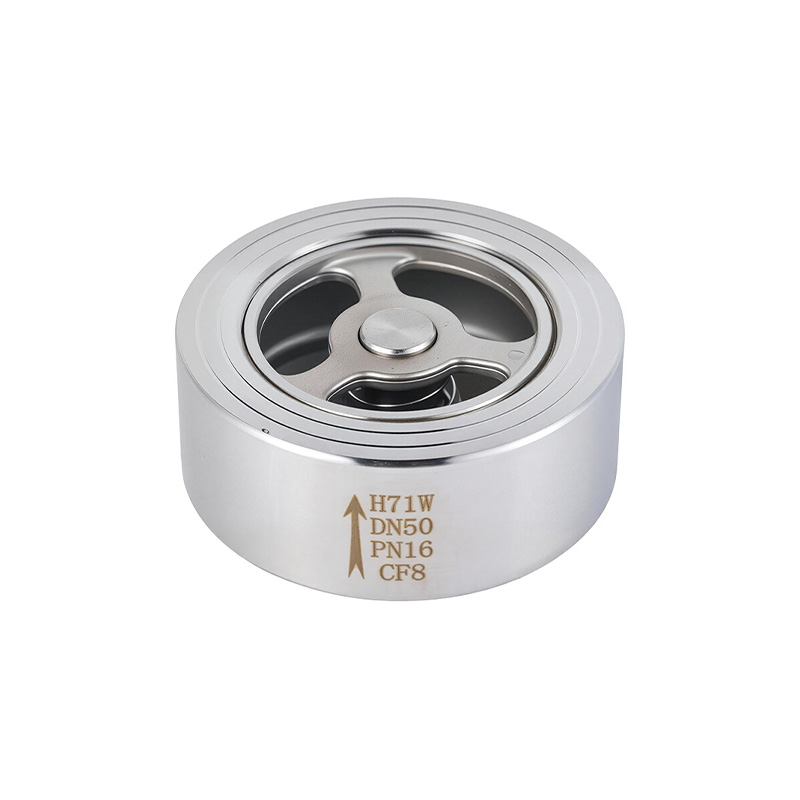
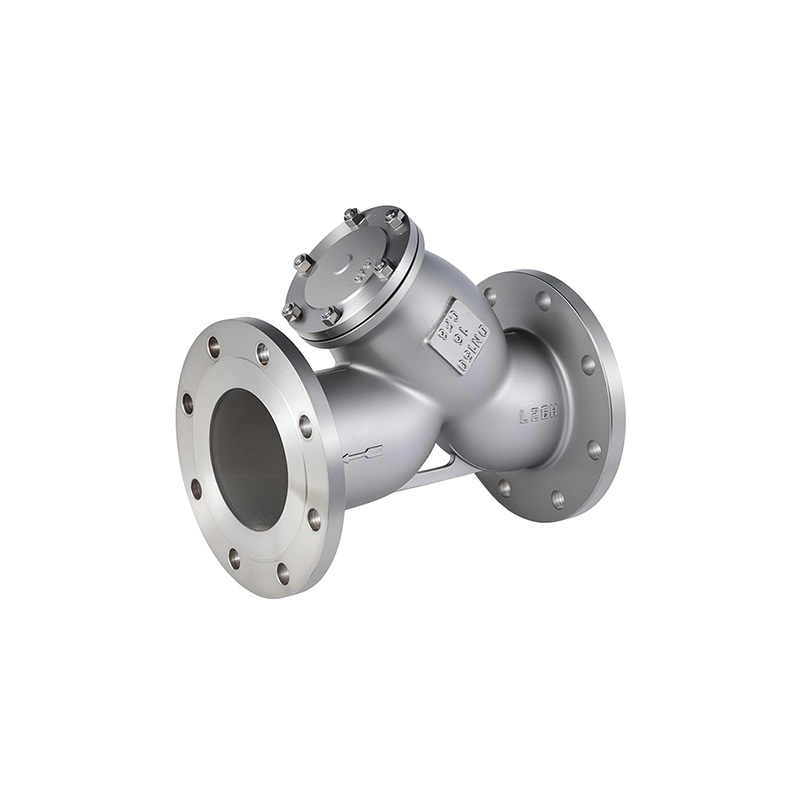
Our product range includes ball valves, gate valves, globe valves, check valves, butterfly valves, and filters. We encourage buyers to provide their technical requirements so that the proposed product configuration can be assessed against the intended application.
During procurement discussions, buyers can clarify:
- Whether the proposed valve design matches the required isolation or flow-control duty.
- Which body, seat, stem, and packing materials are available for the specified service.
- Which inspection standards and acceptance criteria apply to the order.
- What maintenance procedures and replacement components are relevant to the selected construction.
These discussions help establish a transparent technical basis for comparing quotations. Rather than evaluating a valve solely by its purchase price, buyers can consider material suitability, verified test results, maintenance requirements, and the cost of potential process interruptions.
Evaluate the Cost Behind Every Valve
A single leak can consume resources through fluid loss, maintenance labor, production interruption, and additional safety measures. The financial impact varies by application, but the principle remains the same: purchase price is only one part of the ownership cost.
Zhongchi encourages industrial buyers to assess valve construction, sealing materials, pressure and temperature ratings, testing requirements, and maintenance access before making a purchasing decision. A clearly defined specification helps reduce avoidable mismatches and supports more informed supplier comparisons.
Need help matching a valve to your operating conditions? Contact Zhongchi with your medium, pressure, temperature, connection type, and project requirements. Our team can discuss suitable valve configurations and the technical information needed to evaluate them for your application.