


 English
 русский
 Español
 عربى
عربى Português
Zhongchi
Zhongchi
Zhongchi
Zhongchi
Zhongchi
Zhongchi
Zhongchi
Zhongchi
Zhongchi

Flanged Ball Valve Maker
Flanged ball valves utilize a flanged connection, securing the valve body to the pipeline via bolts; this ensures a robust installation and superior sealing integrity, effectively eliminating potential leakage hazards. They are ideally suited for complex operating environments involving high pressure, high temperature, and high flow rates. Featuring a classic floating or trunnion-mounted ball design, these valves enable rapid 90-degree actuation. Operation is light and swift, characterized by short opening/closing times and precise control, allowing for the instantaneous cutoff or flow of the medium—thereby significantly enhancing the efficiency of pipeline operation and maintenance.
-
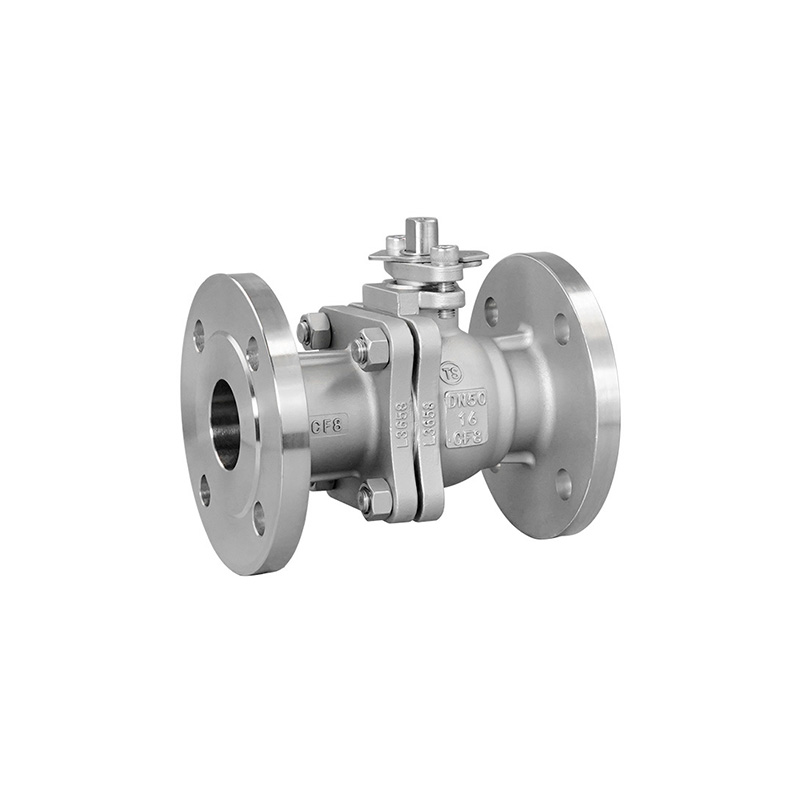

Soft-seal Floating Flange Ball Valve
-
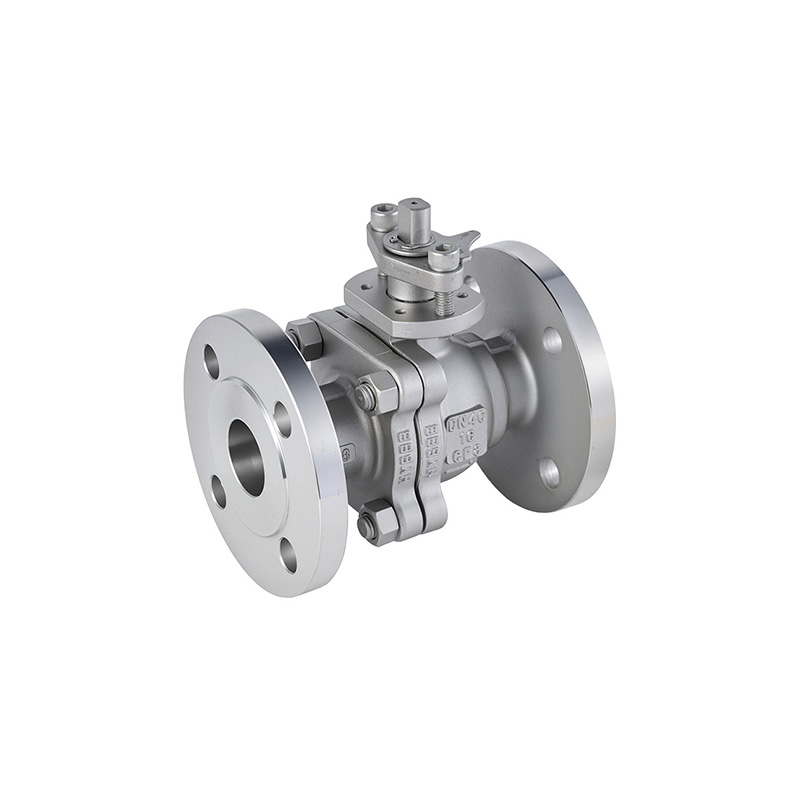
Hard Sealed Floating Flange Ball Valve
-
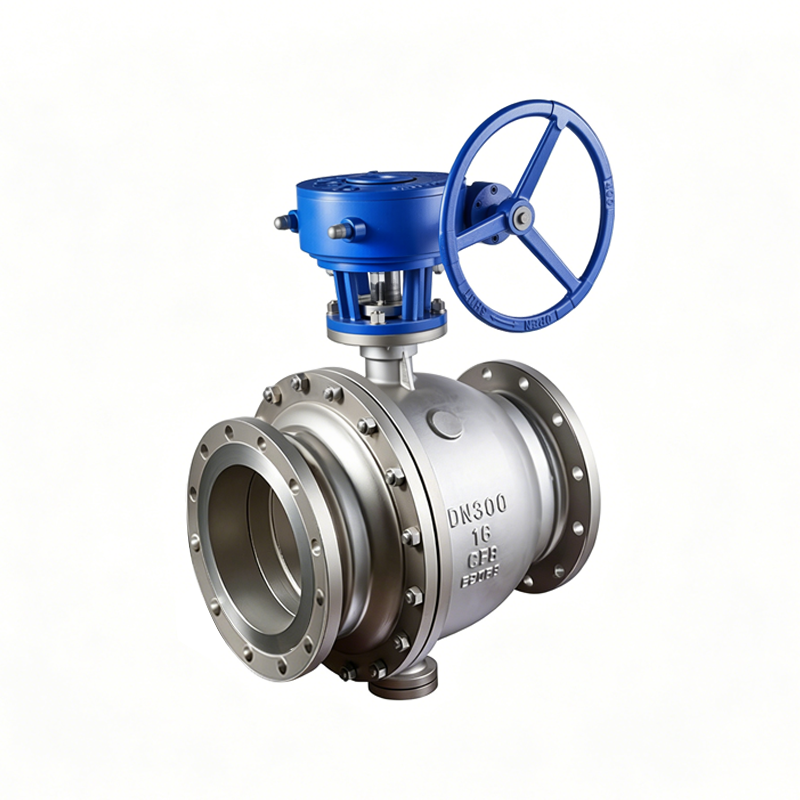
Soft Sealed Trunnion Flange Ball Valve
-
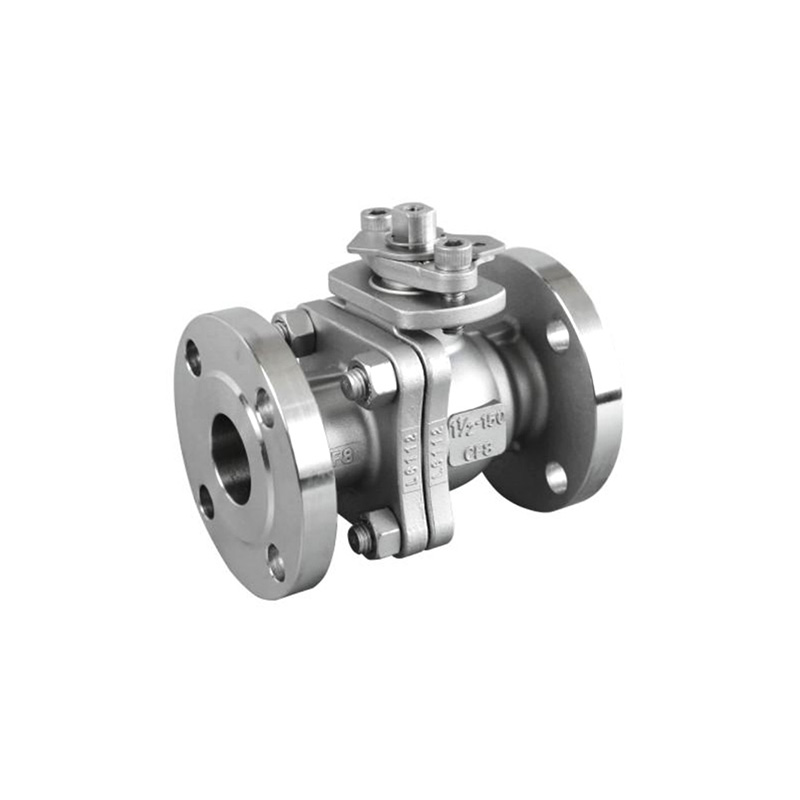
American Standard Flanged Ball Valve
-
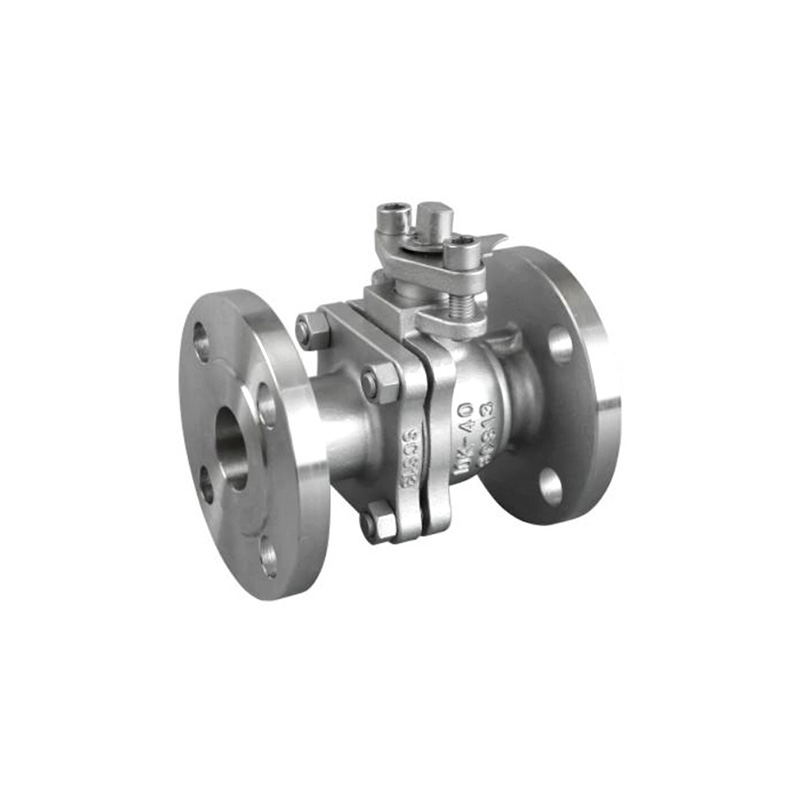
JIS Ball Valve
-
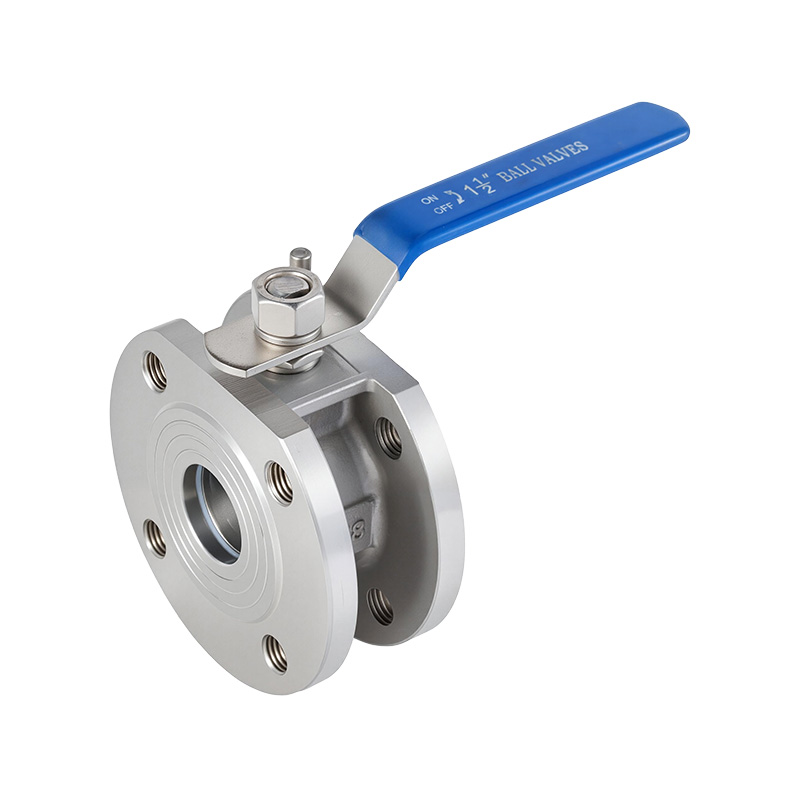
Wafer Thin Ball Valve
-
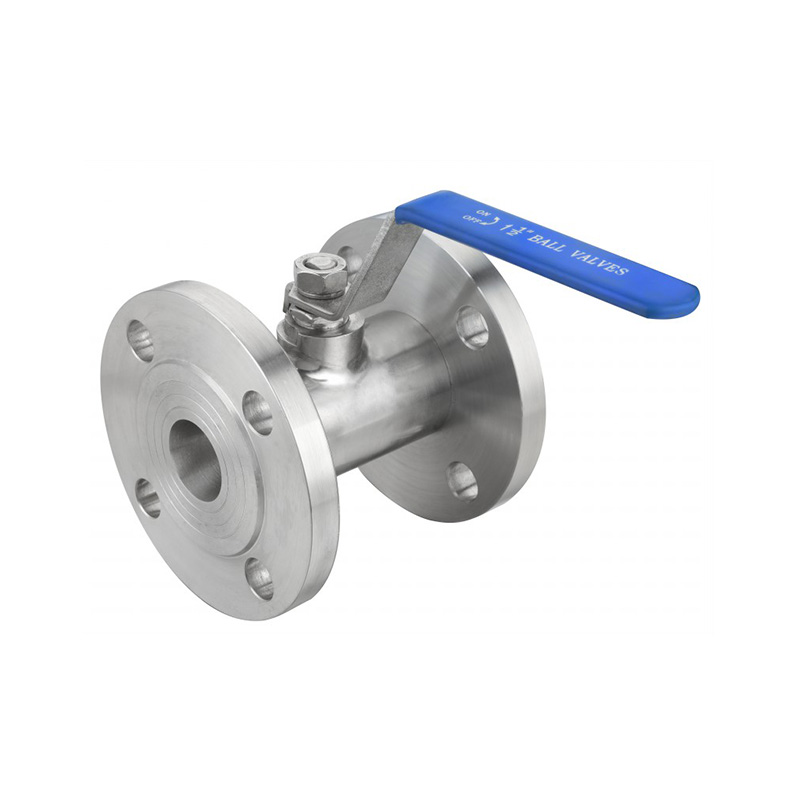
Forged Steel Flanged Ball Valve
-
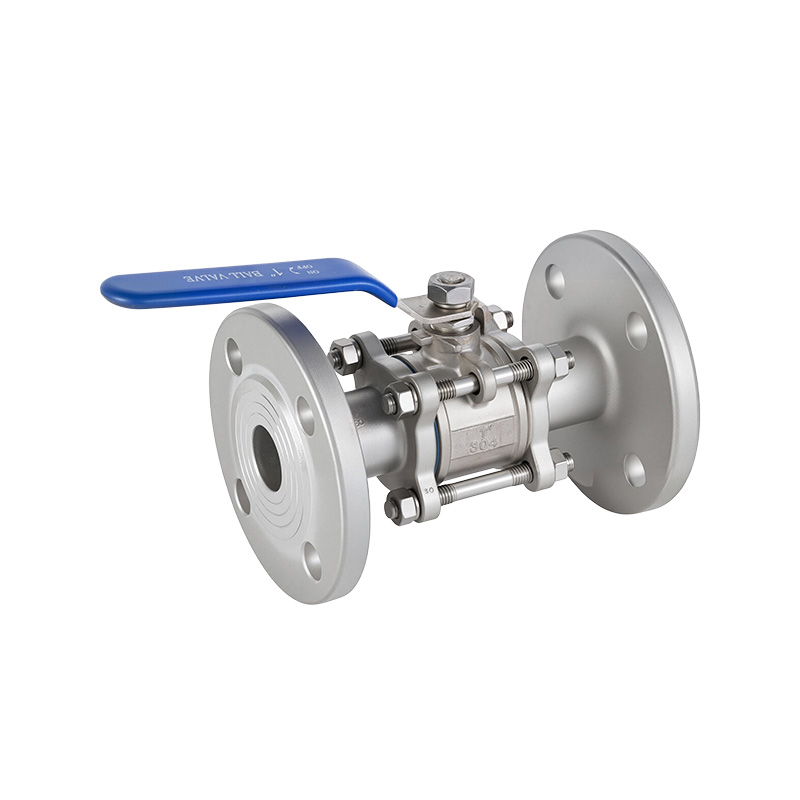
3-Piece Flanged Ball Valve
-
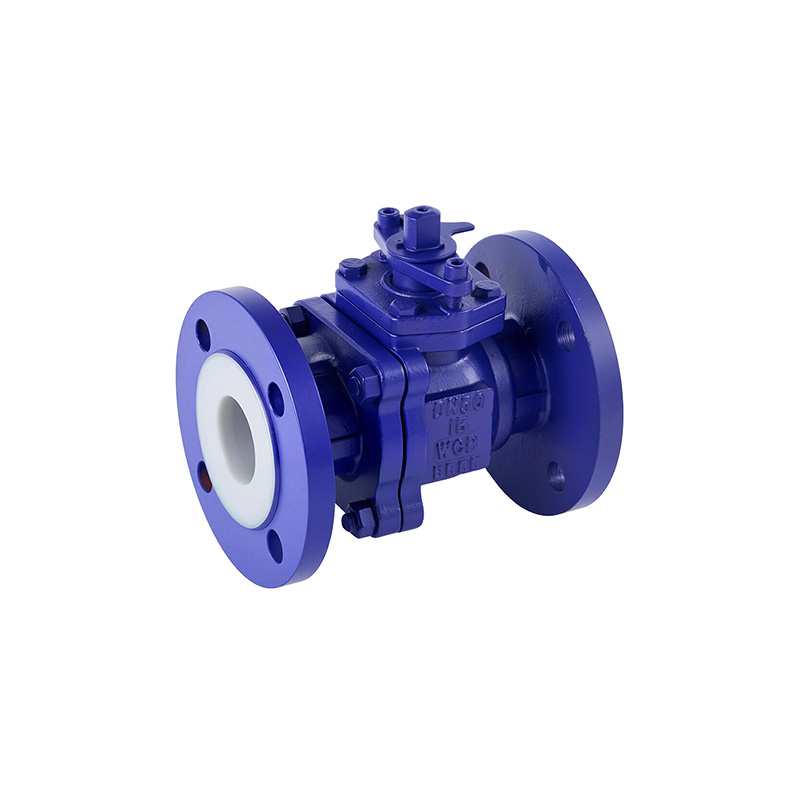
Fluorine Lined Ball Valve
-
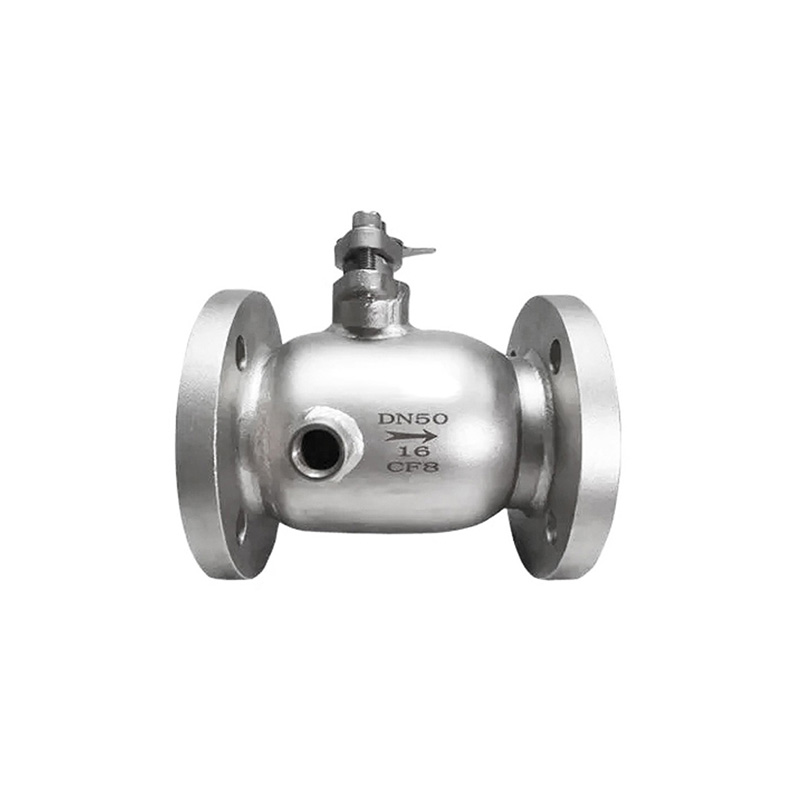
Jacketed Ball Valve
-
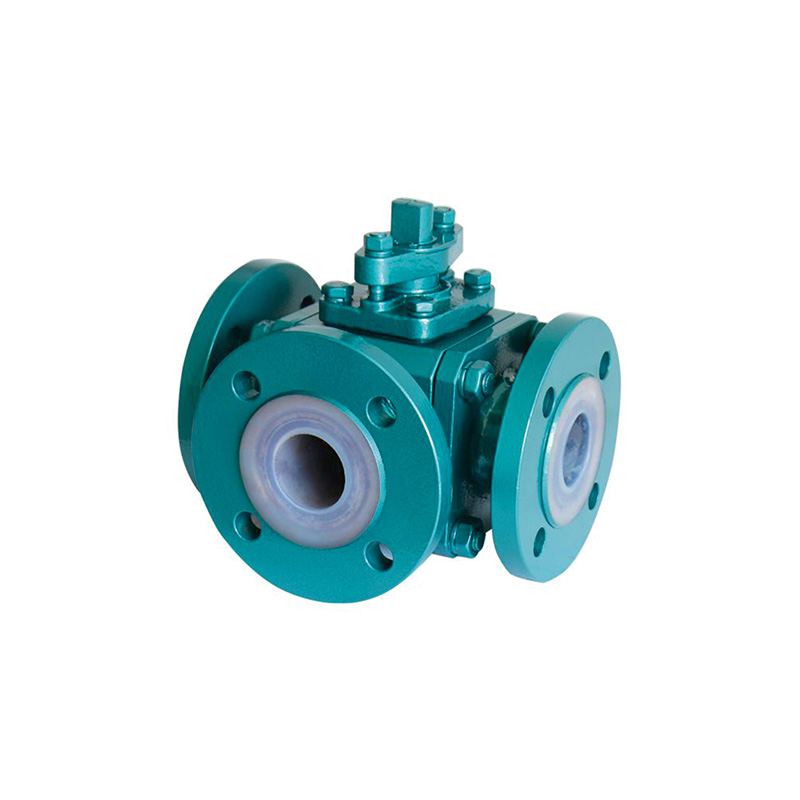
Fluorine Lined Three Way Ball Valve
-
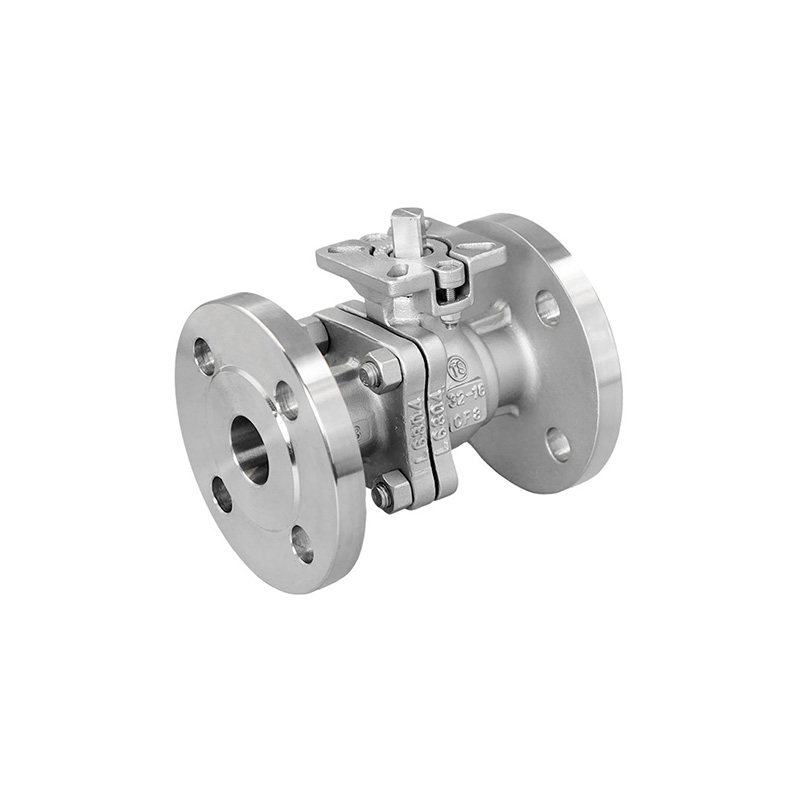
Flanged Ball Valve with High Mounting Pad
About Us
Zhongchi Valve Group Co., Ltd.
Zhongchi Valve Group Co., Ltd. was established in April 2008. The company is a valve manufacturing enterprise that integrates design, development, production, and sales. It is located in the Binhai Industrial Park of Wenzhou Economic and Technological Development Zone.
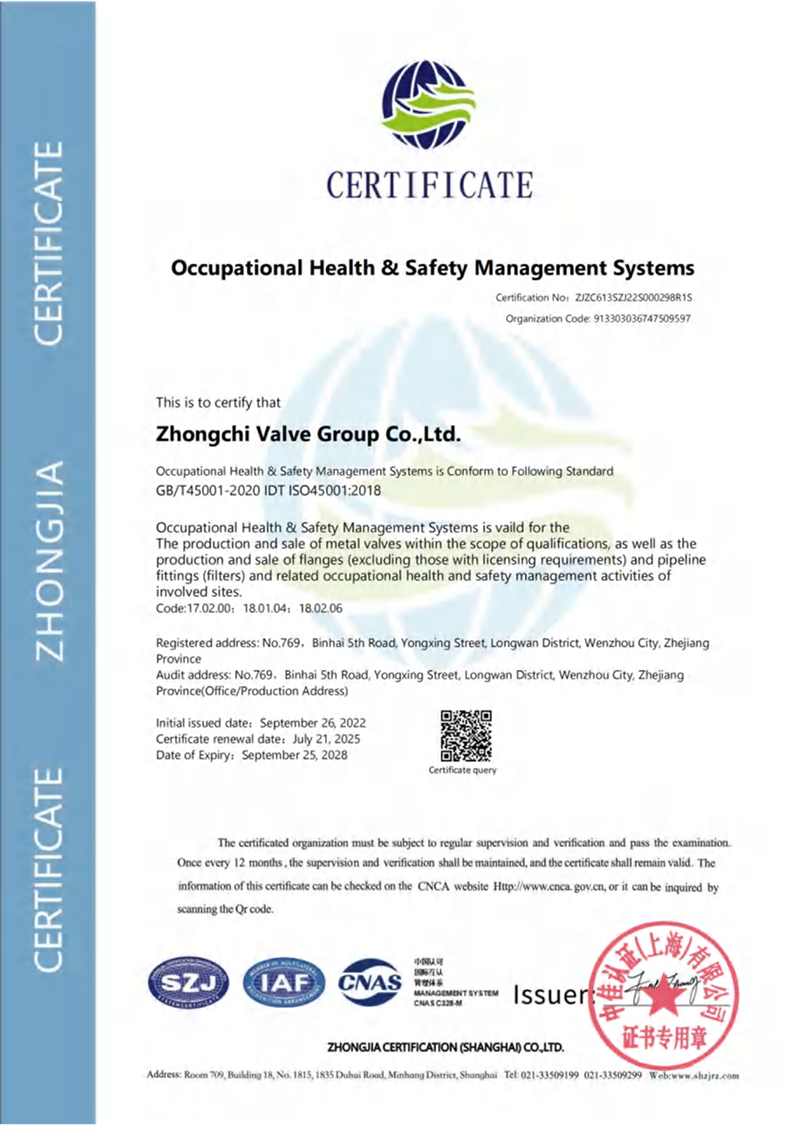
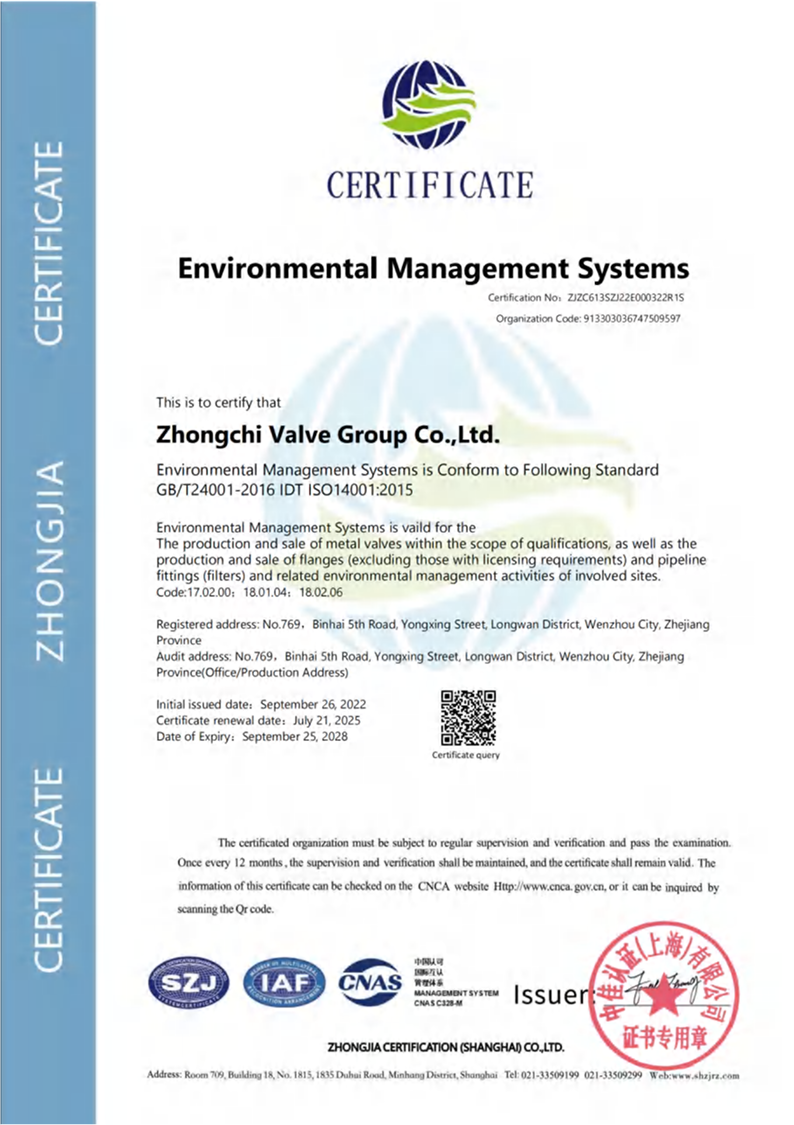
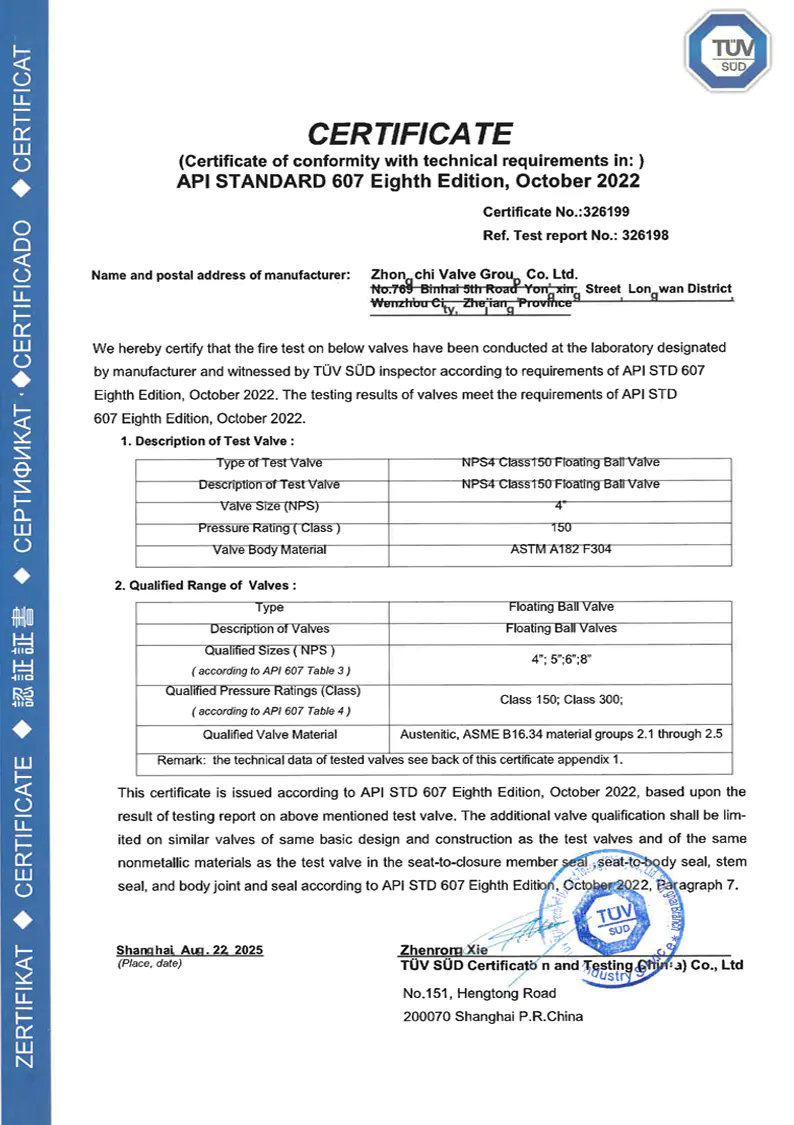
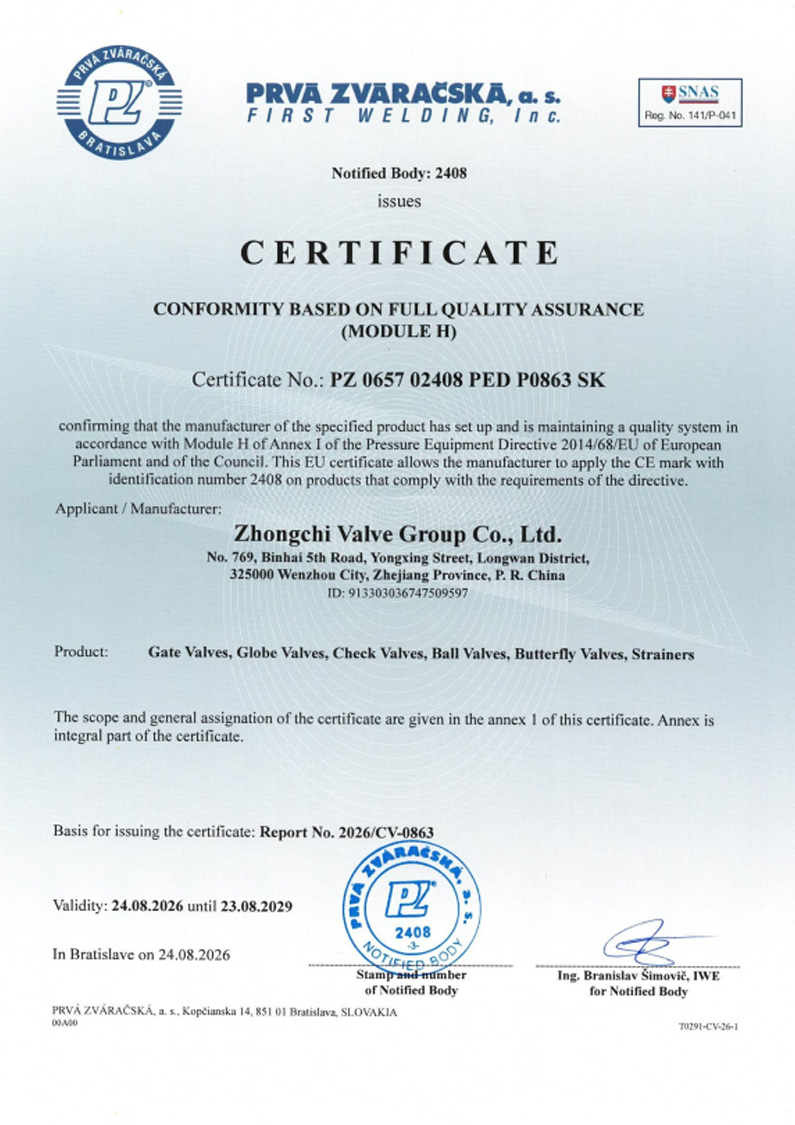
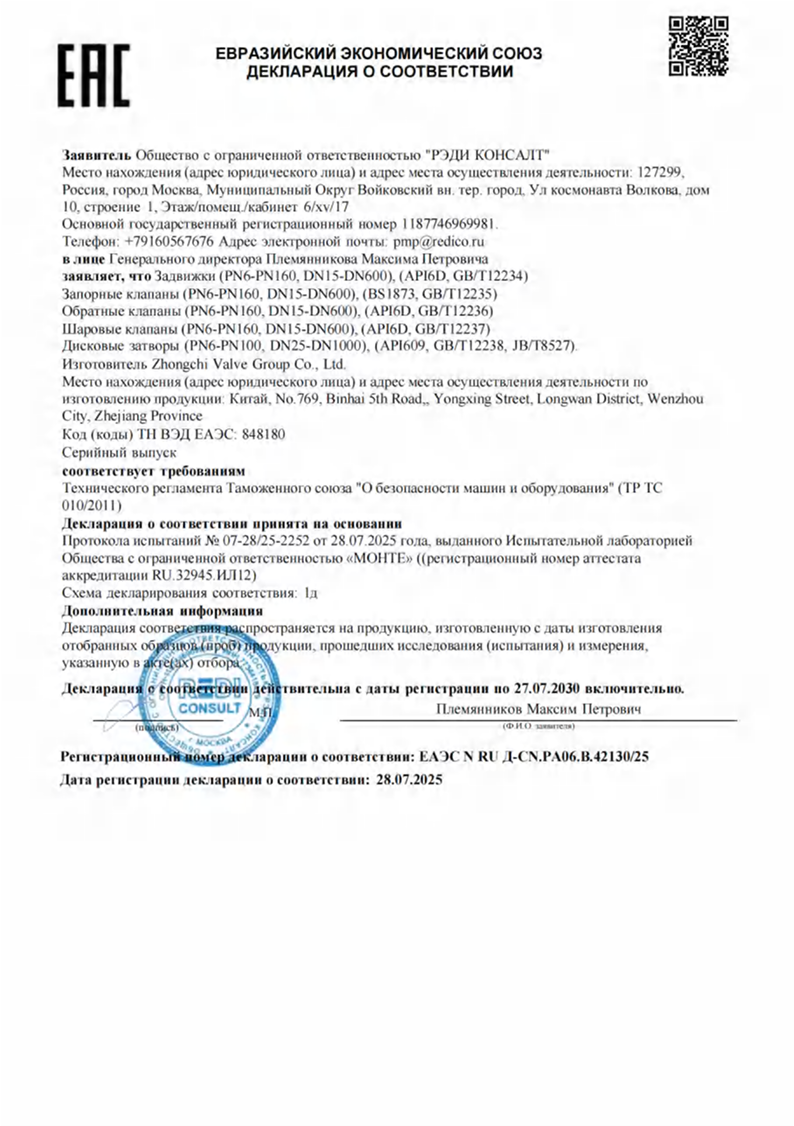
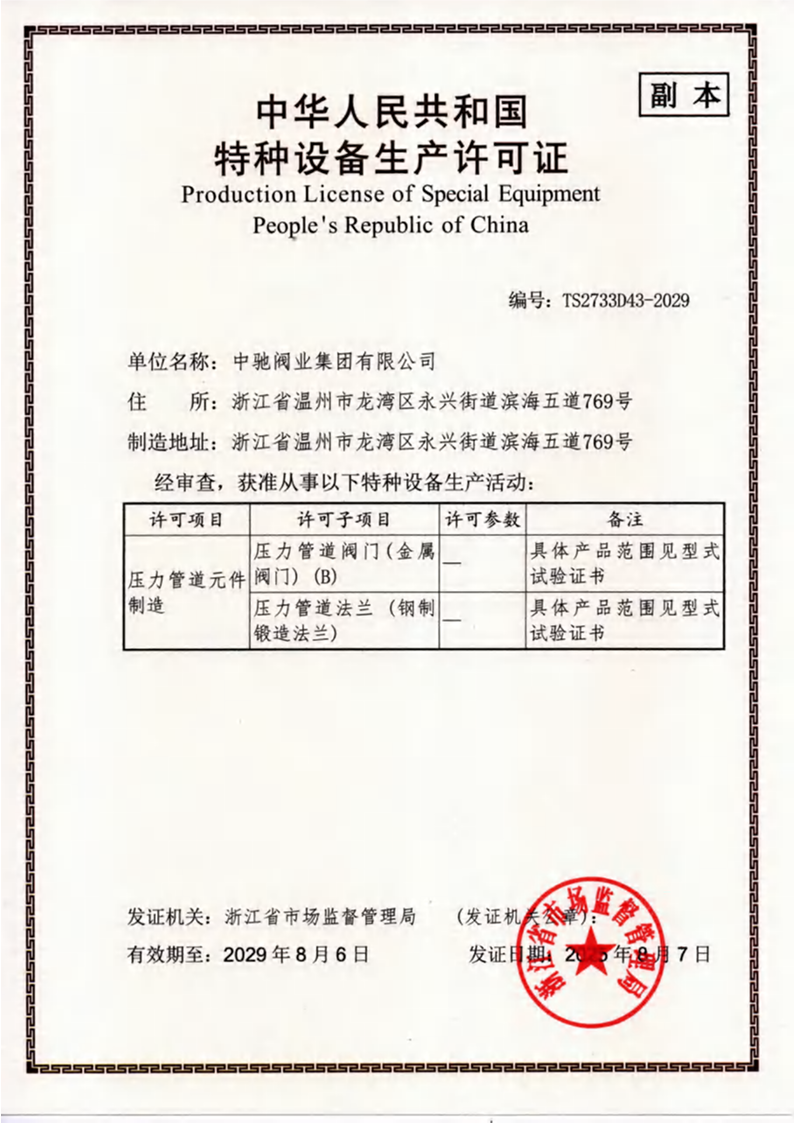
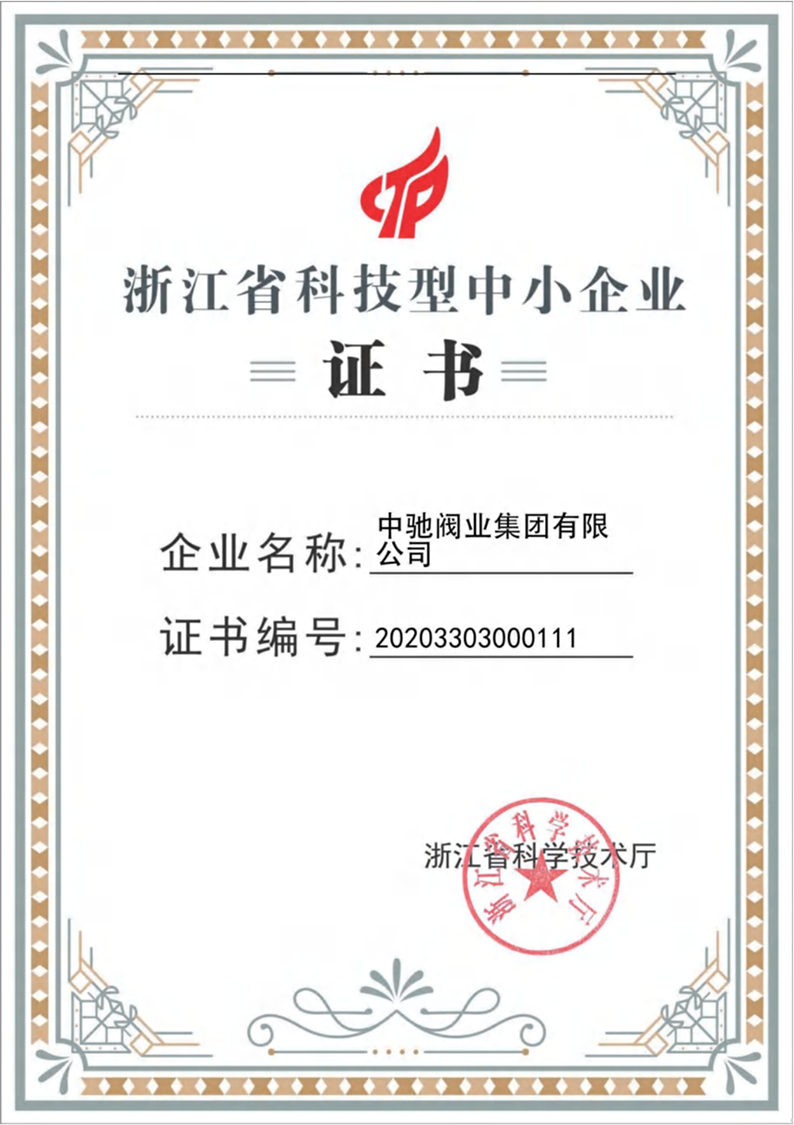
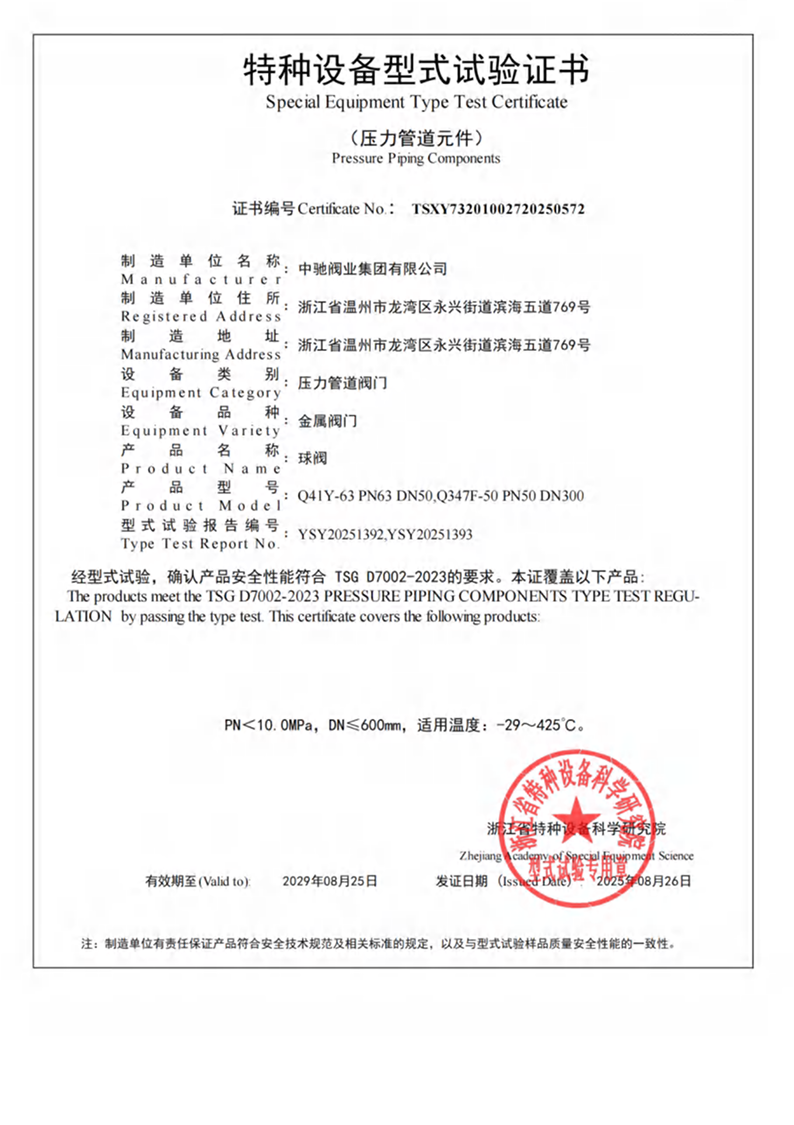
We provide customers with reliable quality assurance through advanced technology and scientific management, offers services with a complete range of products and a short delivery time, and strives to achieve the corporate goal of "building an excellent enterprise and creating a brand in the industry". The company has successively obtained ISO9001 international quality management system certification, ISO14001 environmental management system certification, ISO45001 occupational health and safety management system certification, special equipment manufacturing production license TS certification, CE certification, EAC certification, API607 fire protection certification, and has been recognized as a small and medium-sized technology enterprise in Zhejiang Province and a national high-tech enterprise.
The company's main products include ball valves, gate valves, globe valves, check valves, filters, butterfly valves, etc. These products are widely used in various industries such as petroleum, chemical, natural gas, light industry, electric power, pharmaceuticals, dyes, metallurgy, fiber, leather making, textile, food, military, construction engineering, refrigeration, water supply, and more.
We provide customers with reliable quality assurance through advanced technology and scientific management, offers services with a complete range of products and a short delivery time, and strives to achieve the corporate goal of "building an excellent enterprise and creating a brand in the industry". The company has successively obtained ISO9001 international quality management system certification, ISO14001 environmental management system certification, ISO45001 occupational health and safety management system certification, special equipment manufacturing production license TS certification, CE certification, EAC certification, API607 fire protection certification, and has been recognized as a small and medium-sized technology enterprise in Zhejiang Province and a national high-tech enterprise.
The company's main products include ball valves, gate valves, globe valves, check valves, filters, butterfly valves, etc. These products are widely used in various industries such as petroleum, chemical, natural gas, light industry, electric power, pharmaceuticals, dyes, metallurgy, fiber, leather making, textile, food, military, construction engineering, refrigeration, water supply, and more.
Stay Connected, Insights & Innovation from Zhongchi
-
 Industry News
 2026.09.25
Oil and gas valve procurement involves technical requirements that go well beyond valve size and pur...
2026.09.25
Oil and gas valve procurement involves technical requirements that go well beyond valve size and pur... -
Industry News
2026.09.25
Mesh size has an effect on what a Y‑type Flanged Strainer can retain. A finer mesh does not automati...
-
Industry News
2026.09.18
Ball valve procurement for oil, gas, chemical, and process applications involves more than choosing ...
-
Industry News
2026.09.18
Vertical piping creates a different operating condition for a check valve. Gravity affects the movem...
-
Industry News
2026.09.11
Three-way ball valves give piping systems more routing options without requiring separate valves for...
-
Industry News
2026.09.11
Global valve sourcing often involves several manufacturing regions, with China, India, and Korea ser...
Certificate Of Honor
A Practical Look at Flanged Ball Valves: Benefits, Common Materials, and Key Specifications
Flanged ball valves are very important in systems that handle fluids. They are strong and easy to put in place. They can also stop fluids from flowing well. That is why people like to use them for things like treating water and working with petrochemicals. This guide will tell you about the things about flanged ball valves what they are made of and the rules that good manufacturers follow.
What Are The Good Things About Flanged Ball Valves?
The best thing about flanged ball valves is that they are strong work and are easy to use. They have a design that makes them good for industrial work. Flanged ball valves have benefits that make them a good choice for many jobs.
Simple and Fast Operation
The ball valve operates on a quarter-turn principle. Rotating the handle 90 degrees aligns the bore of the ball with the pipe, allowing full flow, or perpendicular to it, providing a positive shut-off. This rapid action makes it easy to automate with electric or pneumatic actuators.
Bubble-Tight Shut-Off
A key advantage is their ability to provide a reliable seal. The design, often featuring flexible lip seats that maintain continuous pressure on the ball, enables a bubble-tight shut-off. This is critical for preventing leakage in hazardous or valuable media services.
Robust Design and Long Service Life
The flanged connection itself provides a strong, leak-resistant joint that is easier to maintain than threaded connections. The valves are built with a robust engineering design, contributing to a very long service life, even in demanding conditions. Many are also bi-directional, allowing for installation in either flow direction without compromising performance.
What is Meant by WCB in Flanged Ball Valve?
In the context of industrial valves, "WCB" is a material designation that specifies the type of carbon steel used for the valve's body and other pressure-retaining components.
Definition of WCB
WCB stands for Wrought Carbon Steel, and it is defined under the ASTM A216/A216M standard. This is the most common and standard specification for carbon steel castings used in flanged and threaded valves, fittings, and flanges for high-temperature service.
Why is WCB Used?
WCB is chosen for its excellent combination of strength, durability, and cost-effectiveness. It provides:
- Corrosion Resistance and Structural Integrity: WCB offers strong resistance to corrosion and maintains its structural integrity in harsh industrial environments, making it suitable for applications in oil, chemical, and water treatment sectors.
- Wide Applicability: A WCB ball valve is a reliable and economical solution for controlling the flow of water, oil, and gas in medium to high-pressure systems. It is considered a standard, durable option for many industrial needs.
What Standards Should Flanged Ball Valve Maker Comply with?
Compliance with recognized industry standards is a hallmark of a reliable and quality-conscious manufacturer. These standards ensure the valve's safety, performance, and compatibility across different systems.
Key Design and Dimensional Standards
A manufacturer's adherence to these standards guarantees that the valve's design and dimensions are universally accepted and tested.
- ASME B16.34: This is a critical standard that covers the pressure-temperature ratings, dimensions, tolerances, and marking for flanged ball valves.
- API 608: This specification from the American Petroleum Institute covers metal ball valves with flanged, threaded, and welding ends, suitable for petroleum and industrial applications.
- Face-to-Face and Flange Dimensions: Standards like ASME B16.10 define the face-to-face dimensions, while ASME B16.5 specifies the flange dimensions, ensuring the valve can be installed correctly in existing piping systems.
Safety and Performance Standards
Beyond basic design, top-tier manufacturers ensure their valves meet rigorous performance criteria.
- Fire-Safe Testing: Standards like API 607 or API 6FA certify that the valve can maintain a seal and prevent leakage during a fire, which is vital for safety in high-risk industries.
- Fugitive Emissions: Compliance with API 641 or ISO 15848 means the valve's stem seal is designed to minimize the release of volatile fluids into the atmosphere.
- Material and Testing Compliance: Many manufacturers also specify compliance with standards like NACE MR0175 for use in sour service environments (H₂S) and adhere to rigorous testing protocols like BS 6755.
Get a Free Quote
Quick Links
Products
Contact Information
-
 +86-13396775805
-
 +86-577-86934868
-
 cn@cnchivalve.com
-
 No. 769, Binhai 5th Road, Yongxing Street, Longwan District, Wenzhou City, Zhejiang Province, China
Copyright © Zhongchi Valve Group Co., Ltd.All rights reserved.
 Industrial Pipeline Valve Manufacturer