


 English
 русский
 Español
 عربى
عربى Português
Zhongchi
Zhongchi
Zhongchi
Zhongchi
Zhongchi
Zhongchi
Zhongchi
Zhongchi
Zhongchi

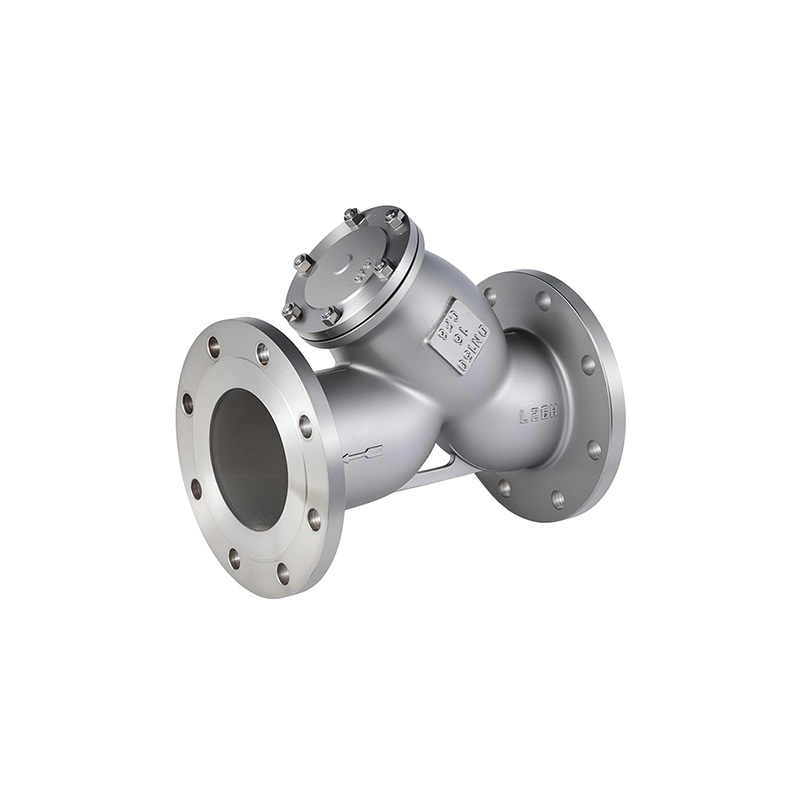
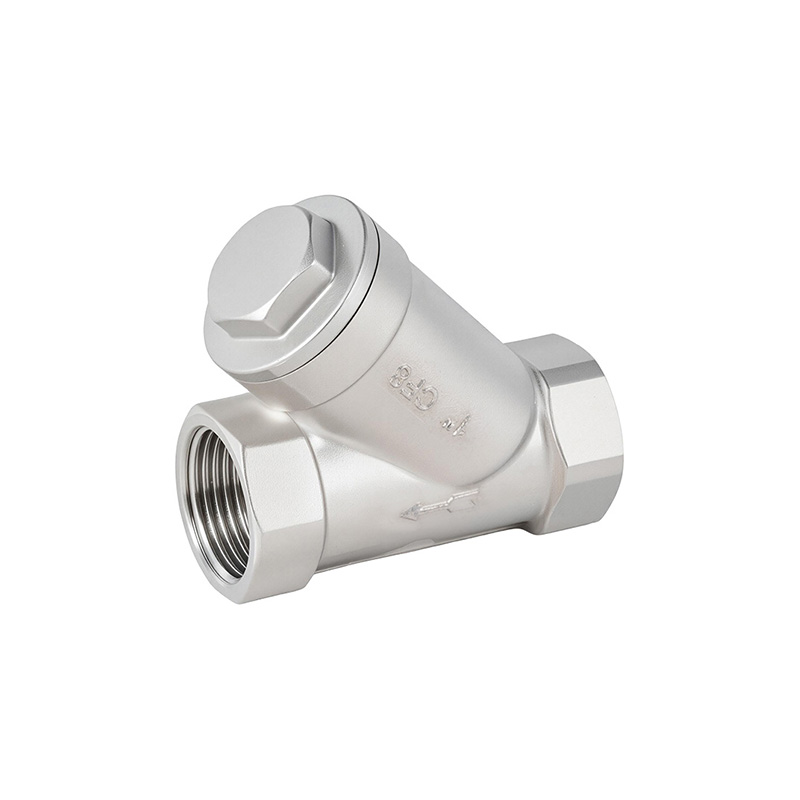
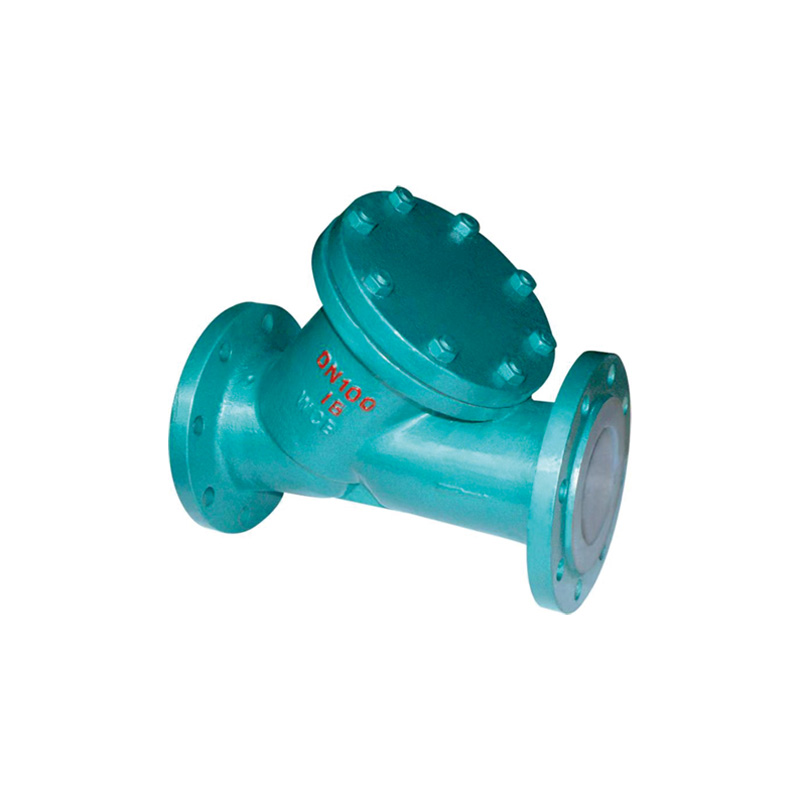
Y-type Flanged Strainer For Pipeline Filtration Factory
Strainers are used to filter impurities contained in the medium in pipelines. It is specially applied for impurity filtration in urban water supply and heating systems. The installation shall follow the arrow direction on the valve body, and the filter screen shall face downward so as to remove impurities conveniently.

About Us
Zhongchi Valve Group Co., Ltd.
Zhongchi Valve Group Co., Ltd. was established in April 2008. The company is a valve manufacturing enterprise that integrates design, development, production, and sales. It is located in the Binhai Industrial Park of Wenzhou Economic and Technological Development Zone.
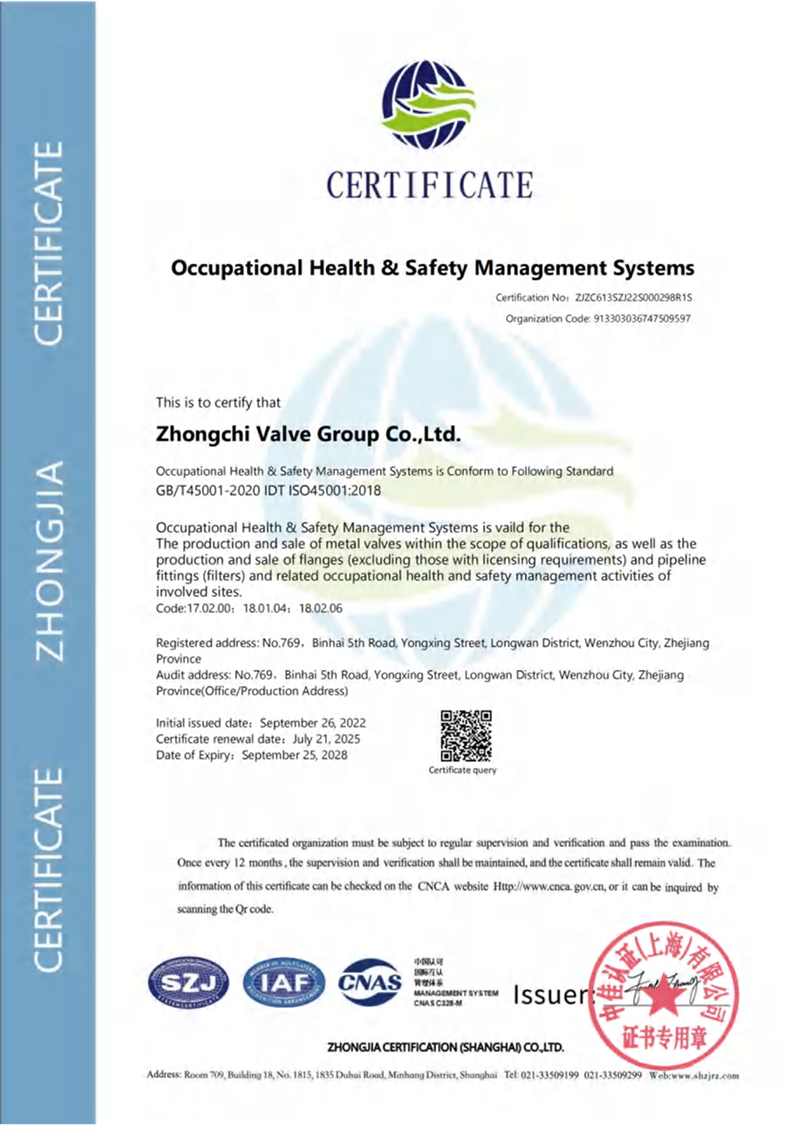
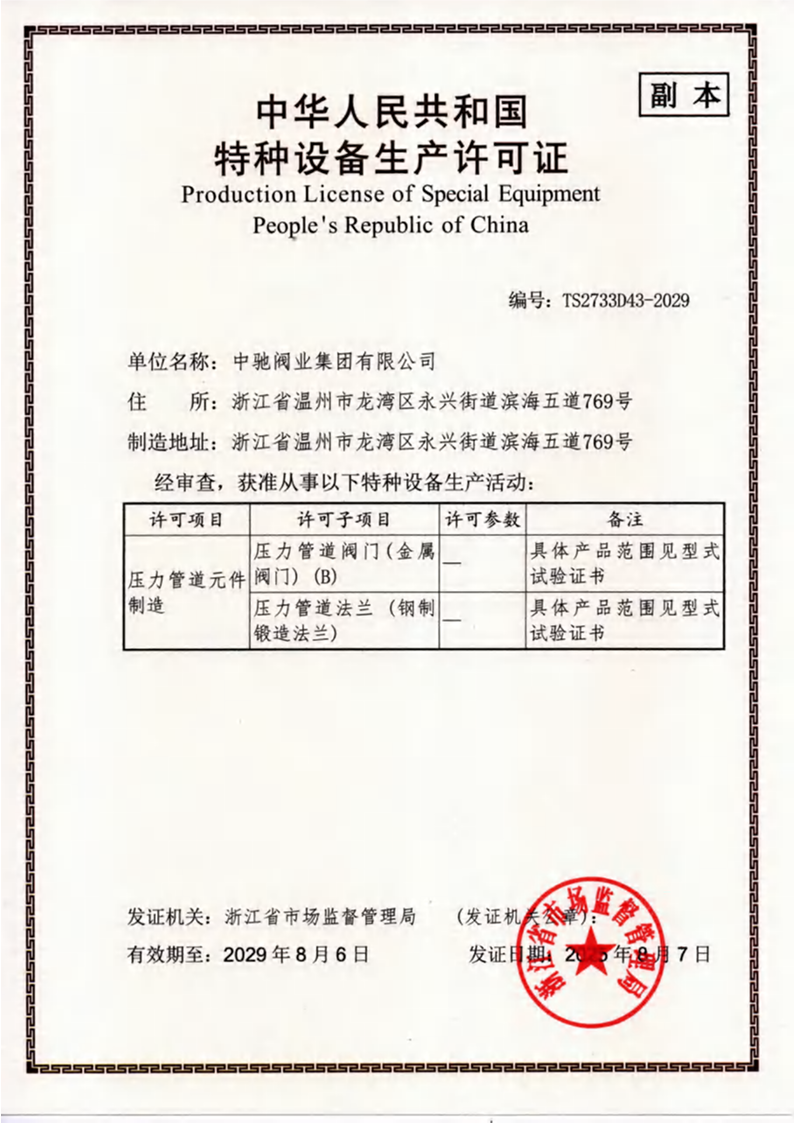
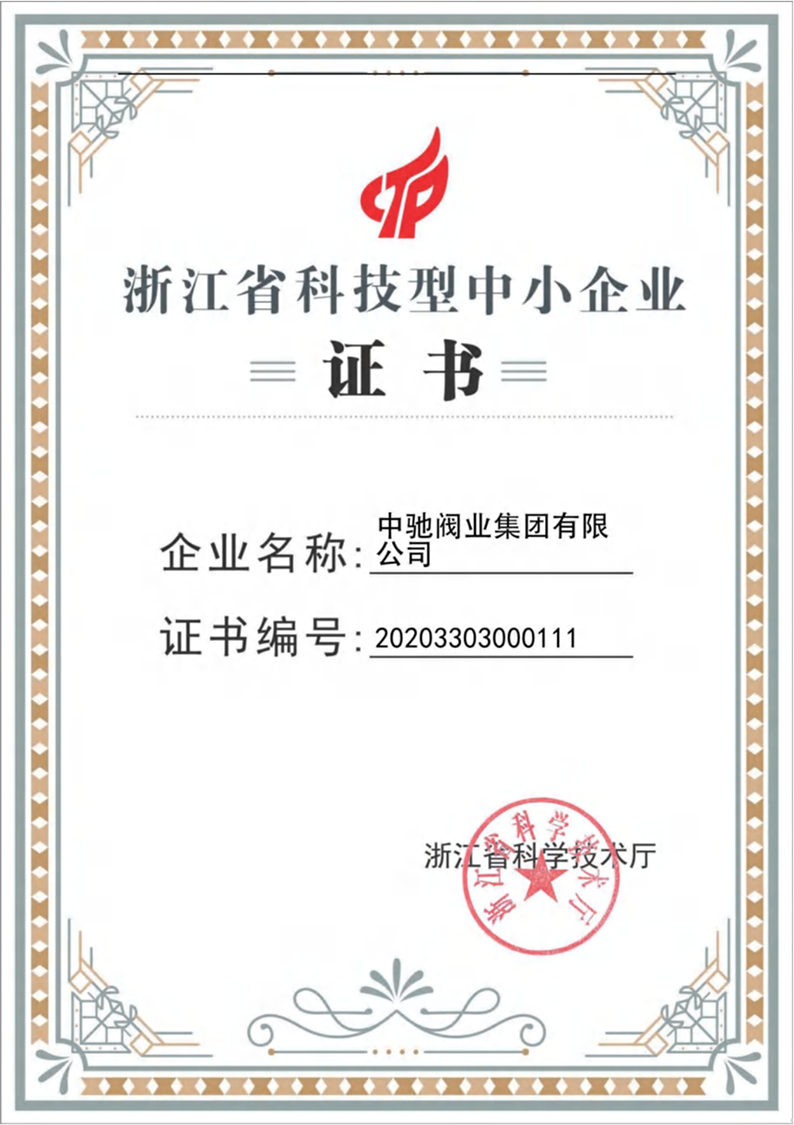
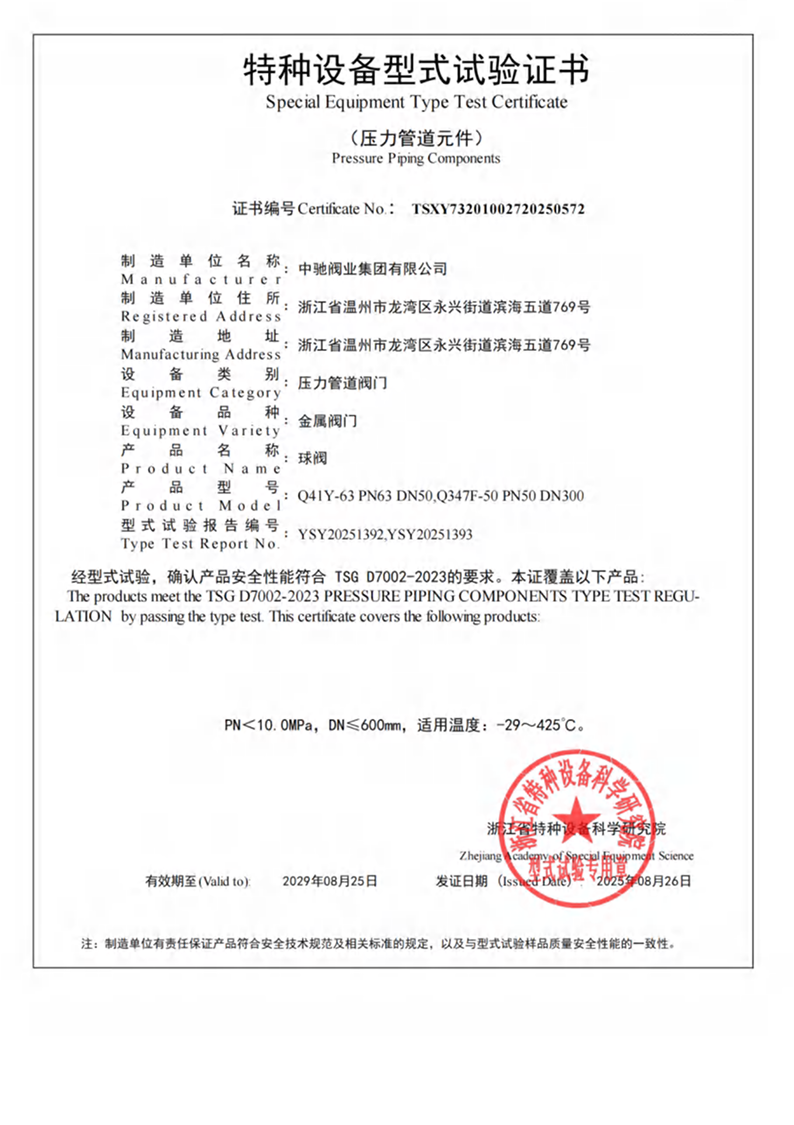
We provide customers with reliable quality assurance through advanced technology and scientific management, offers services with a complete range of products and a short delivery time, and strives to achieve the corporate goal of "building an excellent enterprise and creating a brand in the industry". The company has successively obtained ISO9001 international quality management system certification, ISO14001 environmental management system certification, ISO45001 occupational health and safety management system certification, special equipment manufacturing production license TS certification, CE certification, EAC certification, API607 fire protection certification, and has been recognized as a small and medium-sized technology enterprise in Zhejiang Province and a national high-tech enterprise.
The company's main products include ball valves, gate valves, globe valves, check valves, filters, butterfly valves, etc. These products are widely used in various industries such as petroleum, chemical, natural gas, light industry, electric power, pharmaceuticals, dyes, metallurgy, fiber, leather making, textile, food, military, construction engineering, refrigeration, water supply, and more.
We provide customers with reliable quality assurance through advanced technology and scientific management, offers services with a complete range of products and a short delivery time, and strives to achieve the corporate goal of "building an excellent enterprise and creating a brand in the industry". The company has successively obtained ISO9001 international quality management system certification, ISO14001 environmental management system certification, ISO45001 occupational health and safety management system certification, special equipment manufacturing production license TS certification, CE certification, EAC certification, API607 fire protection certification, and has been recognized as a small and medium-sized technology enterprise in Zhejiang Province and a national high-tech enterprise.
The company's main products include ball valves, gate valves, globe valves, check valves, filters, butterfly valves, etc. These products are widely used in various industries such as petroleum, chemical, natural gas, light industry, electric power, pharmaceuticals, dyes, metallurgy, fiber, leather making, textile, food, military, construction engineering, refrigeration, water supply, and more.
Stay Connected, Insights & Innovation from Zhongchi
-
 Industry News
 2026.09.25
Oil and gas valve procurement involves technical requirements that go well beyond valve size and pur...
2026.09.25
Oil and gas valve procurement involves technical requirements that go well beyond valve size and pur... -
Industry News
2026.09.25
Mesh size has an effect on what a Y‑type Flanged Strainer can retain. A finer mesh does not automati...
-
Industry News
2026.09.18
Ball valve procurement for oil, gas, chemical, and process applications involves more than choosing ...
-
Industry News
2026.09.18
Vertical piping creates a different operating condition for a check valve. Gravity affects the movem...
-
Industry News
2026.09.11
Three-way ball valves give piping systems more routing options without requiring separate valves for...
-
Industry News
2026.09.11
Global valve sourcing often involves several manufacturing regions, with China, India, and Korea ser...
Certificate Of Honor
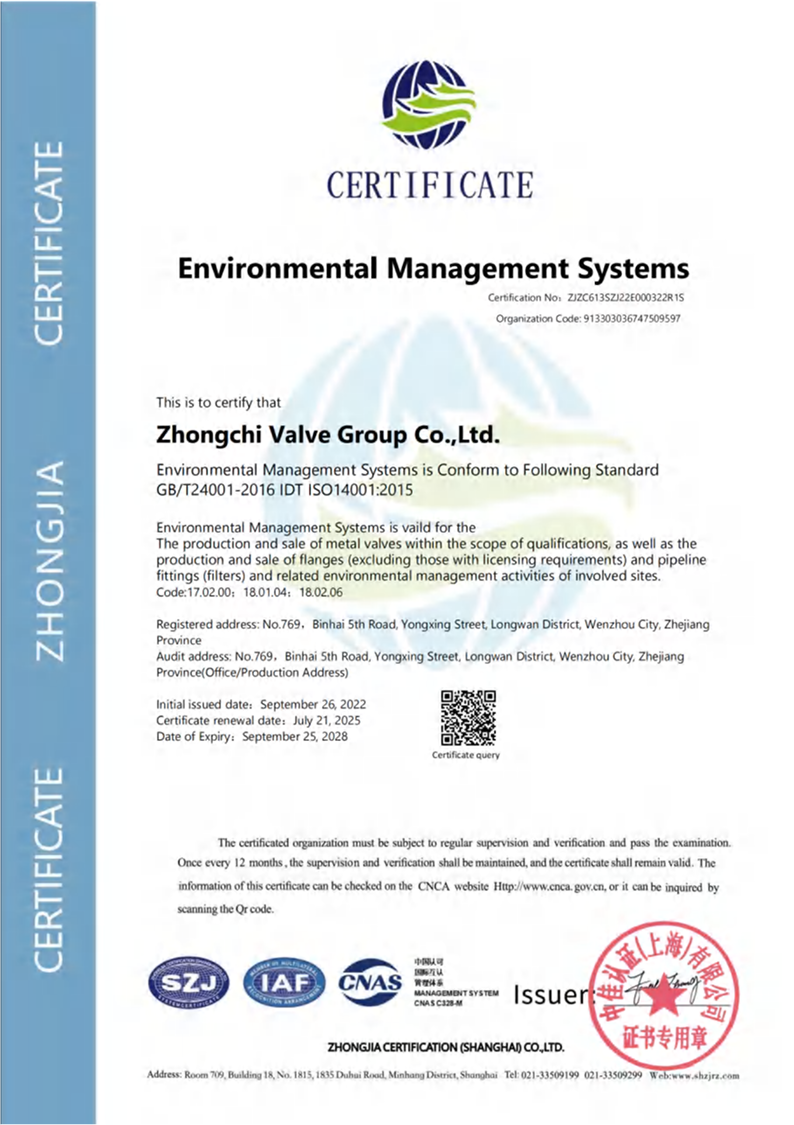
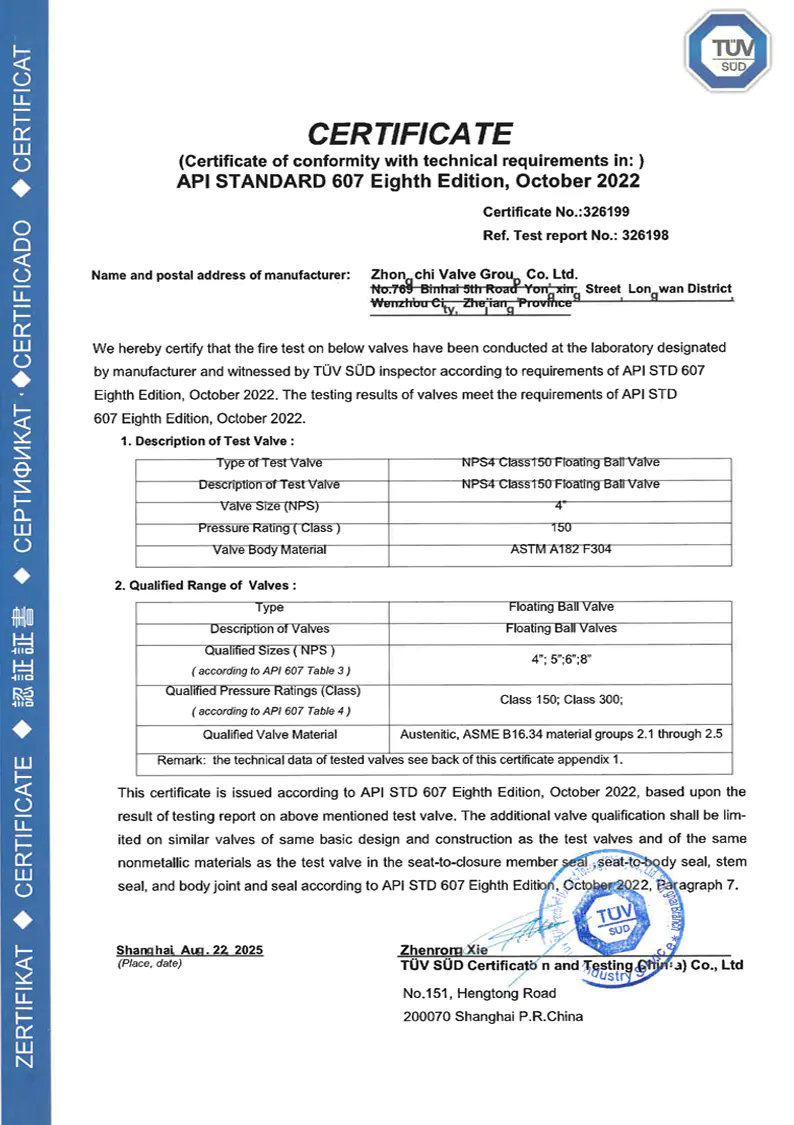
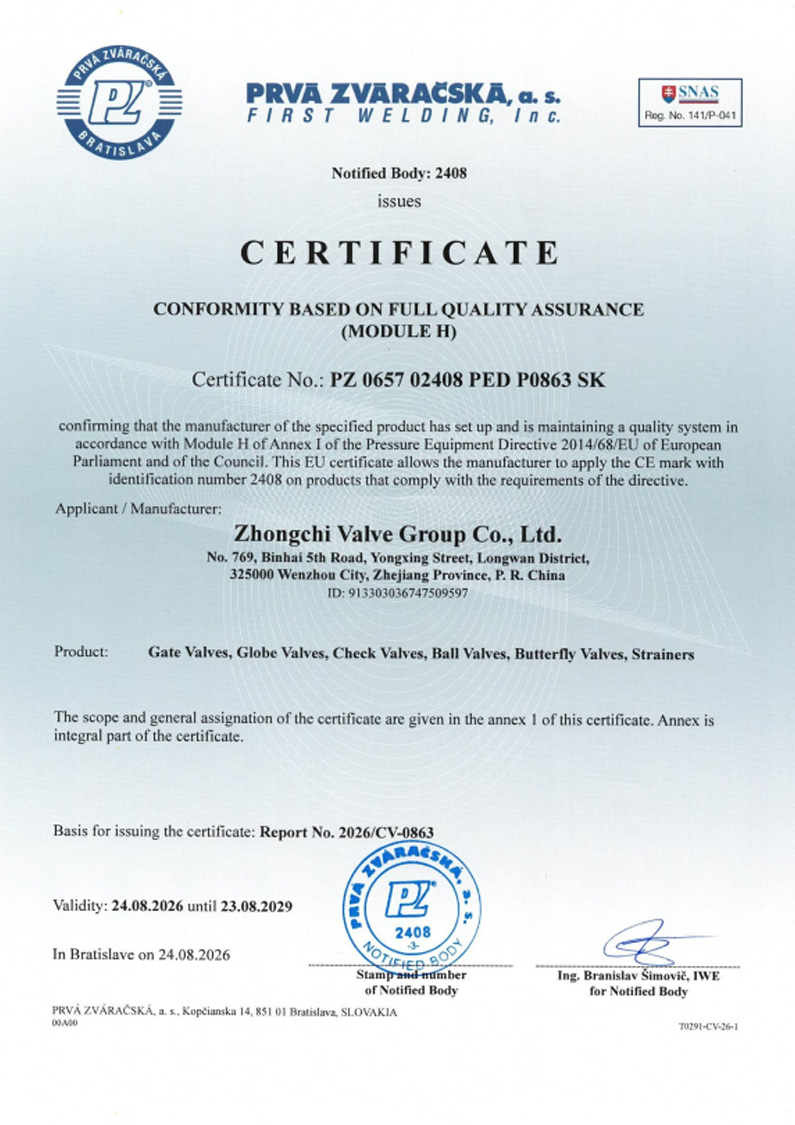
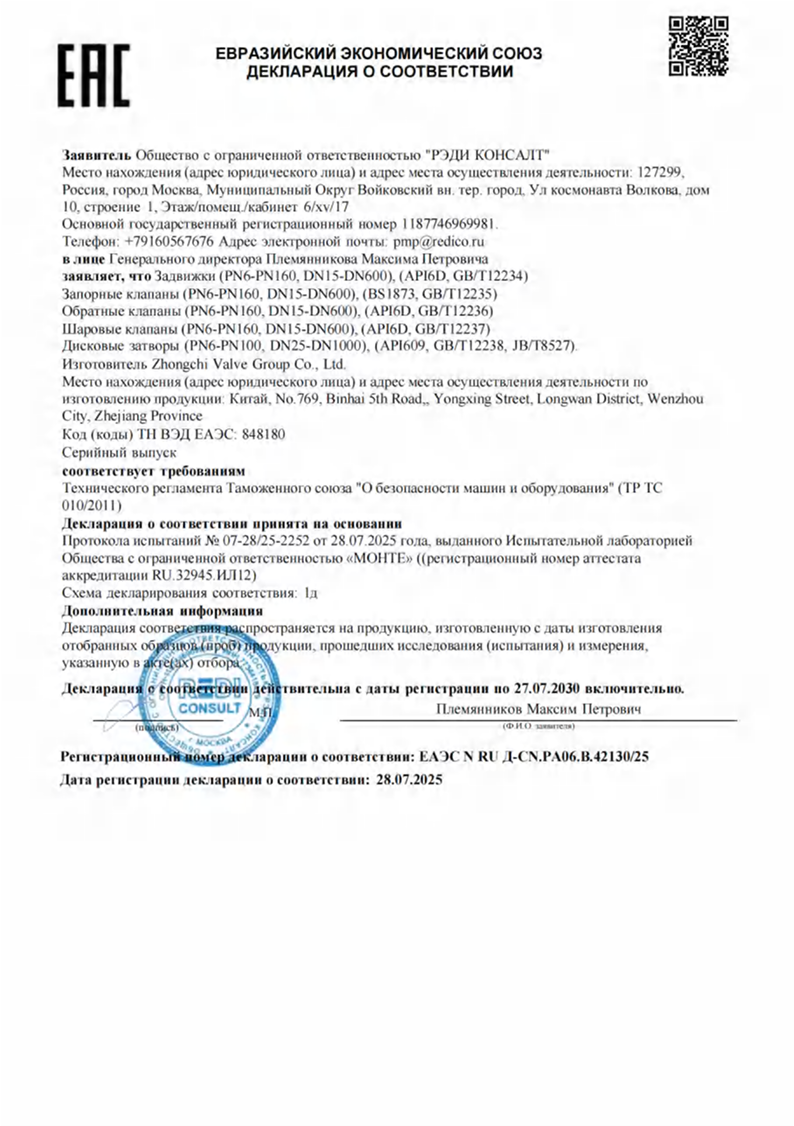
The Professional's Guide to Y-Type Flanged Strainers
Y-type strainers are essential for protecting downstream equipment by removing solid particles from liquid, gas, or steam lines. Their compact design and ability to handle high pressures make them a standard choice across many industries. This guide answers five critical questions about specifying, using, and maintaining them.
How Do I Choose the Correct Mesh Size for a Stainless Steel Y-Type Flanged Strainer?
Mesh size is the key specification for a strainer's performance. It dictates the size of particles the screen will catch. The right choice balances the need to protect equipment with the acceptable pressure drop.
Common standards for mesh size include 20, 40, 60, 80, 100, 150, 200, 325, and 400. A higher number indicates a finer screen that removes smaller particles, but at the cost of a higher pressure drop.
Selecting the correct size depends on your system's needs:
- Coarse Filtration (e.g., 20-60 mesh): Remove larger debris like pipe scale, rust, and weld slag.
- Medium Filtration (e.g., 60-150 mesh): Balanced protection for most pumps and valves.
- Fine Filtration (e.g., 150-400 mesh): Protect sensitive or precision equipment, such as control valves.
For many applications, choosing a Y strainer that is half a size larger than your mainline can help minimise flow restrictions.
How Do I Know When a Y-Type Flanged Strainer Needs to Be Cleaned Out?
Debris trapped in the screen will eventually clog it, reducing flow. There are two primary ways to determine when to clean a strainer:
1. Monitoring Differential Pressure:
This is the most reliable indicator. The clean screen creates a baseline pressure drop. As debris accumulates, the differential pressure (pressure upstream minus pressure downstream) increases. A significant rise signals that cleaning is necessary.
2. Visual or Blow-Down Inspection:
Many Y-strainers have a blow-off plug that allows you to open the strainer while the system is running. If debris is flushed out, or if the flow rate does not recover after blowing down, the screen needs to be cleaned or replaced.
Cleaning is a simple process: if the system can be shut down, isolate the strainer, remove the cover, take out the screen, clean it, and reinstall it .
What Is the Difference Between a Flange Strainer and a Threaded Strainer?
The primary difference lies in how the strainer connects to the pipeline: with a bolted flange or with screw threads. This dictates the size, pressure rating, and application.
| Feature | Flanged Strainer | Threaded Strainer |
| Primary Use | Larger pipe sizes (typically DN 50/2" and above). | Smaller pipe sizes (typically under 2" or 3"). |
| Application | High-pressure systems, high joint integrity, and where regular maintenance is required. | Non-critical, lower-cost applications like domestic water and fire protection. |
| Sealing Method | Bolted joint with a gasket. | Tapered threads sealed with tape or compound. |
| Maintenance | Easier to remove for inspection and cleaning. | Can be more difficult to disassemble after long periods of service. |
Flanged connections are robust and reliable, but flanges can become slack in systems exceeding temperatures of about 350°F.
What Is the Purpose of a Y-Strainer in Pipeline Filtration?
The primary purpose is to protect downstream equipment from damage caused by solid contaminants like dirt, pipe scale, and weld slag. They are a mechanical barrier designed to keep the system clean.
They are commonly installed to protect critical components:
- Pumps
- Control valves
- Meters
- Steam traps and regulators
By doing so, they reduce wear, prevent blockages and jams, and extend the service life of expensive system components.
Is a Y Strainer Valve Directional, and Which Way Should It Face?
Yes, absolutely. A Y-strainer is directional, and installing it backwards will prevent it from working correctly. The direction of flow is clearly indicated by a directional arrow on the valve body.
Here are the installation rules for different pipeline layouts:
| Pipeline Layout | Recommended Orientation | Why |
| Horizontal Run | The "screen pocket" (the angled leg of the Y) should point downward. | This allows debris to settle naturally into the pocket for easy collection and cleaning. |
| Vertical Run | Installation is possible but must be confirmed with the manufacturer's manual. | Some models are allowed, but the rules on flow direction (up or down) are model-specific. |
| General Rule | The blow-off or drain plug must be accessible. In a vertical line, the Y side should generally point downwards. | This ensures maintenance is quick and safe. |
A single pre-installation checklist can prevent many common mistakes: confirm the arrow matches the flow direction, check that the pocket is in the correct orientation, and ensure the screen is accessible for service.
Get a Free Quote
Quick Links
Products
Contact Information
-
 +86-13396775805
-
 +86-577-86934868
-
 cn@cnchivalve.com
-
 No. 769, Binhai 5th Road, Yongxing Street, Longwan District, Wenzhou City, Zhejiang Province, China
Copyright © Zhongchi Valve Group Co., Ltd.All rights reserved.
 Industrial Pipeline Valve Manufacturer