


 English
 русский
 Español
 عربى
عربى Português
Zhongchi
Zhongchi
Zhongchi
Zhongchi
Zhongchi
Zhongchi
Zhongchi
Zhongchi
Zhongchi
Industrial valve procurement involves more than comparing quotations. Material selection affects corrosion resistance, inspection frequency, repair expenses, and replacement planning throughout the service life of a piping system. At Zhongchi, we help buyers evaluate valve specifications according to their operating conditions and project requirements. Understanding the cost differences between stainless steel and carbon steel can help purchasing teams develop a realistic 10-year ownership budget.
1. Initial Purchase Price Is Only Part of the Cost
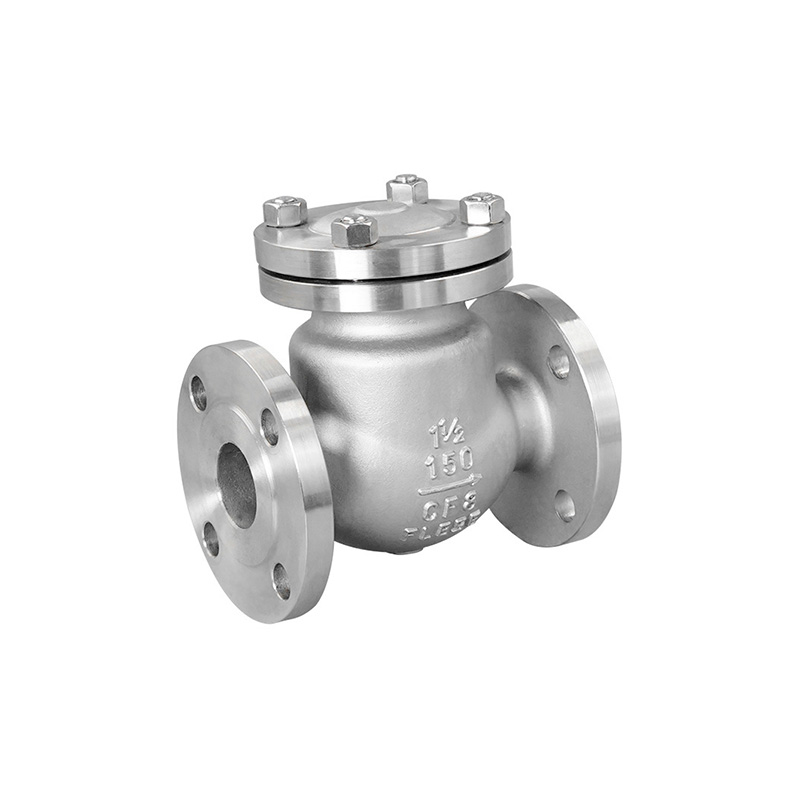
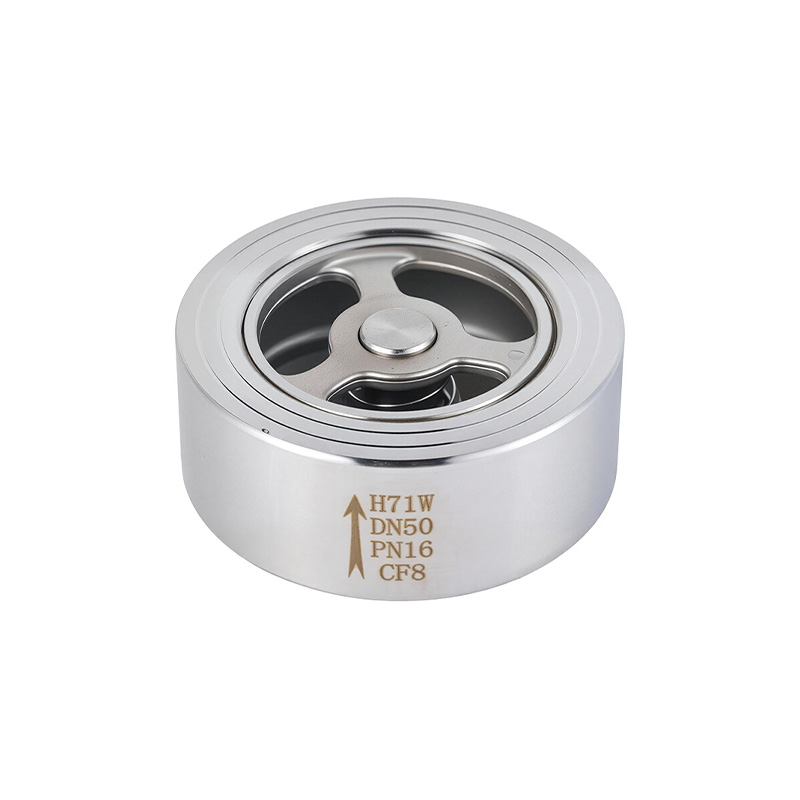
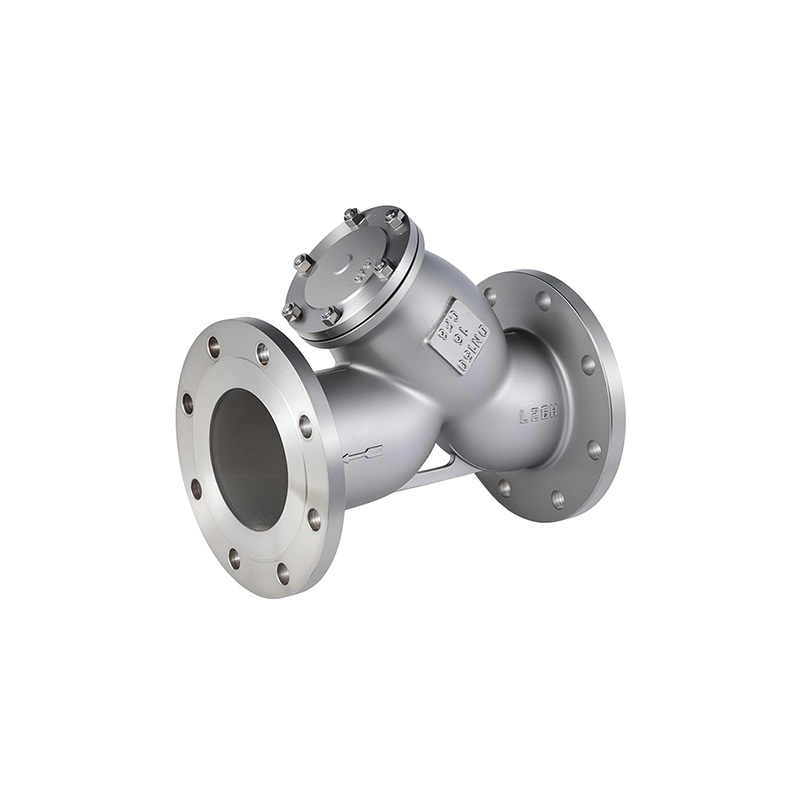
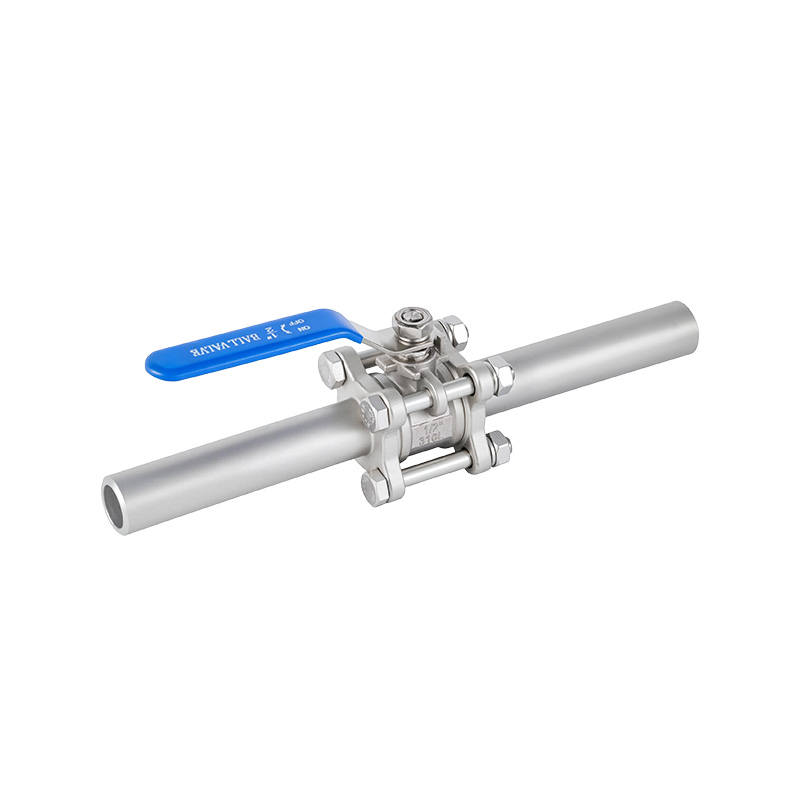
Stainless steel valves generally carry a higher purchase price than comparable carbon steel models because of their material composition and manufacturing requirements. Carbon steel remains a practical option for many applications with manageable corrosion exposure.
However, the initial quotation does not cover every expense associated with operating a valve over ten years. Buyers should also account for:
- Installation: Labor, flange connections, fasteners, and commissioning activities.
- Inspection: Routine checks for corrosion, leakage, coating damage, and component wear.
- Maintenance: Repainting, protective coating repairs, seal replacement, and other service work.
- Replacement: The cost of a new valve and the labor required to install it.
- Downtime: Production losses or service interruptions associated with maintenance and unexpected failures.
The financial importance of each category depends on the application. A valve operating in a controlled environment may require relatively little intervention, while equipment exposed to corrosive chemicals or persistent moisture may need closer attention.
2. How Material Choice Affects Maintenance Over Ten Years
Stainless steel valves
Stainless steel contains chromium, which forms a protective passive surface layer under suitable conditions. Grades such as 304 and 316 are commonly used in industrial valve construction, with 316 generally offering improved resistance to chloride-related corrosion compared with 304.
- Suitable grades can reduce corrosion-related maintenance in demanding environments.
- Protective painting may be unnecessary for certain applications, although external protection requirements still depend on the environment.
- Seat materials, stem packing, and gaskets still require compatibility checks and periodic inspection.
Carbon steel valves
Carbon steel grades such as ASTM A216 WCB are widely used for industrial valve bodies. They can provide suitable mechanical performance in many water, steam, oil, and gas services, provided the operating conditions fall within the applicable design limits.
- Lower initial costs can benefit projects with controlled corrosion exposure.
- Protective coatings and external corrosion controls may be necessary in humid or outdoor installations.
- Inspection and repair requirements can increase as corrosion protection deteriorates.
Neither material guarantees a particular service life. Fluid chemistry, temperature, pressure, installation quality, and maintenance practices all influence actual performance.
3. A Practical 10-Year Cost Comparison
The following example illustrates how buyers can organize a lifecycle cost assessment. The figures are hypothetical budget assumptions for two valves with comparable functions, sizes, pressure ratings, and connection requirements. They are not Zhongchi quotations or guaranteed market prices.
| Cost Category | Carbon Steel Valve | Stainless Steel Valve |
| Initial purchase | $500 | $750 |
| Installation | $150 | $150 |
| Inspection and maintenance over 10 years | $600 | $300 |
| Expected replacement allowance | $300 | $0 |
| Illustrative 10-year total | $1,550 | $1,200 |
Under these assumptions, the stainless steel option costs $350 less over ten years despite its higher initial price. The example assumes a replacement allowance for carbon steel and no replacement expenditure for stainless steel. Actual outcomes may differ substantially, and the calculation does not establish that stainless steel will always cost less.
Buyers should create their own estimate using supplier quotations, site maintenance records, expected inspection expenses, and documented downtime costs. The calculation becomes more useful once each assumption reflects the actual installation.
4. Match Valve Material to the Operating Environment
Material selection should begin with the process medium and operating conditions rather than a fixed preference for either steel type.
- General utility service: Carbon steel may be appropriate for compatible fluids in systems with effective corrosion control.
- Chemical processing: Stainless steel grade selection should account for chemical concentration, temperature, and exposure duration.
- Coastal and humid environments: External corrosion exposure deserves attention, including the potential effects of chlorides.
- Food and beverage production: Buyers should verify material suitability, surface finish, cleaning requirements, and relevant hygiene standards.
- High-pressure or high-temperature service: Confirm the applicable pressure-temperature rating for the specific valve design and body material.
Stainless steel is not immune to every form of corrosion, and carbon steel is not unsuitable for every demanding application. Correct specification requires reviewing the complete service environment, including internal components and sealing materials.
5. What Procurement Teams Should Include in Their Cost Review
At Zhongchi, we recommend documenting technical and commercial requirements before comparing supplier offers. This approach makes it easier to identify differences between apparently similar products.
- Valve type, nominal size, pressure class, and end connection.
- Body, trim, seat, stem, packing, and gasket materials.
- Operating pressure, temperature range, and fluid composition.
- Applicable manufacturing, inspection, and pressure-testing standards.
- Expected maintenance intervals and availability of replacement components.
- Estimated installation, inspection, repair, and downtime expenses over the intended service period.
These details help buyers compare equivalent specifications instead of evaluating price differences without considering technical scope.
The 10-year cost of a valve depends on more than its purchase price. Carbon steel can provide economical service in suitable environments, while stainless steel may justify its higher initial cost through reduced corrosion-related maintenance in applications that require greater corrosion resistance.
Zhongchi supports industrial buyers in reviewing valve configurations and material requirements for different operating conditions. Contact our team with your valve type, pressure rating, temperature range, process medium, and project specifications. These details provide a sound basis for comparing material options and developing a realistic ownership cost estimate.