


 English
 русский
 Español
 عربى
 Português
Zhongchi
Zhongchi
Zhongchi
Zhongchi
Zhongchi
Zhongchi
Zhongchi
Zhongchi
Zhongchi
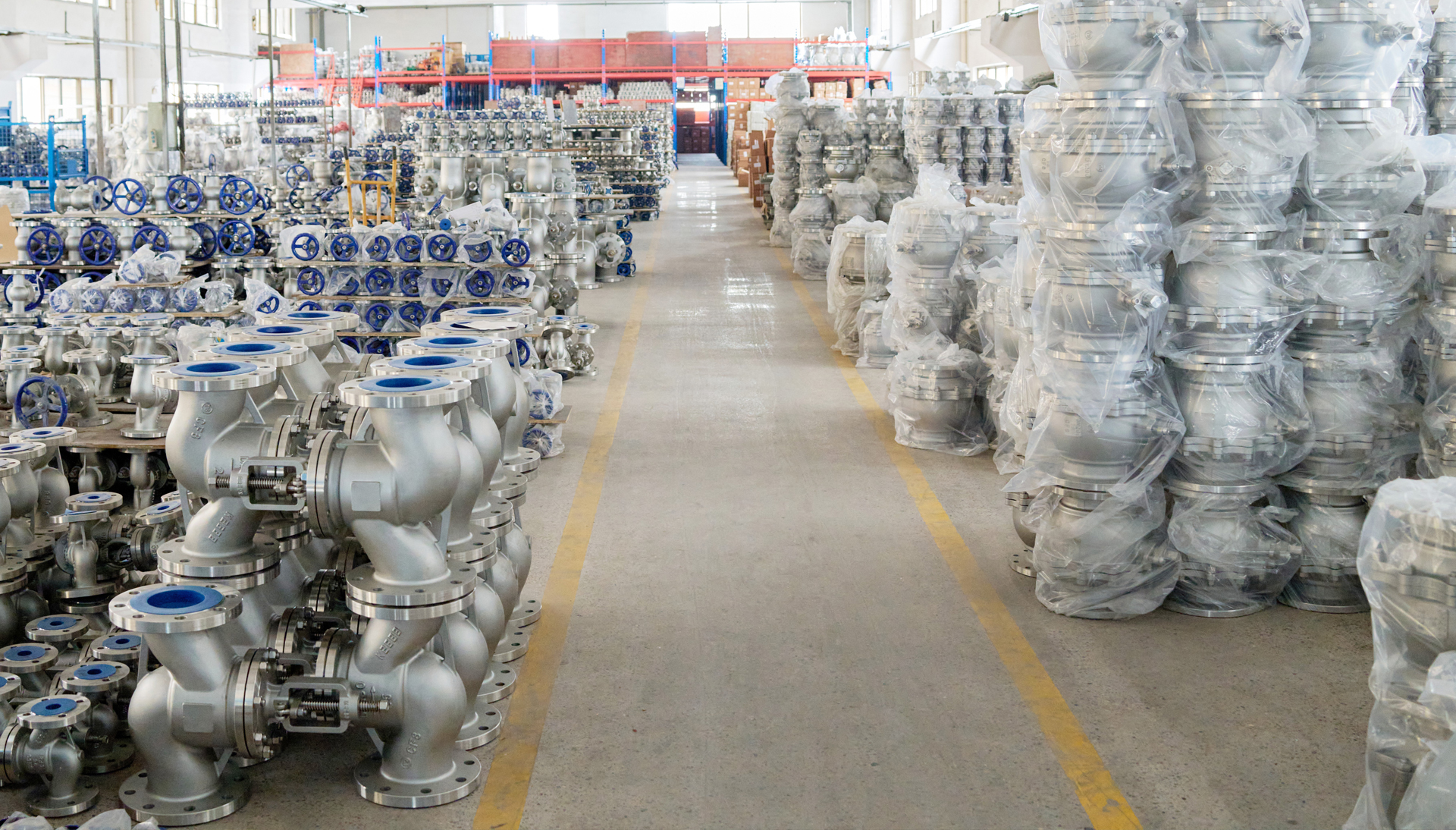
Engineering, procurement, and construction (EPC) projects require valve suppliers that can meet detailed technical specifications, maintain consistent product quality, and provide documentation throughout the procurement process. For projects involving water treatment, chemical processing, oil and gas, and power generation, stainless steel valves may be specified to address particular corrosion and operating requirements. At Zhongchi, we understand that EPC procurement decisions depend on more than the quoted unit price. Manufacturing capability, material traceability, inspection procedures, and communication all contribute to a successful supply arrangement.
1. Material Options for Different Operating Conditions
Stainless steel grades offer different corrosion resistance characteristics, making material selection an important part of project engineering. EPC teams need to match the valve construction to the process medium, pressure, temperature, and installation environment.
Experienced stainless steel valve manufacturers can help buyers clarify the available material options and their suitability for the intended application.
- 304 stainless steel: Used in a range of general industrial applications, subject to chemical compatibility and operating conditions.
- 316 stainless steel: Contains molybdenum and generally provides improved resistance to chloride-related corrosion compared with 304, although it is not suitable for every chloride environment.
- Cast stainless steel: Grades such as CF8 and CF8M may be specified for cast valve bodies, depending on the design and required material properties.
At Zhongchi, we encourage EPC buyers to provide the relevant material specifications rather than relying on a general description such as stainless steel. The body, disc, stem, seat, and gasket may require different material considerations.
2. OEM Capabilities Support Project-Specific Requirements
EPC projects frequently involve detailed valve schedules, project drawings, and purchasing specifications. OEM cooperation can help align the supplied products with these requirements, subject to the manufacturer's available designs and production capabilities.
During supplier evaluation, buyers should review the following capabilities:
- Product configuration: Confirm the valve type, nominal diameter, pressure class, end connection, and operating method.
- Material customization: Verify whether the proposed body and internal components meet the project material requirements.
- Identification and packaging: Discuss nameplates, tagging, project references, export packaging, and marking requirements.
- Documentation coordination: Agree on drawing submissions, inspection records, material certificates, and other required documents before production begins.
Clear communication at the quotation stage helps reduce specification discrepancies and makes the technical bid evaluation process easier to manage.
3. Quality Verification and Material Traceability
For EPC procurement, quality claims should be supported by verifiable records. Buyers need to confirm that the delivered valve corresponds to the approved specification and that the required inspections have been completed.
- Material certificates: Review chemical composition and mechanical property records against the specified material grade.
- Traceability: Confirm that applicable heat numbers, component markings, and production records can be linked to the supplied products.
- Pressure testing: Specify shell and seat leakage tests according to the applicable product standard and project acceptance criteria.
- Dimensional inspection: Check critical dimensions, flange connections, face-to-face measurements, and other interface requirements.
- Third-party inspection: Define any required witness points, hold points, and inspection responsibilities before manufacturing starts.
Requirements vary by valve type and project specification. Standards such as API 598 may apply to valve inspection and testing, while the relevant design standard depends on the product category. EPC teams should identify the required standards explicitly in their purchase documents.
4. Coordinating Procurement for Complex EPC Projects
Large projects may involve multiple valve types, pressure classes, materials, and delivery batches. A supplier's ability to coordinate these requirements is therefore an important evaluation factor.
Chinese manufacturers may offer access to established industrial supply chains and a broad range of valve products. However, buyers should assess each supplier individually rather than assuming that every factory has the same production resources or technical capabilities.
- Production planning: Request a realistic manufacturing schedule based on the approved specifications and order scope.
- Document control: Establish procedures for reviewing drawings, resolving technical comments, and managing specification revisions.
- Inspection coordination: Confirm inspection dates, acceptance criteria, and reporting responsibilities.
- Shipping preparation: Specify preservation, end protection, packaging, labeling, and shipment documentation.
These arrangements help procurement teams coordinate factory activities with project milestones and site installation plans.
5. Comparing Total Procurement Value Instead of Unit Price
A competitive quotation is useful only when the technical scope is comparable. An offer with a lower price may exclude inspection services, project documentation, special packaging, or required material options. These differences can affect the final procurement budget.
Before awarding an order, EPC buyers should compare:
- Valve price and the complete scope of supply.
- Material compliance and product testing requirements.
- Documentation, inspection, and certification costs.
- Freight, import charges, and packaging arrangements.
- Warranty terms, spare parts, and technical support arrangements.
A structured comparison helps the procurement team identify commercial differences without overlooking engineering requirements. Factory audits, sample document reviews, and reference checks can provide additional evidence during supplier qualification.
6. How Zhongchi Works with Industrial Valve Buyers
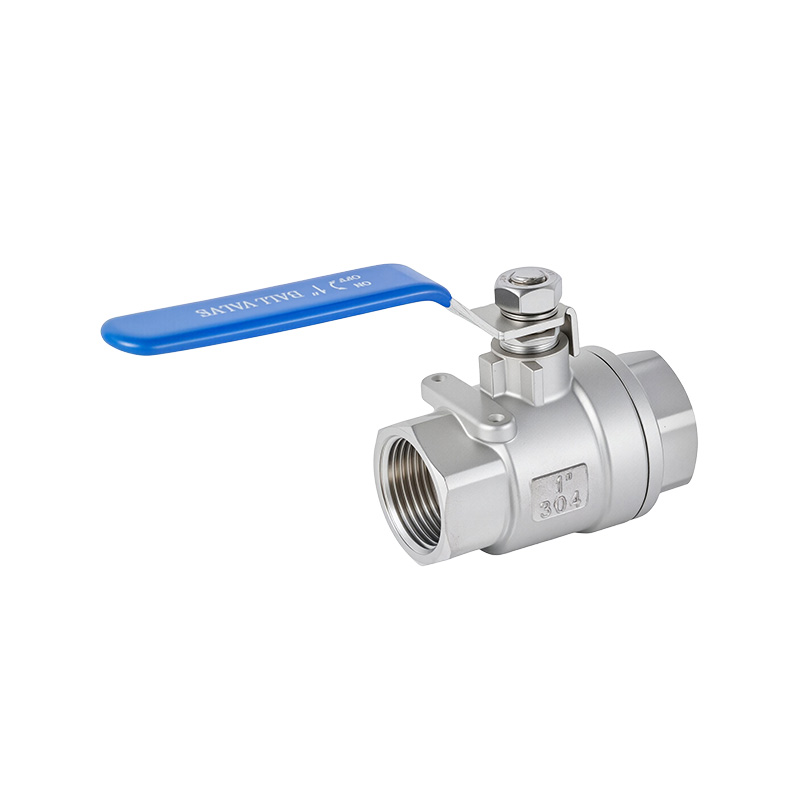
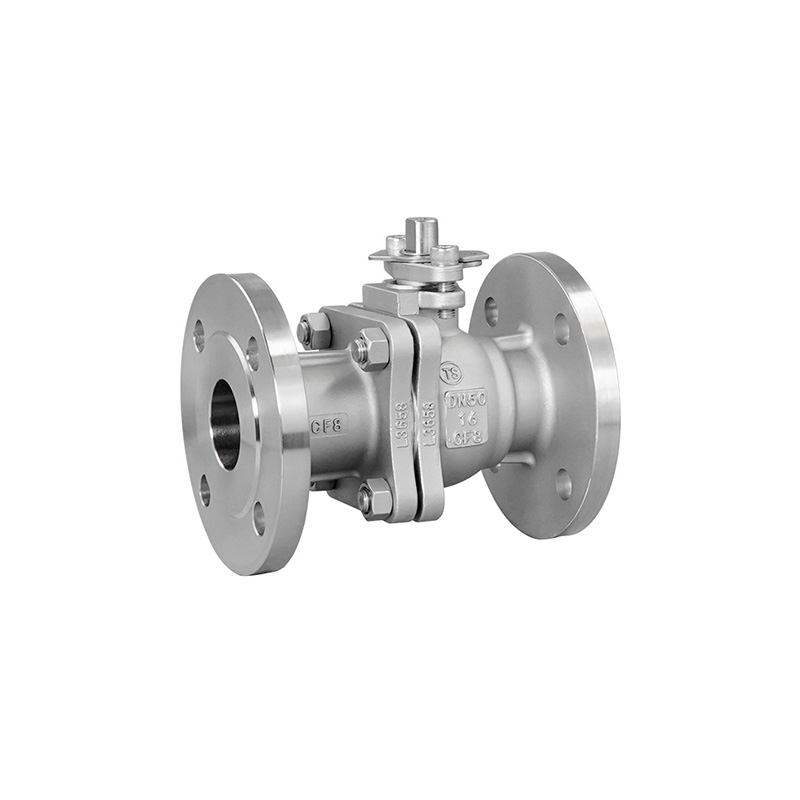
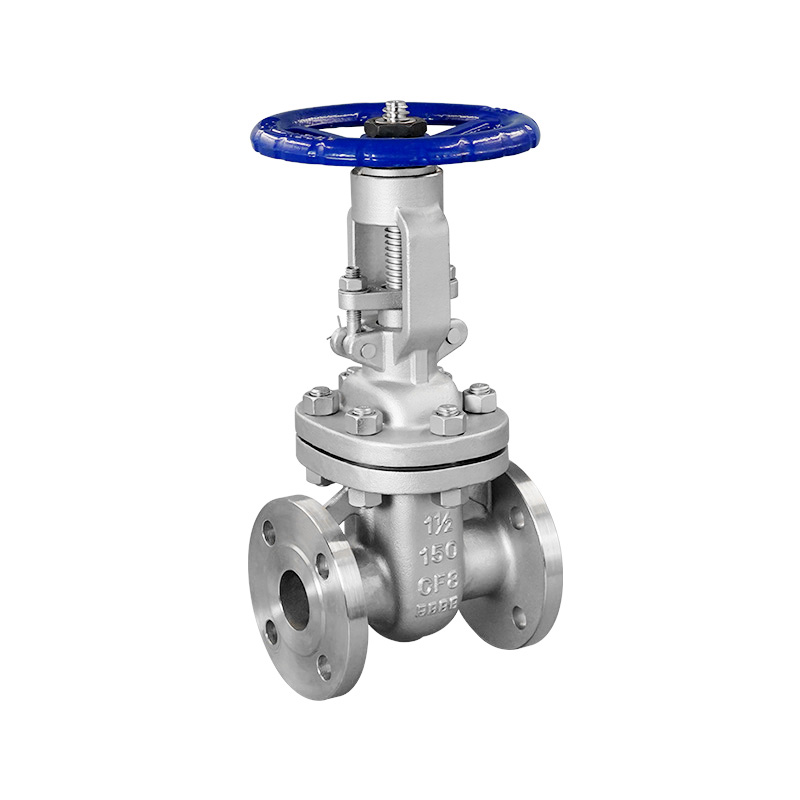
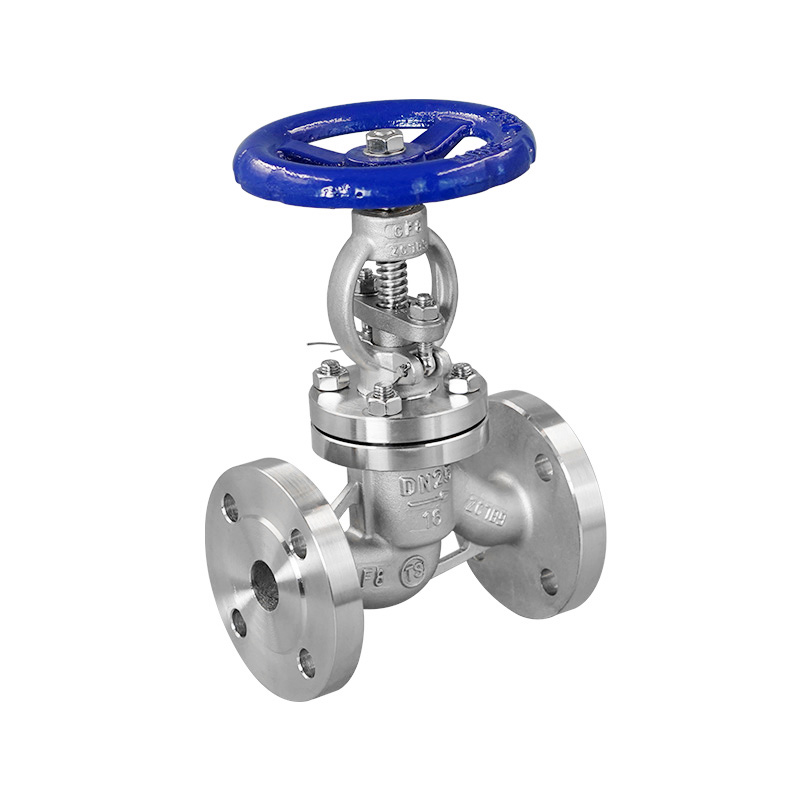
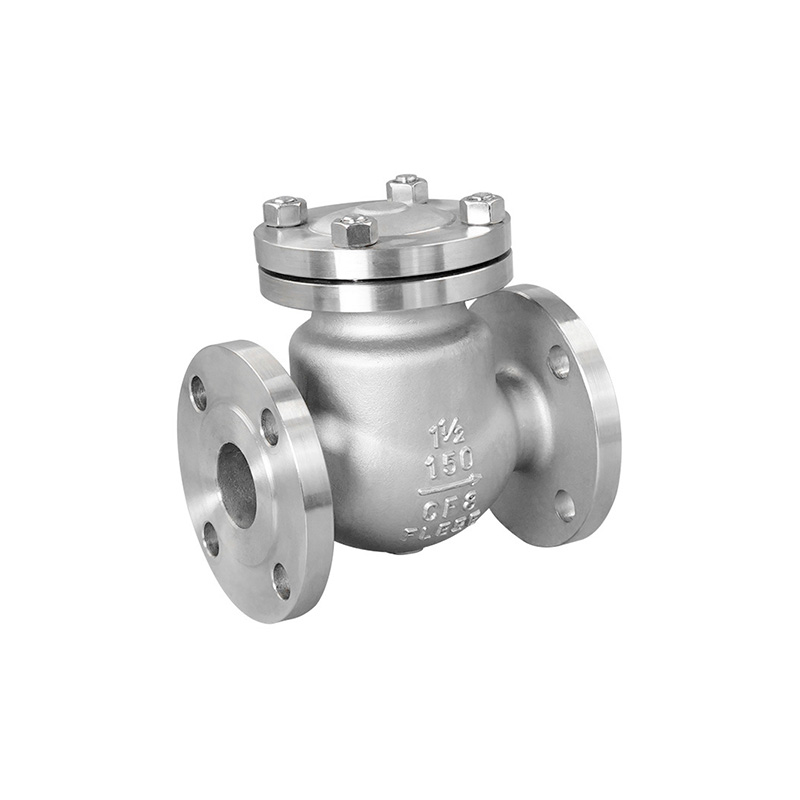
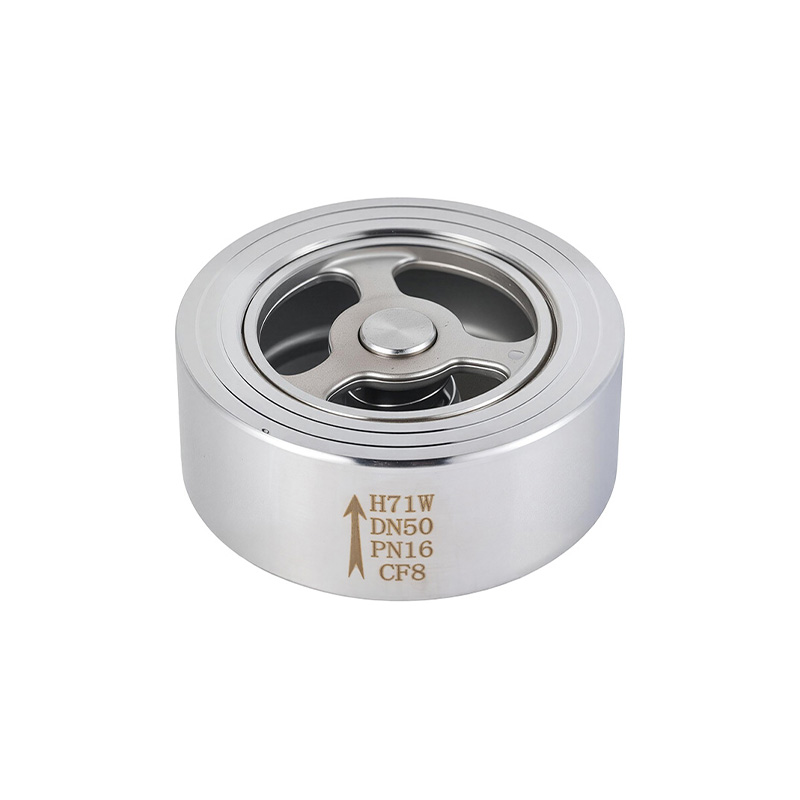
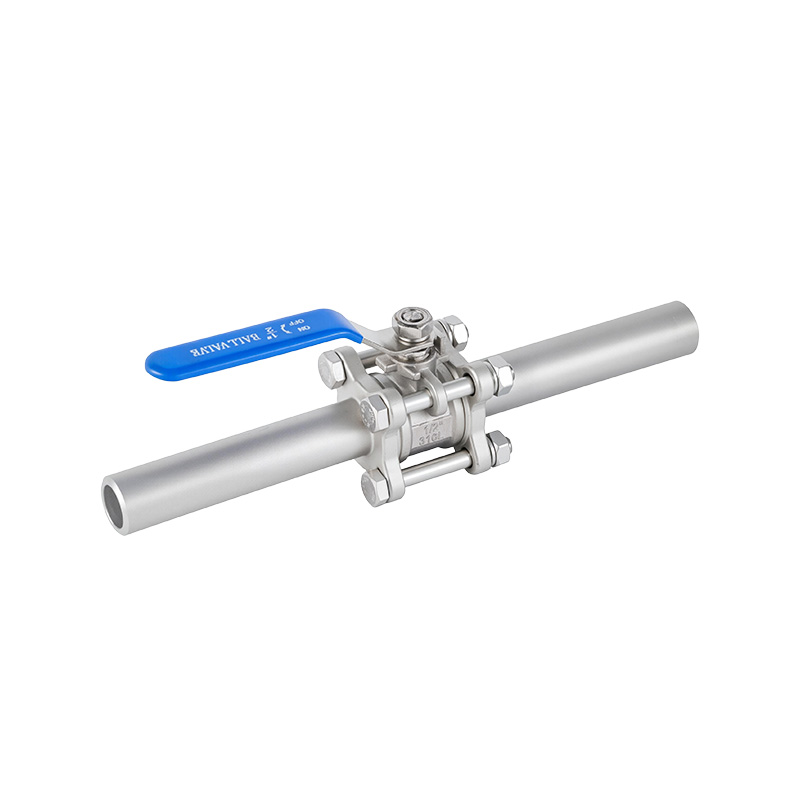
At Zhongchi, we serve industrial customers seeking valve solutions for different fluid handling applications. Our product range includes check valves, gate valves, ball valves, globe valves, and butterfly valves. We encourage EPC contractors, engineering firms, and procurement teams to share their technical specifications early so that product requirements can be reviewed before an order is confirmed.
Useful information for an initial inquiry includes:
- Valve type, size, pressure rating, and end connection.
- Required body and internal component materials.
- Process medium and operating temperature.
- Applicable design, inspection, and testing standards.
- Project documentation, marking, packaging, and delivery requirements.
Providing these details allows our team to understand the project scope and discuss the relevant product configuration and documentation requirements with the buyer.
Chinese stainless steel valve OEM manufacturers can be valuable sourcing partners for EPC projects that require defined material specifications, coordinated production, and documented quality checks. The purchasing decision should be based on verified manufacturing capability, technical compliance, inspection arrangements, and the complete cost of supply rather than country of origin alone.
Zhongchi welcomes inquiries from EPC contractors, engineering companies, and industrial distributors. Review our valve range or contact our team with your project specifications. Clear requirements and early technical communication provide a practical foundation for evaluating suitable valve solutions for your next project.