


 English
 русский
 Español
 عربى
عربى Português
Zhongchi
Zhongchi
Zhongchi
Zhongchi
Zhongchi
Zhongchi
Zhongchi
Zhongchi
Zhongchi

Stainless Steel Valve Manufacturer
-
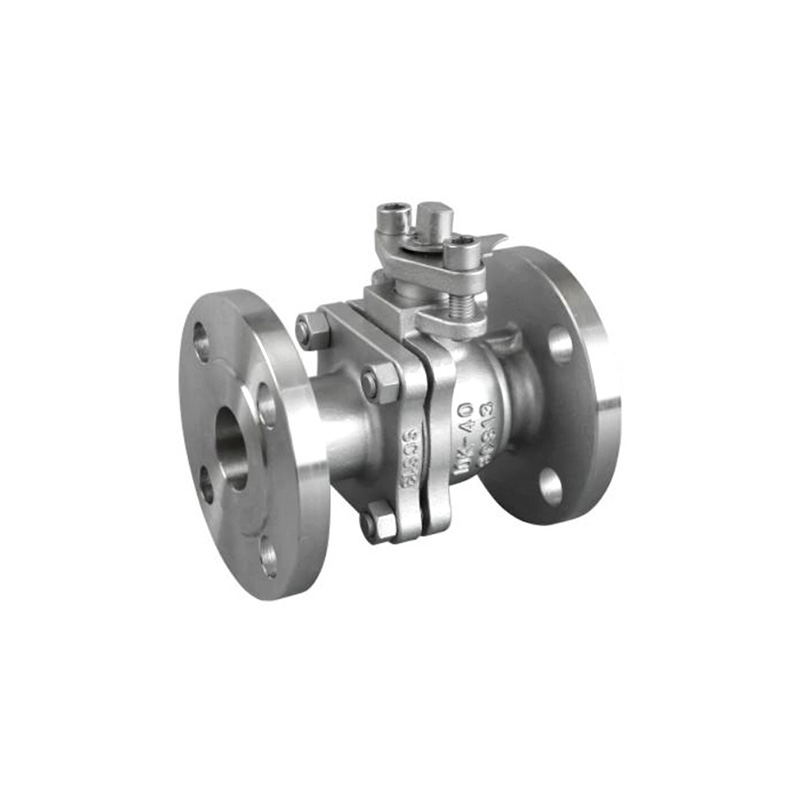

JIS Ball Valve
-
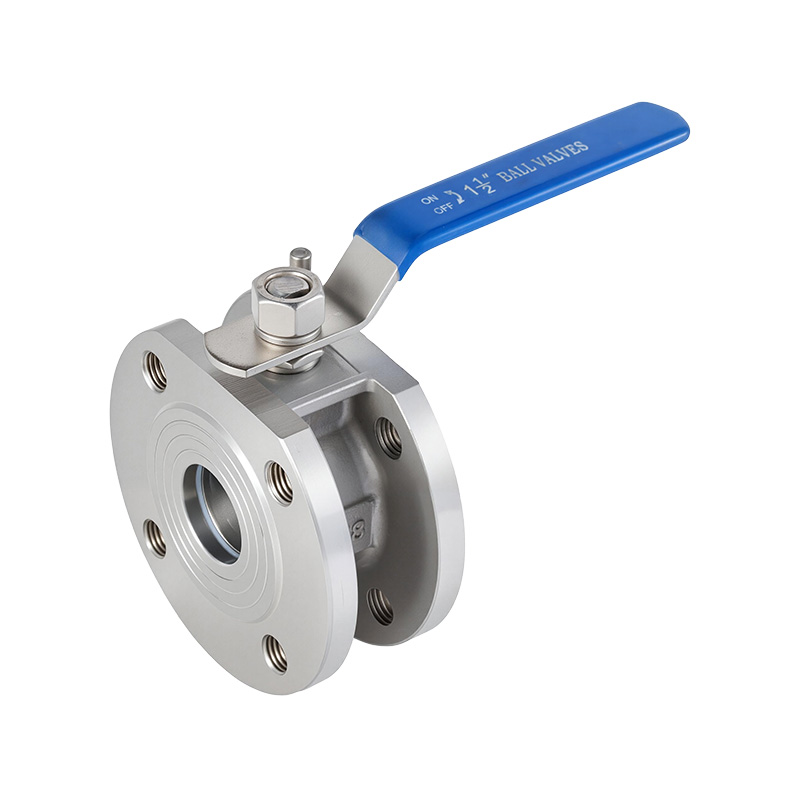
Wafer Thin Ball Valve
-
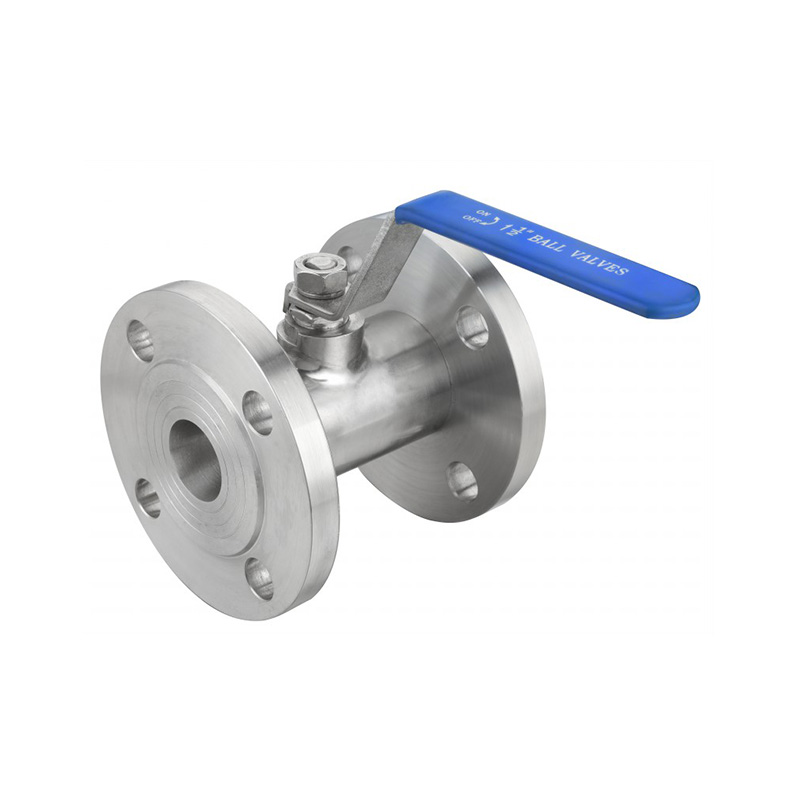
Forged Steel Flanged Ball Valve
-
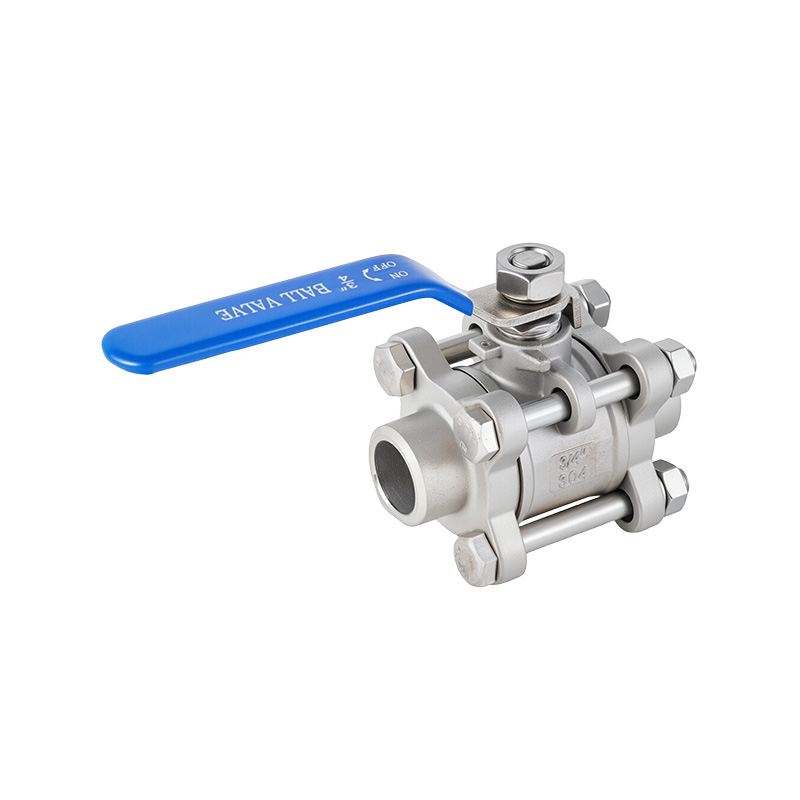
Three Pieces Manual Welded Ball Valve
-
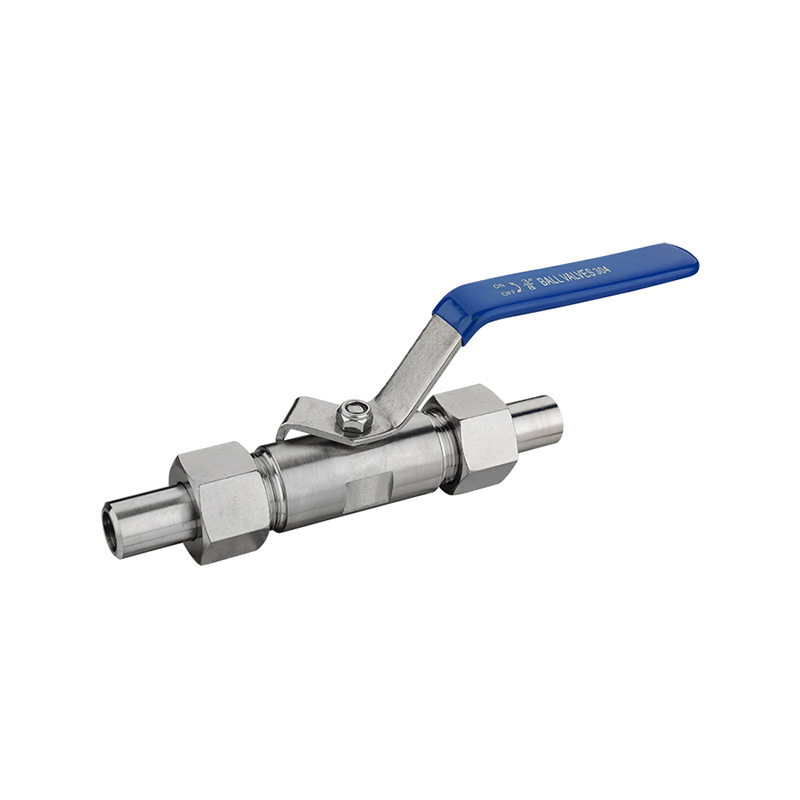
External Thread Ball Valve with Connecting Pipe
-
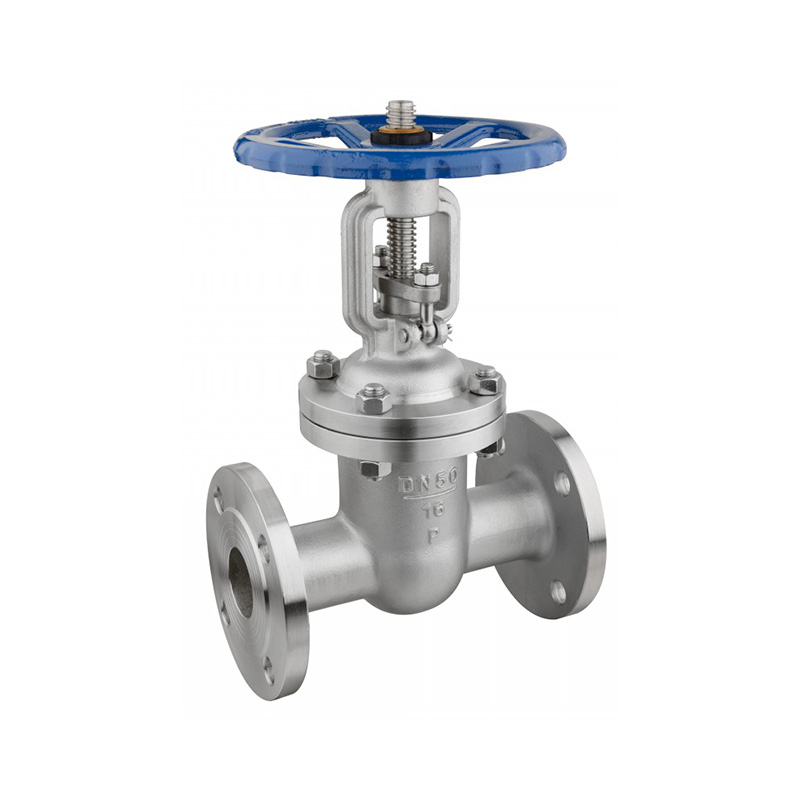
Hard-seal Rising Stem Flanged Gate Valve
-
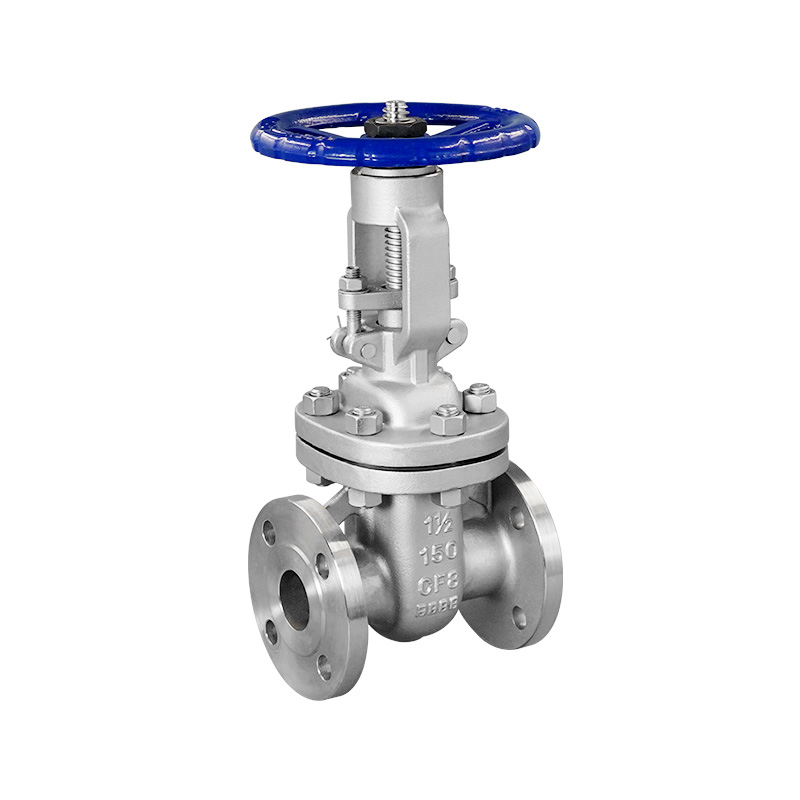
American Standard Flanged Gate Valve
-
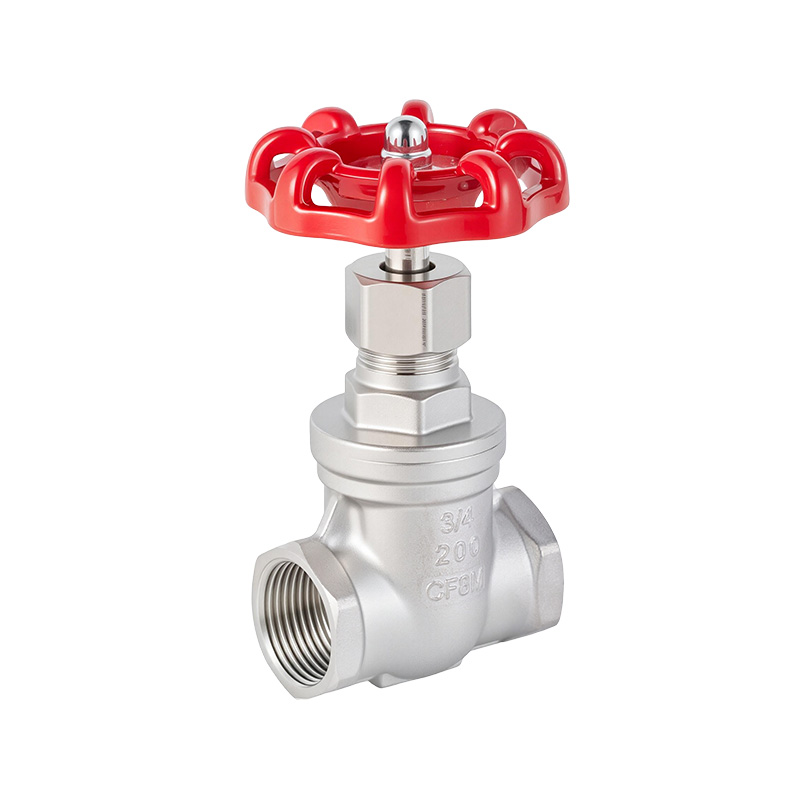
Threaded Gate Valve
-
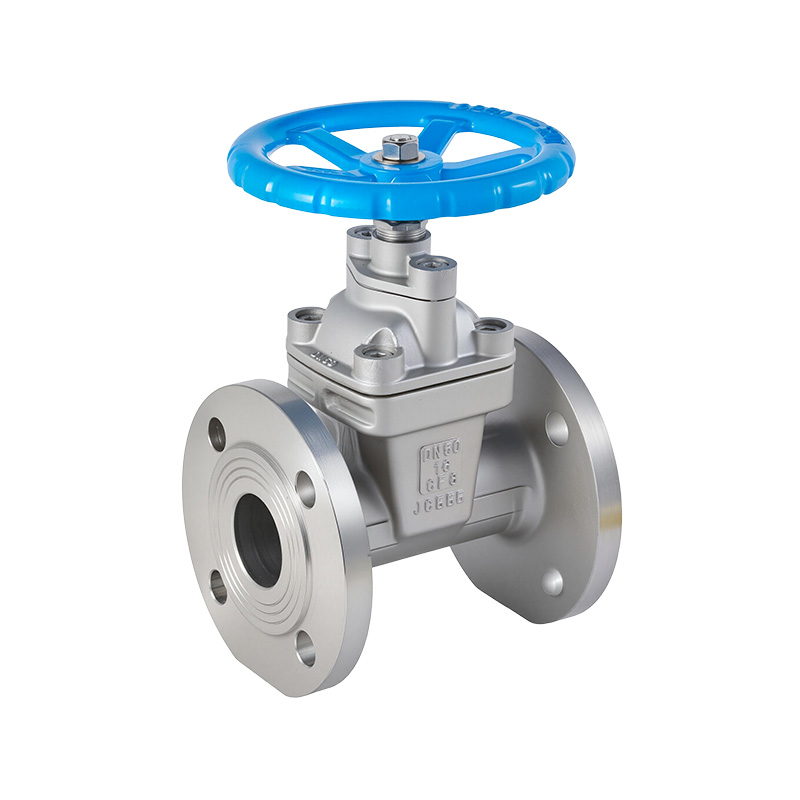
Non-rising Stem Resilient Seated Gate valve
-
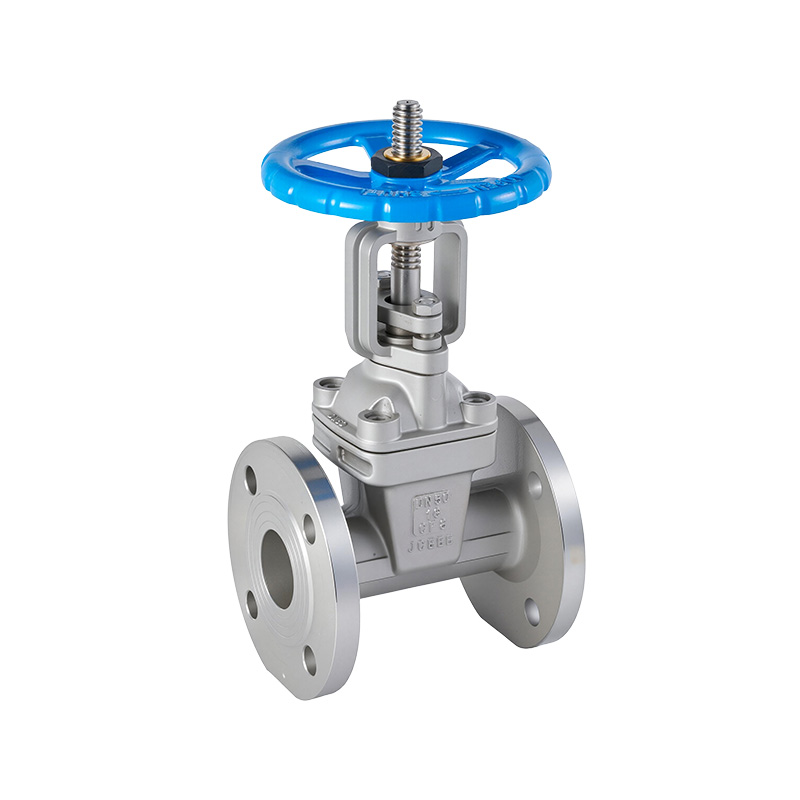
Rising Stem Resilient Seated Gate Valve
-
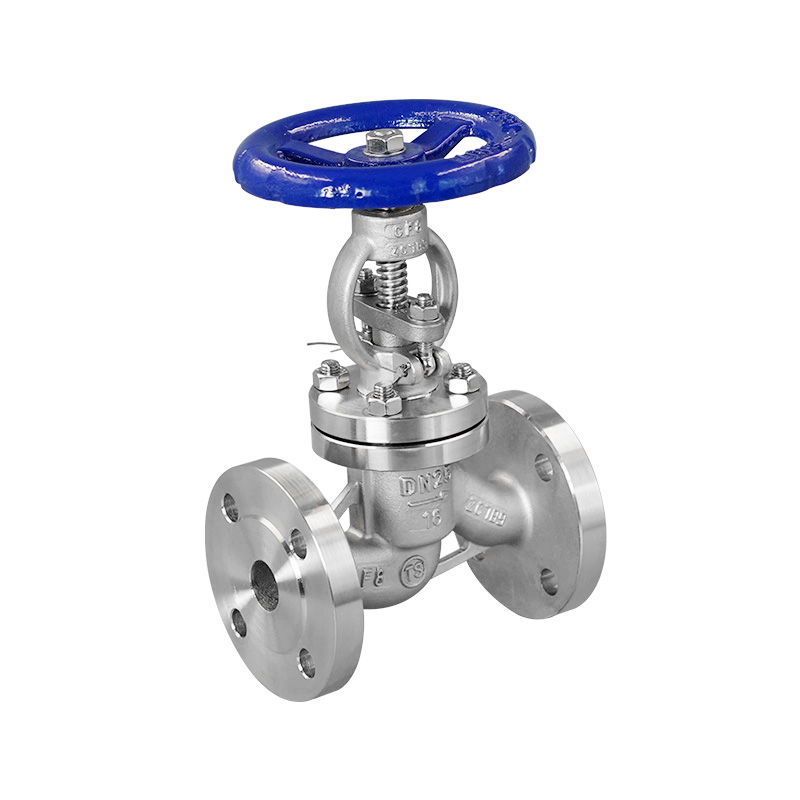
Flanged Globe Valve
-
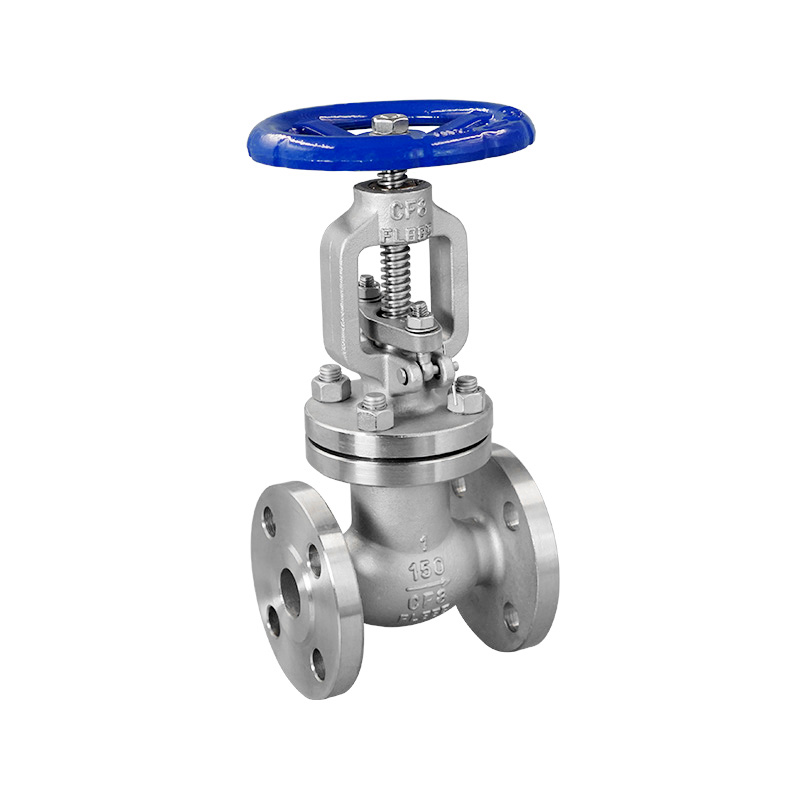
American Standard Globe Valve
About Us
Zhongchi Valve Group Co., Ltd.
Zhongchi Valve Group Co., Ltd. was established in April 2008. The company is a valve manufacturing enterprise that integrates design, development, production, and sales. It is located in the Binhai Industrial Park of Wenzhou Economic and Technological Development Zone.
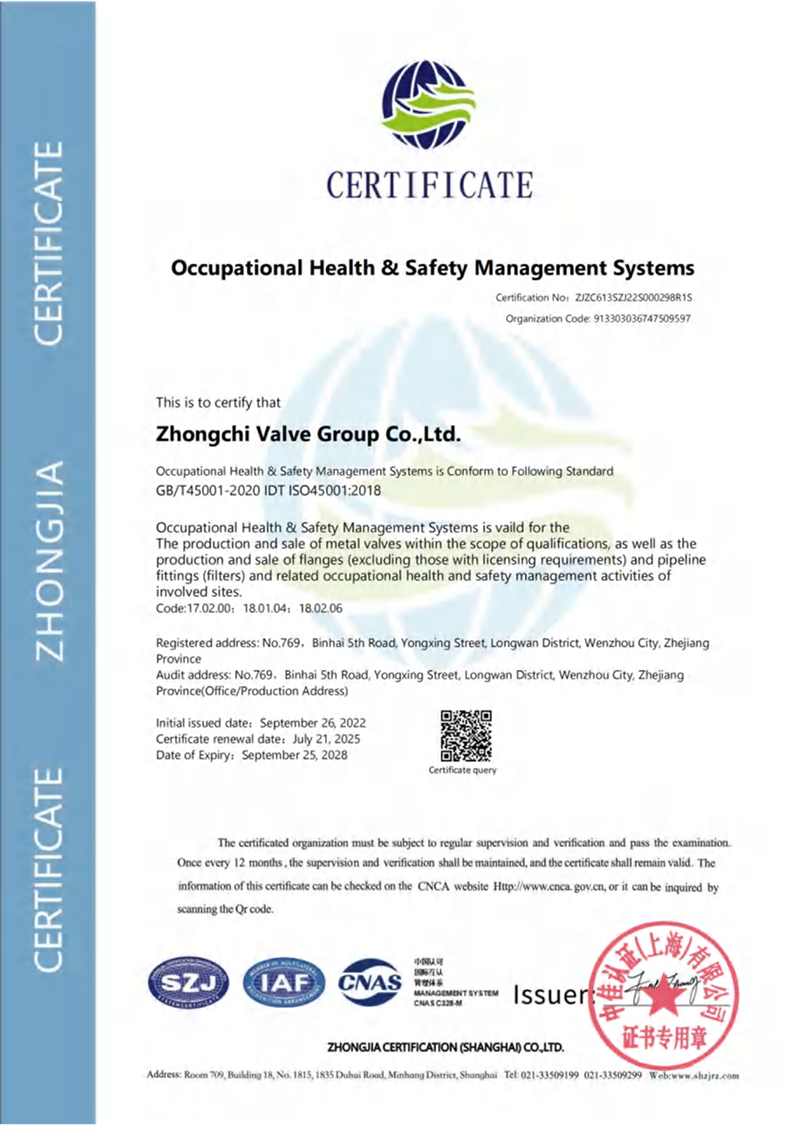
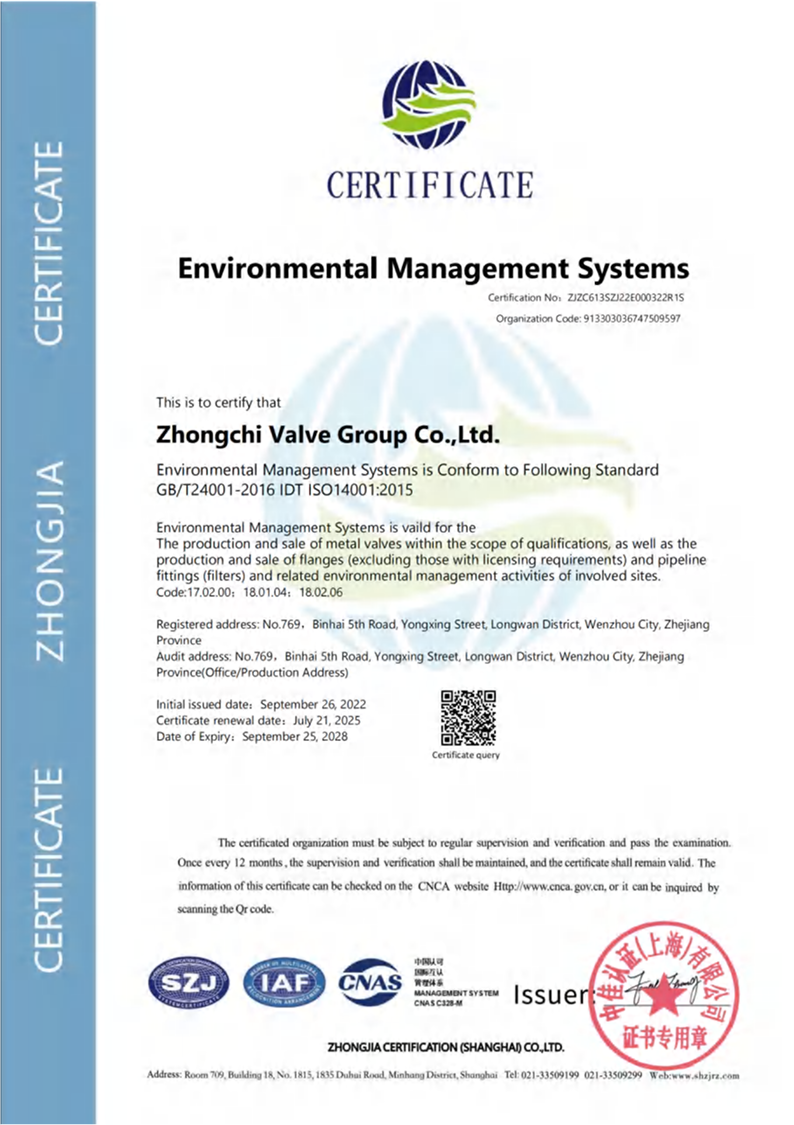
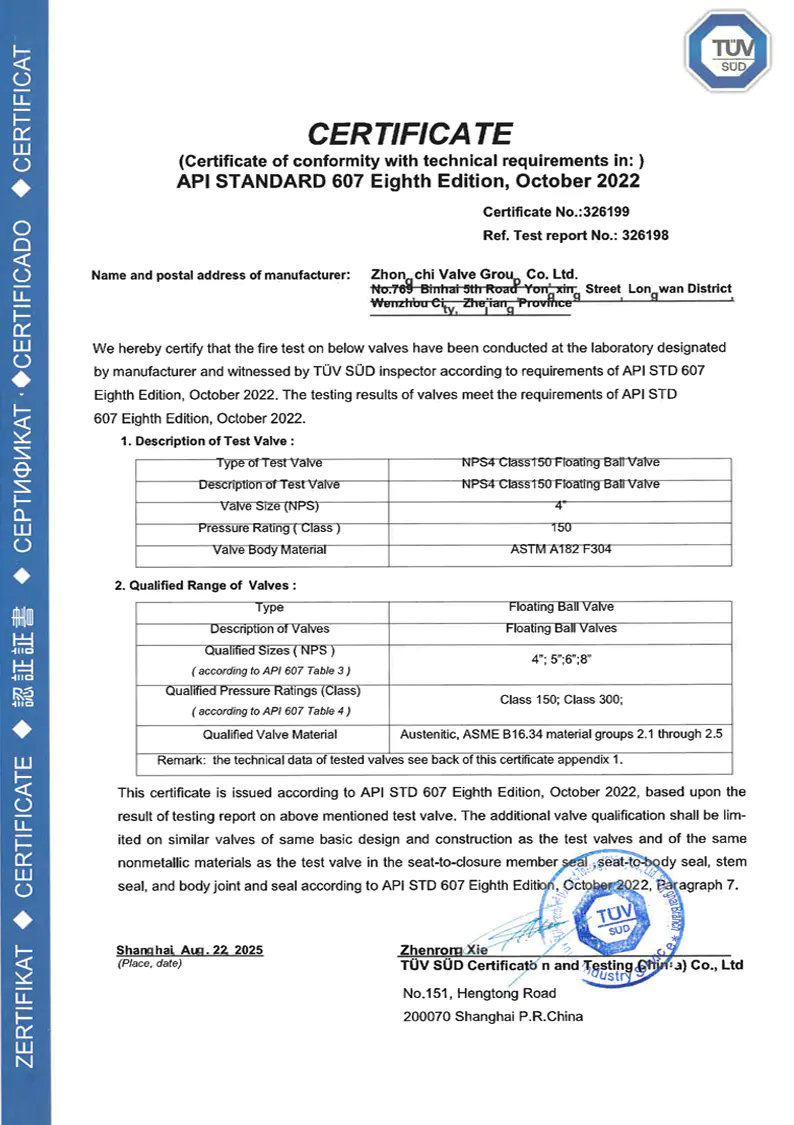
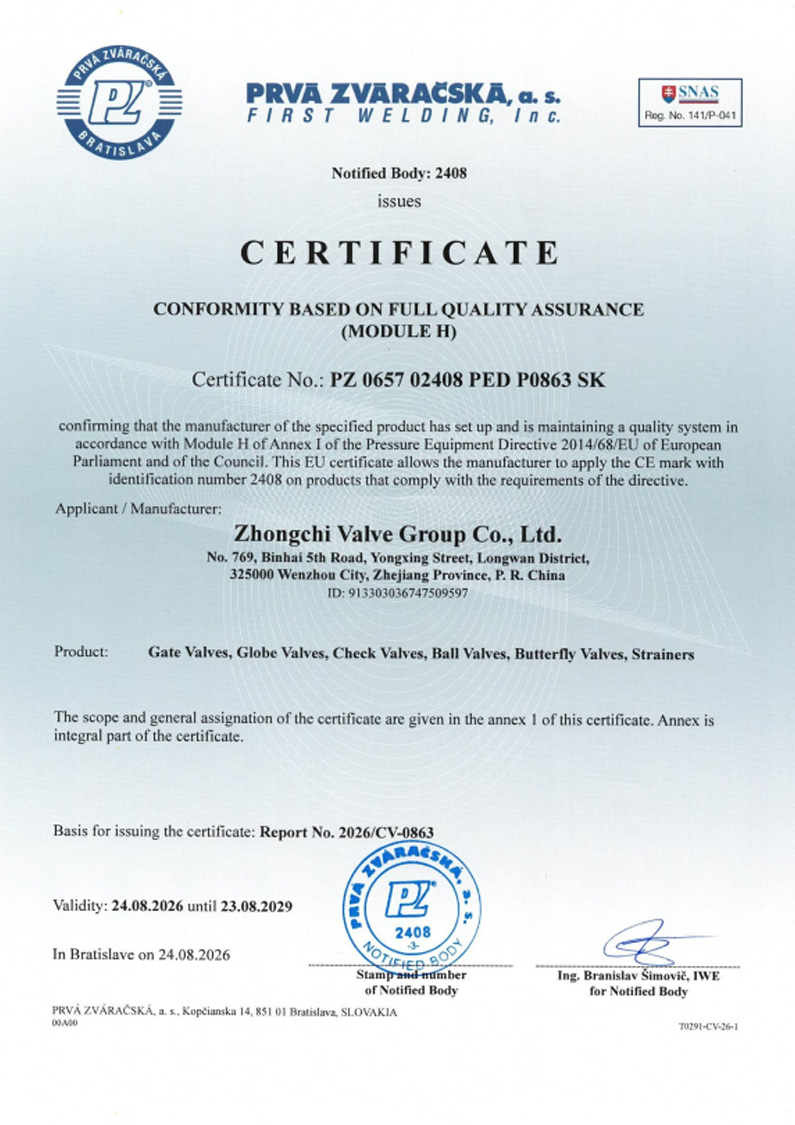
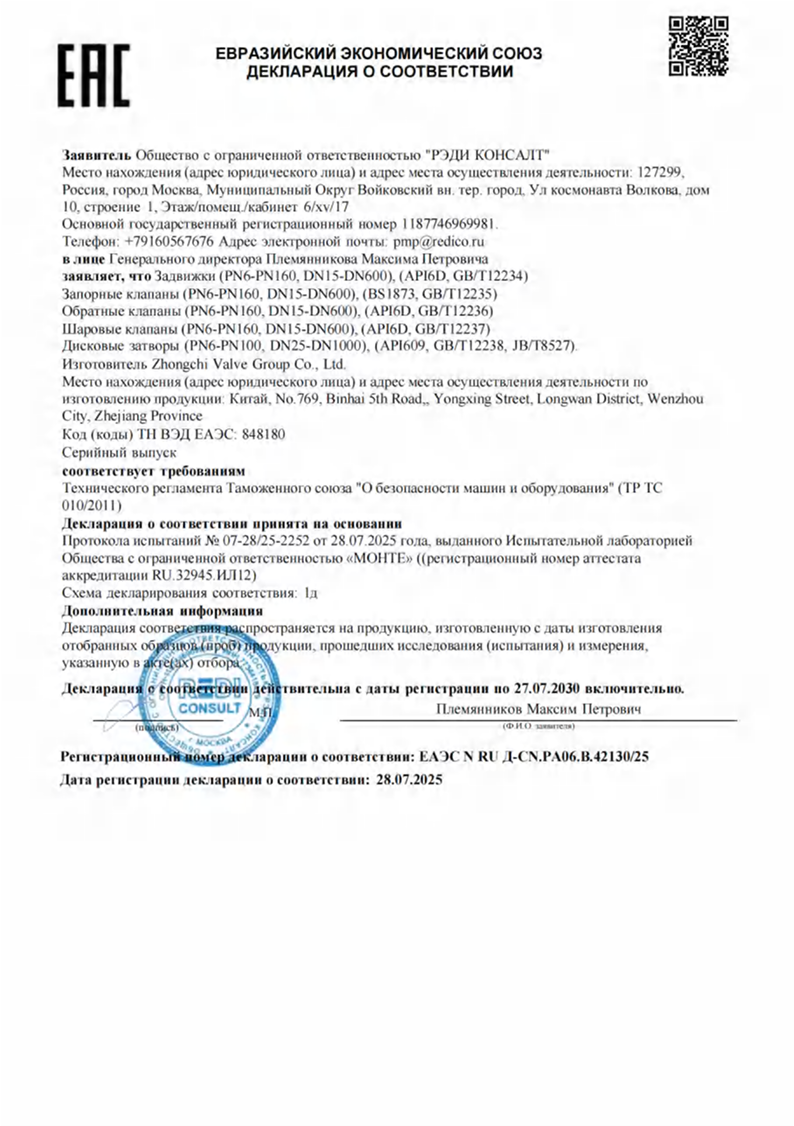
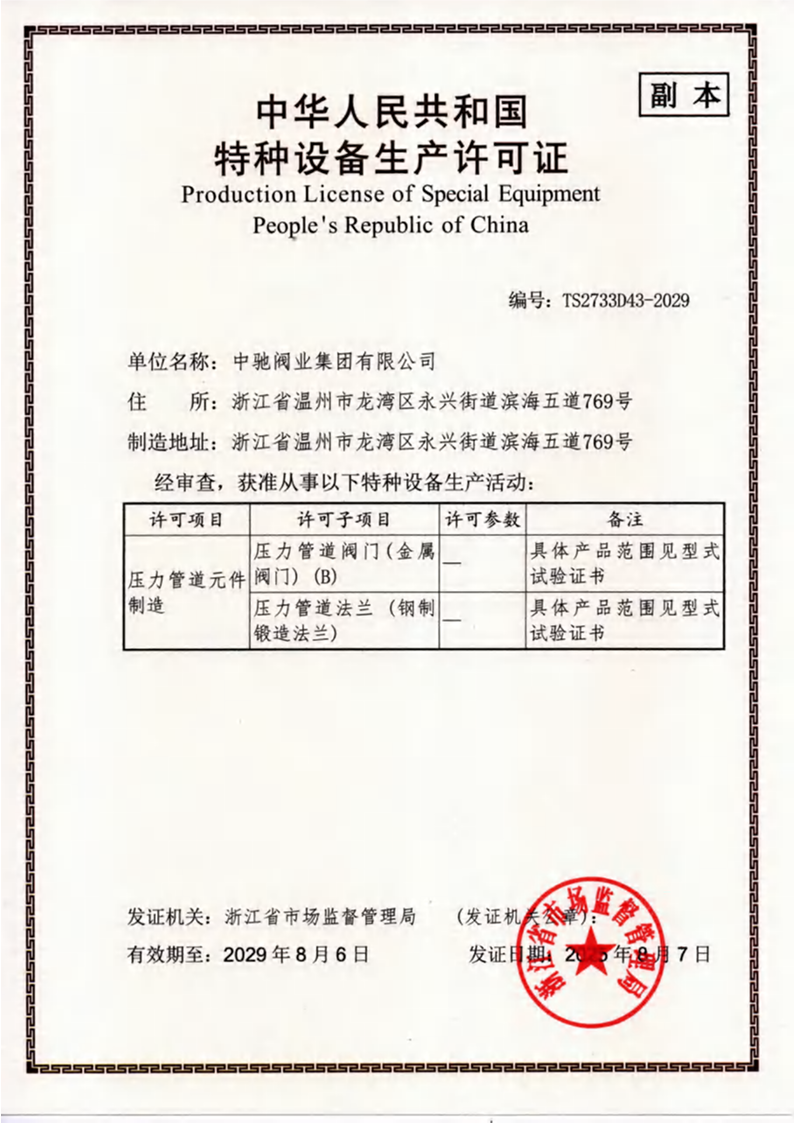
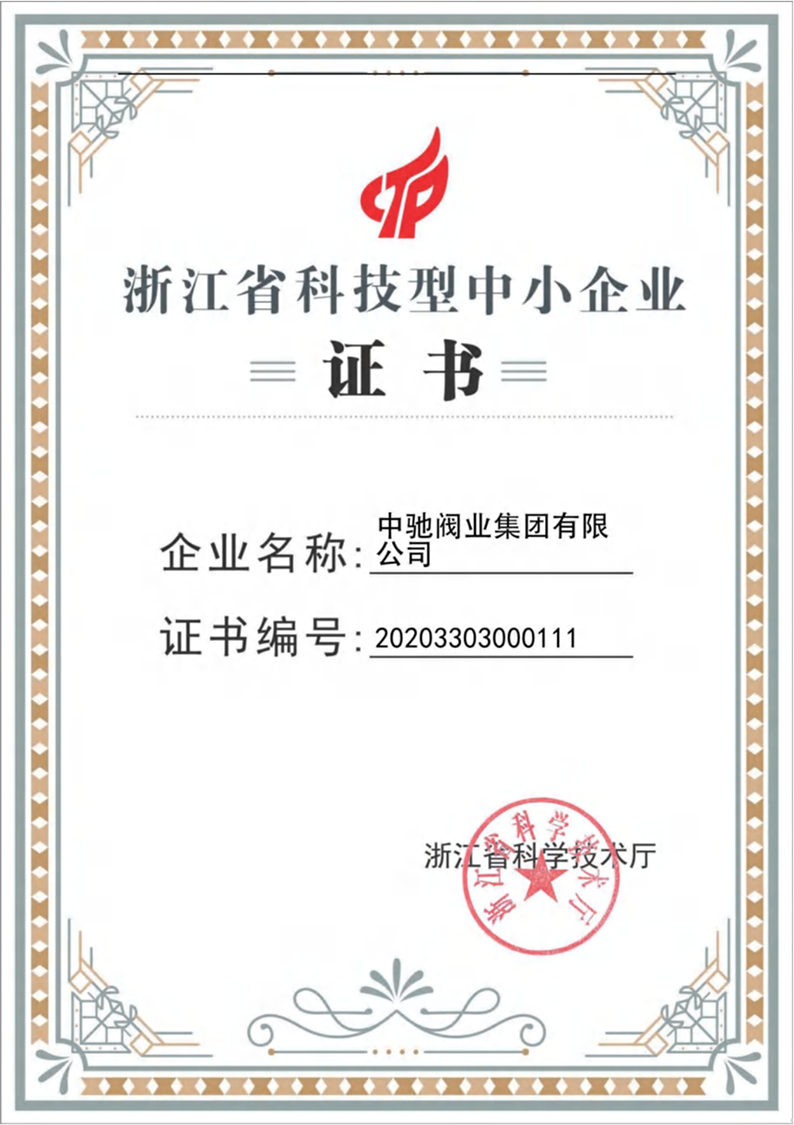
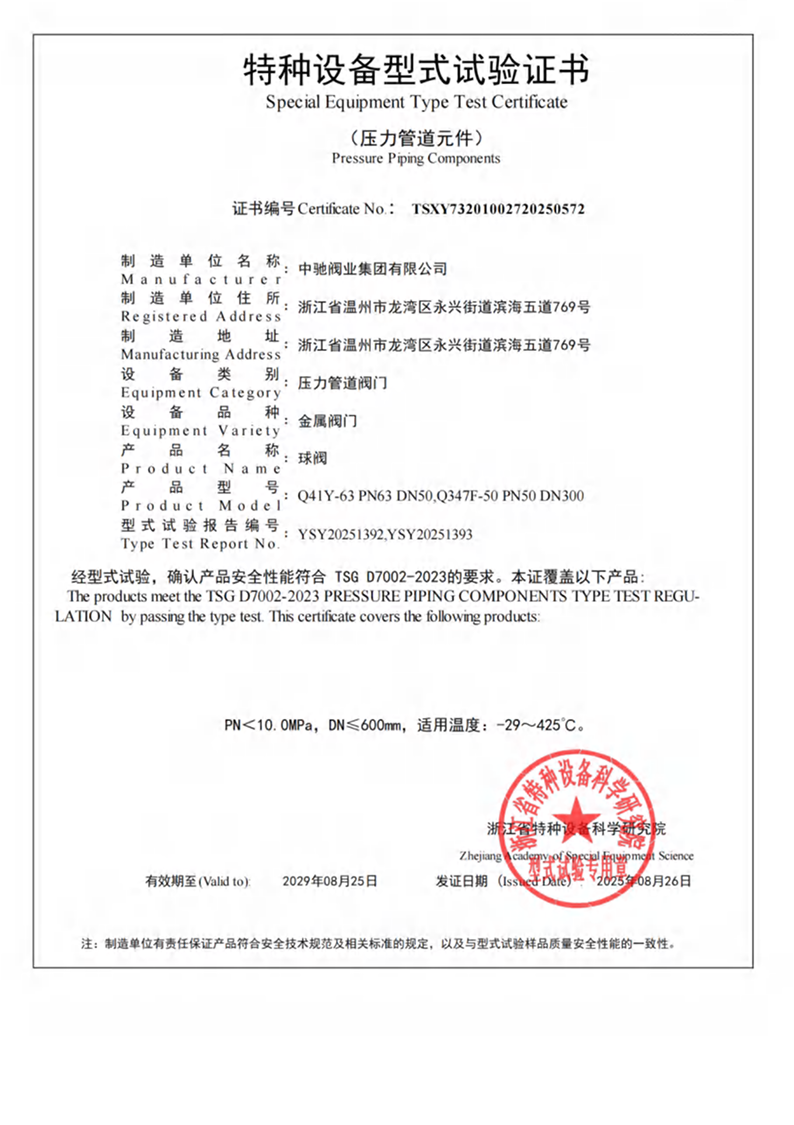
We provide customers with reliable quality assurance through advanced technology and scientific management, offers services with a complete range of products and a short delivery time, and strives to achieve the corporate goal of "building an excellent enterprise and creating a brand in the industry". The company has successively obtained ISO9001 international quality management system certification, ISO14001 environmental management system certification, ISO45001 occupational health and safety management system certification, special equipment manufacturing production license TS certification, CE certification, EAC certification, API607 fire protection certification, and has been recognized as a small and medium-sized technology enterprise in Zhejiang Province and a national high-tech enterprise.
The company's main products include ball valves, gate valves, globe valves, check valves, filters, butterfly valves, etc. These products are widely used in various industries such as petroleum, chemical, natural gas, light industry, electric power, pharmaceuticals, dyes, metallurgy, fiber, leather making, textile, food, military, construction engineering, refrigeration, water supply, and more.
We provide customers with reliable quality assurance through advanced technology and scientific management, offers services with a complete range of products and a short delivery time, and strives to achieve the corporate goal of "building an excellent enterprise and creating a brand in the industry". The company has successively obtained ISO9001 international quality management system certification, ISO14001 environmental management system certification, ISO45001 occupational health and safety management system certification, special equipment manufacturing production license TS certification, CE certification, EAC certification, API607 fire protection certification, and has been recognized as a small and medium-sized technology enterprise in Zhejiang Province and a national high-tech enterprise.
The company's main products include ball valves, gate valves, globe valves, check valves, filters, butterfly valves, etc. These products are widely used in various industries such as petroleum, chemical, natural gas, light industry, electric power, pharmaceuticals, dyes, metallurgy, fiber, leather making, textile, food, military, construction engineering, refrigeration, water supply, and more.
Stay Connected, Insights & Innovation from Zhongchi
-
 Industry News
 2026.09.25
Oil and gas valve procurement involves technical requirements that go well beyond valve size and pur...
2026.09.25
Oil and gas valve procurement involves technical requirements that go well beyond valve size and pur... -
Industry News
2026.09.25
Mesh size has an effect on what a Y‑type Flanged Strainer can retain. A finer mesh does not automati...
-
Industry News
2026.09.18
Ball valve procurement for oil, gas, chemical, and process applications involves more than choosing ...
-
Industry News
2026.09.18
Vertical piping creates a different operating condition for a check valve. Gravity affects the movem...
-
Industry News
2026.09.11
Three-way ball valves give piping systems more routing options without requiring separate valves for...
-
Industry News
2026.09.11
Global valve sourcing often involves several manufacturing regions, with China, India, and Korea ser...
Certificate Of Honor
The Guide to Stainless Steel Valves: What You Need to Know Before You Buy
Stainless steel valves are used in places, such as food plants and offshore platforms. They do not corrode easily and can handle a lot of pressure. Last for a long time... To find the right one you need to know who makes stainless steel valves how to check if a supplier is good and which type of stainless steel is best for your job.
What Kind of Industries Do the Stainless Steel Valve Manufacturer Usually Work With?
Different industries need stainless steel valves to do things. A good maker of stainless steel valves builds products for industries, which says a lot about what they can do.
Food and Beverage: This is where it is very important that the design is clean. Stainless steel valves are used to handle things like milk, juice, beer and wine. Things that can go bad or get contaminated. You should look for options that meet the standards of 3A or the FDA.
Biotech: It is very important to be clean in these places. They use cleaning products so they often want the surfaces that touch the products to be made of 316L stainless steel. The stainless steel valve has to be able to withstand the process and the cleaning.
Chemical Processing: In this industry stainless steel valves are used with fluids that can corrode, heat and very high pressures. The material of the stainless steel valve has to be strong enough to handle what is flowing through the pipe. It can be a safety problem.
Gas: Stainless steel valves are used from the well to the refinery. They have to be very strong. They have to be able to handle pressure, bad conditions and big changes in temperature.
Marine: Seawater can damage steel easily. That is why 316 stainless steel is often used for ships and equipment that is used in the sea. The molybdenum in the steel helps to fight off the bad effects of the seawater.
| Industry | Typical Use | Critical Requirements |
| Food & Beverage | Dairy, beverages, processing lines | Sanitary design, 3-A or FDA compliance |
| Pharmaceutical | Drug manufacturing, biotech | 316L material, CIP compatibility |
| Chemical Processing | Acids, solvents, reactive chemicals | Broad chemical resistance, temperature tolerance |
| Oil & Gas | Pipelines, refineries, wellhead equipment | API compliance, sour service capability |
| Marine | Seawater systems, offshore installations | Chloride resistance, 316 grade required |
How Do I Verify a China Stainless Steel Valve Supplier Before Placing an Order?
Sourcing from China works well if you do your homework. Skip the checks, and you might get boxes full of scrap. Here's what experienced buyers look at.
Check the factory, not just the website:
- Look for ISO 9001 as a baseline, but also ask about specific standards—ASME, API 6D, CE. Those matter for your market.
- Ask for photos or a video walkthrough. You want to see CNC machines, welding stations, and assembly areas. Trading companies won't have those.
- Find out if they stock raw castings and forgings. Suppliers with inventory can turn orders around faster when you're in a pinch.
Dig into quality control:
- Get the Material Test Reports. You need to see the actual chemistry and mechanicals for the steel grade—ASTM A276 for 316, for example.
- Ask about their testing routine. Hydrostatic pressure tests? Dye penetrant? How many units get tested—100% or just a batch? Insist on 100% for critical orders.
- Order samples. Run them through your own checks—dimensions, surface finish, pressure hold. It's cheaper to catch problems on five pieces than on five hundred.
Look at the business side:
- Ask about delivery performance. Good suppliers hit 95% on-time or better.
- Time their response. If they take three days to reply to a quote request, imagine how they'll handle a quality complaint.
- Check reorder rates. If customers keep coming back, that says more than any brochure.
What Is the Difference Between Cast Steel and Forged Steel Valves?
This is one of the common debates in valve selection. The distinction comes down to how the raw material's shaped into the valve body.
Cast Steel Valves are made by pouring steel into a mold cavity. The liquid metal. Solidifies into the desired shape. This process allows for geometries and is generally more economical for larger valves and lower production volumes.
Forged Steel Valves are made by taking a billet of steel and shaping it under extreme pressure. The mechanical hammering or pressing aligns the grain structure of the metal, which makes the finished product denser and stronger.
| Feature | Cast Steel | Forged Steel |
| Manufacturing process | Molten steel poured into a mold | Heated steel shaped under pressure |
| Grain structure | Random, cast grain pattern | Aligned, denser grain flow |
| Strength | Good, but more porous | Superior, more impact-resistant |
| Porosity | Minor internal voids possible | Virtually none |
| Best application size | Larger diameters (2" and up) | Smaller diameters (under 2") |
| Typical pressure rating | Lower to moderate | Higher |
| Cost | Generally lower for complex shapes | Generally higher due to processing |
Which one should you pick? For pressure high-temperature or critical safety applications, forged steel is often the standard. The denser grain structure makes it less likely to leak or fail under stress. For larger-diameter lines where pressuresre moderate and cost is a concern, cast steel does the job.
Which Stainless Steel Grade Is Best for Valves — 304 or 316?
This decision usually comes down to one question: Is saltwater or chloride going anywhere near this valve?
304 Stainless is the workhorse. It's got 18% chromium and 8% nickel—what people call "18-8." It handles general corrosion fine and machines easily. Use it for:
- Fresh water, oil, and gas lines without chlorides
- Indoor, climate-controlled settings
- Food gear that doesn't see harsh chemicals or salt
316 Stainless adds 2% molybdenum. That small addition makes a huge difference—it fights off pitting from chlorides. Specify it for:
- Marine environments and offshore work
- Chemical and pharmaceutical lines
- Anywhere with regular washdown, salt exposure, or de-icing salts
| Feature | 304 Stainless Steel | 316 Stainless Steel |
| Chromium content | ~18% | ~16% |
| Nickel content | ~8% | ~10% |
| Molybdenum content | None | ~2% |
| Corrosion resistance | Good general resistance | Superior chloride resistance |
| Best applications | Fresh water, dry indoor service | Marine, chemical, pharma, washdown environments |
| Key trade-off | Lower initial cost | Higher cost, longer service life in tough conditions |
Get a Free Quote
Quick Links
Products
Contact Information
-
 +86-13396775805
-
 +86-577-86934868
-
 cn@cnchivalve.com
-
 No. 769, Binhai 5th Road, Yongxing Street, Longwan District, Wenzhou City, Zhejiang Province, China
Copyright © Zhongchi Valve Group Co., Ltd.All rights reserved.
 Industrial Pipeline Valve Manufacturer