


 English
 русский
 Español
 عربى
عربى
Zhongchi
Zhongchi
Zhongchi
Zhongchi
Zhongchi
Zhongchi
Zhongchi
Zhongchi
Zhongchi

Ball Valve Maker
Ball valve — The valve stem drives the closure member (ball). The ball rotates around the valve axis, and turns 90° to open and close. This valve has no installation direction requirement. It realizes quick opening and closing with good sealing performance. It is suitable for occasions requiring frequent operation and zero leakage. Ball valves are generally not used for flow regulation.Ball valves can be classified into metal seated(hard-seated) and soft-seated types according to sealing materials.By connection types,they are categorized as flanged connection,threaded connection,welded connection,wafer connection and clamp connection.
-
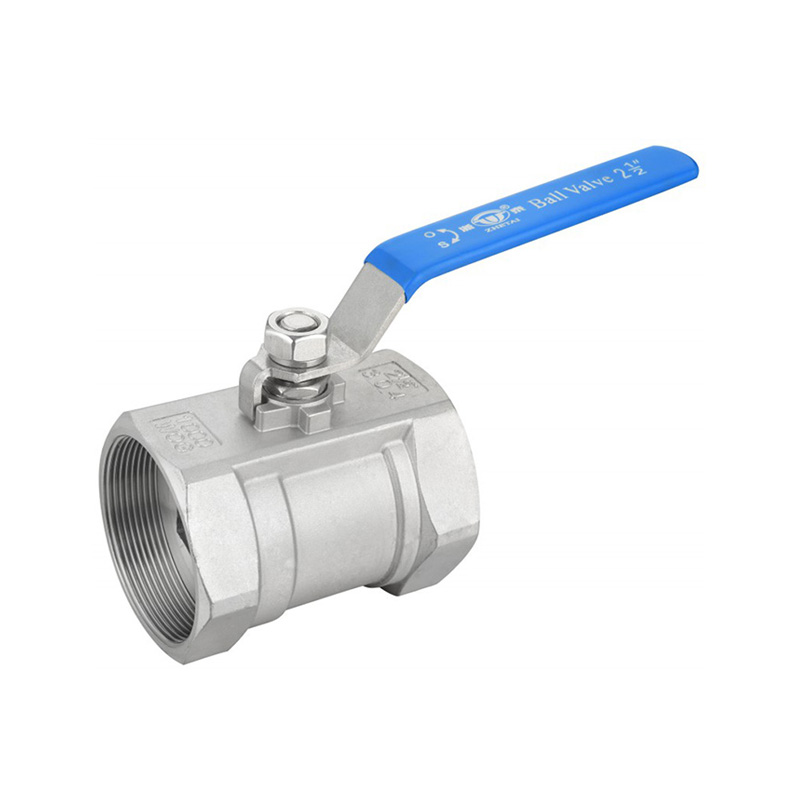

One Piece Manual Female Threaded Ball Valve
-
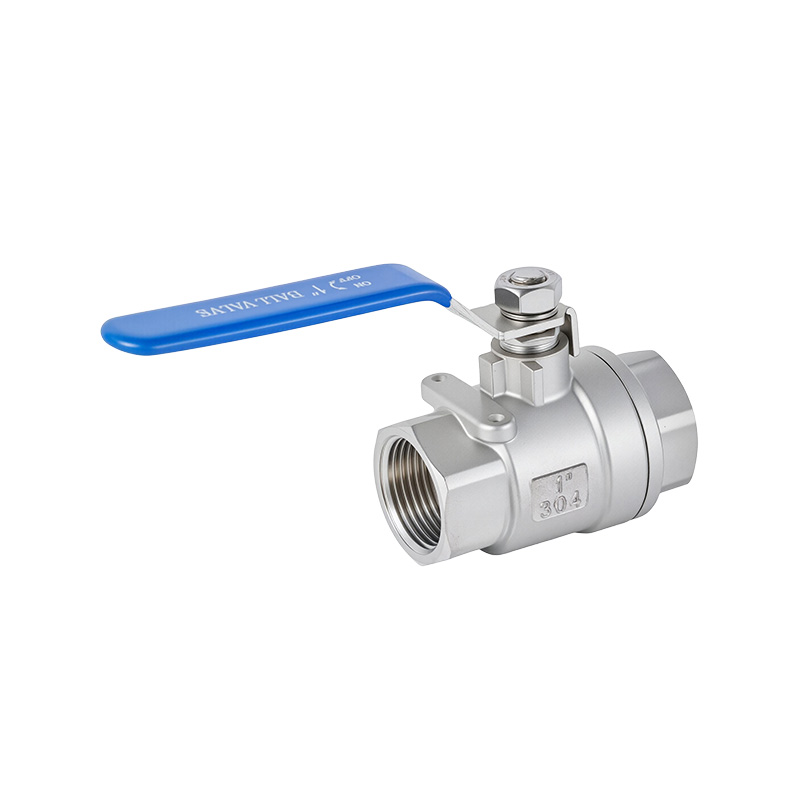
2PC Manual Internal Threaded Ball Valve
-
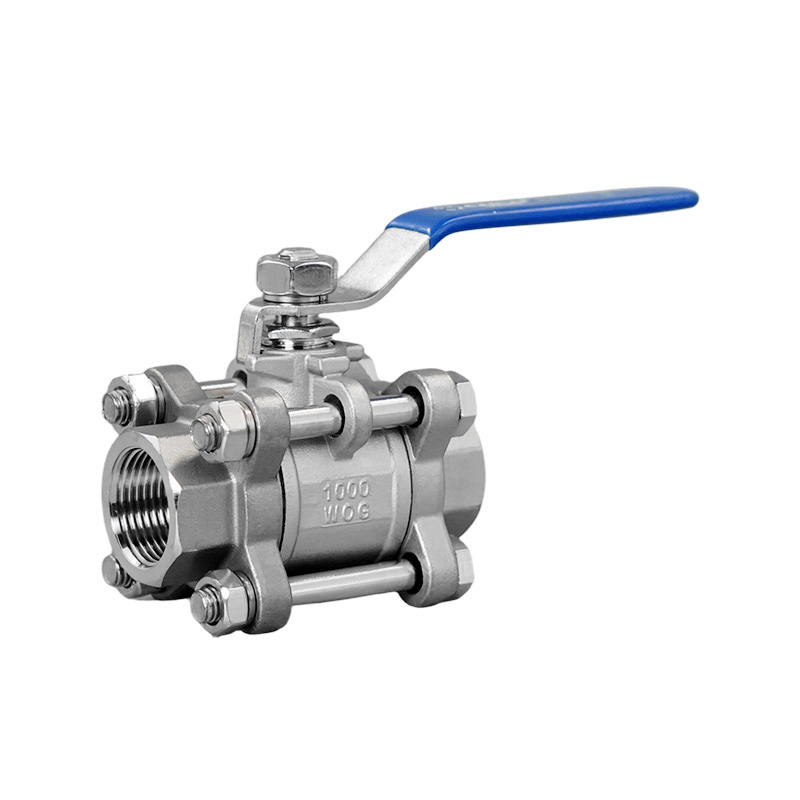
Three Pieces Manual Female Threaded Ball Valve
-
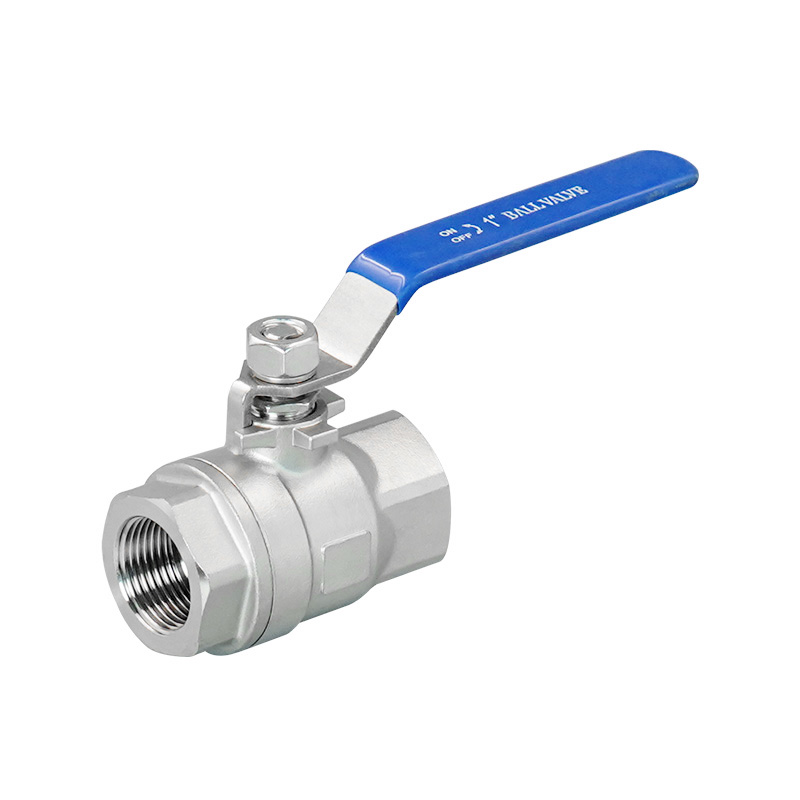
Two Pieces Manual Female Threaded Ball Valve PN64
-
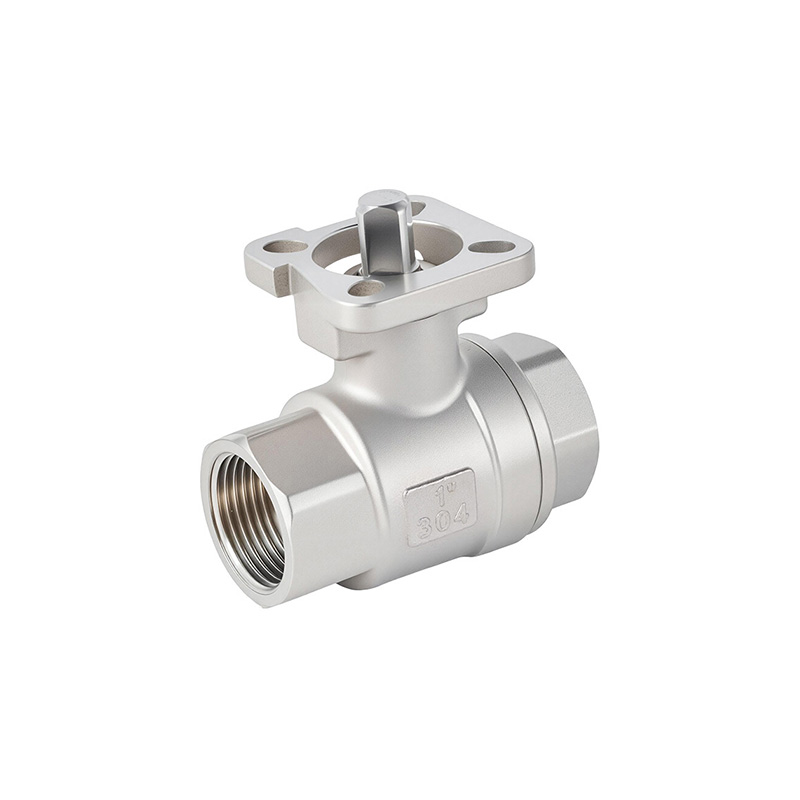
Two Pieces High Platform Female Threaded Ball Valve
-
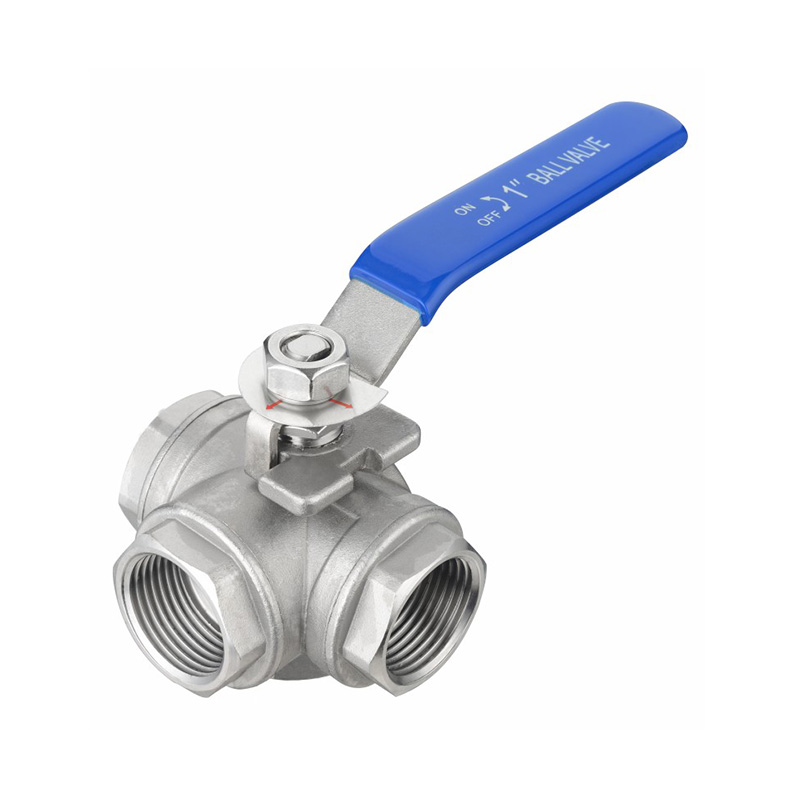
Three-Ways Threaded Ball Valve
-
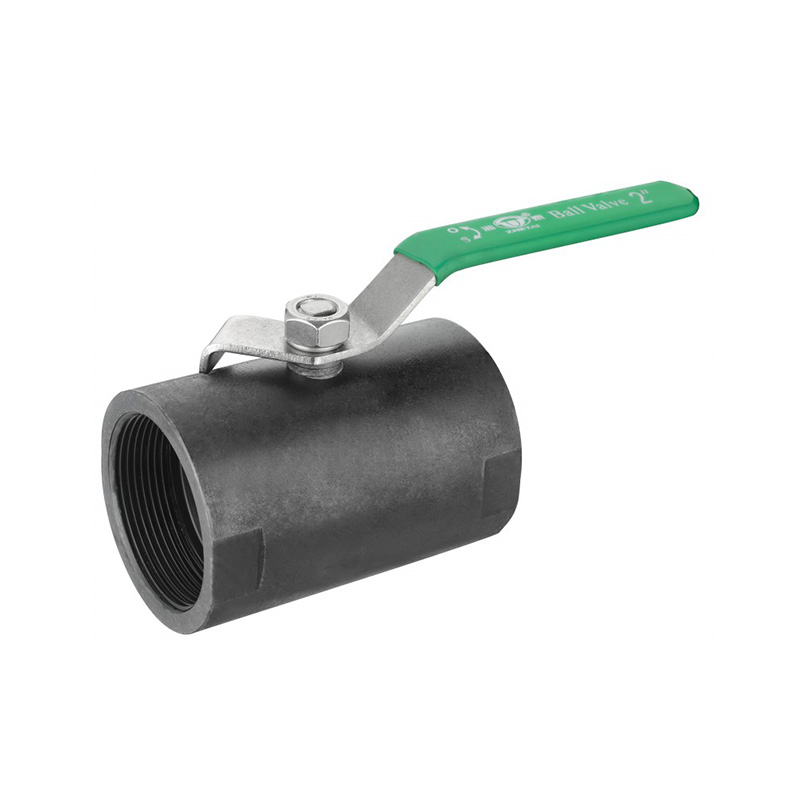
Bar Stock Ball Valve
-
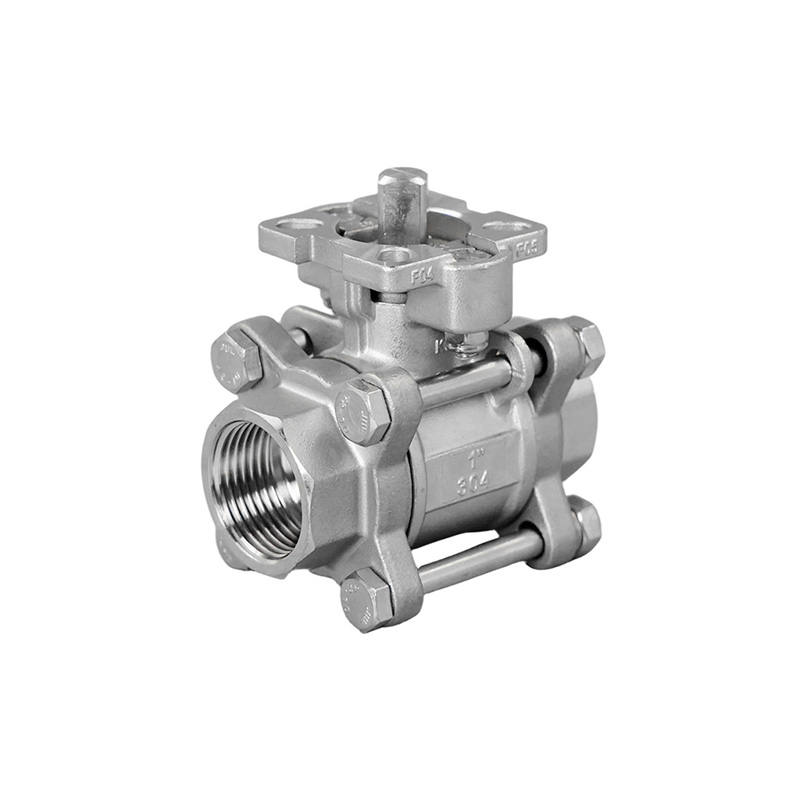
Three Pieces High Platform Female Threaded Ball Valve
-
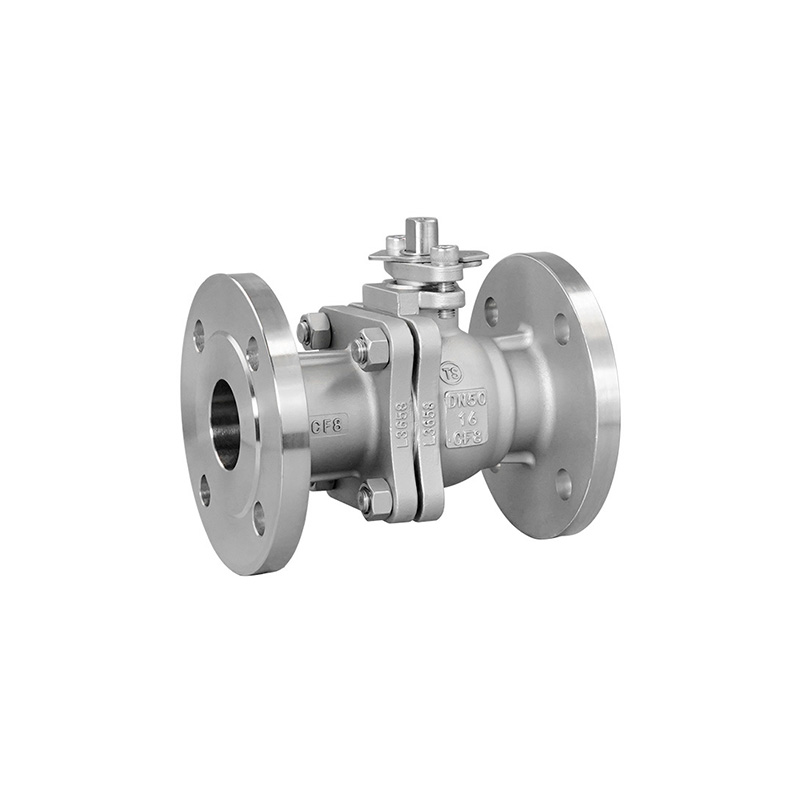
Soft-seal Floating Flange Ball Valve
-
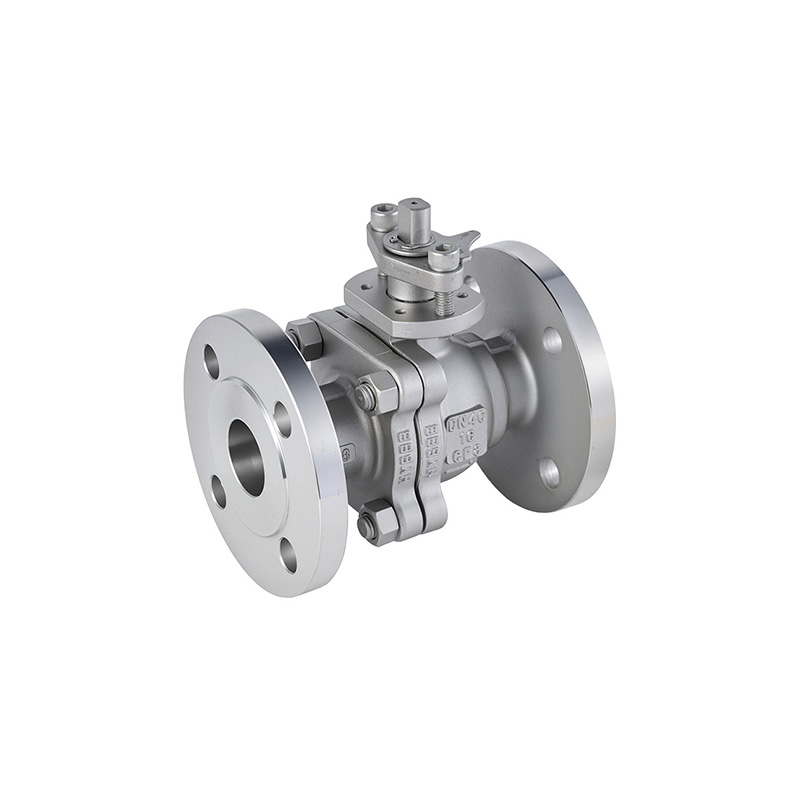
Hard Sealed Floating Flange Ball Valve
-
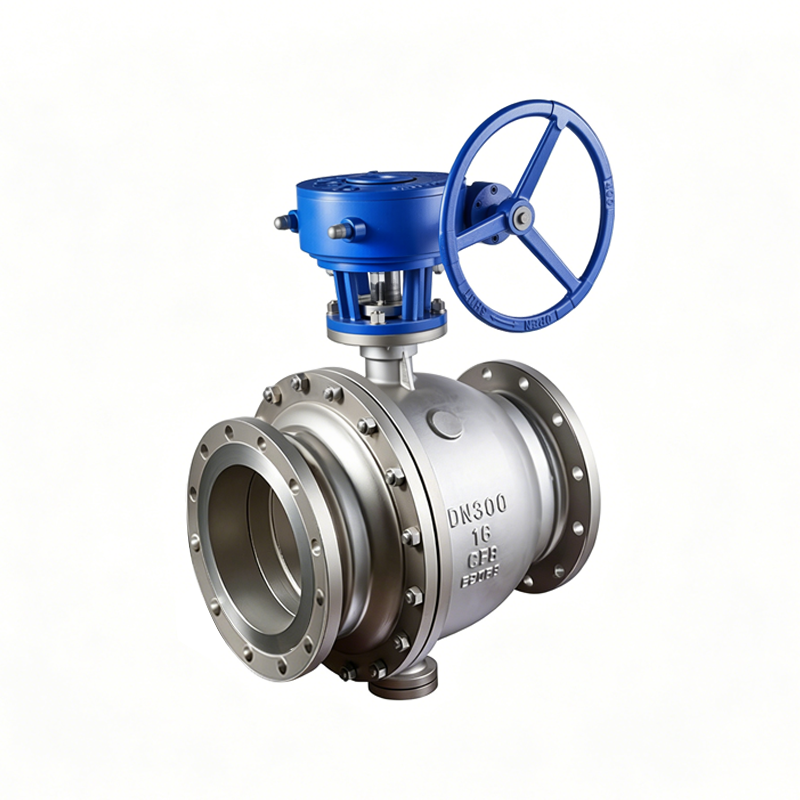
Soft Sealed Trunnion Flange Ball Valve
-
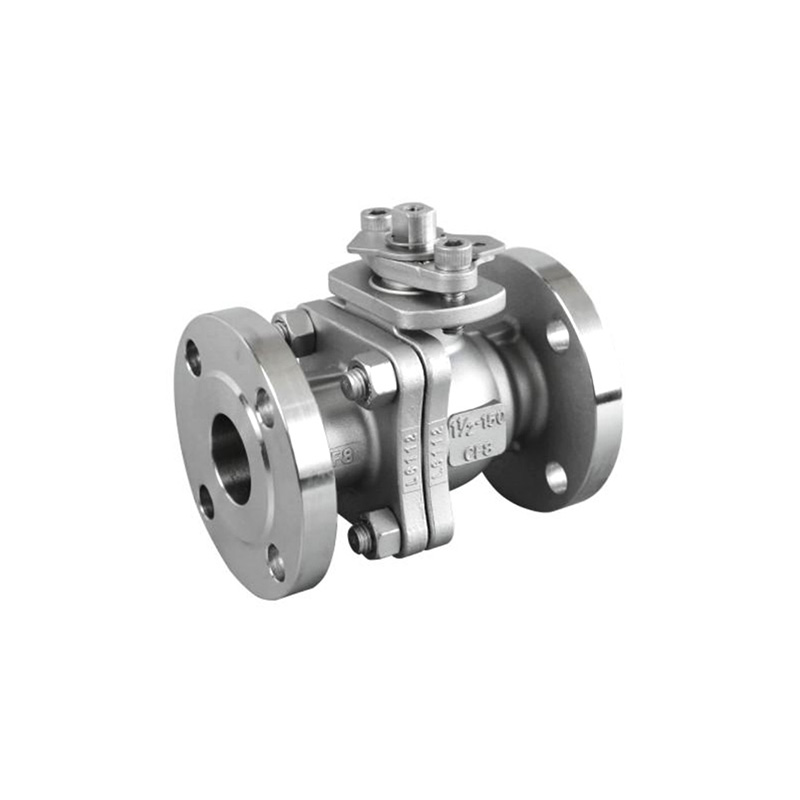
American Standard Flanged Ball Valve
About Us
Zhongchi Valve Group Co., Ltd.
Zhongchi Valve Group Co., Ltd. was established in April 2008. The company is a valve manufacturing enterprise that integrates design, development, production, and sales. It is located in the Binhai Industrial Park of Wenzhou Economic and Technological Development Zone.
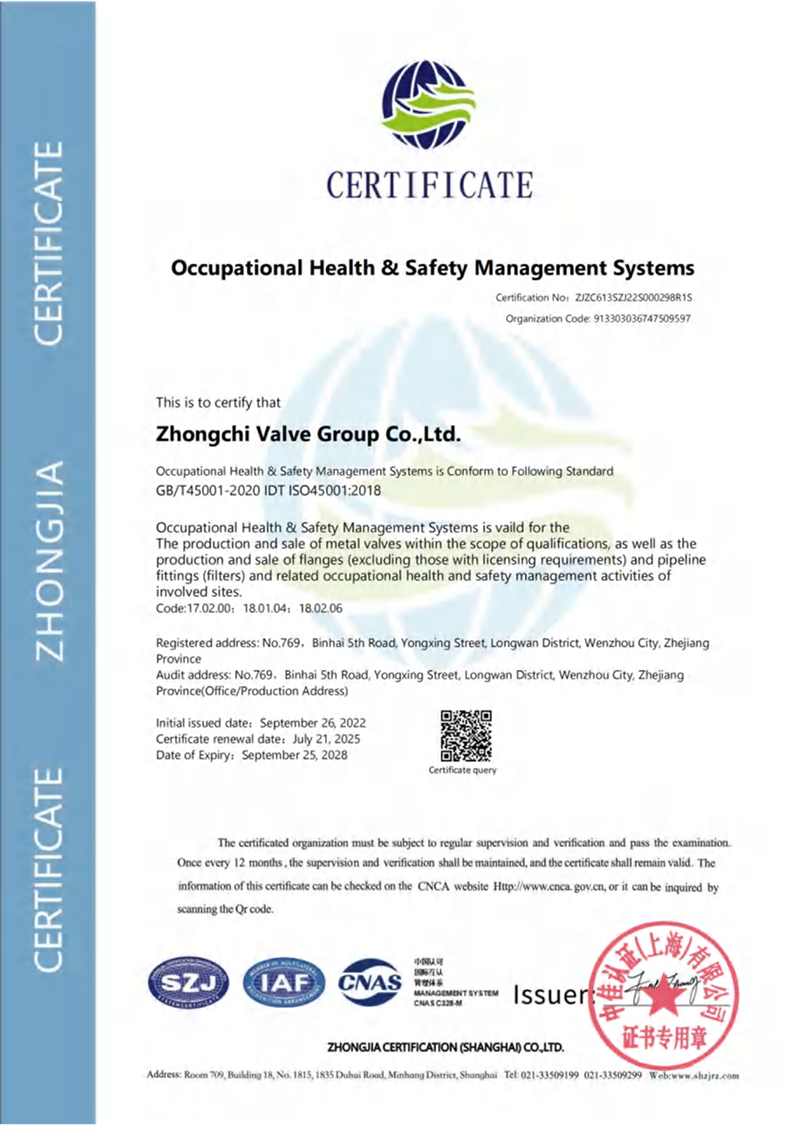
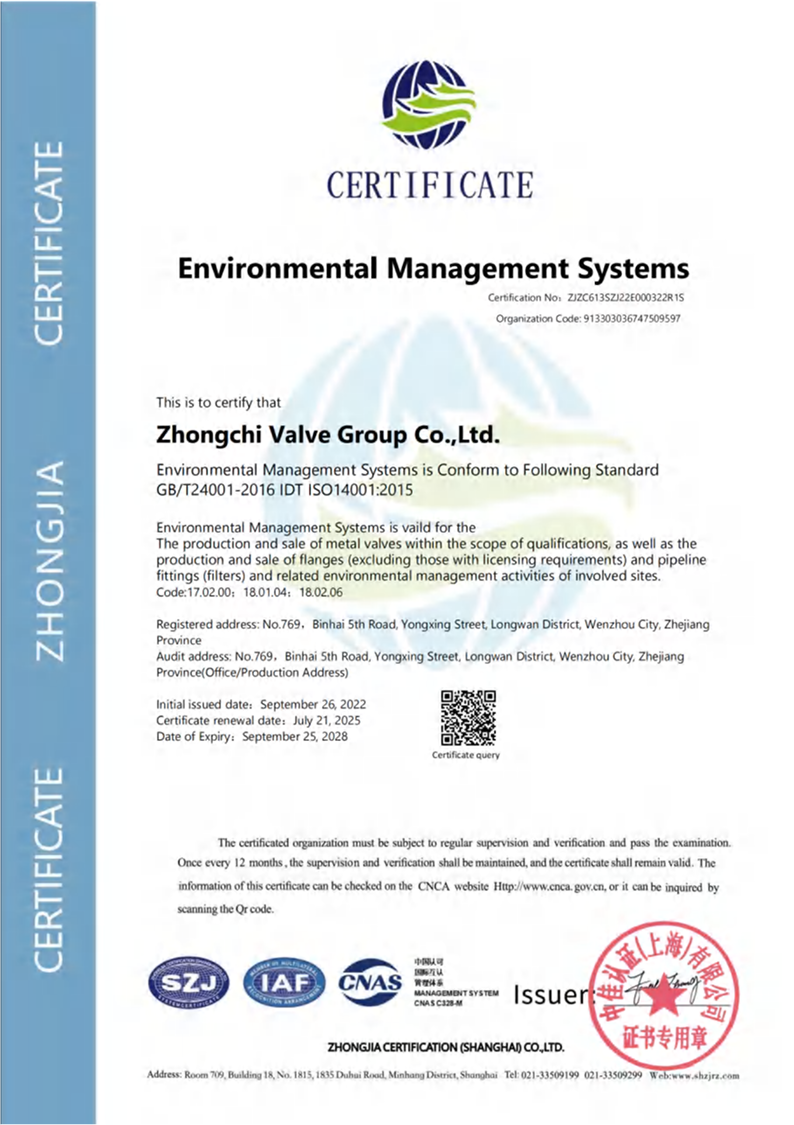
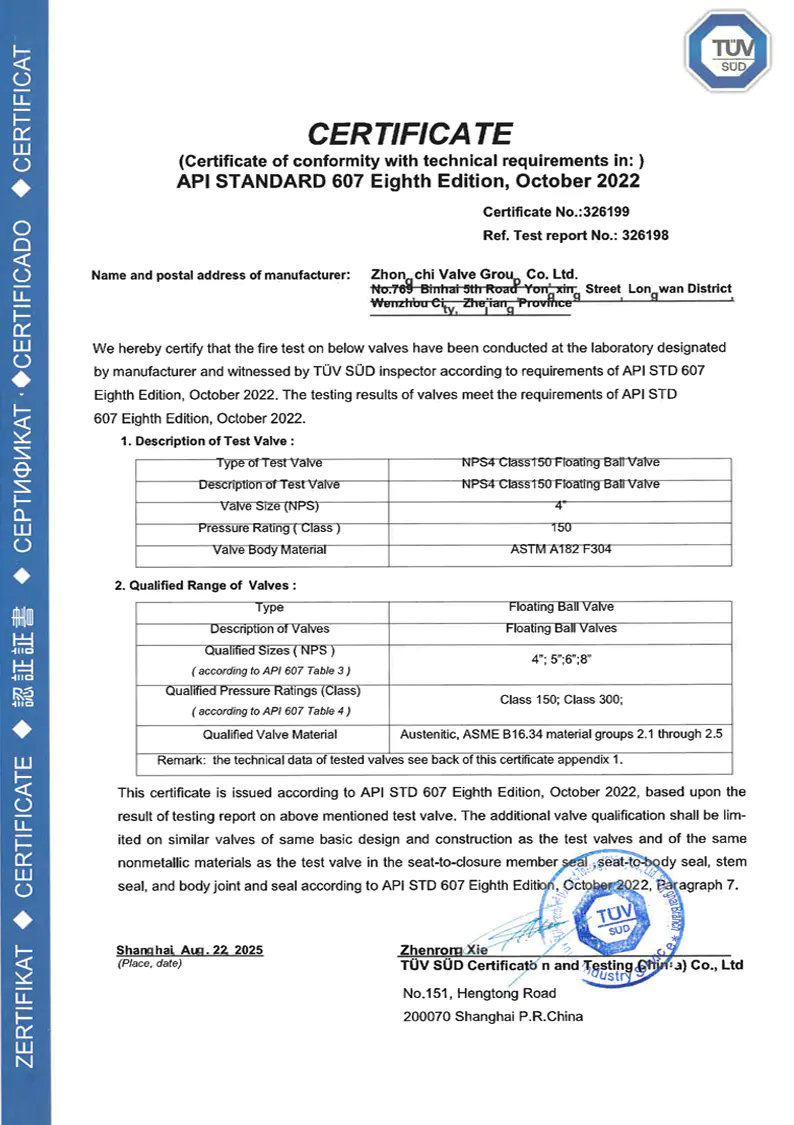
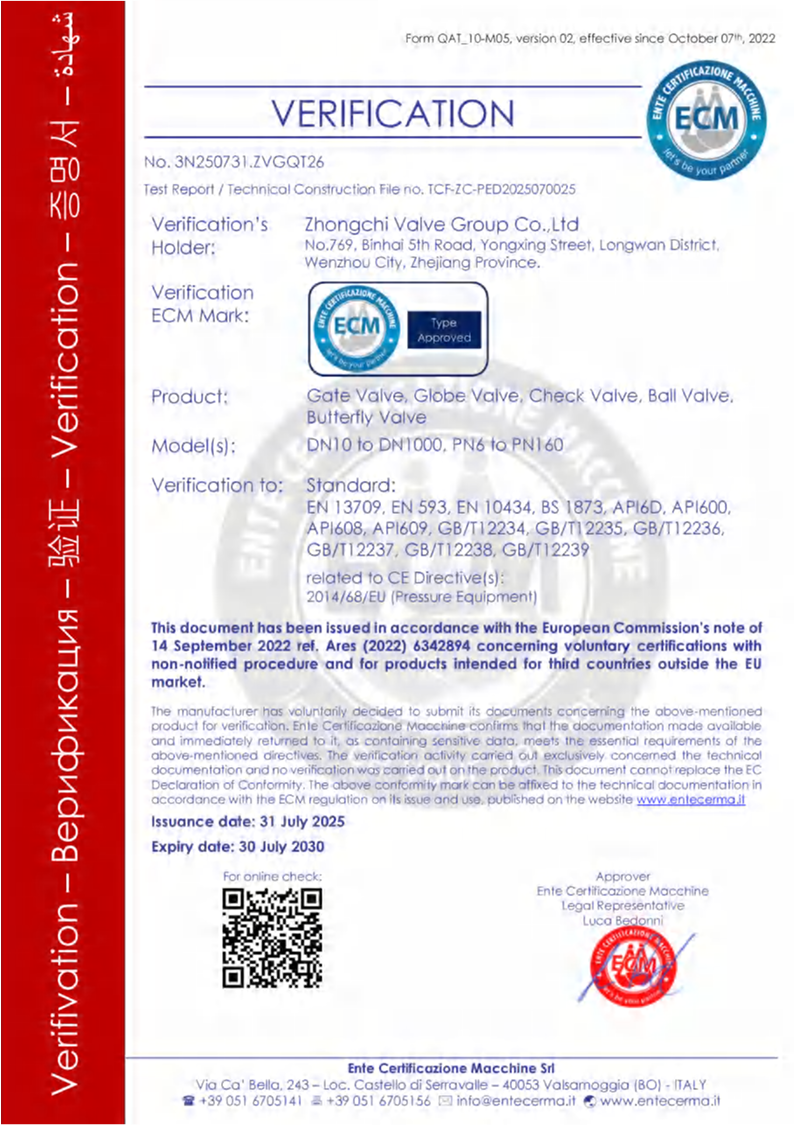
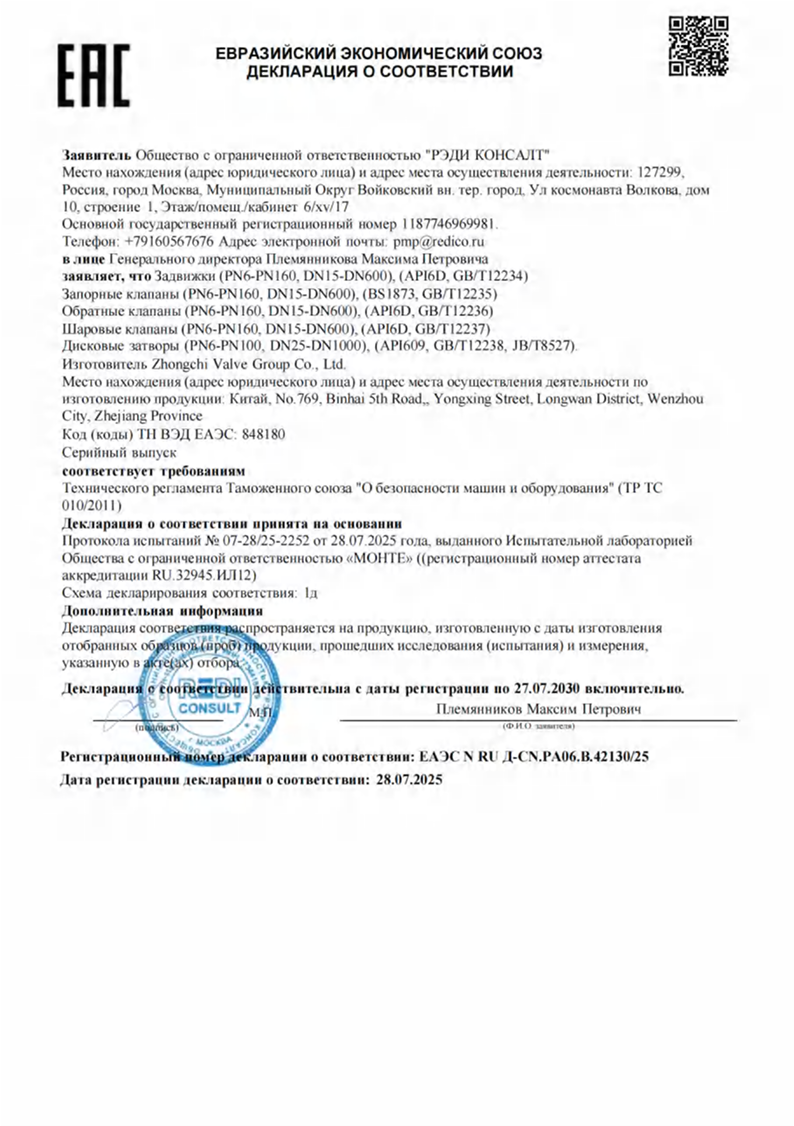
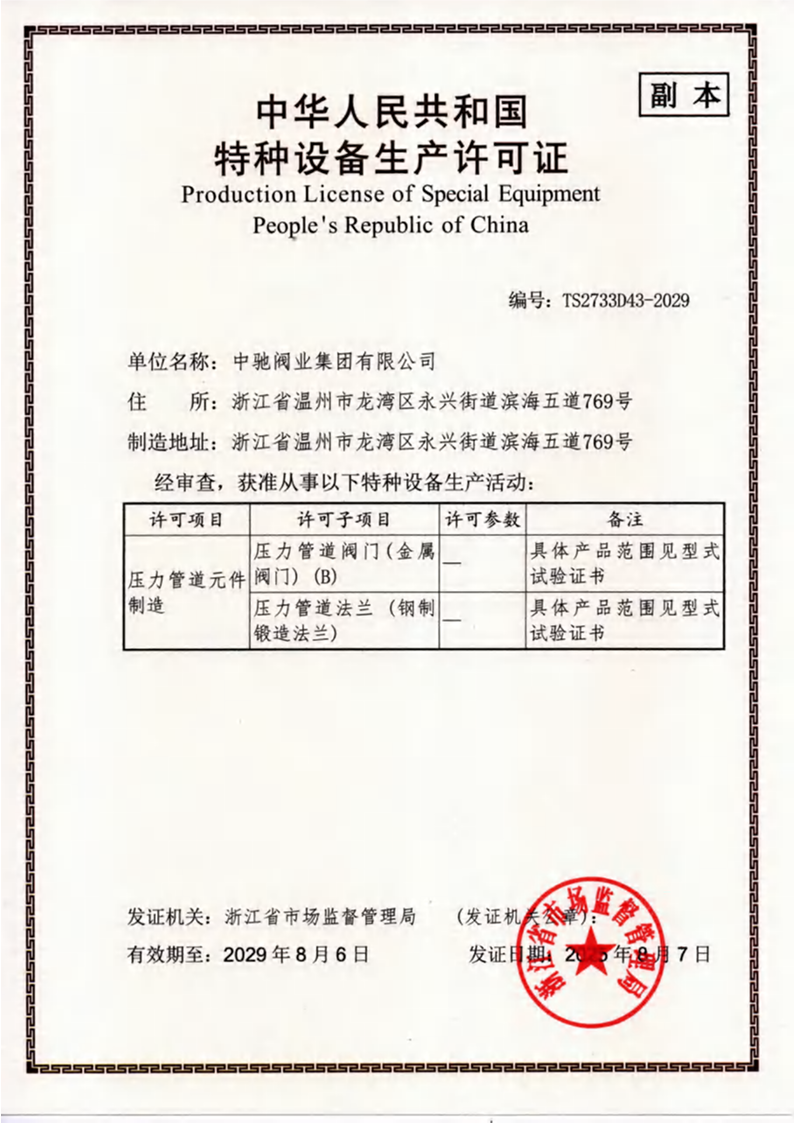
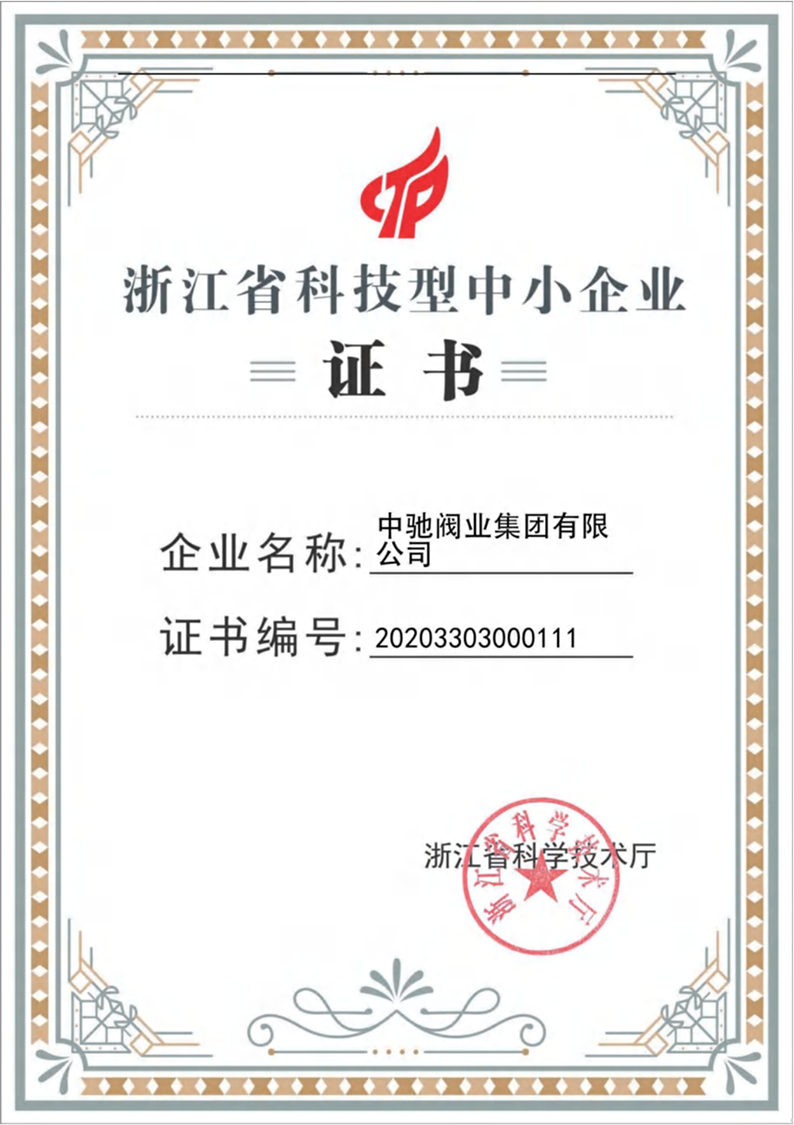
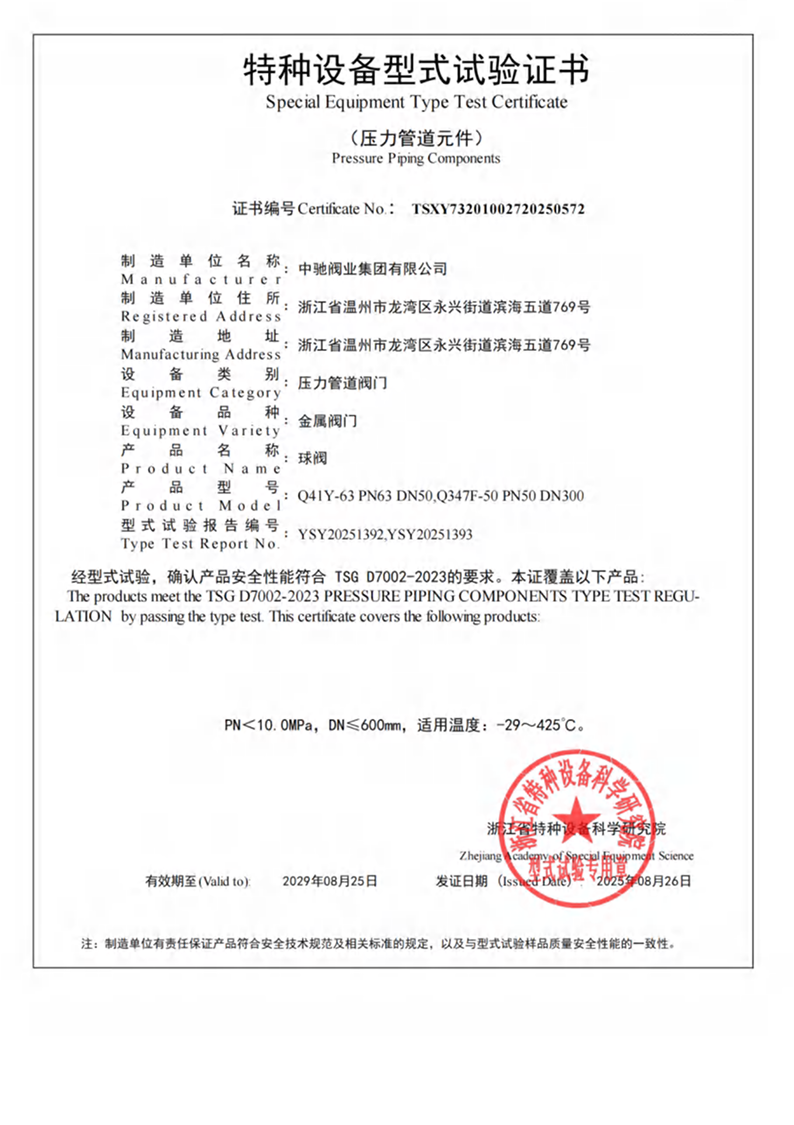
The company adheres to the corporate tenet of "quality-oriented, innovation-driven, management-efficient, and service-focused", and upholds the business philosophy of "service-oriented and integrity-abiding". We provide customers with reliable quality assurance through advanced technology and scientific management, offers services with a complete range of products and a short delivery time, and strives to achieve the corporate goal of "building an excellent enterprise and creating a brand in the industry". The company has successively obtained ISO9001 international quality management system certification, ISO14001 environmental management system certification, ISO45001 occupational health and safety management system certification, special equipment manufacturing production license TS certification, CE certification, EAC certification, API607 fire protection certification, and has been recognized as a small and medium-sized technology enterprise in Zhejiang Province and a national high-tech enterprise.
The company's main products include ball valves, gate valves, globe valves, check valves, filters, butterfly valves, etc. These products are widely used in various industries such as petroleum, chemical, natural gas, light industry, electric power, pharmaceuticals, dyes, metallurgy, fiber, leather making, textile, food, military, construction engineering, refrigeration, water supply, and more.
The company adheres to the corporate tenet of "quality-oriented, innovation-driven, management-efficient, and service-focused", and upholds the business philosophy of "service-oriented and integrity-abiding". We provide customers with reliable quality assurance through advanced technology and scientific management, offers services with a complete range of products and a short delivery time, and strives to achieve the corporate goal of "building an excellent enterprise and creating a brand in the industry". The company has successively obtained ISO9001 international quality management system certification, ISO14001 environmental management system certification, ISO45001 occupational health and safety management system certification, special equipment manufacturing production license TS certification, CE certification, EAC certification, API607 fire protection certification, and has been recognized as a small and medium-sized technology enterprise in Zhejiang Province and a national high-tech enterprise.
The company's main products include ball valves, gate valves, globe valves, check valves, filters, butterfly valves, etc. These products are widely used in various industries such as petroleum, chemical, natural gas, light industry, electric power, pharmaceuticals, dyes, metallurgy, fiber, leather making, textile, food, military, construction engineering, refrigeration, water supply, and more.
Stay Connected, Insights & Innovation from Zhongchi
-
 Industry News
 2024.08.28
Recently, Xi’an Pump & Valve’s independently developed XGBS150-480 zirconium mother liquor circu...
2024.08.28
Recently, Xi’an Pump & Valve’s independently developed XGBS150-480 zirconium mother liquor circu... -
Industry News
2024.03.05
Pneumatic butterfly valves for powder handling are a commonly used type of fluid control equipment, ...
-
Industry News
2022.07.09
What is the function and operating principle of a gate valve? 1. Gate valves are classified as open...
-
Industry News
2022.04.13
The “Centaur” upper stage of the “Vulcan” rocket is powered by two RL10C-X engines [Space News, 11 ...
-
Industry News
2022.04.13
Chinese scientists have recently designed a new system for direct quantum communication that employs...
-
Industry News
2022.03.07
The primary causes of failure in ultra-high-pressure valves are cavitation and erosion wear; however...
Certificate Of Honor
Ball Valve Basics: Floating Designs, Supplier Red Flags and Seat Material Choices
Ball valves are everywhere—water lines, gas pipes, and chemical plants. They are simple and reliable and come in variations that most people do not realize. Getting the right one means understanding how they work, who you're buying from and what the seat material actually does. Here's what matters.
How Does a Floating Ball Valve Work?
The "floating" part refers to the ball itself. It is not locked in place. Instead it shifts slightly within the valve body.
When you close the valve upstream pressure pushes the ball against the seat. That contact creates the seal—the the fluid pushes, the tighter the ball wedges. A small spring behind the seat provides contact pressure so the seal works even at low pressures.
This design is mechanically straightforward. Fewer moving parts mean less to break.. The ball transfers the full line pressure to the downstream seat so the seat material has to be strong enough to handle that load. For medium pressure systems—water distribution, natural gas lines, general industrial piping—this works extremely well.
The trade-off? At high pressures the force on the seat becomes significant and operating torque increases. That's why floating designs dominate moderate-pressure applications while trunnion-mounted balls (supported at both ends) take over in pressure or large-diameter pipelines.
What Are the Red Flags to Avoid When Selecting a Ball Valve Maker?
Picking a supplier based on price can get you into trouble fast. A valve that leaks or failss n't a bargain—it's a liability.
Missing Material Certifications
Any reputable supplier should provide a material test certificate from an accredited lab. This confirms the valve body, ball and stem meet specified alloy requirements. If they can't produce one. If it looks generic and lacks traceable batch numbers walk away.
Vague Technical Answers
Ask about pressure testing standards—API 598 or ISO 5208? What's the allowable leakage rate? Which seat materials work with your media? A supplier who fumbles these questions. Lacks engineering knowledge or isn't paying attention to quality.
No Third-Party Factory Audits
Suppliers who invite audits (from firms like SGS or Bureau Veritas) have nothing to hide. If a maker avoids inspections or only shows a website badge without a full report treat that as a warning.
Unclear Quality History
Past incidents matter. If a manufacturer has been involved in documented failures—like studs that cracked from stress corrosion causing valves to separate from piping—that's a pattern respecting.
What Is the Difference Between a Soft Seated and Metal Seated Ball Valve?
This choice comes down to one trade-off: sealing versus extreme durability. You rarely get both.
Soft-Seated Valves
These use polymers like PTFE, Nylon or PEEK for the sealing surface. The material is elastic. It deforms slightly under pressure to conform perfectly to the ball. The result is a "bubble-tight" shut-off— zero leakage.
- Works well with fluids, gases and temperatures up to about 260°C
- Lower operating torque easier to actuate
- Vulnerable to abrasive particles, high temperatures and fire
Metal-Seated Valves
These use hardened alloys—Stellite, Tungsten Carbide, Chrome Carbide—on the sealing surfaces. Metal doesn't deform like plastic so these valves rely on machining to create the seal.
- Handles temperatures (up to 815°C) high pressures, abrasive slurries and steam
- Allows a minute measurable leakage (Class IV or V not bubble-tight)
- Higher cost and higher operating torque
| Feature | Soft Seat Valve | Metal Seat Valve |
| Leakage rating | Class VI (bubble-tight) | Class IV or V (minor leakage) |
| Temperature range | -29°C to ~260°C | -196°C to ~815°C |
| Handles abrasive media? | No | Yes |
| Fire-safe? | Requires secondary backup seat | Inherently fire-safe |
| Typical applications | Clean water, gas, chemicals | Steam, slurry, high-temp processes |
Get a Free Quote
Quick Links
Products
Contact Information
-
 +86-13396775805
-
 +86-577-86934868
-
 cn@cnchivalve.com
-
 No. 769, Binhai 5th Road, Yongxing Street, Longwan District, Wenzhou City, Zhejiang Province, China
Copyright © Zhongchi Valve Group Co., Ltd.All rights reserved.
 Industrial Pipeline Valve Manufacturer