


 English
 русский
 Español
 عربى
عربى Português
Zhongchi
Zhongchi
Zhongchi
Zhongchi
Zhongchi
Zhongchi
Zhongchi
Zhongchi
Zhongchi
I. Shutting off and allowing the passage of the medium
This is the most fundamental function of a valve. Valves with a straight-through flow path are typically selected as they offer lower flow resistance.
Downward-closing valves (such as globe valves and plug valves) are less commonly used due to their tortuous flow path, which results in higher flow resistance than other valve types. However, downward-closing valves may be selected in applications where higher flow resistance is acceptable.
II. Flow Control
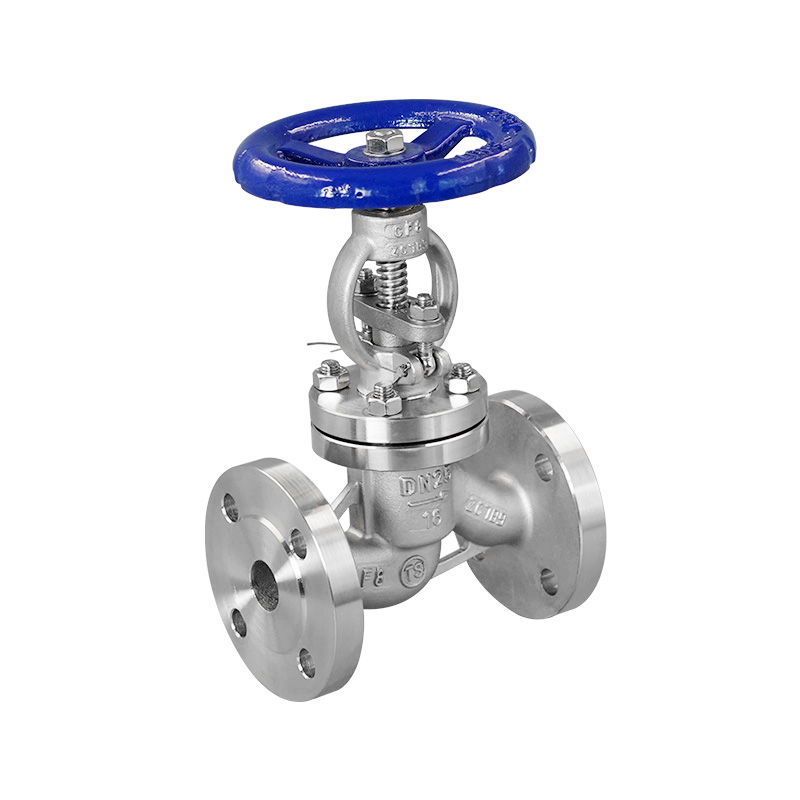
Valves that are easy to adjust are generally selected for flow control. Downward-closing valves (such as globe valves) are suitable for this purpose because there is a direct proportional relationship between the size of the valve seat and the stroke of the closing member.
Rotary valves (plug valves, butterfly valves, ball valves) and flexible-body valves (clamp valves, diaphragm valves) can also be used for throttling control, but are generally only suitable within a limited range of valve sizes.
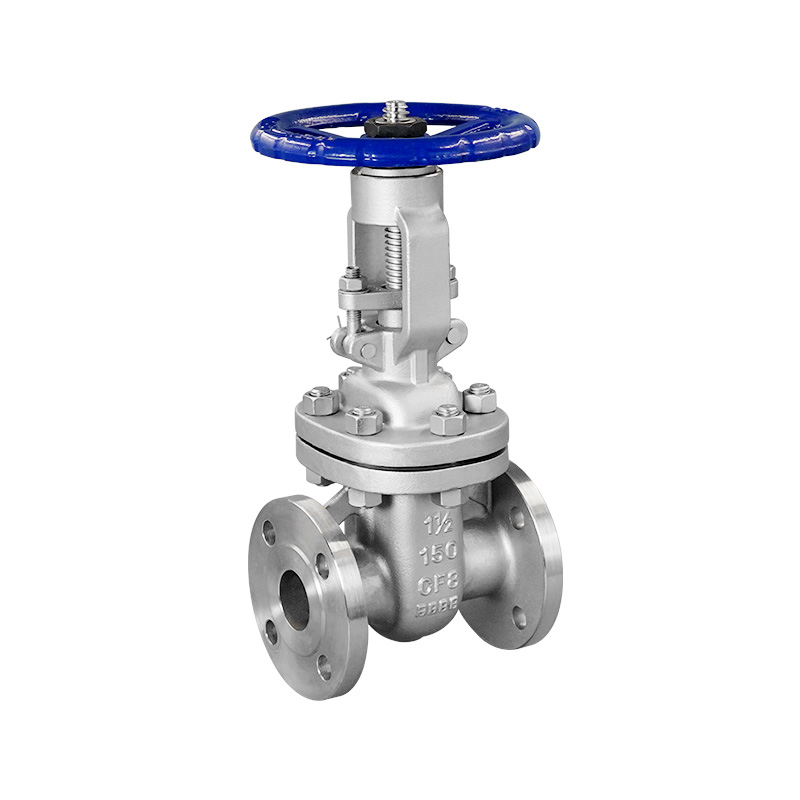
Gate valves operate by a disc-shaped gate moving transversely across a circular seat; they can only control flow effectively when close to the closed position, and are therefore not typically used for flow control.
III. Directional Control and Flow Division
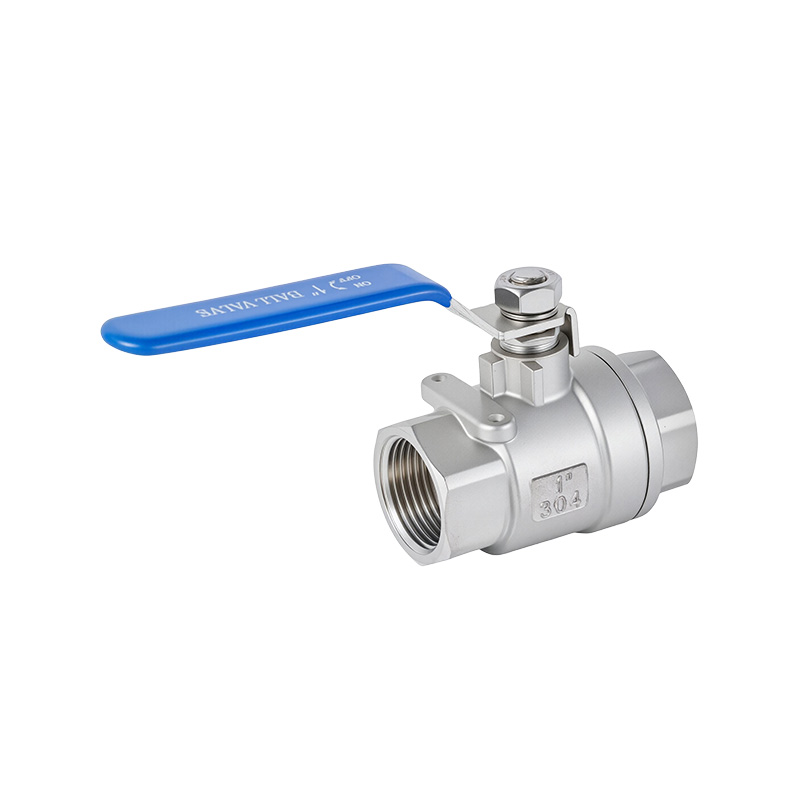
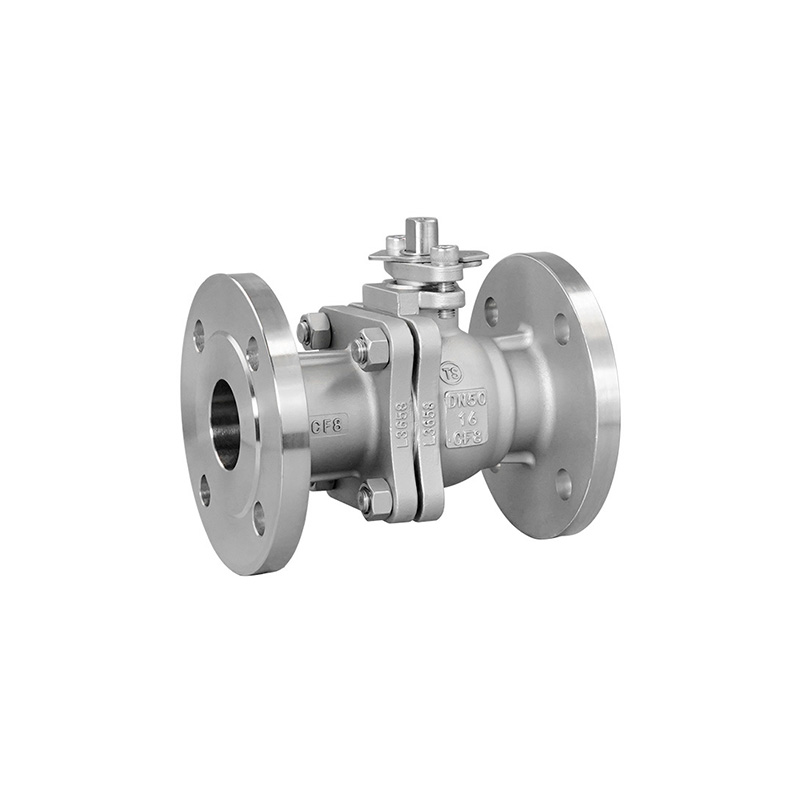
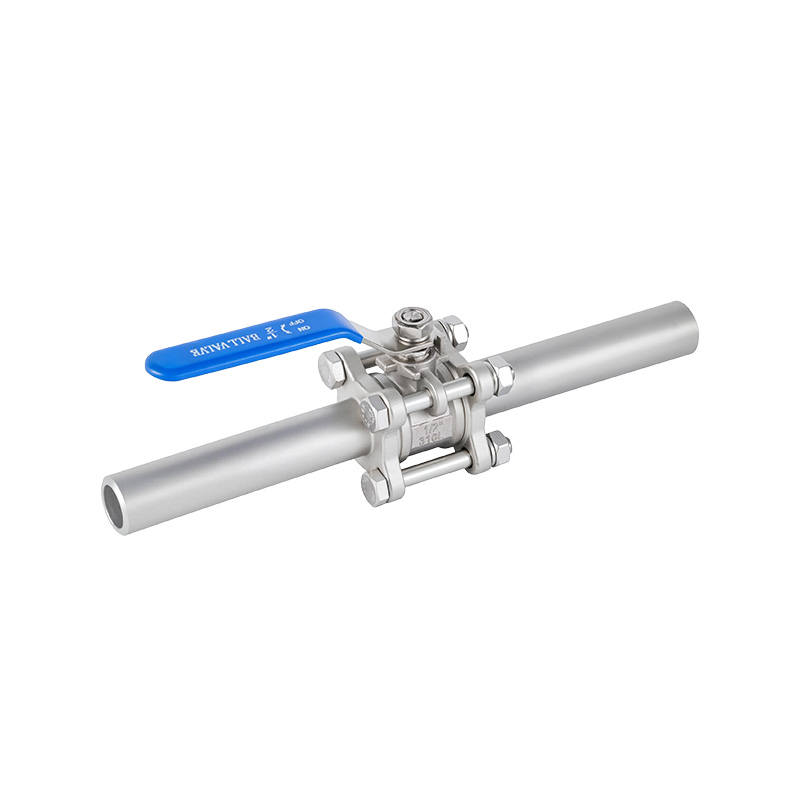
Depending on the requirements for directional control and flow division, such valves may have three or more passages. Plug valves and ball valves are particularly suitable for this purpose; consequently, most valves used for directional control and flow division are selected from these types.
However, in some cases, other types of valves may also be used for directional control and flow division, provided that two or more valves are appropriately interconnected.
IV. Media Containing Suspended Particles
When the medium contains suspended particles, valves in which the closing member slides along the sealing surface, thereby providing a wiping action, are most suitable.
If the closing element moves vertically relative to the seat, particles may become trapped; consequently, such valves are only suitable for essentially clean media unless the sealing surface material permits the embedding of particles. Ball valves and plug valves exert a wiping action on the sealing surfaces during opening and closing, and are therefore suitable for use with media containing suspended particles.