


 English
 русский
 Español
 عربى
عربى Português
Zhongchi
Zhongchi
Zhongchi
Zhongchi
Zhongchi
Zhongchi
Zhongchi
Zhongchi
Zhongchi
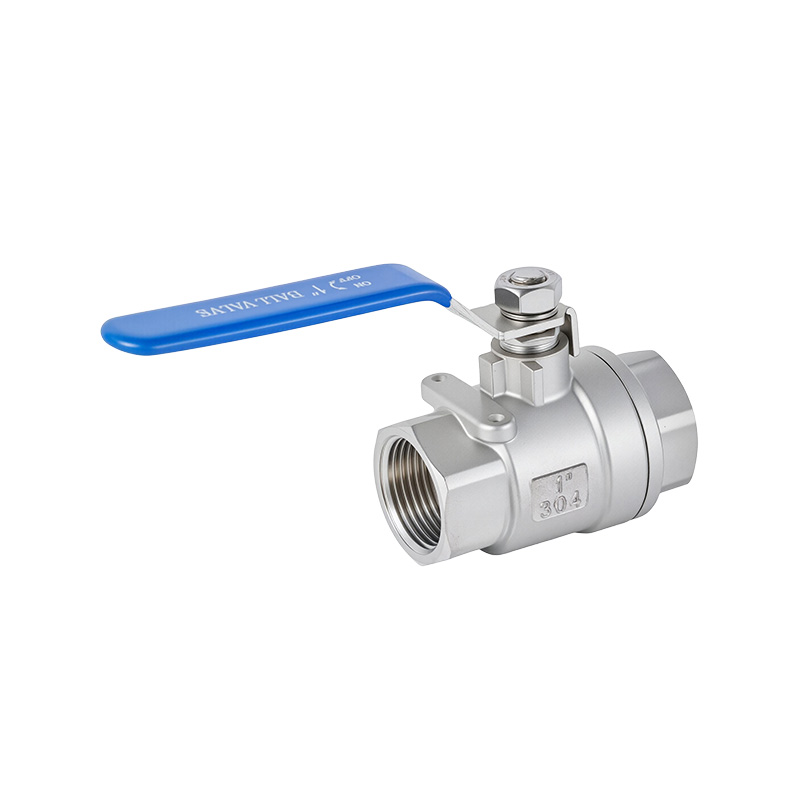
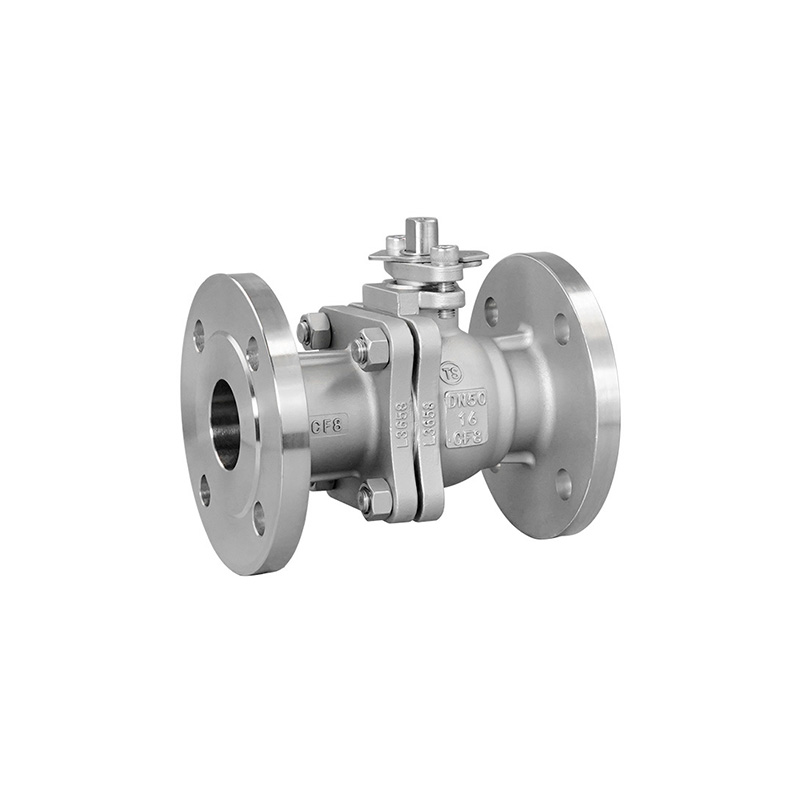
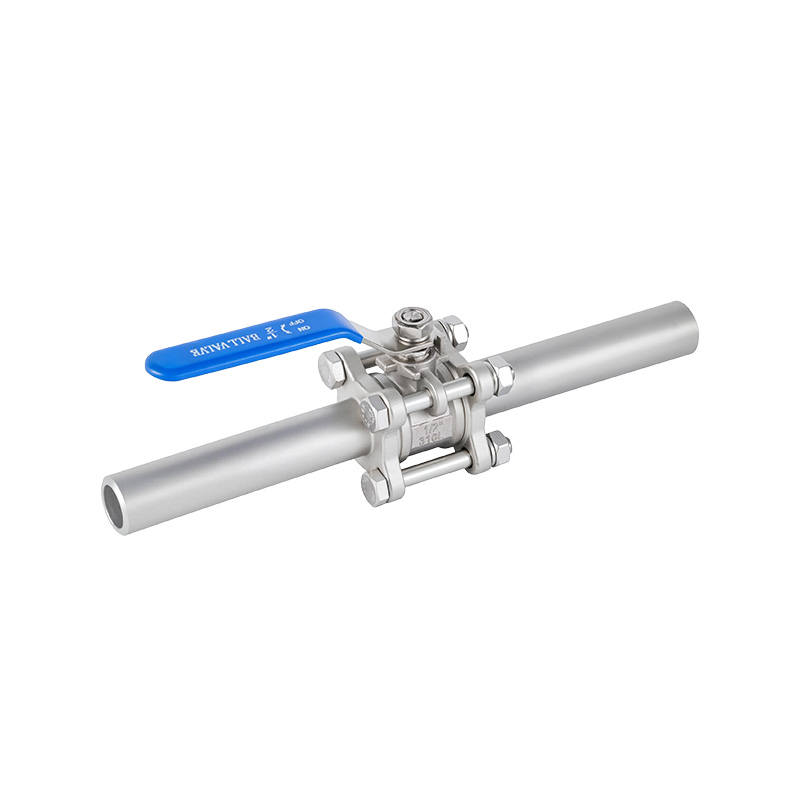
A. Ball valve—A valve in which the closing member (ball) is driven by the valve stem and rotates about the valve’s axis; the ball rotates through 90° to open or close the valve. It can be installed in any orientation, opens and closes rapidly, and offers excellent sealing performance. It is used in applications requiring frequent operation and leak-free performance. Ball valves are generally not used for flow regulation.
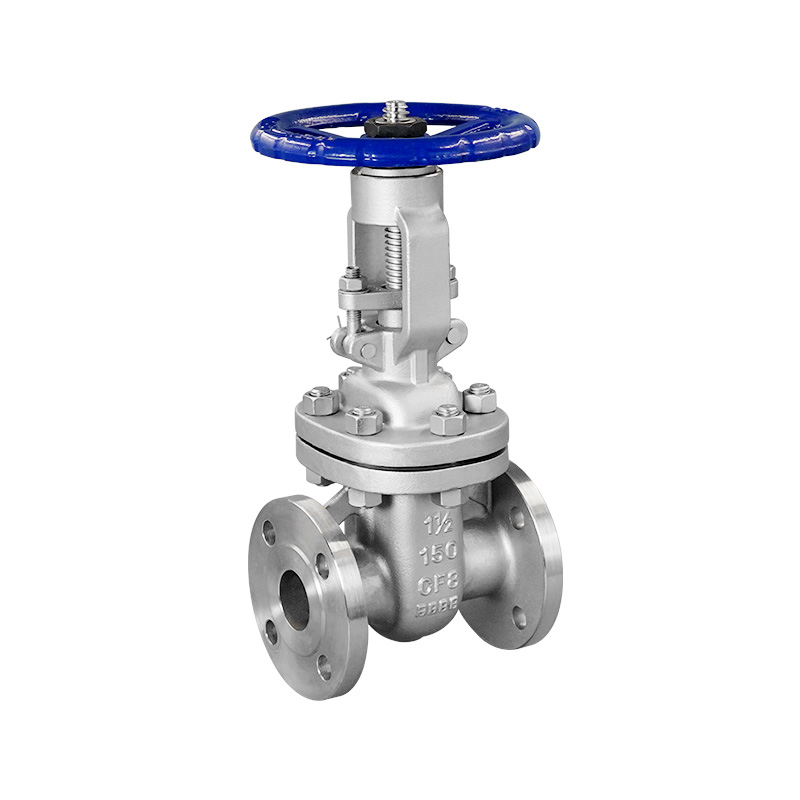
B. Gate Valves — Valves in which a gate serves as the closing member, moving vertically along the axis of the valve seat to open and close the valve. The main advantages of gate valves are unobstructed flow paths, low fluid resistance and low operating torque; the main disadvantages are that the sealing surfaces are prone to scuffing and the opening and closing process takes longer. Installation is direction-independent; gate valves are generally not suitable for flow regulation or throttling.
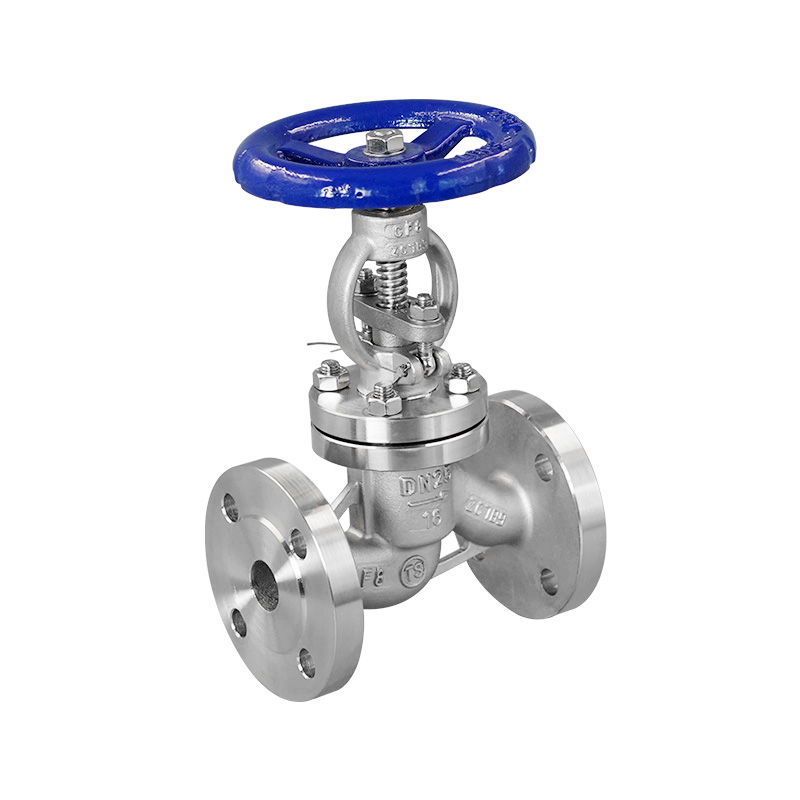
C. Globe Valves — Valves that use a disc as the closing element, which moves along the axis of the seat to open and close the valve. Globe valves are primarily used to shut off the flow of fluid; they may also be used for flow regulation in applications where high regulation performance is not required. Care must be taken regarding the direction of installation (indicated by an arrow on the valve body). Globe valves are of the forced-seal type; therefore, when the valve is closed, pressure must be applied to the disc to ensure the sealing surfaces do not leak.
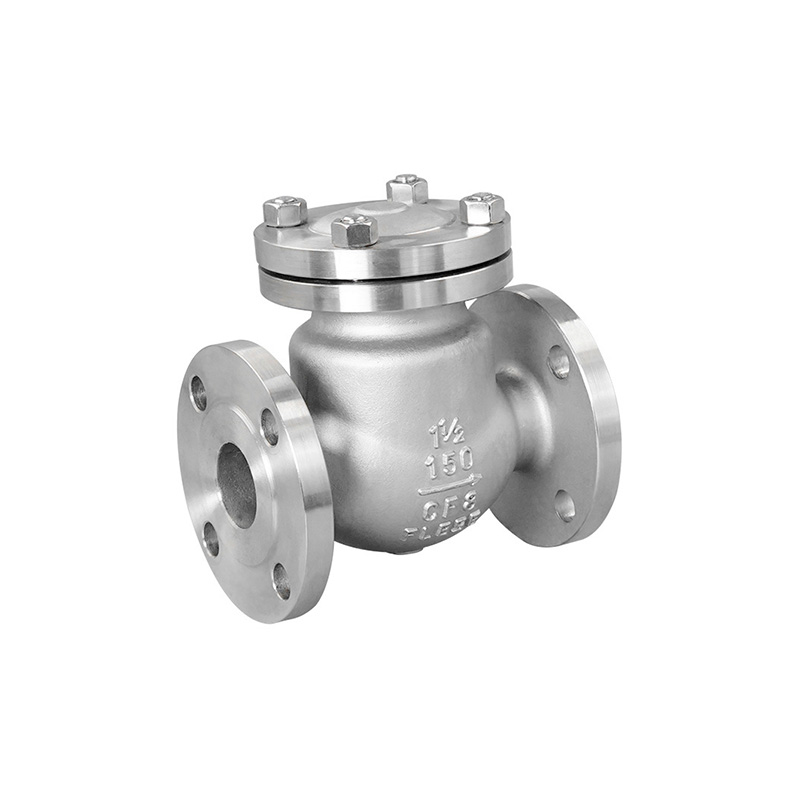
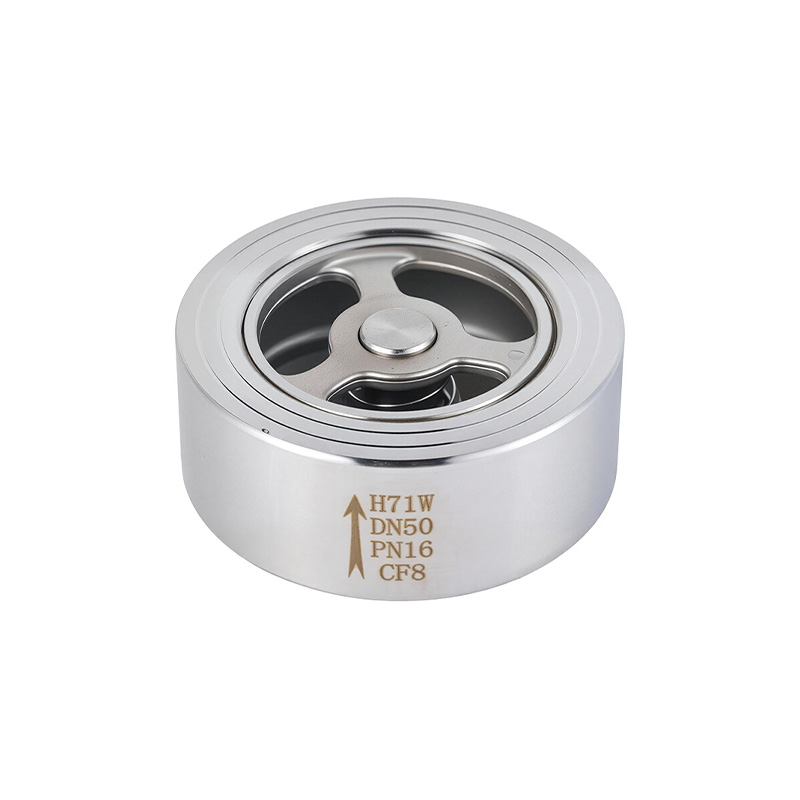
D. Check Valve — A valve capable of automatically preventing fluid backflow, also known as a non-return valve. Typically, fluid pressure causes the valve disc to open, allowing flow from the inlet to the outlet. When the pressure on the inlet side is lower than that on the outlet side, the valve disc automatically closes the passage under the combined action of fluid pressure and its own weight, preventing reverse flow. Care must be taken regarding directionality during installation (indicated by an arrow on the valve body).
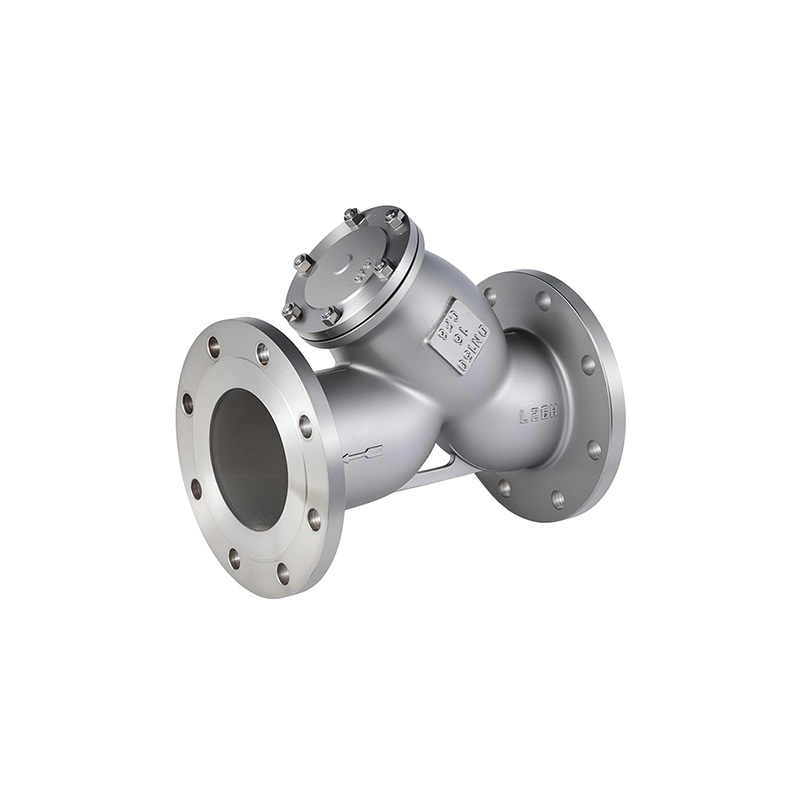
E. Strainer — Used in pipelines to filter impurities from the medium. Particularly suitable for filtering impurities in municipal water supply and heating systems in northern regions. Installation must also follow the direction of the arrow on the valve body, and the strainer screen should face downwards to facilitate the removal of impurities.