


 English
 русский
 Español
 عربى
عربى Português
Zhongchi
Zhongchi
Zhongchi
Zhongchi
Zhongchi
Zhongchi
Zhongchi
Zhongchi
Zhongchi
I. Main Applications and Scope of Use
1. Applications
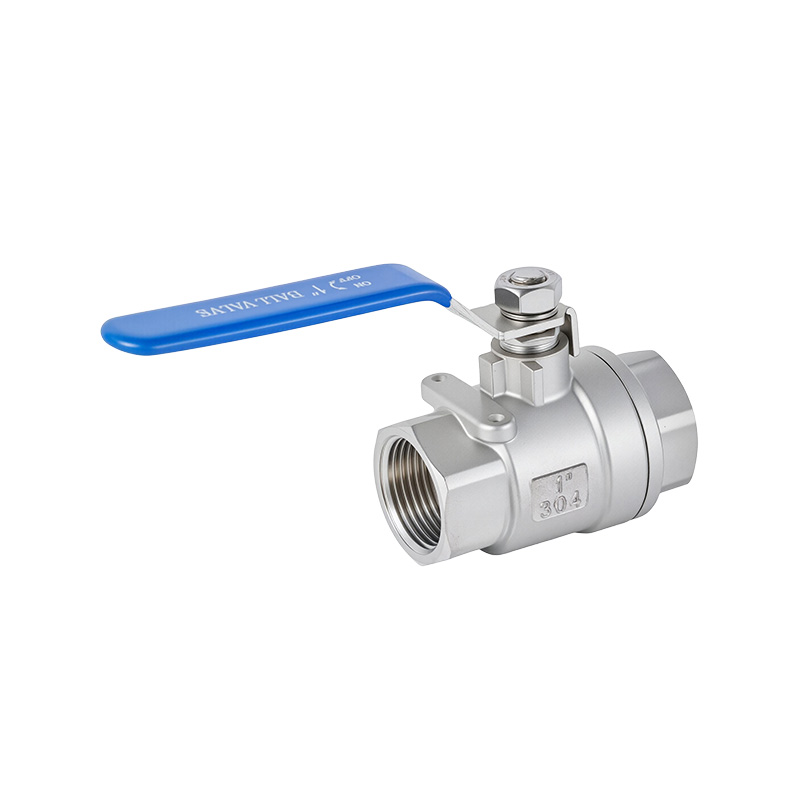
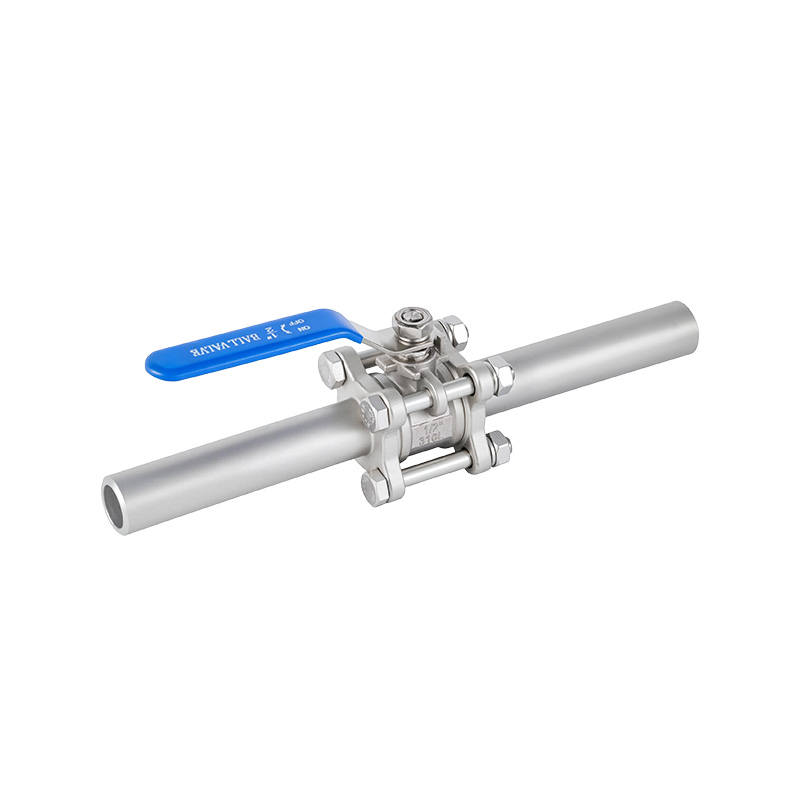
The three-piece soft-seal welded ball valve is designed for on/off control and is not suitable for use as a regulating valve.
2. Scope of Use
Temperature (°C): -29 to +120°C
Nominal Pressure: 1.6 MPa
Service Media: Water, oil and other media
Notes: Prolonged operation at the valve’s maximum operating limits (temperature and pressure) may affect the valve’s service life; it is recommended to use higher-grade products.
3. Performance Specifications
| Test pressure (MPa) | Strength | 2.4MPa | Test medium | Water | Test temperature (°C) | at room temperature |
| Sealing | 1.8MPa | Water | ||||
| Low-pressure gas seal | 0.8MPa | Air |
II. Main Structural Features:
The ball rotates 90° perpendicular to the axis to open and close the valve; the design is compact and operation is rapid. Particularly for large-bore ball valves, the floating ball design ensures low torque and easy operation. The ball and the annular seat achieve a seal under the combined action of preload and the force of the medium, ensuring a reliable seal and a long service life.
III. Main Components and Materials:
Valve body: 304
Ball: 304
Stem: 304
Seat: PTFE
IV. Installation
1. The valve must be installed in a position that facilitates operation and maintenance.
2. Prior to installation, verify that the valve’s specifications, performance standards and technical requirements are compatible with the operating conditions.
3. Before installation, remove all debris and rust from the valve interior to ensure the sealing surfaces are clean.
4. Check for any transport damage; installation may only proceed once the valve has been inspected and found to be in good condition.
5. This valve must be disassembled for welding; direct welding is prohibited, as this will damage the seat.
V. Operation
1. The valve is intended solely for on/off operation and should not be used for regulation. In particular, it must not be used under conditions exceeding the specified temperature and pressure limits, or under conditions of frequent pressure fluctuations. At high temperatures, it is permissible to periodically tighten the bolts to prevent leakage and to minimise thermal gradients as much as possible.
2 The valve must always be in the open or closed position and should not be used for regulation. When operated by non-manual means, the valve’s open/closed position must correspond to the switch position and indicator on the control panel to prevent incorrect operation.
VI. Maintenance and Storage
1 Valves in operation must be inspected and maintained regularly to prevent rust and jamming, ensuring the equipment remains in good working order at all times.
2 Installed valves must be kept clean, and the valve stem must be well lubricated.
3. If external leakage occurs at the packing gland, check whether the packing is sufficiently tightened. (Alternatively, replace the packing; generally, tightening by 1/8 of a turn is sufficient.)
4. If there is external leakage at the connection points, retighten the bolts evenly until the leak is stopped.
5. For internal leakage at the sealing face, check whether the valve is fully closed and whether there are any foreign objects on the sealing face. Where permissible, open the valve and then close it again to check for leakage. If the valve cannot be closed completely (do not force it shut), this is likely due to the valve not being fully opened or closed during normal operation. In this case, remove the handle, rotate the valve stem several turns anticlockwise, and then close it normally to check for leakage.
6 During valve maintenance, parts must be thoroughly cleaned to remove foreign objects, dirt and rust. Replace any damaged packing or gaskets, and rectify the sealing surfaces. The valve may only be returned to service after maintenance and successful pressure testing.
7 Valves must be stored in a dry warehouse; stacking and outdoor storage are strictly prohibited.