


 English
 русский
 Español
 عربى
عربى Português
Zhongchi
Zhongchi
Zhongchi
Zhongchi
Zhongchi
Zhongchi
Zhongchi
Zhongchi
Zhongchi
1. Information obtained from the customer
Understand the valve’s installation location and intended use:
Determine the valve’s criticality within the pressure pipeline system; generally, high-grade pressure pipelines have stricter requirements than low-grade ones, from the material smelting process right through to the inspection and testing of the final product.
Confirm the valve’s operating conditions, applicable medium, operating pressure and medium temperature:
Different materials exhibit varying levels of corrosion resistance to the same corrosive medium, whilst temperature fluctuations often trigger a series of changes in material properties. These include material brittleness at low temperatures and issues such as graphitisation and creep at high temperatures; many forms of corrosion are closely related to medium temperature.
Confirm the nominal diameter matching the pipeline:
DN (mm), NPS (")
Confirm the connection method to the pipeline:
Flange, internal (external) thread, welded, wafer, clamp, ferrule, etc.
Confirm the valve actuation method:
Manual, worm gear drive, pneumatic, electric, hydraulic, solenoid, electro-hydraulic, etc.
Confirm the valve type:
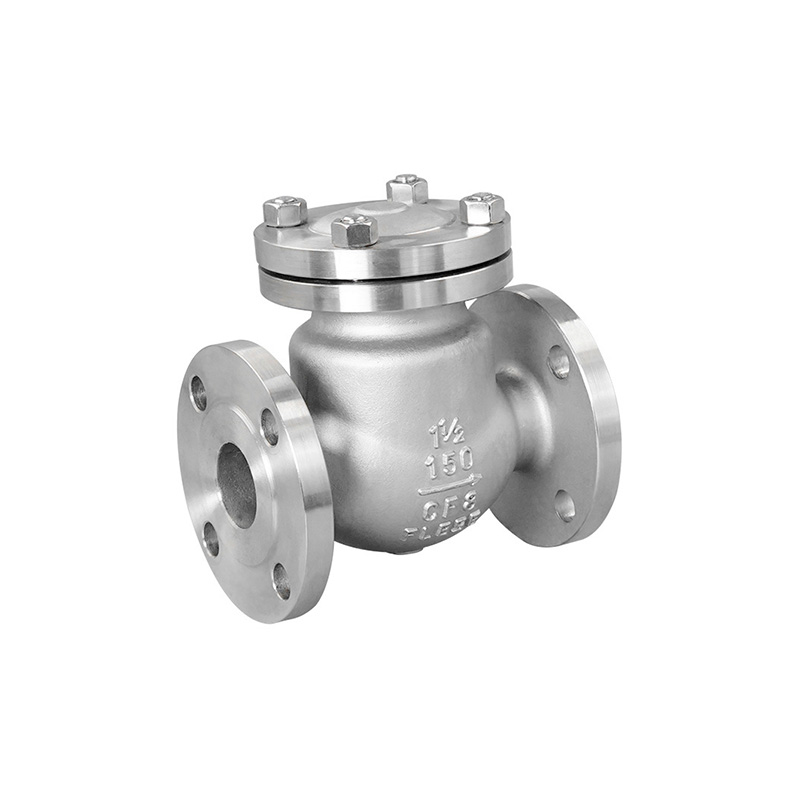
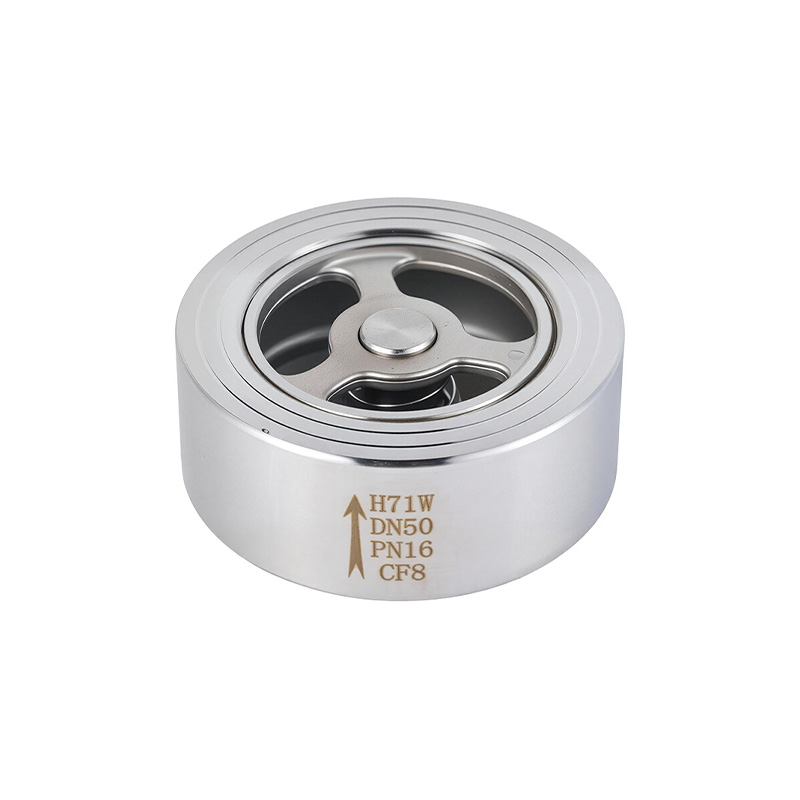
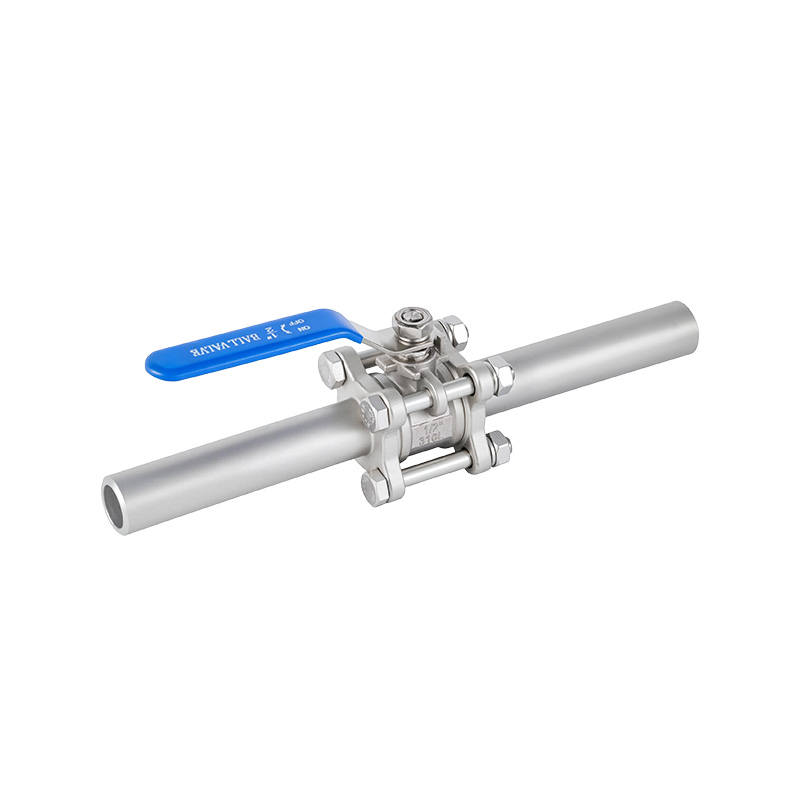
Gate valve, globe valve, throttle valve, piston valve, ball valve, butterfly valve, diaphragm valve, check valve, safety valve, steam trap, pressure reducing valve and other special valves.
Confirm the valve application:
On/off type, control type, safety type, etc.
Confirm the materials of the valve body and internals:
Carbon steel, alloy steel, stainless steel, ductile iron, grey cast iron, copper alloys, aluminium alloys, plastics, etc.
Confirm the valve’s sealing performance requirements, sealing grade or leakage rate;
Confirm the valve’s protective coating requirements, packaging requirements and transport requirements;
For valves with special requirements, the following parameters must also be confirmed:
Overall length, valve height, external dimensions, flow resistance, discharge capacity, flow characteristics, protection rating, explosion-proof performance, etc.;
Confirm the valve’s installation location and orientation;
Confirmation of additional inspection items:
These inspection items are not mandatory and are only carried out by the manufacturer upon the customer’s request. In other words, customers may request additional inspection items based on specific operating conditions in order to better control the intrinsic quality of the material. However, such special requirements will result in an increase in the product price, as certain inspection methods—such as radiographic testing—incur significant costs. These factors should be considered in conjunction with the operating conditions and the product price. For Grade A pipeline valves, the cast steel components of the valve body and bonnet shall undergo 100% radiographic testing. The scope of testing shall comply with the ASME B16.34 standard, covering: areas prone to defects during solidification, critical sections of the cast steel components, stress concentration zones, and areas with weak pressure-bearing capacity. The test results shall meet or exceed the Grade 2 requirements specified in ASTM E446 or ASTM E186. Pressurised forged steel components such as valve bodies and bonnets for Class A pipeline valves shall meet requirements no less stringent than those for Grade III forgings in JB 4726 or JB 4728. End bevels of butt-welded valves and welds on Class A pipeline valves shall undergo 100% X-ray inspection.
2. Relevant Standards and Specifications
Design and Manufacture:
API 6D ‘Line Valves’
API 608 ‘Metal Ball Valves with Flanged, Threaded and Welded Connections’
ASME B16.34 Valves with Flanged, Threaded and Welded Connections
ANSI/AWWA C507 Ball Valves, 6 in. to 48 in.
BFCI 70-2 Control Valve Seat Leakage
MSS SP-72 ‘General-purpose ball valves with flanged and butt-welded connections’
BS 5351 ‘Steel ball valves for the petroleum, petrochemical and related industries’
BS 6364 ‘Cryogenic valves’ NACE MR0175
‘Metallic materials resistant to sulphide stress cracking for oilfield equipment’
GB/T 12237 《General-purpose valves — Steel ball valves with flanged and butt-welded connections》
GB/T 15185 《Iron and copper ball valves》
JB/T 7745 《Pipeline ball valves》
ISO 5211 《Connections for actuators of quarter-turn valves》
Connection End Dimensions:
ASME B16.5 ‘Pipe Flanges and Flanged Fittings’
ASME B16.47 ‘Large-Diameter Steel Flanges NPS 26 to NPS 60’
API 605 ‘Large-Diameter Carbon Steel Flanges’
MSS SP-44 ‘Steel Pipe Flanges’
ISO 7005-1 《Metal Flanges — Part 1: Steel Flanges》
GB/T 9112–9124 《Steel Pipe Flanges》
GB/T 13402 《Large-Diameter Carbon Steel Pipe Flanges》
HG 20592–20635 《Steel Pipe Flanges》
SH 3406 ‘Steel Pipe Flanges for Petrochemical Applications’
JB/T 74–90 ‘Pipe Flanges’
JIS B2238 ‘General Specifications for Steel Pipe Flanges’
ASME B16.25 ‘Butt-Weld Ends’
ASME B 16.11 《Socket-Weld and Threaded Forged Pipe Fittings》
BS 12627 《Industrial Valves — Butt-Weld Ends for Steel Valves》
BS 12760 《Valves — Socket-Weld Ends for Steel Valves》
Testing and Inspection:
API 598 《Inspection and Testing of Valves》
API 6D Pipeline Valves
API 607 Fire-Resistance Testing of Quarter-Turn Soft-Seated Valves
API 6FA Specification for Fire-Resistance Testing of Valves
GB/T 13927 General Valves — Pressure Testing
JB/T 9092 Inspection and Testing of Valves
JB/T 6899 ‘Fire Resistance Testing of Valves’
BS 6755 Part 1 ‘Testing of Valves — Part 1: Specification for Product Pressure Testing’
BS 6755 Part 2 ‘Testing of Valves — Part 2: Specification for Fire Resistance Testing’
BS 12569 ‘Industrial Valves – Requirements and Tests for Valves for Use in Chemical and Petrochemical Processing Industries’
MSS SP-82 ‘Methods of Pressure Testing Valves’
MSS SP-61 ‘Pressure Testing of Steel Valves’
MSS SP-55 ‘Evaluation of Surface Defects in Cast Steel Valves, Flanges, Fittings and Other Pipeline Components’
Body Length:
ASME B16.10 ‘Body Lengths of Valves’
ISO 5752 ‘Body Lengths of Flanged Metal Valves’
BS 558 ‘Industrial Valves – Body Lengths of Metal Valves for Flanged Piping Systems’
BS 12982 ‘Industrial Valves – Body Lengths of Butt-Welded Valves’
GB/T 12221 ‘Flange-Connected Metal Valves — Body Length’
GB/T 15188.1 ‘Body Length of Valves — Welded Ends of Butt-Welded Valves’
Should there be any conflict between the requirements of the purchased valves and those of the technical agreement standards, clarification must be sought from the buyer prior to manufacture or procurement.
3. Pressure Rating Conversion Table

4. Flange connection types

5. Selection of Material Categories and Grades
Common materials used for valve bodies, bonnets, discs or plugs include:
Carbon steel = Cast steel:
Cast steel grades: WCB (-29°C to 425°C), WCC (-29°C to 425°C), LCB (-46°C to 425°C); forged grades include 25 (-29°C to 450°C), A105 (-29°C to 450°C) and LF2 (-46°C to 450°C). These are generally used for non-corrosive media such as water, oils and steam.
Stainless steel:
Domestic cast grades include ZG1Cr18Ni9Ti, ZG0Cr17Ni12Ti and ZG00Cr17Ni12Ti, which correspond to the common American grades CF8, CF8M and CF3M; forged grades include F304 and F316. F316L. Stainless steel materials are generally used in corrosive media; different materials can be selected according to the specific medium, with a maximum operating temperature below 800°C.
Alloy steel:
Common domestic grades include ZG1Cr5Mo, ZG20CrMo and ZG15Cr1Mo1V; US grades include C5, WC6 and WC9. Common forged materials include 20CrMo, 15Cr1Mo1V, 12Cr1Mo1V, F5, F11, F22. Alloy steels are generally used in high-temperature applications, typically at temperatures below 570°C, with special grades capable of withstanding up to 620°C.
Cast iron:
Grades include HT200, QT450, QT400, etc.
Special materials:
WB36 (high-temperature steel, currently used in main feedwater pipes for thermal power generation), C12A, F91 (ultra-high-temperature alloy steel, currently used in main steam pipes for supercritical units in thermal power generation), duplex steel 1.4527, Hastelloy C276, which possesses exceptional corrosion resistance (used in strongly acidic media such as gypsum slurry and filtrate within desulphurisation systems of thermal power plants; also commonly used in strongly acidic media within oil refining and oilfield systems).
Common sealing materials:
Seals can generally be divided into two types: hard seals and soft seals
Hard seals: Generally made of H (iron-based stainless steel, 577Mo, 507Mo, 547Mo), Y (cobalt-based hard alloy steel 802, STL6), T (copper alloys) and C (ceramics). Currently, the most common material requirements for valve internals encountered are: No. 5 – double-sided STL, No. 1 – 1/2 STL, No. 8 – CR13
Soft Seals: Generally made of F, F46 polypropylene, X (natural rubber, nitrile rubber, EPDM), PPL, etc. J denotes full lining, covering both the valve plug and the valve seat;
Valve Stem Materials:
Determined based on the valve material or operating conditions.
(1) Cast iron valves generally use 2Cr13; 45# is not accepted for valve stems.
(2) For GB-standard cast steel valves, 2Cr13 and 17-4PH are commonly used.
(3) For ANSI-standard cast steel valves, 1Cr13 and F6a are commonly used.
(4) For alloy steel valves, 25Cr2Mo1V and 25Cr2MoV are commonly used; special grades include F5 and Hastelloy 725, etc.
(5) For stainless steel valves, the material of the valve stem and internal components generally matches that of the body; standard Chinese grades include 0Cr18Ni9 and 1Cr18Ni9Ti, whilst American standard grades include 304, 316 and 316L.
(6) For sulphur-resistant cast steel valves, the valve stem and internal components are generally made of 304.
Packing:
(1) Moulded graphite types:
A. Plain graphite, graphite + 304, graphite + 316L, graphite + Inconel;
B. Packing cord types: various specifications and sizes (with different stainless steel wires), with high-temperature resistance up to 600°C and pressure resistance up to 45 MPa — for cast steel and alloy steel gate valves and globe valves.
(2) PTFE, PPL, and stainless steel types: Commonly used in butterfly valves and ball valves, offering strong corrosion resistance.
(3) Rubber types: Used in butterfly valves and water valves.
(4) Special combinations: Reinforced graphite + spacer ring + vacuum silicone grease, for use in vacuum valves.
Gasket types:
(1) Composite graphite-wrapped gaskets: Used in products operating at lower pressures, generally in valves rated below 2.5 MPa.
(2) PTFE gaskets: Generally used in applications involving acidic media.
(3) Rubber gaskets: Generally used in low-pressure valves, with pressures below 1.0 MPa, particularly in cast iron valves.
(4) Metal spiral wound gaskets: A: Metal spiral wound gaskets with an inner ring; B: Metal spiral wound gaskets with inner and outer rings; C: Metal spiral wound gaskets without rings.
(5) Octagonal ring gaskets and elliptical ring gaskets: Generally used in the PN 4.0–16.0 MPa range; these are semi-automatic seals, available in materials such as pure iron, 304, 316, 316L and F321.
(6) Toothed gaskets: Generally more common in high-pressure valves, operating at PN 10.0–25.0 MPa.
(7) Self-tightening gaskets: Soft seals (graphite + 304/316), steel (pure iron, 304, 316, 316L, 321, etc.). Self-tightening seal structures are generally used in high-pressure valves rated at PN16.0 MPa and above. For steam applications, soft seals or steel (pure iron) may be used; however, steel (pure iron) must not be used with corrosive media.
Points to note:
The materials for the valve body, bonnet, flanges and internal components should be selected in accordance with requirements
(1) Material combinations for components must be appropriate and reasonable;
(2) Specifications must be set at the higher rather than the lower limit (e.g. PTFE lining);
Stem packing and sealing gaskets:
The materials for packing and sealing gaskets must be specified. Stem packing should contain corrosion inhibitors, and the type of sealing material must be clearly stated in the quotation. The corrosion resistance of metal and non-metallic gaskets must be equal to or greater than that of the valve body and bonnet.