


 English
 русский
 Español
 عربى
عربى Português
Zhongchi
Zhongchi
Zhongchi
Zhongchi
Zhongchi
Zhongchi
Zhongchi
Zhongchi
Zhongchi
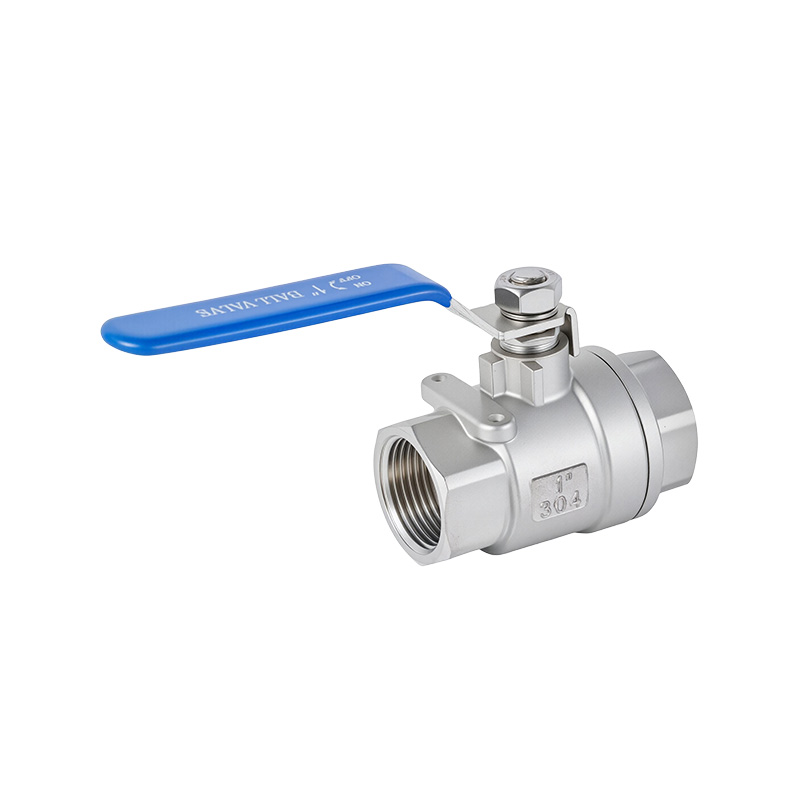
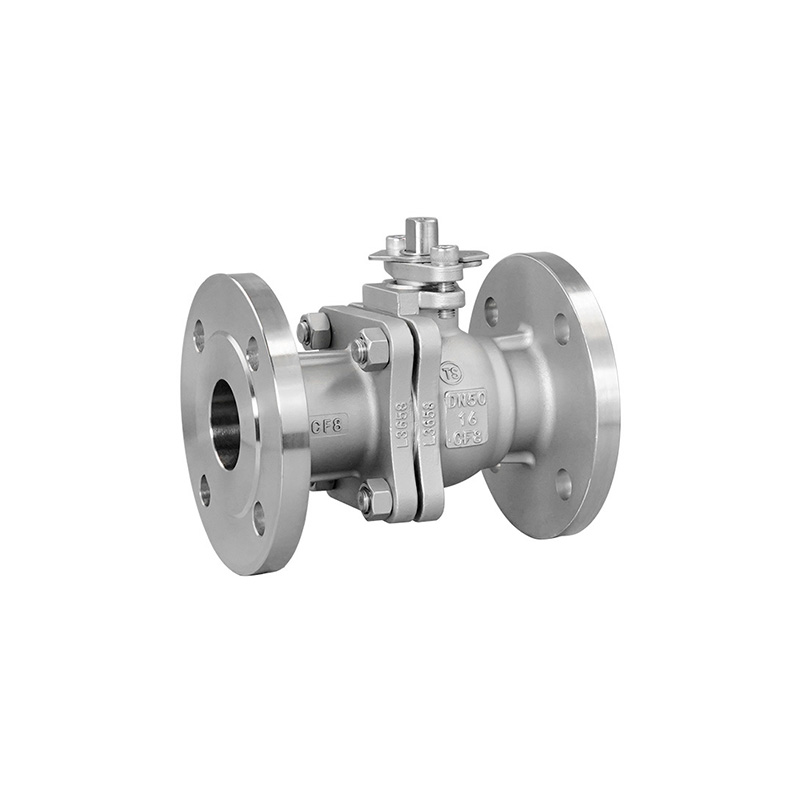
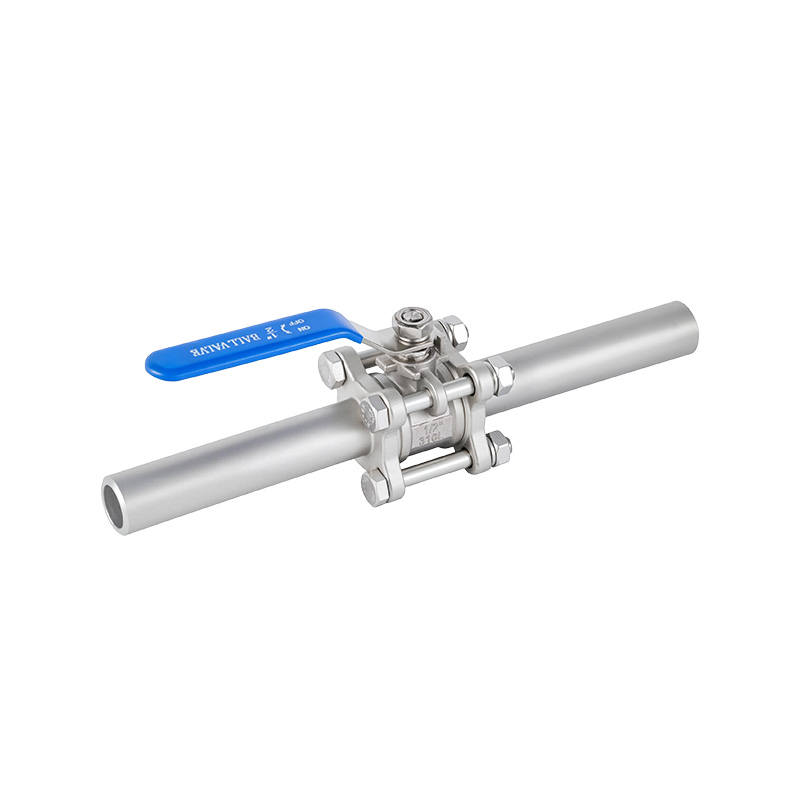
Three-piece Soft-sealed Welded Ball Valve Product Specification
I. Main Purpose and Application Range
1. Purpose
The three-piece soft-sealed welded ball valve serves as an opening and closing device and is not suitable for flow regulation.
2. Application Range
- Working Temperature: -29℃ ~ +120℃
- Nominal Pressure: 1.6 MPa
- Applicable Media: Water, oil, and other similar fluids
Notes: Long-term operation at the extreme temperature and pressure limits of the valve will shorten its service life. It is recommended to adopt higher-grade products for such working conditions.
3. Performance Specifications
| Test Item | Test Pressure | Test Medium | Test Temperature |
|---|---|---|---|
| Strength Test | 2.4 MPa | Water | Normal temperature |
| Tightness Test | 1.8 MPa | Water | Normal temperature |
| Low-pressure Air Tightness Test | 0.8 MPa | Air | Normal temperature |
II. Main Structural Features
The valve realizes opening and closing by rotating the ball body 90° perpendicularly around the central axis, featuring a compact structure and rapid switch action. For large-diameter ball valves, the floating ring design brings low torque and easy operation.
Sealing is achieved between the spherical surface and annular seat under pre-tightening force and medium pressure, ensuring reliable sealing performance and long service life.
III. Main Components & Materials
- Valve Body: 304 stainless steel
- Ball: 304 stainless steel
- Valve Stem: 304 stainless steel
- Valve Seat: PTFE
IV. Installation Instructions
- Install the valve at positions convenient for operation and maintenance.
- Verify the valve model, performance parameters, and technical requirements to confirm conformity with actual working conditions before installation.
- Remove dirt and rust inside the valve to keep the sealing surface clean before installation.
- Inspect for damage caused during transportation; start installation only after full inspection.
- Split welding is mandatory; direct welding is prohibited; otherwise, the valve seat will be damaged.
V. Operation Guidelines
- The valve is only for full opening and full closing, not for flow regulation. Operation beyond specified temperature and pressure limits or under frequent alternating pressure conditions is strictly forbidden. Periodically fasten bolts under high temperature to prevent leakage and reduce the thermal gradient as much as possible.
- Keep the valve fully open or fully closed all the time instead of partially open. For non-manual driving modes, ensure the valve switch state is consistent with the indication on the control console to avoid misoperation.
VI. Maintenance & Storage
- Conduct regular inspection and maintenance on in-service valves to prevent rusting and jamming, and keep the valve in good working condition.
- Keep installed valves clean and maintain good lubrication of the valve stem.
- External leakage at stuffing box: tighten the packing properly or replace it (usually tighten by 1/8 circle only).
- Leakage at connecting joints: evenly retighten bolts until leakage stops.
- Internal leakage at sealing surface: check if the valve is fully closed and remove foreign matter from the sealing surface. Reopen and close the valve for the leakage test if permitted. Do not force close the valve if it cannot be fully closed. This problem is usually caused by incomplete switching in daily use. Remove the handle, rotate the valve stem counterclockwise for several circles, then close the valve normally and check for leakage.
- During overhaul, thoroughly clean all parts to remove foreign matter, sludge, and rust. Replace damaged packing and gaskets, repair defective sealing surfaces. Put the valve back into service only after passing the pressure test and full maintenance.
- Store valves in dry warehouses; stacking storage and outdoor storage are forbidden.