


 English
 русский
 Español
 عربى
عربى Português
Zhongchi
Zhongchi
Zhongchi
Zhongchi
Zhongchi
Zhongchi
Zhongchi
Zhongchi
Zhongchi
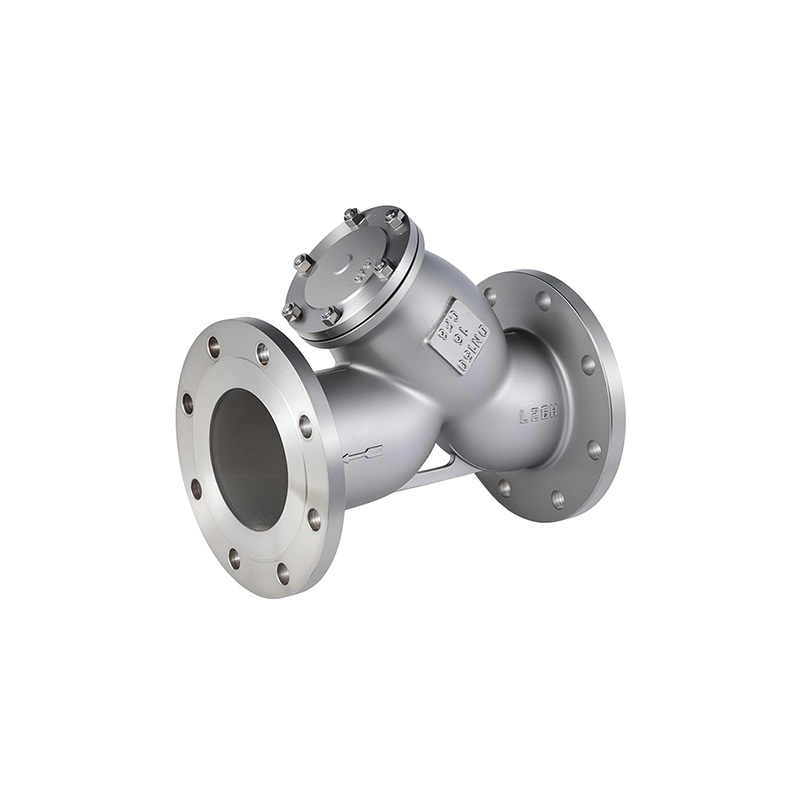
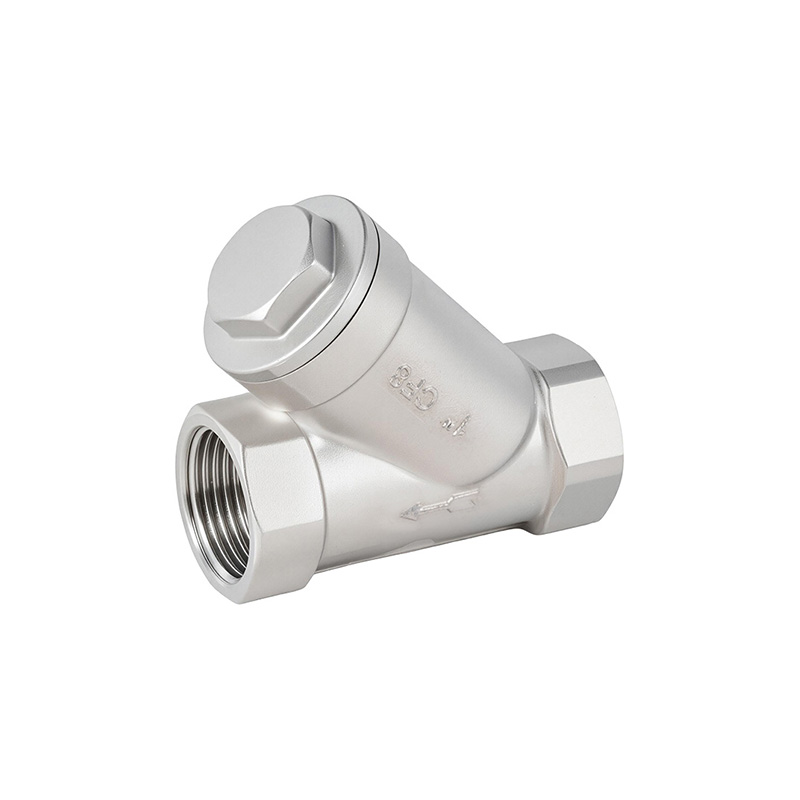
Mesh size has an effect on what a Y‑type Flanged Strainer can retain. A finer mesh does not automatically create a piping solution. Zhongchi considers particle size, fluid flow, downstream equipment, screen open area and pressure drop together when configuring a Y‑type Flanged Strainer.
Mesh selection becomes particularly important for pumps, control valves, nozzles, meters and other components that may be affected by suspended particles. The right screen needs to provide protection without creating unnecessary flow resistance.
Mesh Number Does Not Tell the Whole Story
Mesh refers to the number of openings across an inch of screen. Higher mesh numbers generally correspond to openings but actual filtration depends on wire diameter and screen construction as well.
- 20 mesh: 840 µm nominal opening in a common reference chart suitable for relatively coarse debris.
- 60 Mesh: 250 µm opening providing finer particle retention.
- 100 Mesh: 150 µm opening suitable for applications requiring finer particulate control but with greater fouling potential.
These values are reference points than universal specifications. Wire diameter, weave pattern, screen material and manufacturing tolerances can change the opening.
What Should the Screen Protect?
Zhongchi starts the mesh discussion from the component rather than simply choosing a popular screen size. A pump passage, valve trim spray nozzle or instrument connection may have a clearance that determines the required filtration level.
The screen opening should be smaller than the particle size that could interfere with the protected component. Such an approach gives the Y‑type Flanged Strainer a defined purpose of treating filtration as a generic specification.
Different Particle Loads Need Screens
- Construction debris: Coarser screens can capture welding scale, rust flakes and larger particles without rapid blockage.
- Process water: Medium mesh may provide a balance between particulate protection and flow capacity.
- Instrument protection: Finer mesh may be appropriate for passages and sensitive components.
- Particle‑sensitive processes: The required micron opening should be established from the actual process specification.
Does Finer Mesh Increase Pressure Drop?
Yes screen fineness can have an effect on pressure loss. Smaller openings reduce the passage area while accumulated particles reduce that open area further. Pressure drop therefore changes as the screen becomes loaded.
Published engineering data for flanged Y‑strainers shows correction factors increasing with mesh screens. One reference for example applies a factor of 1.2 for 40 mesh 1.4 for 60 mesh and 1.7 for 100 mesh under its test conditions.
Clean‑screen pressure drop should not be treated as the operating value. Zhongchi also considers the expected dirt load because a screen that performs well while clean can create higher resistance after partial blockage.
Screen Area Can Matter Much as Mesh
Two strainers using the same mesh can produce different pressure losses because their available screen areas are not necessarily identical. A larger effective screen area distributes the flow across more openings.
The geometry of the Y‑strainer also creates a collection chamber where captured debris can accumulate away from the flow path. Screen dimensions, chamber volume, pipe diameter and flow rate therefore form part of the filtration calculation.
Key Parameters Zhongchi Reviews
- Nominal pipe size: DN15, DN25, DN50, DN100 and larger configurations can require screen dimensions.
- Mesh or aperture: Define the required opening rather than relying only on a mesh number.
- Flow rate: Higher flow through the screen can increase pressure loss.
- Fluid viscosity: Oil and other viscous media can behave differently from water.
- Screen material: Stainless steel screens can be configured according to corrosion and temperature requirements.
- Pressure rating: Flange class or PN rating needs to correspond with the piping system.
Why Flanged Construction Matters
Flanged connections suit industrial pipelines and systems that require standardized bolted connections. Zhongchi can configure a Y‑type Flanged Strainer around specified flange standards, body materials, screen designs and pressure classes.
Stainless steel configurations may use 304 or 316 steel for the body and screen depending on fluid chemistry and service conditions. Some industrial Y‑strainers are available across pressure classes such as ANSI 150 300 and higher while the applicable range depends on the construction.
Finding the Practical Mesh Size
There is no mesh size that fits every pipeline. Zhongchi recommends defining the downstream passage that needs protection identifying the approximate particle size checking allowable pressure loss and then determining a suitable screen opening.
A 100‑mesh screen is not automatically better, than a 20‑mesh screen. Finer filtration can provide particle retention while coarser filtration may offer greater open area and longer loading tolerance. The Y‑type Flanged Strainer is the configuration that balances these factors around the actual pipeline duty.