


 English
 русский
 Español
 عربى
عربى Português
Zhongchi
Zhongchi
Zhongchi
Zhongchi
Zhongchi
Zhongchi
Zhongchi
Zhongchi
Zhongchi
Flanged pipelines often need a shut-off without adding unnecessary restrictions to the main flow path. Gate valves and ball valves can both serve isolation duties. Their internal structures and operating methods create different results in practical piping systems.
Zhongchi develops the steel flanged gate valve around applications that require a strong isolation solution for industrial pipelines. Understanding how a gate valve compares with a ball valve helps engineers match the valve structure with pipe diameter, operating frequency, pressure class and available installation space.
How Does the Closing Mechanism Change Operation?
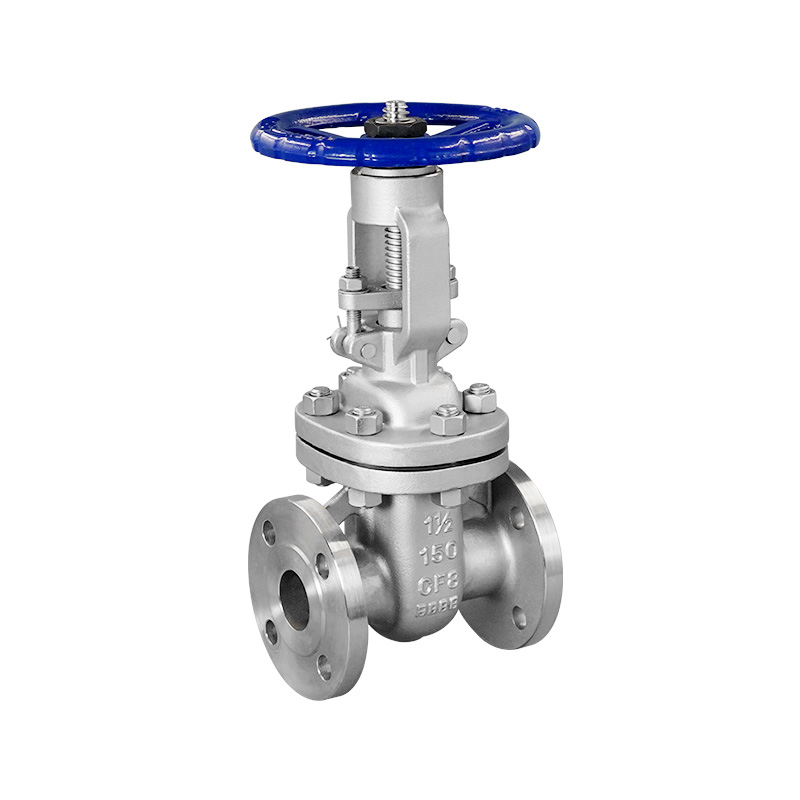
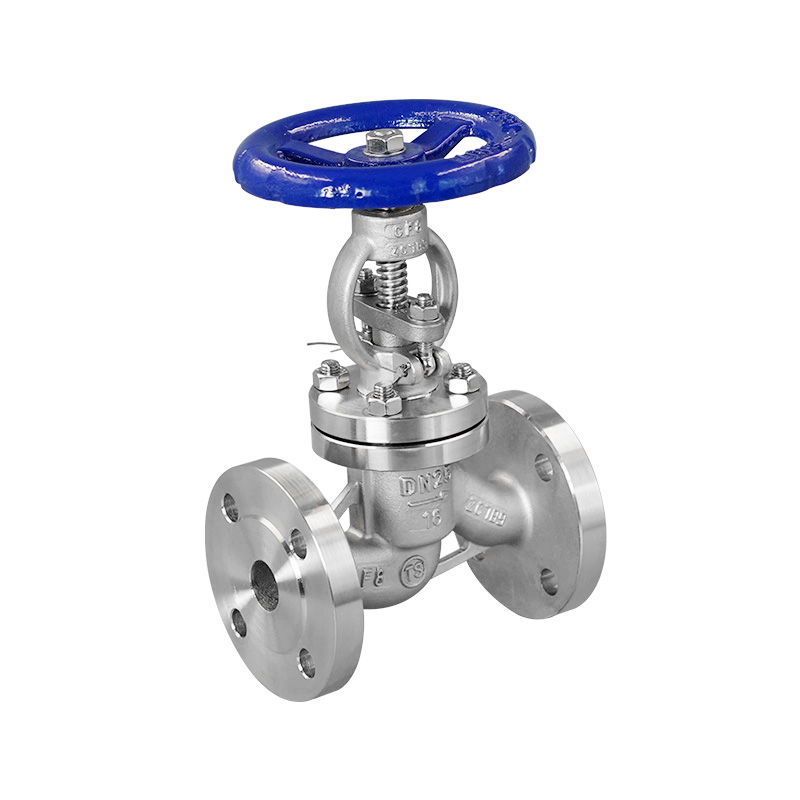
Gate valves use a wedge or gate that moves vertically into the valve body. Several turns of the handwheel are normally required to move the gate between open and fully closed positions. This multi-turn movement can be useful on pipelines where gradual closure is desired.
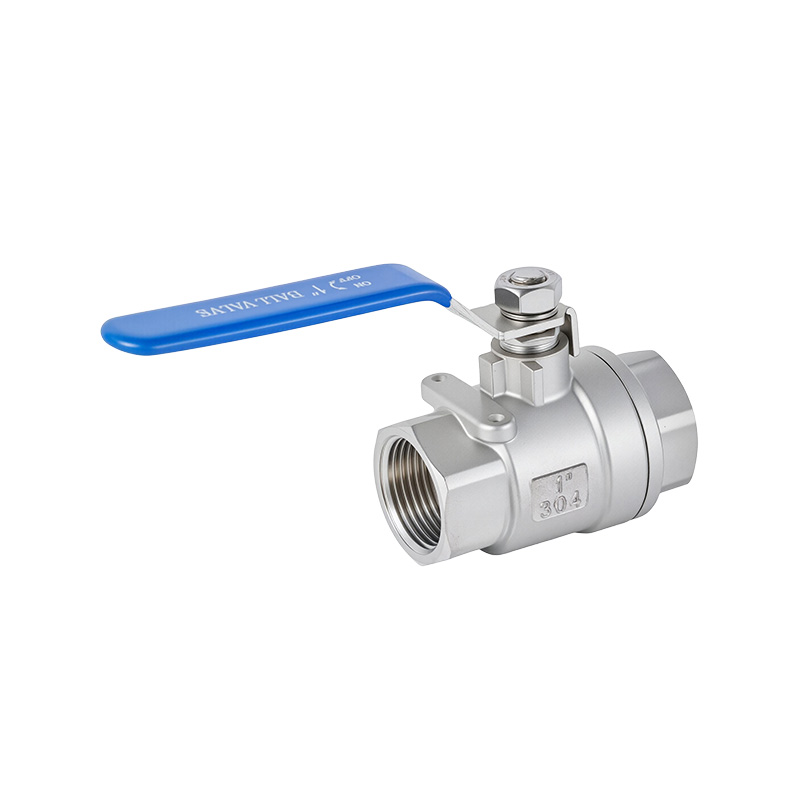
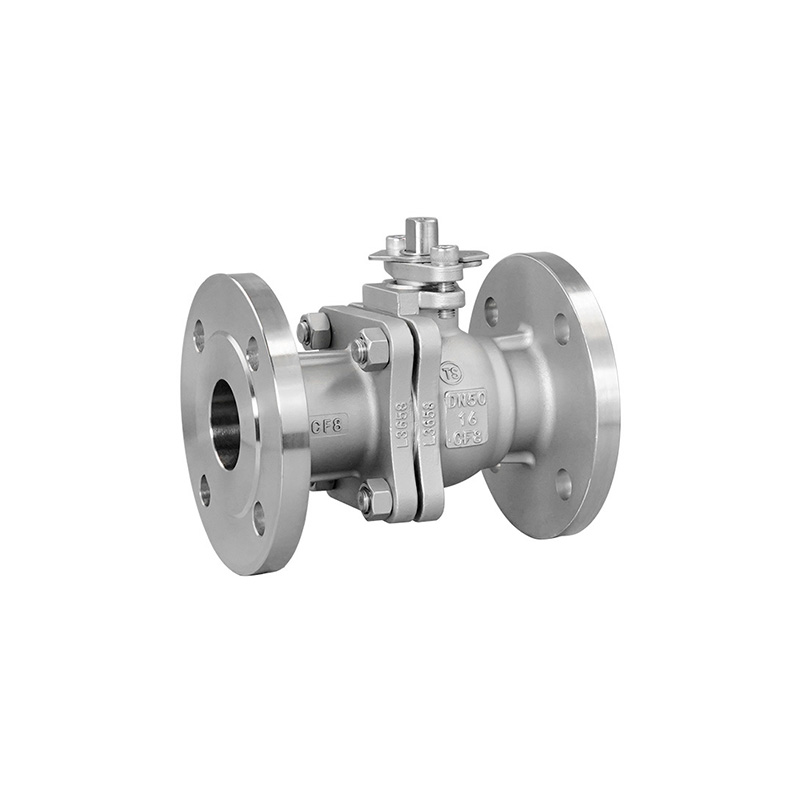
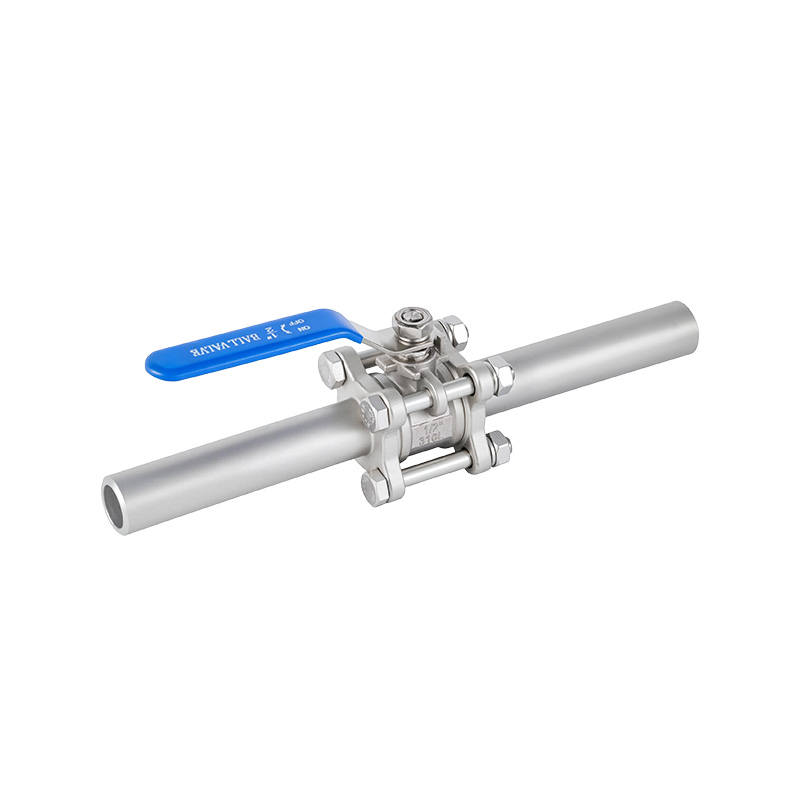
Ball valves use a quarter-turn mechanism. Rotating the stem 90 degrees moves the ball between open and closed positions. Such operation can provide isolation, which is useful for systems requiring frequent switching or automated actuation.
- Gate valve: Multi-turn operation with a rising or nonrising stem configuration.
- Ball valve: Quarter-turn operation with a rotating ball.
- Automation: Ball valves can offer quarter-turn actuation while large gate valves may require more substantial actuator arrangements.
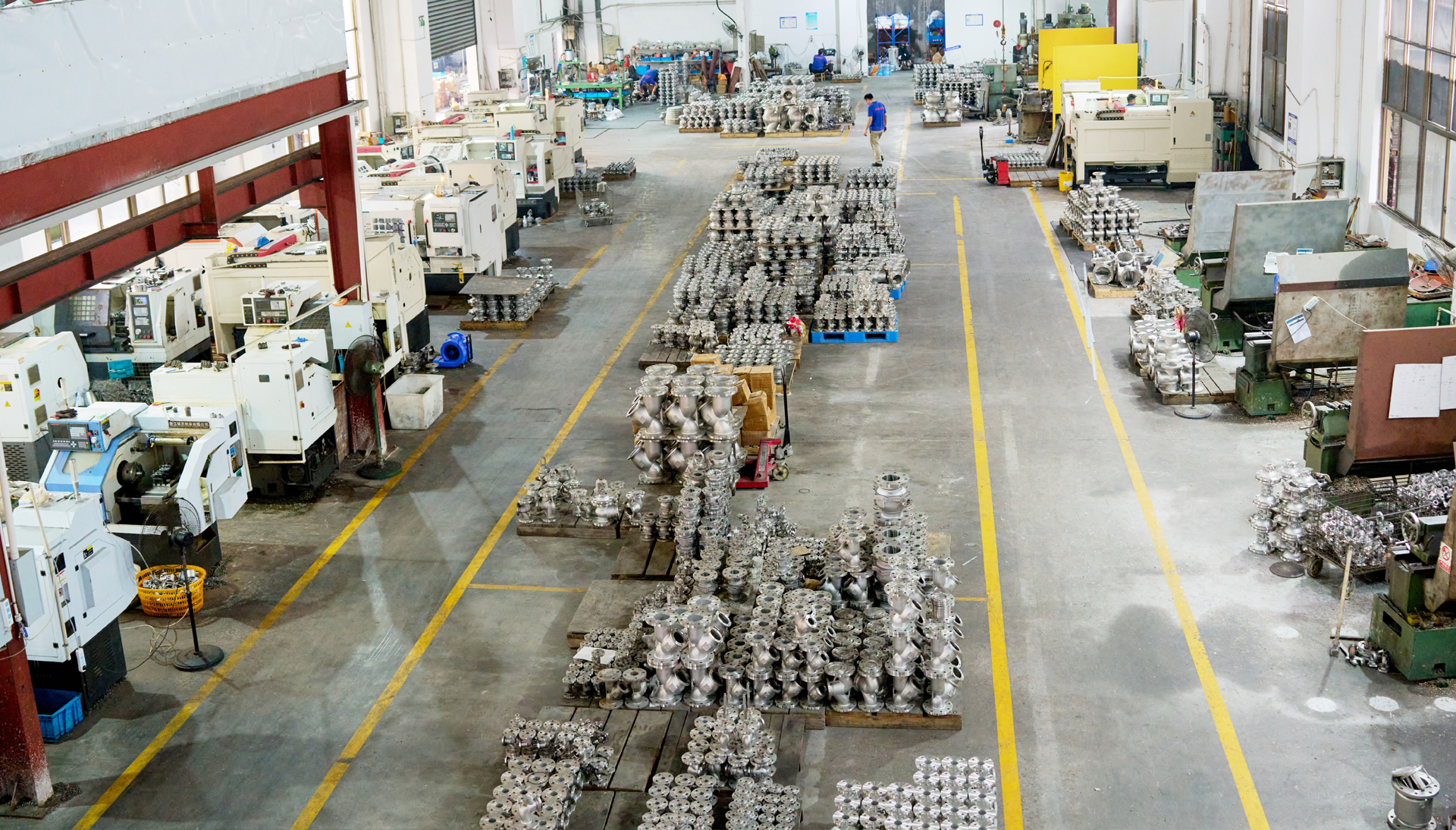
Large Pipelines Change the Equation
Valve size is a dividing point. Large-diameter pipelines can require torque and actuator force from a ball valve while gate valves remain widely used for large-bore isolation duties.
Flanged gate valve designs can cover nominal sizes and pressure classes. Industrial stainless steel gate valve ranges for example can extend from NPS 2 through NPS 32 with Class 150 300 600 and 900 configurations depending on the design.
Large pipeline isolation therefore deserves an evaluation from compact process piping. Valve weight, actuator torque, available headroom, flange dimensions and maintenance access can become just as important as the valve size.
Does Flow Resistance Favor One Design?
Both valve types can provide an unobstructed flow path after reaching the fully open position. Full-port ball valves provide a bore through the ball while full-bore gate valves also minimize obstruction once the gate is completely lifted from the flow passage.
Actual pressure loss depends on bore geometry, valve size, flow rate, medium properties and internal design. A reduced-port ball valve can create restriction than a full-port model while gate valve geometry also varies between designs.
Neither valve should be treated as a general-purpose flow-regulating device. Partial opening can expose sealing surfaces to high-velocity flow and accelerate erosion or wear.
What Happens During Rapid Shut-Off?
Closing speed becomes particularly relevant in pipelines. A quarter-turn ball valve can shut the line rapidly. Sudden flow stoppage may generate pressure surges in long liquid piping.
Gate valves require turns allowing the operator or actuator to reduce flow over a longer operating stroke. Such behavior can be useful on water lines or other systems where uncontrolled rapid closure could create hydraulic shock.
- Isolation: Quarter-turn ball operation can simplify repeated open-close cycles.
- Large liquid mains: Slower gate movement can provide controlled closure.
- Emergency isolation: Required closing time should be evaluated alongside pressure-surge risk.
Why Do Flange Standards Matter?
Flanged installation requires more than matching the pipe diameter. Flange dimensions, pressure class, face type, bolt pattern, gasket arrangement and valve pressure-temperature rating all need to correspond with the piping specification.
ASME B16.34 covers pressure-temperature ratings, dimensions, materials, testing and marking for flanged, threaded and welding-end valves. Standard pressure classes include Class 150 300 600 900 1500 2500 and 4500.
Gate valve designs for demanding service may also be produced around API 600 requirements, which specifically addresses steel gate valves with flanged and butt-welding ends.
Specifications Worth Confirming
- Size: Match NPS or DN with the connected pipeline.
- Pressure class: Check Class 150 300 600 or another required rating.
- Stainless steel grade: 304, 304L 316 and 316L can suit fluid environments.
- Flange face: Confirm RF, RTJ or another required configuration.
- Temperature: Verify the pressure-temperature relationship for the service.
- Operation: Handwheel, gear, electric actuator or pneumatic actuation can be specified according to system requirements.
Where Does the Stainless Steel Flanged Gate Valve Fit?
Zhongchi positions the steel flanged gate valve around pipeline isolation duties where a flanged connection, stainless steel construction and full open/full closed operation are required. Stainless steel grades can also be matched to chemistry and temperature rather than treating every application as the same service.
Gate valve construction can be particularly relevant to pipe headers, utility lines, process pipelines and systems that remain open or closed for extended periods. Ball valves can become attractive for lines, frequent cycling, rapid operation or applications requiring quarter-turn actuation.
The Better Valve Depends on the Pipeline Duty
There is no winner, between a gate valve and a ball valve. The practical answer comes from the pipelines operating conditions.
Diameter, infrequent isolation, gradual closure and flanged pipeline construction can favor a stainless steel flanged gate valve. Compact piping, frequent operation shut-off and quarter-turn actuation may point toward a ball valve.
Zhongchi evaluates valve size, stainless steel grade, pressure class, temperature, medium flange standard, flow direction, operating frequency and available installation space before defining the valve configuration. Providing these parameters gives the steel flanged gate valve a clear application target rather than treating the valve as a generic pipeline component.