


 English
 русский
 Español
 عربى
عربى Português
Zhongchi
Zhongchi
Zhongchi
Zhongchi
Zhongchi
Zhongchi
Zhongchi
Zhongchi
Zhongchi
Industrial valve procurement often starts with a simple question: which valve design fits the pipeline? Ball valves, butterfly valves, and gate valves can all serve shut-off duties, yet their structures, operating methods, installation requirements, and application characteristics are different. Understanding these differences helps engineers, distributors, EPC contractors, and industrial buyers build a more accurate valve specification.
At Zhongchi Valve Group, we manufacture ball valves, gate valves, butterfly valves, globe valves, check valves, strainers, electric valves, and pneumatic valves. Our product range supports applications across petroleum, natural gas, chemical processing, power generation, water supply, refrigeration, metallurgy, and other industrial sectors. This broad product portfolio allows us to evaluate industrial valve selection according to the actual pipeline conditions rather than treating one valve type as a universal solution.
Ball Valve vs Butterfly Valve vs Gate Valve
The three valve types use different shut-off mechanisms. A ball valve rotates a spherical closure member through 90 degrees. A butterfly valve rotates a disc around the valve stem. A gate valve moves a gate perpendicular to the flow path.
| Valve Type | Operating Principle | Typical Function | Key Procurement Factors |
| Ball Valve | 90° rotation of a ball | Quick shut-off | Seat material, pressure rating, connection, operating torque |
| Butterfly Valve | 90° rotation of a disc | Isolation and flow control | Body style, disc material, seat, actuator, installation space |
| Gate Valve | Vertical movement of a gate | Pipeline isolation | Gate design, body material, pressure class, sealing system |
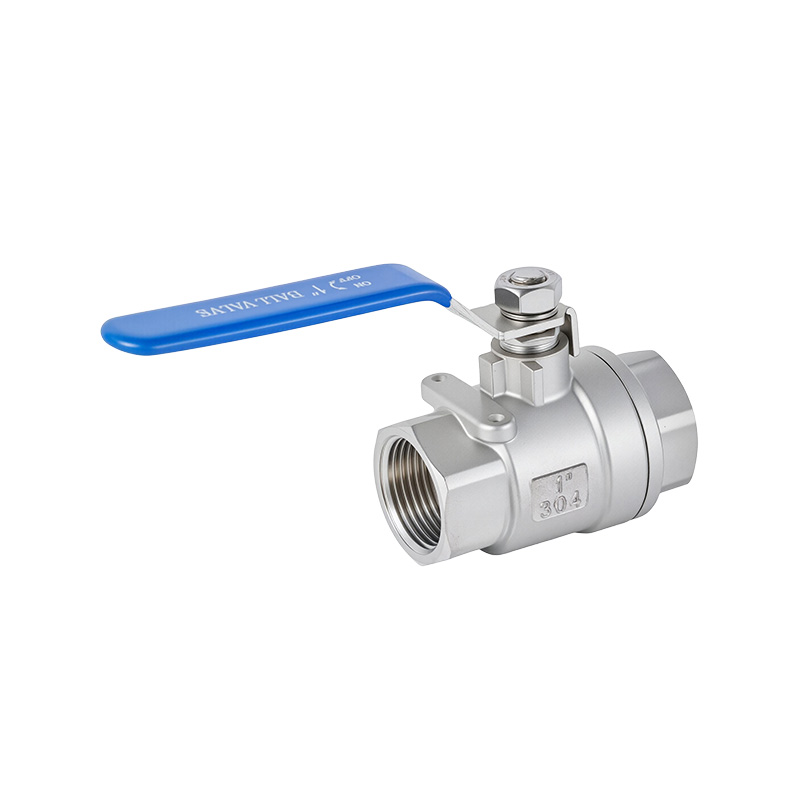
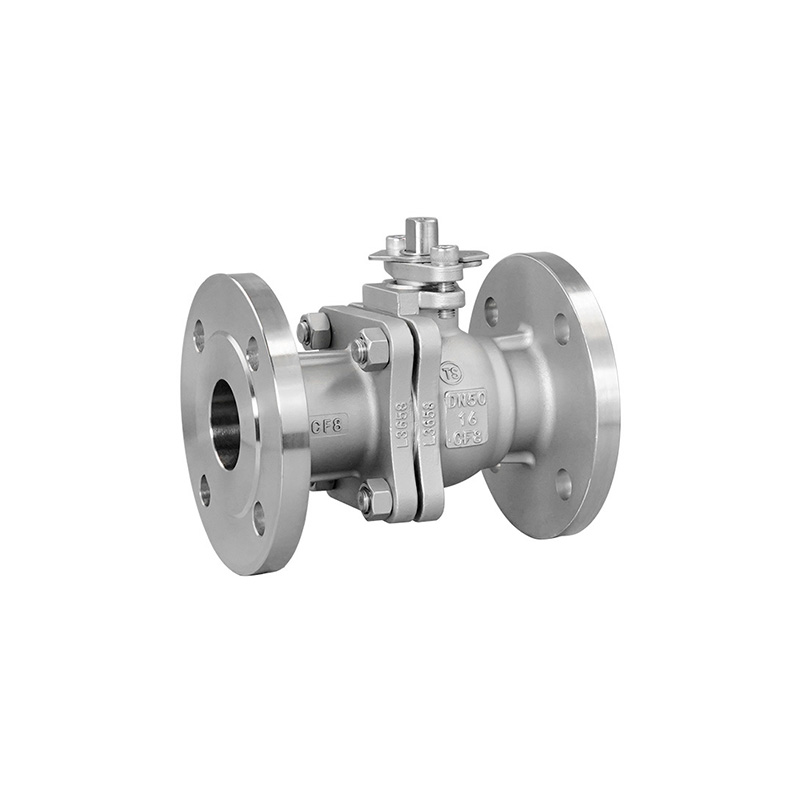
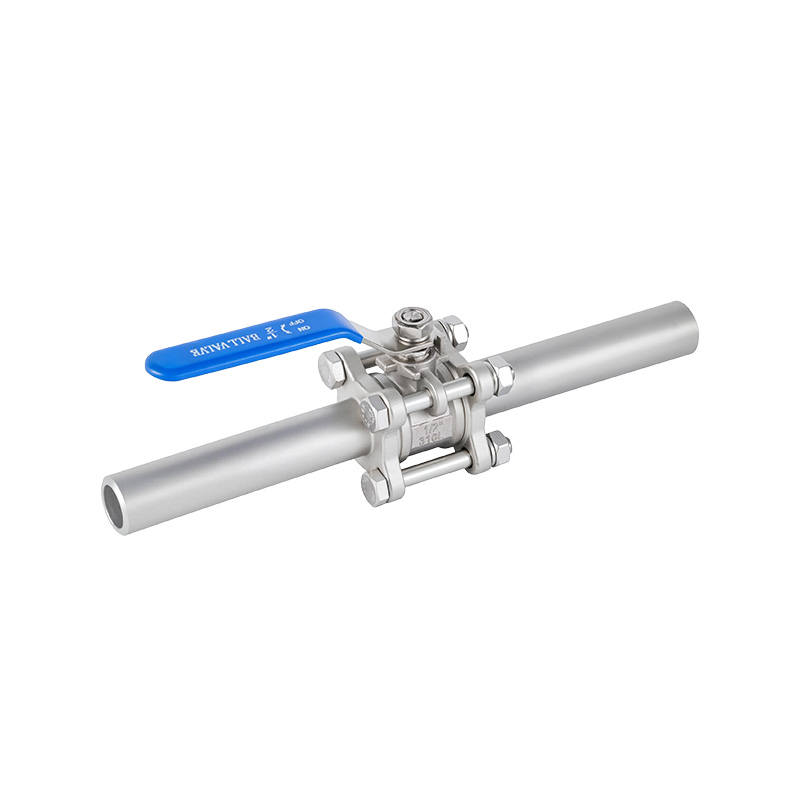
Our ball valve range includes threaded, flanged, welded, wafer, and clamp connection configurations. Ball valves can also be divided into soft-seated and metal-seated designs according to sealing materials. Zhongchi's product portfolio includes soft-seal floating flange ball valves, hard-sealed floating flange ball valves, and soft-sealed trunnion flange ball valves.
Where Ball Valves Fit
Ball valves are designed around a quarter-turn operating principle. The stem rotates the ball 90 degrees to open or close the flow path. This structure supports quick opening and closing and does not require a specific installation flow direction according to our product information.
Ball Valve Considerations
- Fast operation: Quarter-turn movement provides rapid shut-off.
- Sealing: Soft-seated and metal-seated configurations can address different service conditions.
- Connection choices: Threaded, flanged, welded, wafer, and clamp configurations are available across the product range.
- Frequent operation: The quarter-turn structure suits systems requiring repeated opening and closing.
- Flow regulation: Conventional ball valves are generally intended for on/off service rather than continuous throttling.
Ball valve configuration should also match the medium. Our product range includes soft-seal and hard-seal options, giving buyers different sealing approaches based on temperature, media characteristics, wear conditions, and other project requirements.
Where Butterfly Valves Fit
Butterfly valves use a disc that rotates around the stem. Their compact construction can provide useful installation flexibility, especially in applications with limited space or larger pipeline diameters.
Our soft-seal wafer butterfly valve is part of the Zhongchi butterfly valve range. We also offer electric butterfly valve configurations with wafer, flanged, and butt-weld connections. The electric version combines a quarter-turn actuator with the butterfly valve and can support on/off operation as well as proportional control using 0–10V or 4–20mA signals.
Butterfly Valve Considerations
- Compact structure: The disc-based design can reduce installation space.
- Connection flexibility: Wafer, flanged, and butt-weld configurations are available across relevant models.
- Automation: Electric and pneumatic actuation can be integrated into industrial control systems.
- Flow control: Certain actuated butterfly valve configurations can support proportional modulation.
- Material configuration: Body and seat materials can be matched with the medium and operating conditions.
Where Gate Valves Fit
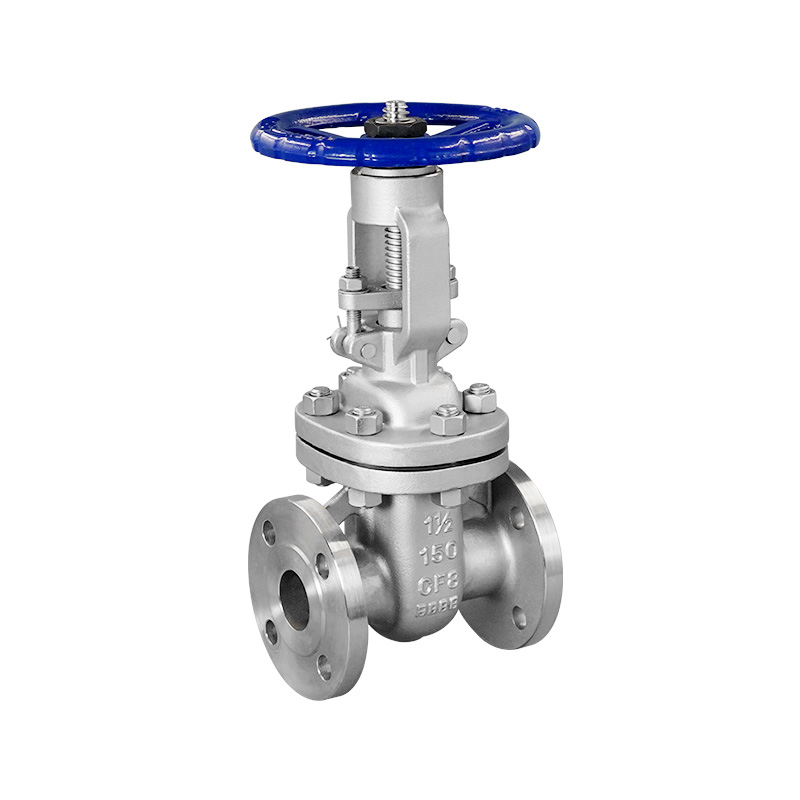
Gate valves use a gate that moves perpendicular to the flow direction. The design is intended primarily for fully open or fully closed service rather than throttling. Our industry guidance also notes that gate valves provide low flow resistance through the open flow path and can accommodate flow from either side.
Gate Valve Considerations
- Isolation service: Gate valves are suitable for pipeline isolation duties.
- Low flow resistance: The open flow path provides relatively low resistance.
- Flow direction: Conventional gate valve configurations can accommodate flow from either side.
- Sealing: Gate and seat design should correspond with the pressure, temperature, and medium.
- Operating space: The vertical movement of the gate requires suitable clearance around the valve.
How We Approach Industrial Valve Selection
At Zhongchi, we consider the complete operating environment before recommending a valve configuration. Valve size alone does not provide enough information to determine the appropriate design.
| Project Requirement | Questions to Confirm | Relevant Valve Consideration |
| Pipeline isolation | Is the valve mainly used for shut-off? | Ball or gate valve |
| Limited installation space | How much room is available around the pipeline? | Butterfly valve may provide a compact configuration |
| Frequent operation | How often will the valve open and close? | Quarter-turn ball or butterfly valve |
| Flow modulation | Does the system require proportional control? | Suitable actuated butterfly valve configuration |
| Abrasive medium | Does the fluid contain solid particles? | Seat and sealing material require careful review |
| Automation | Is remote operation required? | Electric or pneumatic valve configuration |
Pressure, Temperature, and Material Still Matter
Valve type is only one part of the specification. Body material, trim material, seat material, pressure class, operating temperature, and connection standard should be confirmed alongside the basic valve design.
Our ball valve products, for example, include configurations using stainless steel, carbon steel, and other material combinations according to the specific model. Pneumatic ball valve specifications also provide examples of CF8, CF3M, and WCB body options, with 304, 316L, F304, F316L, and 2Cr13 components available across relevant configurations.
Butterfly valve selection also requires attention to the body, disc, seat, actuator, and connection method. Our electric butterfly valve can be configured according to valve size, materials, connection types, actuator specifications, voltage, and control requirements.
What Buyers Should Include in an RFQ
- Valve type and quantity
- Nominal diameter and pressure rating
- Pipeline medium
- Operating and design temperature
- Body and trim material
- Seat and sealing material
- End connection standard
- Manual, pneumatic, or electric operation
- Required testing and certification
- Installation and space limitations
Build the Valve Specification Around the Application
Ball, butterfly, and gate valves each have a place in industrial piping systems. A ball valve can suit rapid shut-off and frequent operation, a butterfly valve can provide a compact quarter-turn configuration with applicable flow-control options, while a gate valve can serve pipeline isolation with a relatively unobstructed flow path during full opening.
At Zhongchi Valve Group, we manufacture all three valve categories alongside globe valves, check valves, strainers, electric valves, and pneumatic valves. Our factory integrates design, development, production, and sales, while our engineering team supports customized valve development based on customer drawings or samples.
Send us your pipeline size, pressure class, medium, temperature, connection standard, operating method, and certification requirements. Our team can review the application and provide a corresponding valve configuration, technical information, and quotation for your project.