


 English
 русский
 Español
 عربى
عربى Português
Zhongchi
Zhongchi
Zhongchi
Zhongchi
Zhongchi
Zhongchi
Zhongchi
Zhongchi
Zhongchi
Oil and gas valve procurement involves technical requirements that go well beyond valve size and purchase price. Pipeline operators, EPC contractors, distributors, and industrial buyers need to coordinate pressure ratings, body materials, sealing systems, connection standards, testing, certification, and operating conditions before production starts.
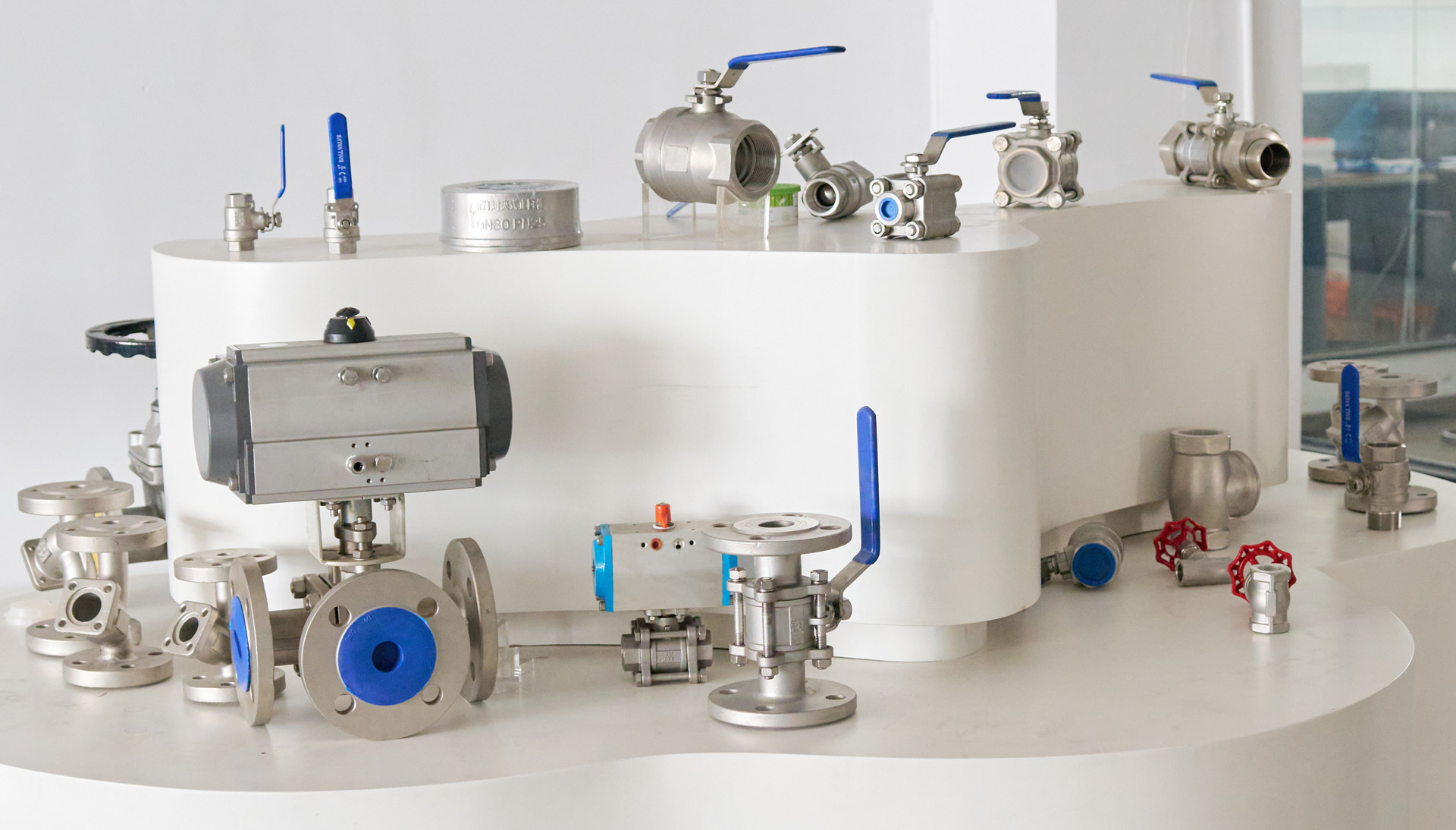
At Zhongchi Valve Group, we manufacture ball valves, gate valves, globe valves, check valves, butterfly valves, filters, and other industrial pipeline valves. Our products are used across petroleum, natural gas, chemical processing, power generation, metallurgy, and other industrial applications. Our experience with different valve configurations also shows us how a small specification gap can create problems during production, installation, or service.
Mistake 1: Comparing Prices Before Confirming the Valve Specification
Price comparisons become unreliable once different suppliers quote different technical configurations. A carbon steel valve and a stainless steel valve may have similar dimensions but very different material costs and service capabilities.
We recommend establishing the basic technical specification before requesting quotations for oil and gas pipeline valves.
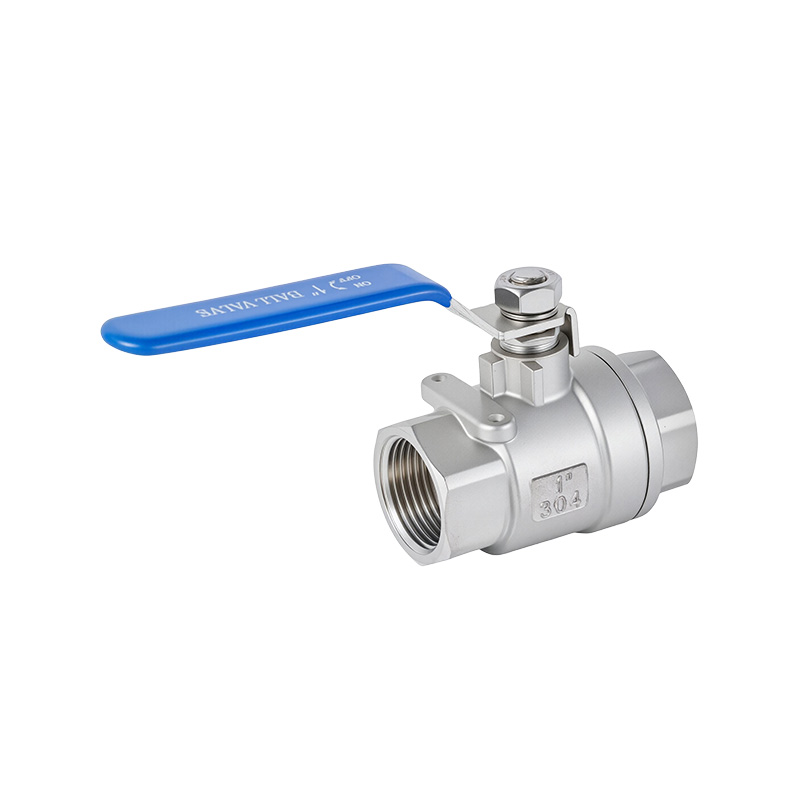
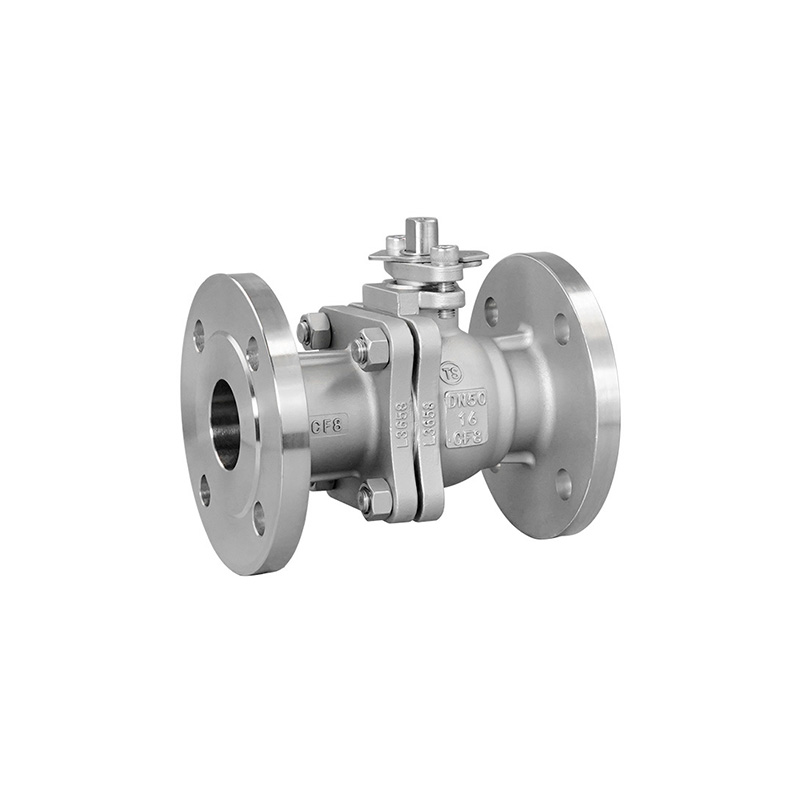
- Valve type: Ball, gate, globe, check, or another configuration.
- Nominal size: DN or NPS dimensions required by the pipeline.
- Pressure class: PN or ASME pressure rating.
- Body material: Carbon steel, stainless steel, alloy steel, duplex steel, or another specified material.
- Connection: Flanged, threaded, socket-weld, butt-weld, wafer, or project-specific configuration.
- Operating medium: Crude oil, refined products, natural gas, steam, water, chemicals, or another process medium.
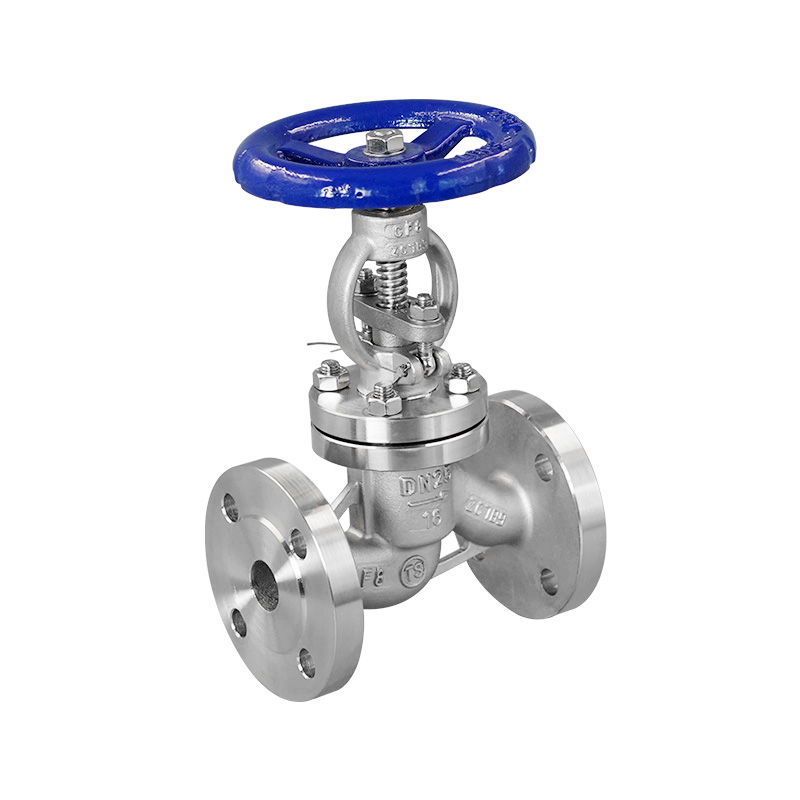
Our forged steel globe valve, for example, can be manufactured from carbon steel, alloy steel, or stainless steel and is available with flanged, socket-weld, butt-weld, and threaded end connections. The product is designed for applications including oil and gas systems, petrochemical facilities, and coal-chemical processing.
Mistake 2: Treating Valve Materials as a Secondary Detail
Material selection directly affects corrosion resistance, pressure-temperature performance, mechanical strength, and service life. The same valve design may require different materials according to the pipeline medium and operating environment.
| Valve Component | Typical Material Options | Key Procurement Consideration |
| Body | Carbon steel, stainless steel, alloy steel | Pressure, temperature, corrosion conditions |
| Ball / Disc | Stainless steel or specified alloy | Medium compatibility and wear |
| Stem | Stainless steel or project-specified material | Strength and corrosion resistance |
| Seat | PTFE, RPTFE, metal seat | Temperature, pressure, and sealing requirements |
| Gasket / Packing | Graphite, PTFE, or specified material | Temperature and media compatibility |
Our pneumatic ball valve specifications provide examples of this material-based approach, with CF8, CF3M, and WCB body options, 304 and 316L ball options, F304/F316L/2Cr13 stem options, and PTFE or RPTFE seat configurations. The final material combination should correspond to the actual service conditions.
Mistake 3: Choosing Certification Without Checking the Exact Requirement
Certification should correspond to the valve, application, and destination market. Simply asking for a “certified valve” does not provide enough information for an accurate quotation.
Our certification portfolio includes ISO9001 quality management system certification, ISO14001 environmental management system certification, ISO45001 occupational health and safety management system certification, TS special equipment manufacturing certification, CE certification, EAC certification, and fire-test certification referenced to API 607.
Certification Questions Worth Adding to an RFQ
- Which product standard applies to the valve?
- Is fire testing required?
- Which certification is required for the destination market?
- Does the project require material certificates?
- Is third-party inspection required?
- Which pressure and leakage tests must be documented?
Our published information references API 607 fire-test certification. Buyers requiring other API standards should specify the exact standard and certification scope during the quotation stage so that the applicable product and documentation can be confirmed before production.
Mistake 4: Ignoring Pressure and Leakage Testing
Testing is an essential part of industrial valve procurement. Pressure and leakage performance should be connected with the design pressure, valve type, test standard, and project specification rather than treated as a generic factory procedure.
Our production and inspection resources include spectrometers, hardness testers, thickness gauges, flaw detectors, and high- and low-pressure valve test benches. These resources support material verification, dimensional inspection, and valve testing during the manufacturing process.
Our own industry guidance also highlights the importance of correct valve positioning and testing procedures. Incorrect operation during preliminary testing can place excessive stress on packing, valve stems, bonnet components, and sealing areas.
Testing Information Buyers Should Confirm
- Hydrostatic shell testing requirements
- Seat leakage testing
- Applicable pressure level
- Test medium
- Inspection records and test certificates
- Third-party inspection requirements
Mistake 5: Focusing on the Valve Alone Instead of the Complete Pipeline System
Pipeline valves work as part of a larger system. End connection dimensions, actuator requirements, installation space, flow direction, operating torque, maintenance access, and surrounding equipment can all affect the final configuration.
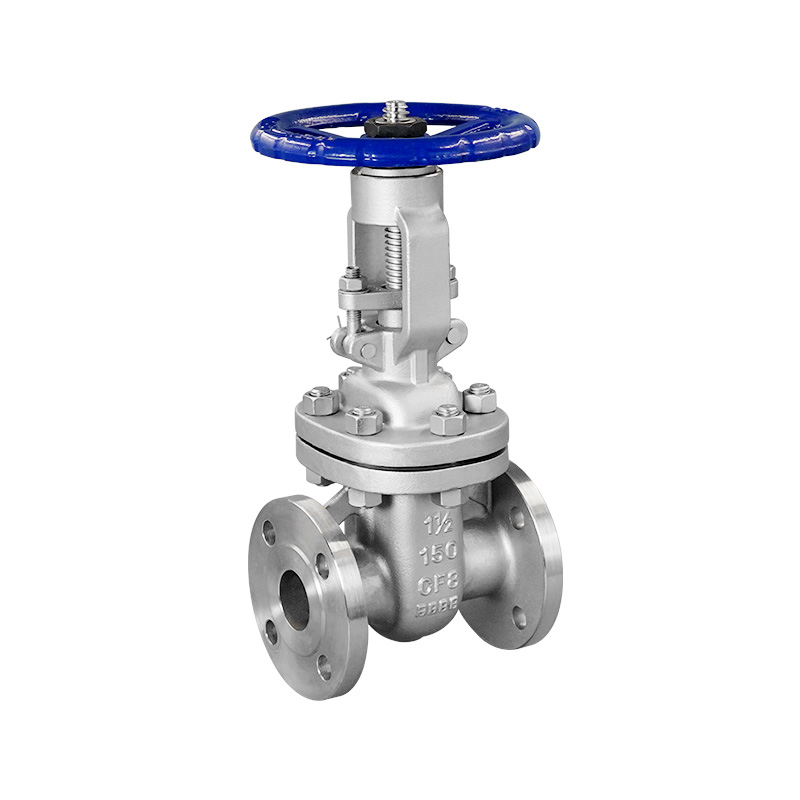
Gate valves, globe valves, ball valves, and check valves each perform different functions. Gate valves are generally intended for fully open or fully closed service rather than throttling. Globe valves can provide shut-off and flow throttling, making their operating principle different from a conventional gate valve.
| Valve Type | Typical Function | Procurement Focus |
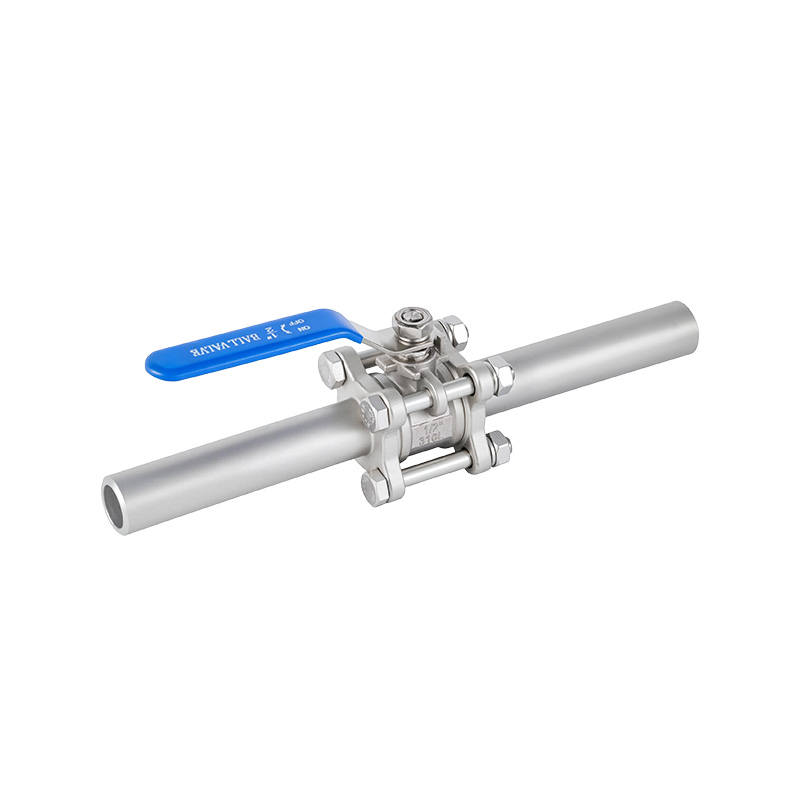
| Ball Valve | Fast shut-off | Seat material, fire-test requirements, pressure rating |
| Gate Valve | Isolation | Gate design, body material, sealing system |
| Globe Valve | Shut-off and flow control | Pressure-temperature conditions, trim, connection |
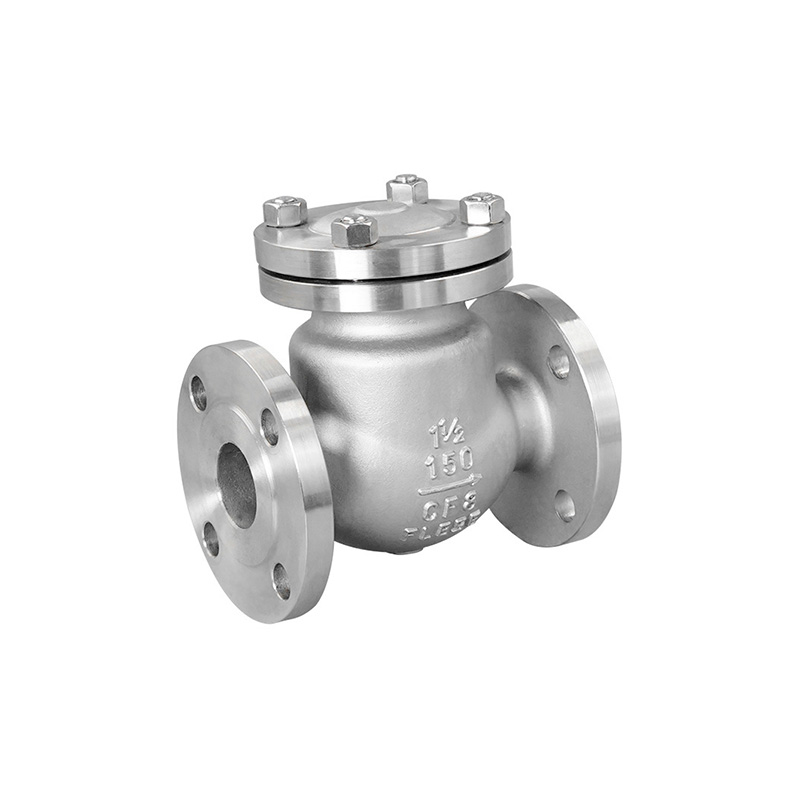
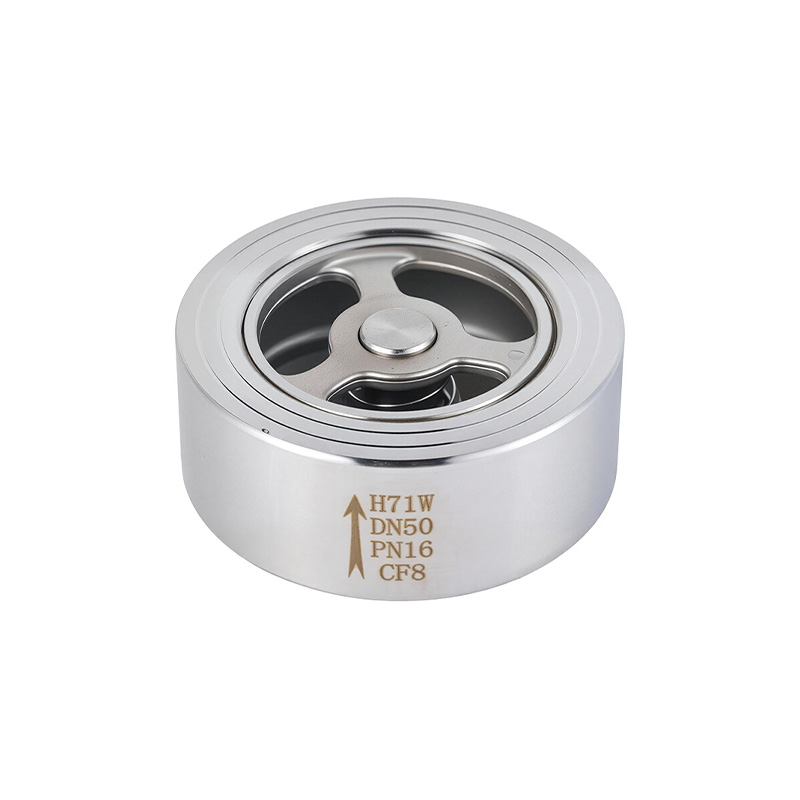
| Check Valve | Backflow prevention | Flow direction, pressure rating, disc design |
Build a More Complete RFQ for Oil and Gas Projects
A detailed RFQ gives both buyer and manufacturer a clearer technical reference. We suggest including the following information before requesting a final quotation:
- Valve type and quantity
- Nominal size and pressure class
- Body, trim, seat, and sealing materials
- Pipeline medium and operating temperature
- Design pressure and applicable test requirements
- End connection and dimensional standard
- Manual, pneumatic, or electric operation
- Required certifications and inspection documents
- Packaging and delivery requirements
Our Approach to Oil and Gas Pipeline Valve Supply
At Zhongchi Valve Group, we combine valve manufacturing, engineering support, quality control, testing, and OEM/ODM capabilities. Our factory is located in Wenzhou Economic and Technological Development Zone, and our product portfolio covers multiple industrial valve categories used across petroleum, natural gas, chemical, power, and other applications.
We can customize valves according to customer drawings or samples, including valve size, body material, pressure and temperature ratings, end connections, sealing configurations, and other project-specific requirements.
Reliable procurement starts with a complete specification rather than a single price figure. Share your pipeline conditions, valve schedule, technical drawings, required standards, and inspection requirements with our team. We can review the project details and prepare a corresponding valve configuration and quotation based on the actual application.