


 English
 русский
 Español
 عربى
عربى Português
Zhongchi
Zhongchi
Zhongchi
Zhongchi
Zhongchi
Zhongchi
Zhongchi
Zhongchi
Zhongchi
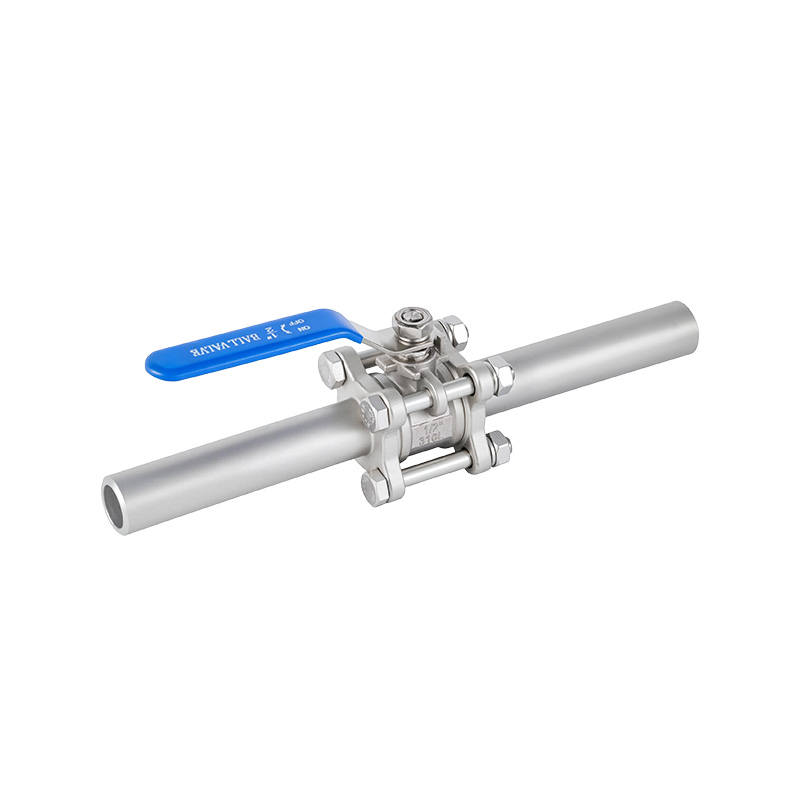
Ball valve procurement for oil, gas, chemical, and process applications involves more than choosing a valve size and pressure rating. International buyers also need to review fire-test requirements, design standards, materials, pressure testing, sealing systems, end connections, and certification documents. At Zhongchi Valve Group, we manufacture industrial ball valves for different pipeline applications and support OEM and ODM projects based on customer drawings, samples, and technical specifications.
Our ball valve range includes soft-seal floating flange ball valves, hard-sealed floating flange ball valves, soft-sealed trunnion flange ball valves, American Standard flanged ball valves, threaded ball valves, and other configurations. Our published certification portfolio includes API 607 fire protection certification, CE, EAC, ISO9001, ISO14001, ISO45001, and TS certification. API 607 ball valves can therefore be evaluated alongside the complete technical and documentation requirements of each project.
API 607 and API 6D Serve Different Procurement Purposes
API 607 is associated with fire testing for quarter-turn valves and valves with nonmetallic seats. API 6D covers pipeline and pipeline transportation valves, with requirements related to design, manufacturing, documentation, inspection, and testing. These standards should not be treated as interchangeable.
| Standard | Procurement Focus | Buyer Verification |
| API 607 | Fire testing for applicable quarter-turn valves | Fire-test certification and applicable valve configuration |
| API 6D | Pipeline valve design, manufacture, inspection, and testing | Applicable product certification and project specification |
| CE | Applicable European market compliance | Certificate scope and relevant product requirements |
| ISO 9001 | Quality management system | Valid management-system certification |
At Zhongchi, we recommend reviewing each certification against the exact valve model and project requirement. A general company certificate does not automatically confirm compliance with every technical standard requested by a buyer.
What Makes API 607 Ball Valves Relevant to B2B Projects?
Fire safety is a significant consideration across petroleum, natural gas, chemical processing, and other industrial systems. A fire-tested valve design addresses performance requirements under elevated-temperature conditions and forms part of a broader valve safety specification.
Our published certification information references API 607 fire protection certification. Our ball valve portfolio also includes configurations designed around different sealing and operating conditions. Buyers can discuss the applicable fire-test documentation with our engineering and sales teams based on the requested model.
Ball Valve Configurations Available from Zhongchi
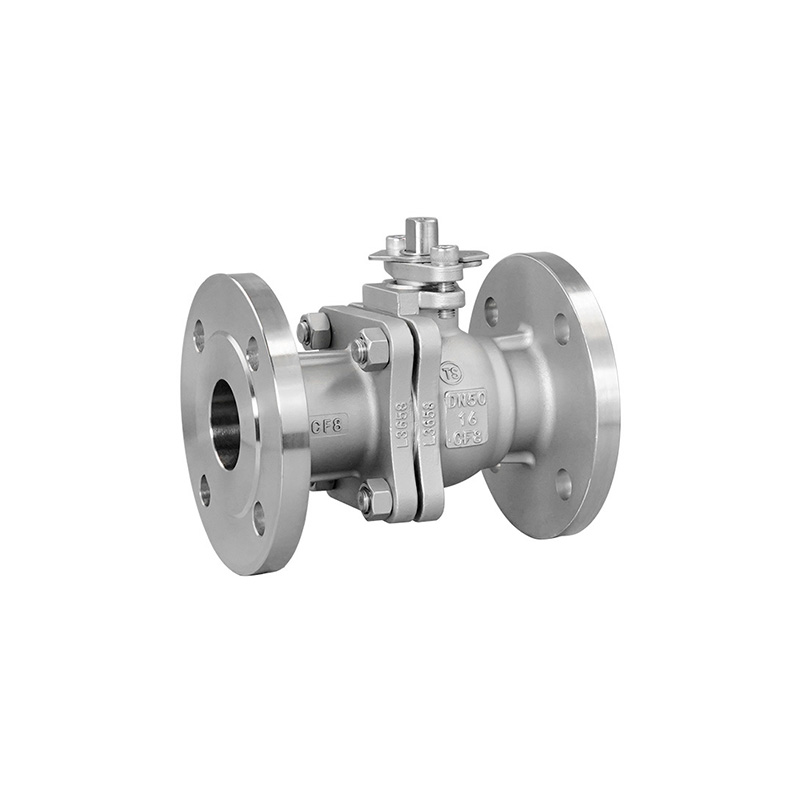
- Soft-seal floating flange ball valve: Suitable for pipeline applications requiring a soft sealing configuration.
- Hard-sealed floating flange ball valve: Designed around demanding media containing solid particles and abrasive substances.
- Soft-sealed trunnion flange ball valve: Provides a trunnion-mounted configuration for applicable industrial pipeline requirements.
- American Standard flanged ball valve: Available for projects requiring corresponding flange and dimensional specifications.
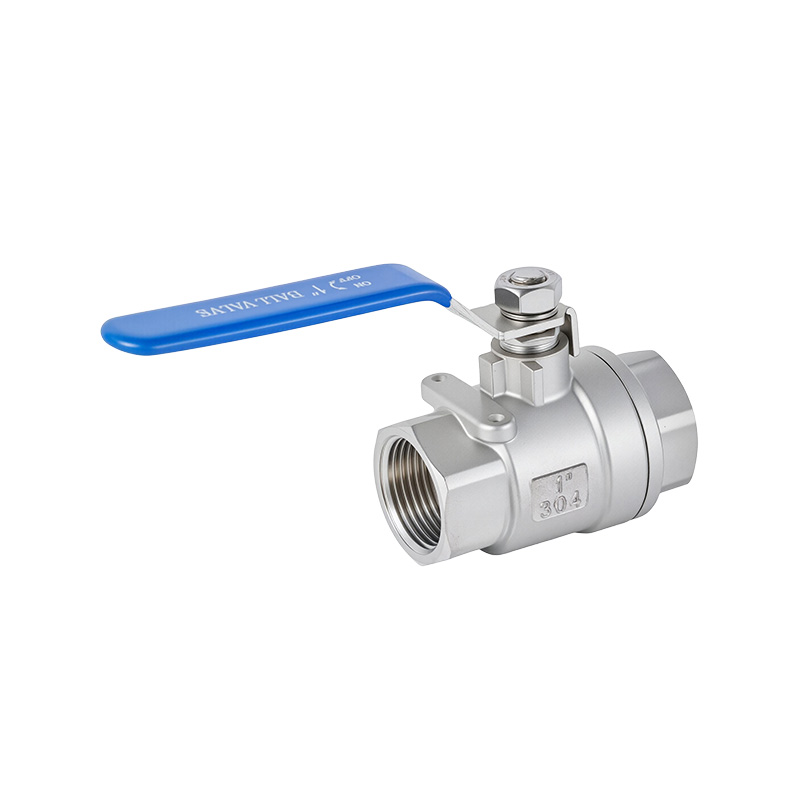
- Threaded ball valve: Provides a compact connection solution for applicable piping systems.
Material Selection Matters Alongside Certification
Certification does not replace material verification. Body, ball, stem, seat, gasket, packing, and fastener materials should match the medium, temperature, pressure, and corrosion conditions of the pipeline.
| Component | Possible Material Example | Procurement Consideration |
| Valve body | CF8, CF3M, WCB | Media compatibility, pressure, temperature |
| Ball | 304, 316L | Corrosion resistance and service medium |
| Stem | F304, F316L, 2Cr13 | Strength, corrosion conditions, operating environment |
| Seat | PTFE, RPTFE | Temperature and sealing requirements |
| O-ring | VITON | Media and temperature compatibility |
Our pneumatic ball valve specifications, for example, list CF8, CF3M, and WCB body options, 304 and 316L ball options, F304/F316L/2Cr13 stem options, and PTFE or RPTFE sealing components. The actual material combination should be confirmed against the operating conditions and purchase specification.
Soft Seat or Metal Seat?
Seat construction affects sealing behavior, temperature capability, wear resistance, and application suitability. Buyers should provide the actual operating medium and conditions rather than requesting a valve solely by size and pressure class.
Soft-Seated Configuration
Soft-seated ball valves use polymer sealing materials such as PTFE or RPTFE. They can provide reliable shut-off across many industrial fluid applications. Temperature limitations and chemical compatibility should be checked against the selected seat material.
Hard-Sealed Configuration
Our hard-sealed floating flange ball valve is designed around applications involving solid particles and abrasive media. Its sealing surfaces can use wear-resistant alloys and specialized surface treatments such as plasma spraying or hardfacing. This configuration can be considered for metallurgy, mining, and coal-chemical processing systems carrying particulate-laden media.
Key Technical Details to Include in an RFQ
A detailed RFQ gives our engineering team enough information to match the valve structure with the pipeline conditions.
- Nominal size: DN or NPS size required by the pipeline.
- Pressure class: PN or ASME pressure rating.
- Valve body: Carbon steel, stainless steel, duplex steel, or specified alloy.
- Seat material: Soft seat or metal seat according to service conditions.
- End connection: Flanged, threaded, welded, wafer, or other specified connection.
- Operating medium: Water, oil, gas, steam, chemical fluid, slurry, or another medium.
- Temperature: Normal and maximum operating temperature.
- Operation: Manual, pneumatic, or electric actuation.
- Certification: API 607, API 6D, CE, EAC, or other project-specific documentation.
- Inspection: Required pressure, leakage, material, dimensional, or third-party inspection.
Testing and Documentation for B2B Procurement
Valve testing provides technical evidence that the supplied product matches the agreed specification. At Zhongchi, our manufacturing and inspection resources include spectrometers, hardness testers, thickness gauges, flaw detectors, and high- and low-pressure valve test benches.
Documentation requirements can vary according to the project. A procurement package may include product drawings, material information, test records, certificates, inspection documents, packing details, and other records requested by the buyer.
API 607 Ball Valves for International Industrial Applications
Our valves are supplied across applications such as petroleum, chemical processing, natural gas, electric power, water supply, refrigeration, metallurgy, and other industrial fields. The correct ball valve configuration depends on the actual operating environment rather than the certification name alone.
For projects involving API 607 ball valves, we can review the required fire-test documentation together with valve size, pressure rating, body material, seat construction, connection standard, and operating medium. Buyers requesting API 6D compliance should also specify the exact certification requirement so that the applicable product scope and documentation can be confirmed before production.
Build the Valve Specification Before Placing the Order
A well-defined procurement specification helps connect certification with the actual valve configuration. At Zhongchi Valve Group, we combine industrial valve manufacturing, quality management, testing resources, and OEM/ODM capabilities to support project-specific requirements.
Our team can review drawings, samples, valve schedules, or technical specifications and recommend a corresponding configuration. Share the required size, pressure class, materials, connection standard, operating medium, temperature, actuator type, and certification requirements with us, and we can prepare a product proposal and quotation based on your project conditions.