


 English
 русский
 Español
 عربى
عربى Português
Zhongchi
Zhongchi
Zhongchi
Zhongchi
Zhongchi
Zhongchi
Zhongchi
Zhongchi
Zhongchi
There are three main types of valve connection:
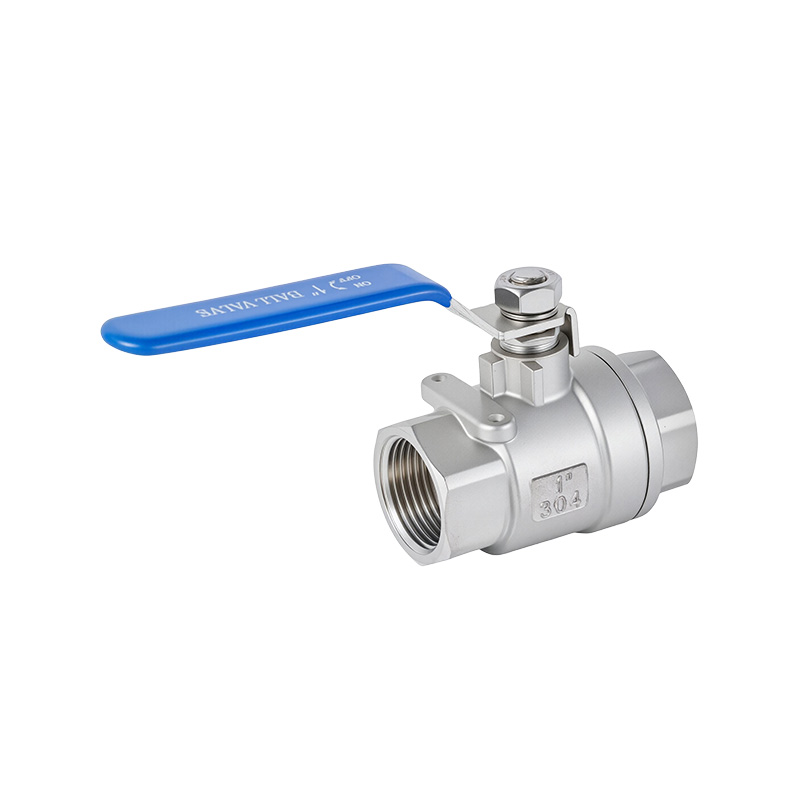
First: Threaded valves
In this type of connection, the inlet and outlet ends of the valve are typically machined with tapered or straight pipe threads, allowing them to be connected to tapered threaded fittings or pipework. As this type of connection may result in significant leakage paths, sealants, sealing tape or packing can be used to seal these gaps. If the valve body material is weldable but has a significantly different coefficient of thermal expansion, or if the operating temperature range is wide, the threaded connection must be sealed by welding.
Threaded valves are primarily those with a nominal diameter of 50 mm or less. If the diameter is too large, installation and sealing of the connection become extremely difficult.
To facilitate the installation and removal of threaded valves, pipe fittings may be used at appropriate points in the piping system. For valves with a nominal diameter of 50 mm or less, pipe sleeves may be used as fittings; the threads of the pipe sleeve connect the two sections together.
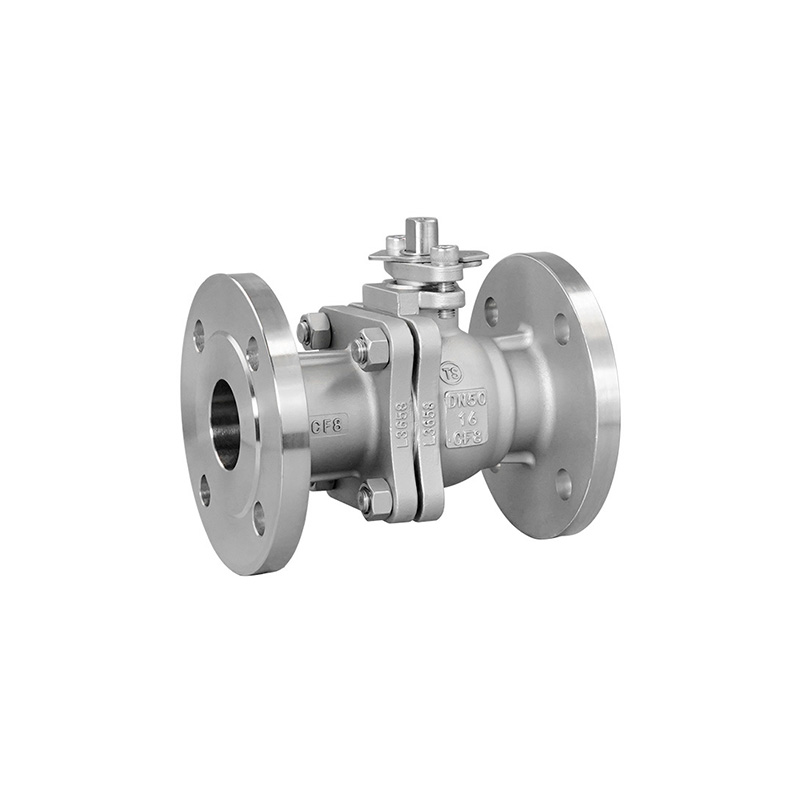
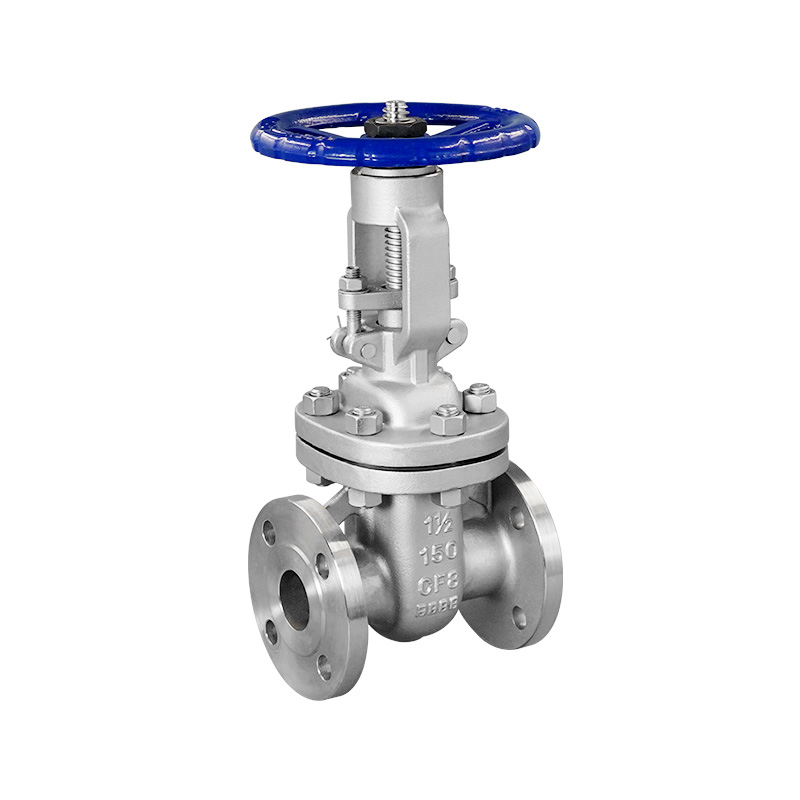
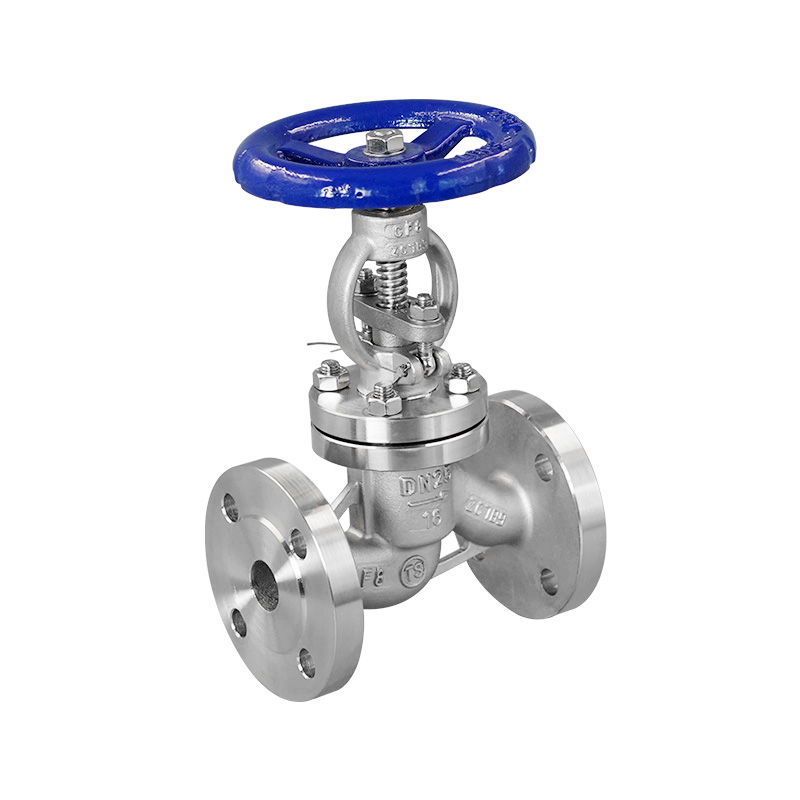
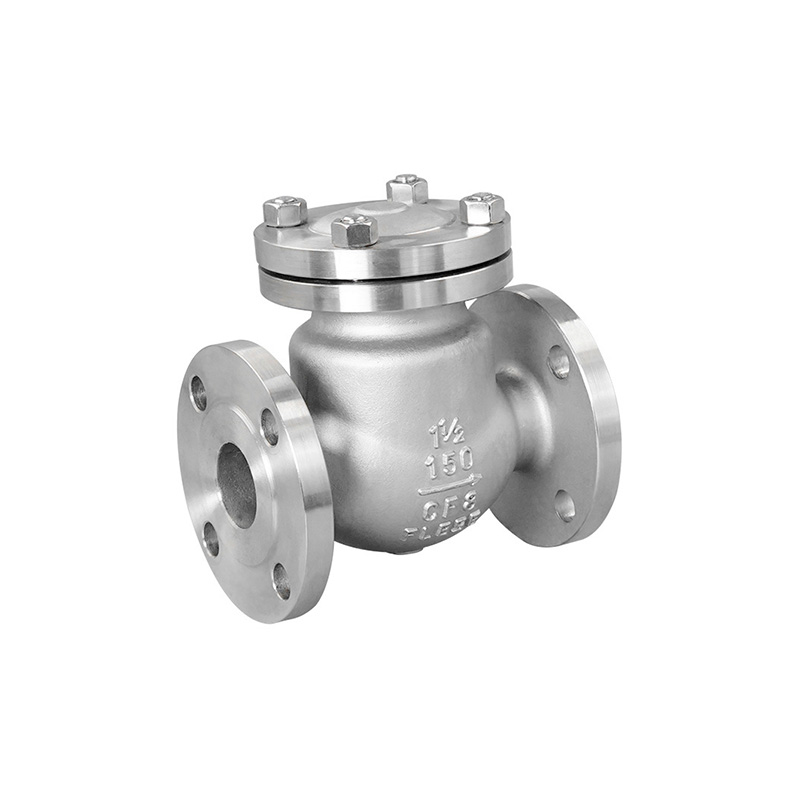
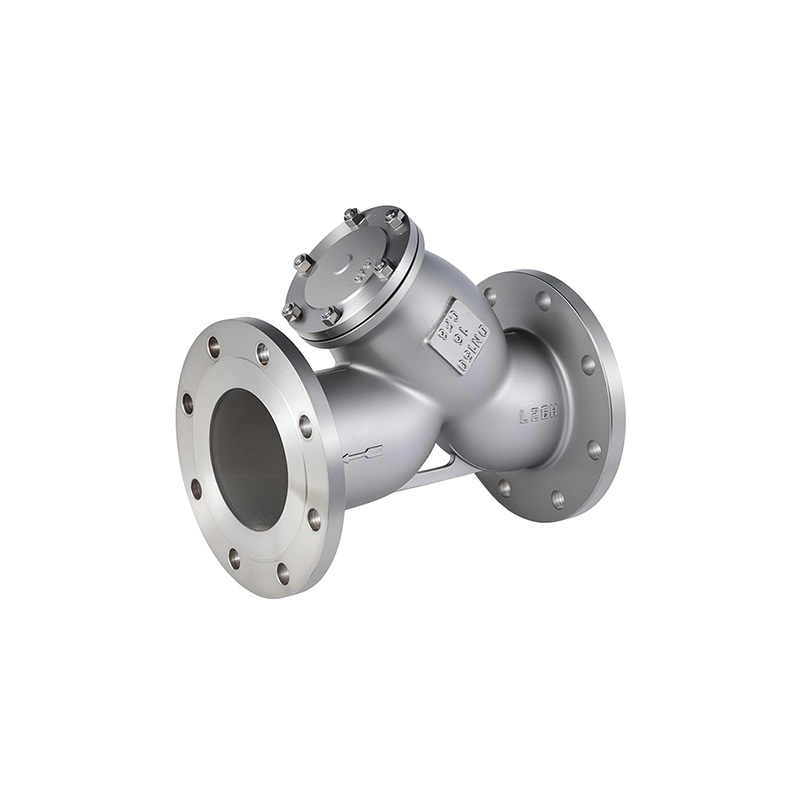
The second type: flanged valves
Flanged valves are relatively easy to install and remove. However, they are bulkier than threaded valves and correspondingly more expensive. They are therefore suitable for pipe connections of various diameters and pressures. However, when temperatures exceed 350°C, the bolts, gaskets and flanges become loose, significantly reducing the load on the bolts; this may lead to leaks in flanged connections subjected to high stresses.
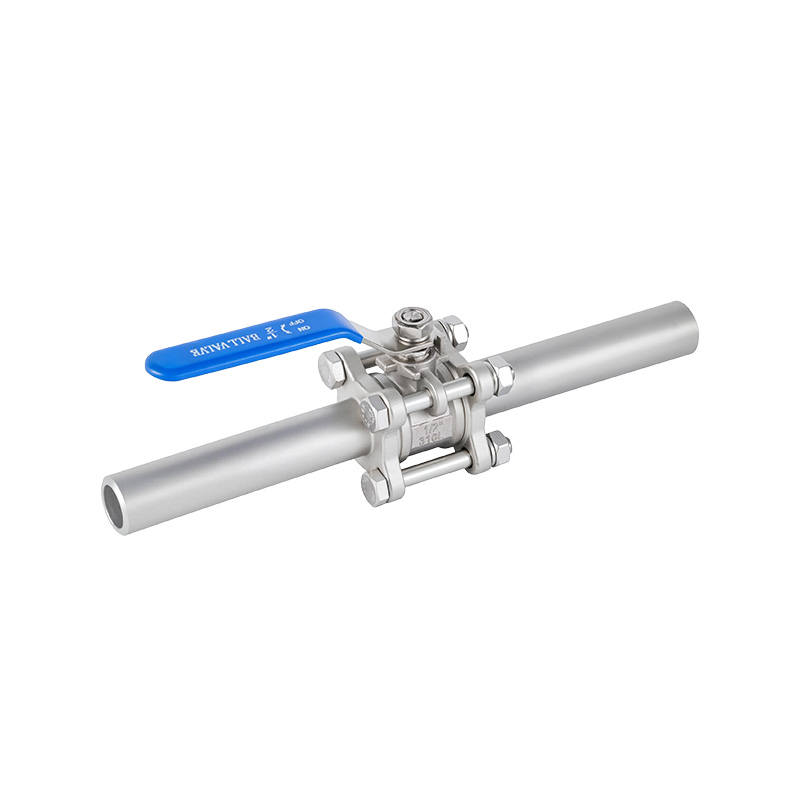
The third type: welded valves
This connection is suitable for a wide range of pressures and temperatures, and is more reliable than flanged connections when used under severe conditions. However, valves with welded connections are difficult to dismantle and reinstall; consequently, their use is restricted to applications where long-term, reliable operation is required, or where conditions are severe and temperatures are high. Examples include pipelines in thermal power stations, nuclear power plants and ethylene plants.
Welded valves with a nominal diameter of 50 mm or less typically feature a welded socket to connect to pipes with a flat end. As socket welding creates a gap between the socket and the pipe, this gap is susceptible to corrosion by certain media, whilst pipe vibration can cause fatigue at the joint; consequently, the use of socket welding is subject to certain limitations.
In applications involving larger nominal diameters, severe operating conditions and high temperatures, the valve body is often connected using butt welding. Furthermore, as the weld seam must meet strict quality requirements, highly skilled welders must be selected to carry out this work.