


 English
 русский
 Español
 عربى
عربى Português
Zhongchi
Zhongchi
Zhongchi
Zhongchi
Zhongchi
Zhongchi
Zhongchi
Zhongchi
Zhongchi
The performance of a stainless steel valve depends on more than its size, pressure rating or connection type. The material grade directly affects how a stainless steel valve reacts to the fluid that passes through it. Zhongchi pays attention to this factor as a stainless steel valve manufacturer especially for projects that involve water, chemicals, food‑processing fluids, brine and other media that behave differently when it comes to corrosion.
304 stainless steel and 316 stainless steel may look the same on the outside. Their chemical make‑ups give them different levels of resistance. Understanding that difference helps engineers choose a stainless steel valve body and wetted components that match the operating environment.
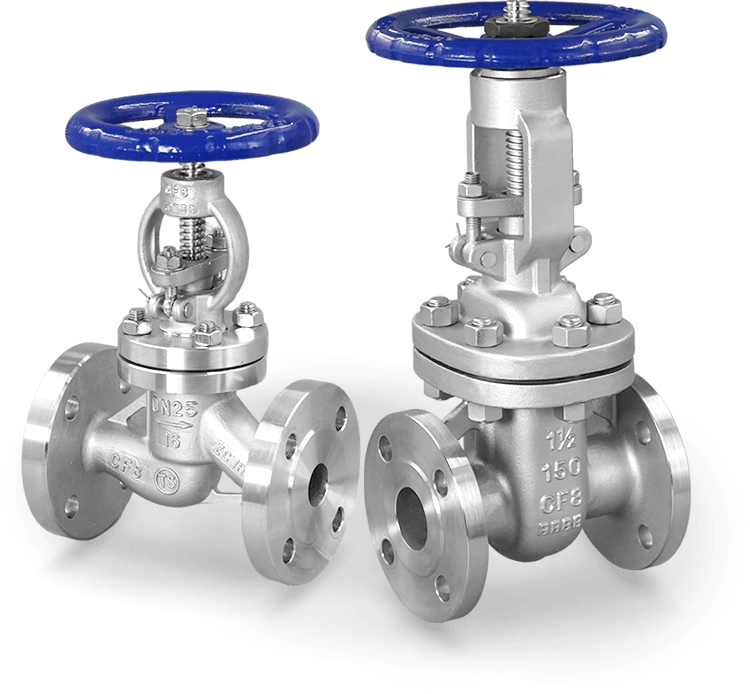
304 and 316: The Molybdenum Difference
304 stainless steel is widely used for industrial fluid control. Typical 304 stainless steel contains about 18% chromium and 8% nickel. The passive chromium‑oxide layer on a stainless steel valve gives it corrosion resistance for fresh water, air, oil, food‑related fluids and many low‑corrosion applications.
316 stainless steel adds about 2–3% molybdenum to the alloy. This element improves a stainless steel valve’s resistance to chloride‑induced pitting and crevice corrosion. Because of these properties 316 stainless steel is more suitable for brine, salt‑containing fluids, coastal installations and certain chemical‑processing duties.
Key Material Differences
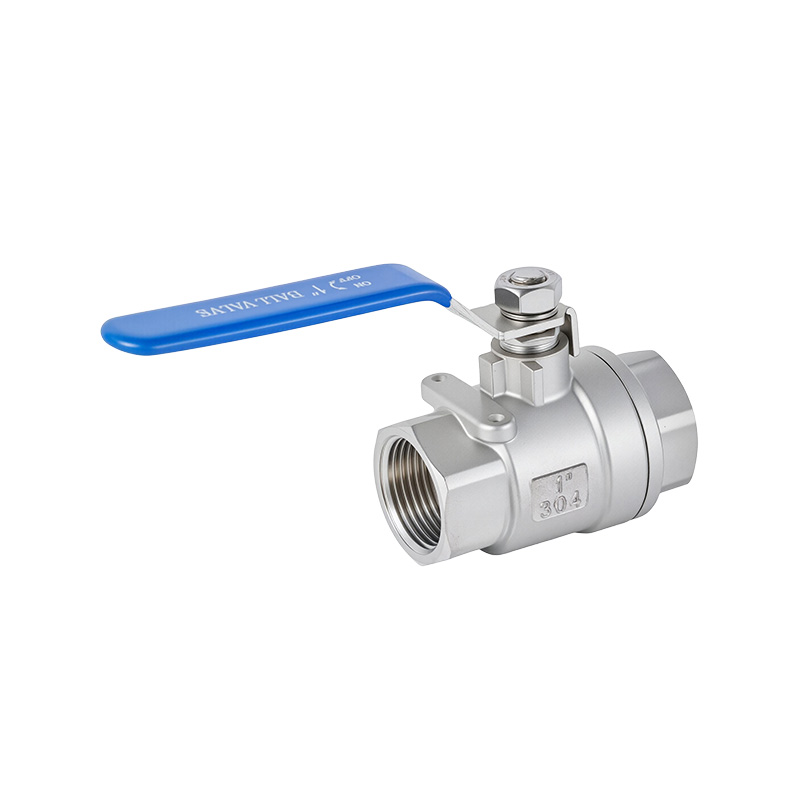
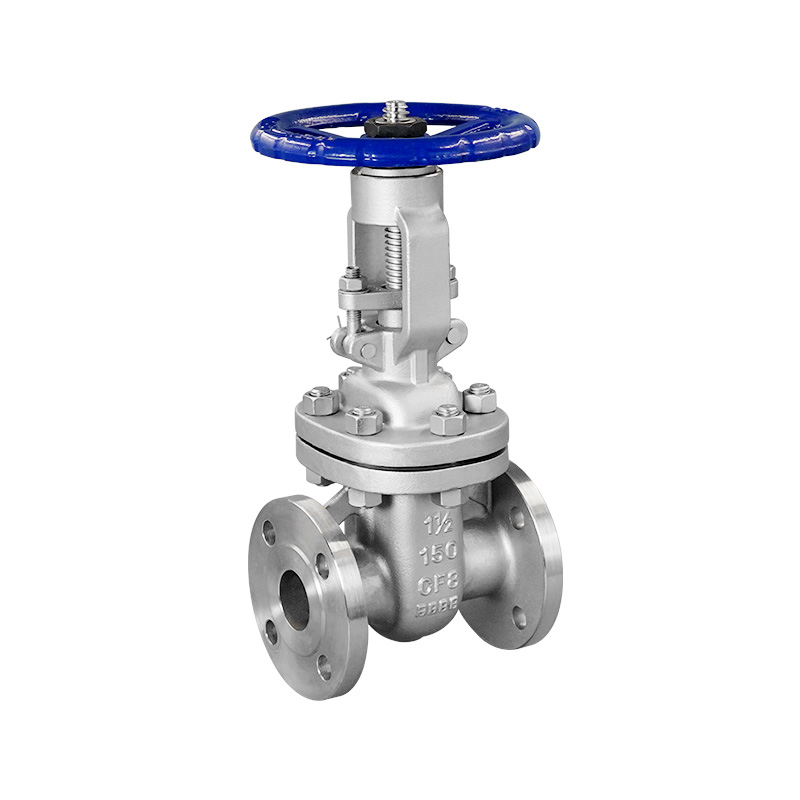
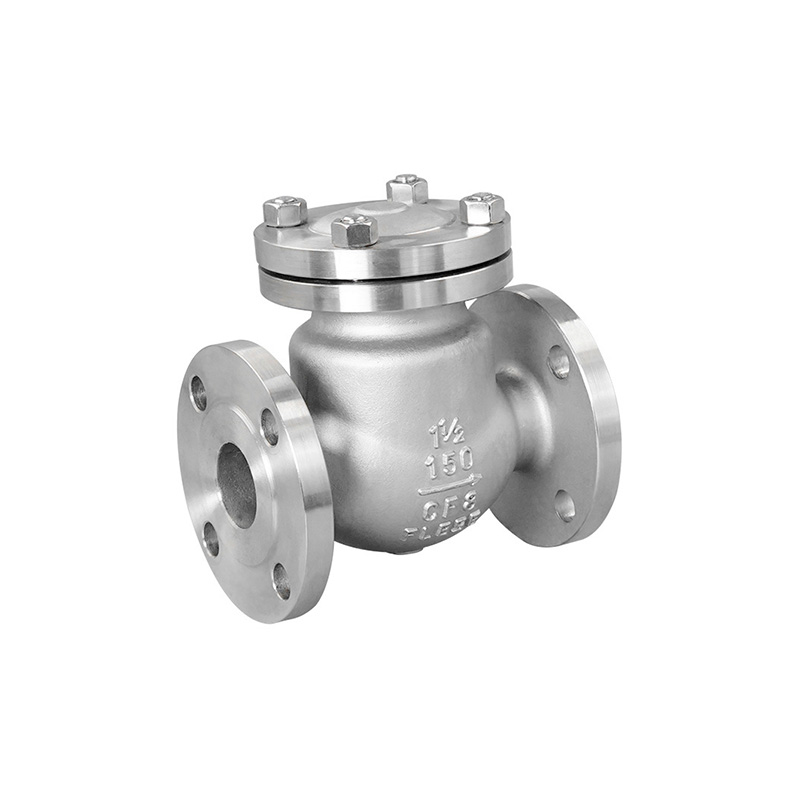
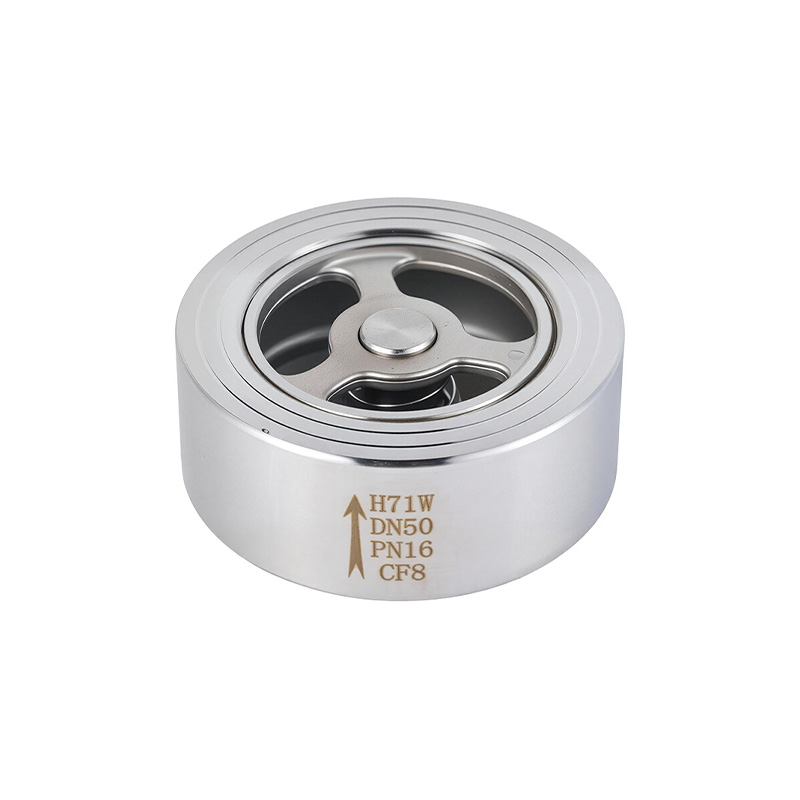
- 304 / CF8: stainless steel valve suitable for general water, air, oil, food and non‑chloride applications.
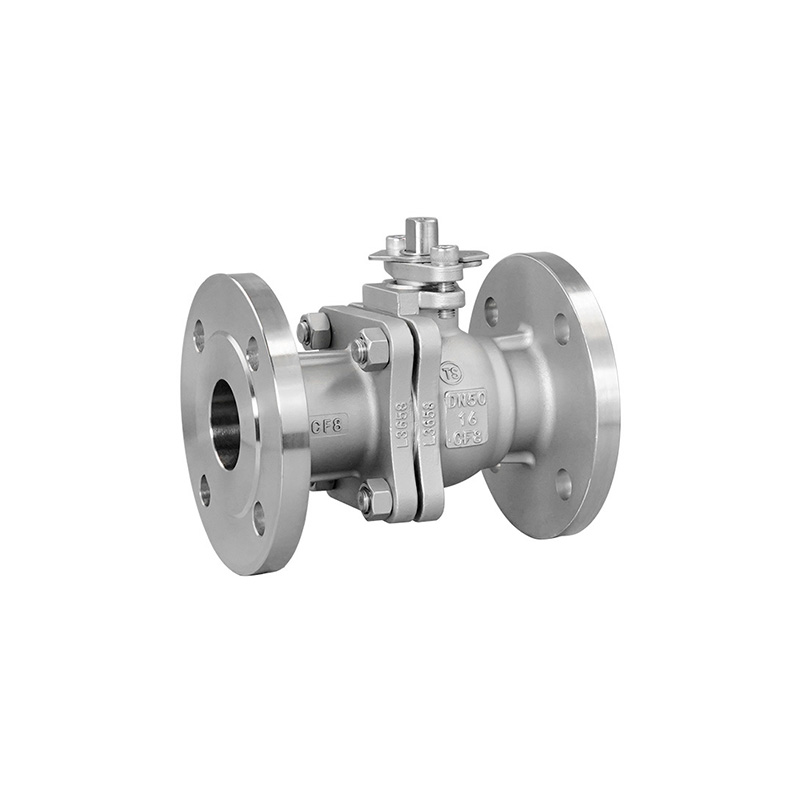
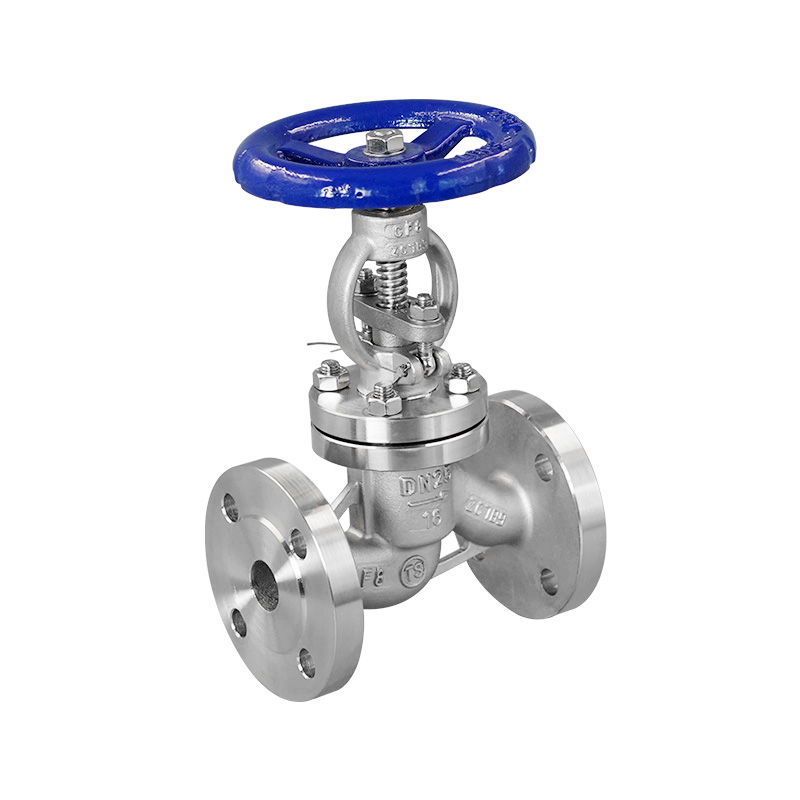
- 316 / CF8M: stainless steel valve that adds molybdenum for stronger resistance to chloride exposure and certain corrosive media.
- 316L / CF3M: stainless steel valve with lower carbon content that helps reduce sensitization risk after welding and is commonly considered for fabricated or hygienic systems.
Fluid Chemistry Matters More Than Appearance
Stainless steel valve bodies that have the size can behave very differently when the fluid changes. Fresh water may put low corrosion demands on a stainless steel valve while salt water brings chloride ions that can attack the passive stainless steel surfaces.
Temperature also changes the corrosion picture for a stainless steel valve. Higher temperatures can make chloride‑related pitting and crevice corrosion worse. A fluid that has a chloride concentration at room temperature may pose a very different challenge when the process temperature is higher. Recent technical references also stress the effect of chloride concentration and temperature rather than looking at material grade alone.
Typical Fluid Considerations
- water: A stainless steel valve made from 304 can be suitable for many standard systems.
- Brackish water: A stainless steel valve made from 316 may provide a corrosion‑resistance margin.
- Salt or chloride‑bearing fluids: A stainless steel valve made from 316 deserves consideration because molybdenum improves chloride resistance.
- Chemical solutions: The concentration, temperature, pH and exposure time of a chemical solution should all be evaluated before finalizing the stainless steel valve material.
Valve Components Need the Same Attention
Material compatibility should not stop at the stainless steel valve body. Zhongchi evaluates the relationship between the body, ball or disc stem, seat, gasket and other wetted components. A stainless steel valve body alone does not guarantee compatibility with every process fluid.
Seat materials also deserve consideration. PTFE, reinforced PTFE and other sealing materials have temperature and chemical‑resistance ranges. A stainless steel valve that operates around 150°C for example requires a sealing assessment than a stainless steel valve that handles the same fluid at 30°C.
Pressure and Temperature Still Set the Operating Window
Material grade answers part of the application question for a stainless steel valve. Zhongchi also considers nominal size, pressure class, working temperature, connection standard, valve design and sealing configuration.
- Pressure: Confirm the pressure rating for a stainless steel valve at the intended operating temperature.
- Temperature: Check both the body material and seat material limits of a stainless steel valve.
- Medium: Identify chloride, acid, alkali, solvent or other aggressive components that may contact a stainless steel valve.
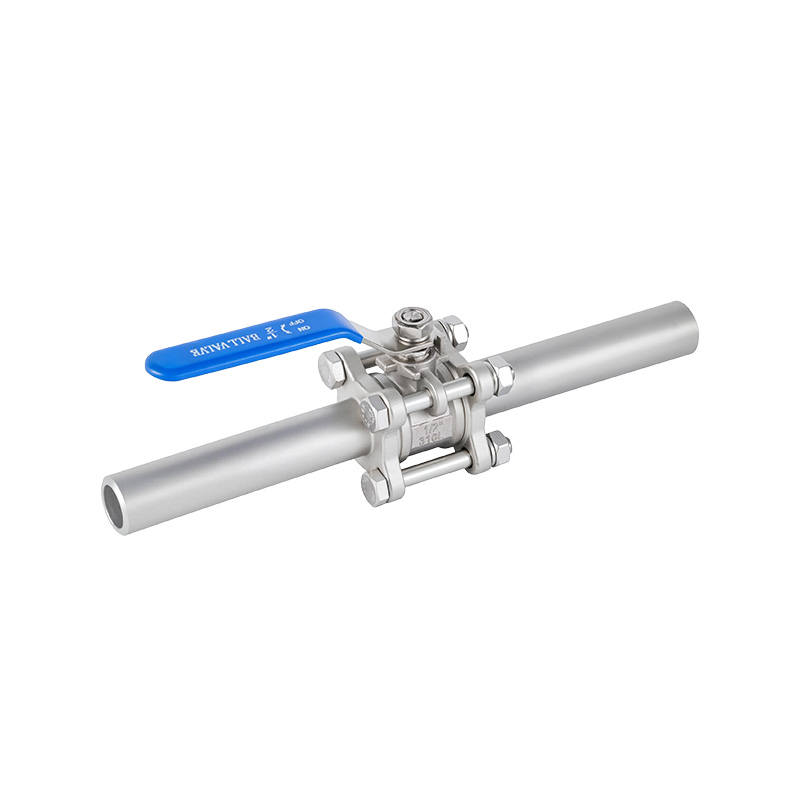
- Connection: Threaded, flanged, welded and other configurations can suit piping arrangements for a stainless steel valve.
How Zhongchi Approaches Stainless Steel Valve Material
As a stainless steel valve manufacturer Zhongchi focuses on matching valve construction with the real fluid‑service conditions than treating 304 or 316 as a universal answer. Material grade, pressure, temperature, sealing materials and connection details work together to determine whether a stainless steel valve is suitable for a pipeline.
That approach is especially useful for projects that involve fluids or changing process conditions. Providing the name, approximate concentration, operating temperature, pressure, valve size and connection standard gives Zhongchi a clearer basis, for recommending an appropriate stainless steel valve configuration.