


 English
 русский
 Español
 عربى
 Português
Zhongchi
Zhongchi
Zhongchi
Zhongchi
Zhongchi
Zhongchi
Zhongchi
Zhongchi
Zhongchi
Green manufacturing is changing how industrial facilities evaluate pipeline equipment. Energy consumption, material efficiency, and greenhouse gas management are now important considerations in factory improvement projects. Valve leakage deserves particular attention because small amounts of escaping process media can accumulate across extensive pipeline networks, increasing environmental risks and material losses.
At Zhongchi Valve Group Co., Ltd., we understand that industrial buyers need valve solutions that support reliable sealing and practical maintenance. Our product range includes ball valves, gate valves, globe valves, check valves, and butterfly valves for different industrial applications. Selecting suitable low emission industrial valves can support factory environmental management by reducing unintended process media releases and improving pipeline sealing performance.

1. Why Valve Leakage Matters to Green Factory Targets
Industrial valve leakage can involve gases, volatile organic compounds (VOCs), steam, or liquid process media. Even relatively small leaks may create environmental, safety, and operational concerns over extended production periods.
Common consequences include:
- Unintended emissions: Leakage from valve stems, body joints, and sealing connections may release process substances into the surrounding environment.
- Material losses: Escaping fluids and gases can increase raw material consumption and operating expenses.
- Maintenance requirements: Repeated leakage repairs consume labor, replacement components, and production resources.
- Environmental compliance: Facilities handling regulated substances need suitable equipment and inspection procedures to meet applicable emission requirements.
Reducing these losses is a practical part of factory sustainability planning. Valve sealing performance should therefore be considered alongside energy efficiency and production optimization.
2. Key Design Factors Behind Low-Emission Valve Performance
Valve leakage prevention depends on several structural details. The sealing arrangement, machining accuracy, material compatibility, and operating conditions all influence external leakage performance.
Stem Sealing and Packing Materials
The valve stem is a potential leakage path, particularly in frequently operated equipment or applications involving temperature fluctuations. Suitable packing materials and properly controlled compression help maintain sealing contact during operation.
Common material considerations include:
- PTFE: Offers chemical resistance and low friction for compatible operating conditions.
- RPTFE: Reinforced PTFE can provide improved mechanical characteristics in suitable valve applications.
- Flexible graphite: Used in certain higher-temperature sealing applications, subject to the design and service requirements.
Body and Connection Sealing
Body joints and flange connections also require attention. Gasket selection, surface finish, bolt loading, and assembly procedures influence sealing reliability. Incorrect installation can compromise the performance of an otherwise suitable valve design.
3. Standards Used to Evaluate Fugitive Emissions
Industrial buyers should review recognized testing standards rather than relying on general descriptions such as leak-resistant or environmentally friendly. Different standards cover different valve designs, test procedures, and qualification conditions.
- ISO 15848-1: Establishes classification and qualification procedures for fugitive emission type testing of industrial valves.
- ISO 15848-2: Covers production acceptance testing procedures for fugitive emissions.
- API 641: Addresses fugitive emission type testing for quarter-turn valves, including applicable ball valve designs.
- API 624: Covers fugitive emission type testing of rising stem valves equipped with flexible graphite packing.
These standards should not be treated as interchangeable certifications. Buyers should confirm the applicable test method, temperature range, pressure conditions, mechanical cycles, leakage classification, and qualification scope.
4. Choosing Suitable Valve Materials for Industrial Applications
Material compatibility contributes to long-term sealing performance. Process media, operating temperatures, pressure levels, and corrosion conditions should guide the valve specification.
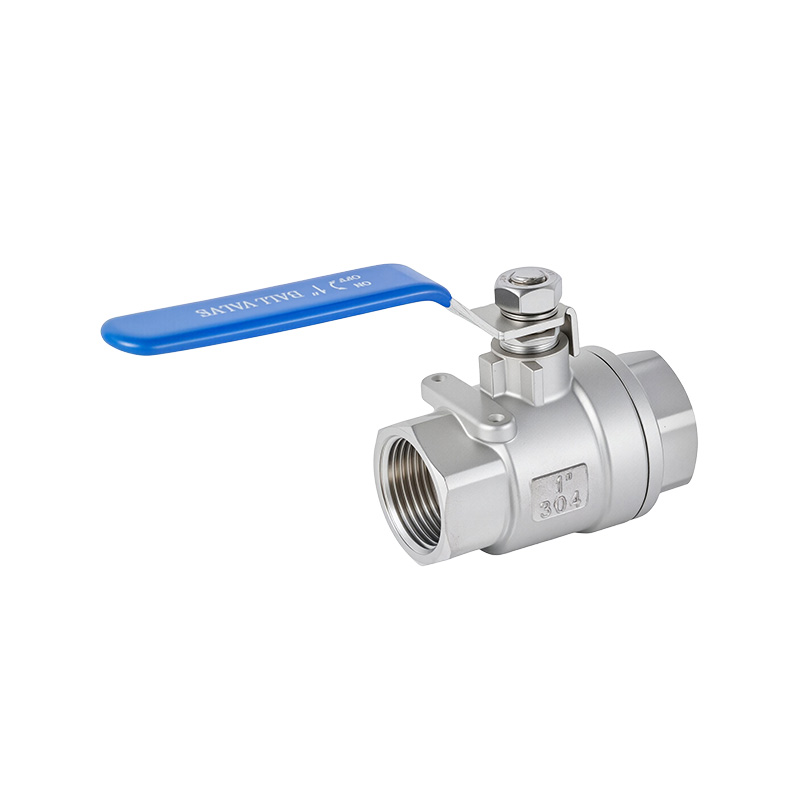
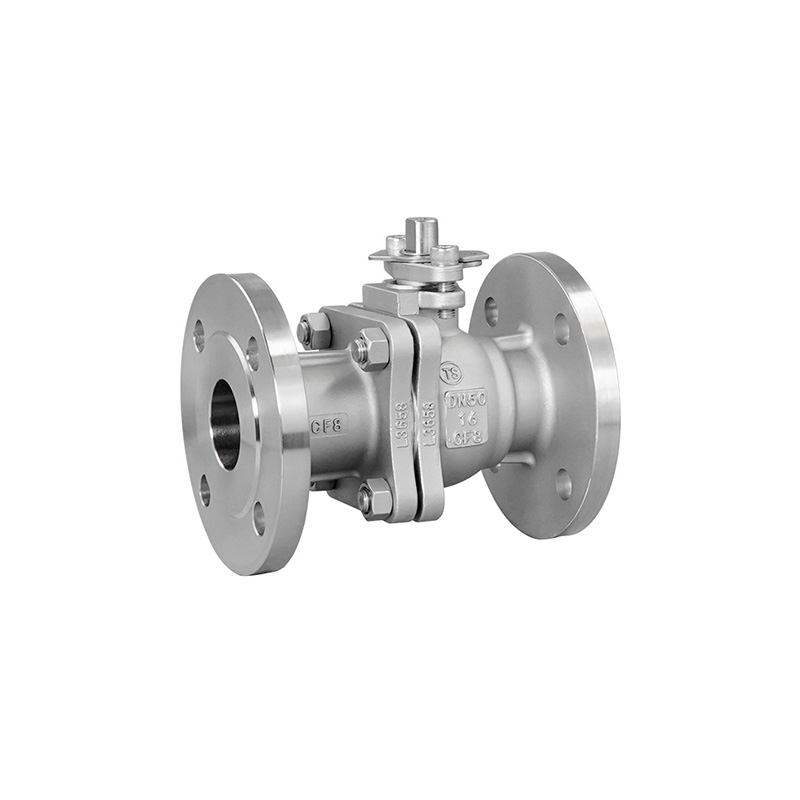
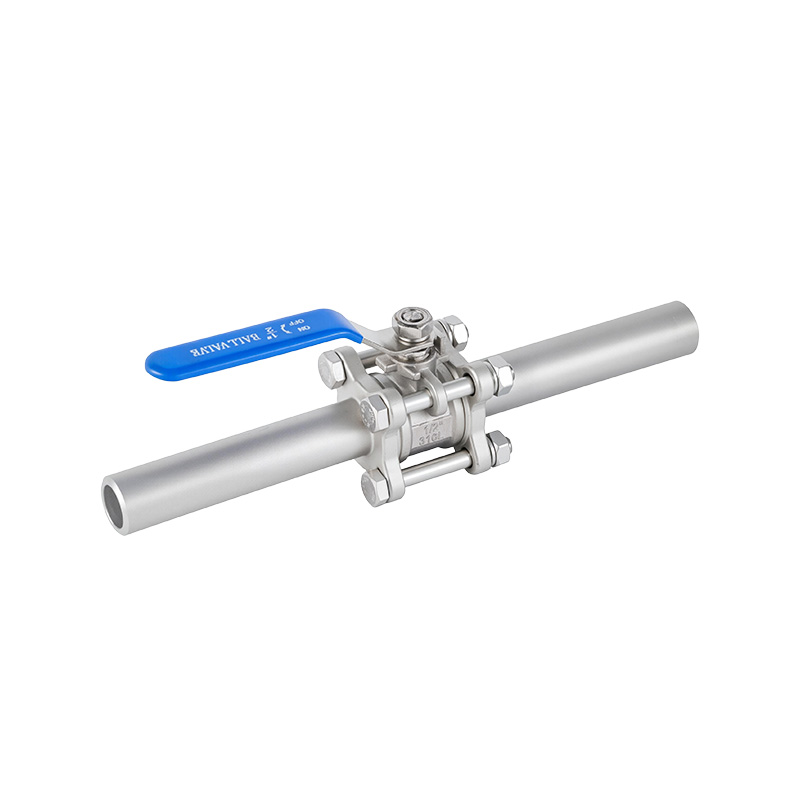
At Zhongchi, our ball valve configurations include several material options:
- Valve body: CF8, CF3M, and WCB.
- Ball: 304 and 316L stainless steel.
- Seat and gasket: PTFE and RPTFE.
- Stem: F304, F316L, and 2Cr13.
These options can be considered for different industrial pipeline conditions. However, material availability alone does not establish fugitive emission qualification. The complete valve assembly, including stem packing, body joints, and relevant sealing components, must meet the project's specified testing requirements.
5. How Low-Emission Valves Support Factory Sustainability
Improved sealing performance can contribute to environmental management in several ways:
- Lower process media losses: Reducing unintended releases helps preserve valuable gases and liquids within the production system.
- Reduced maintenance waste: Reliable sealing can decrease the frequency of packing replacement and unplanned component repairs.
- Improved workplace conditions: Controlling hazardous or volatile media leakage supports safer operating environments.
- Better emissions monitoring: Clearly defined testing and inspection procedures help maintenance teams identify leakage points and track improvement.
Factories should also distinguish direct fugitive emissions from indirect carbon emissions associated with electricity and compressed air consumption. Low-emission valve designs primarily address unintended process media releases; they do not independently make a factory carbon neutral.
6. Zhongchi's Approach to Industrial Valve Procurement
At Zhongchi Valve Group Co., Ltd., we support industrial buyers through valve manufacturing, material configuration, and technical communication. Our engineering team can review application conditions and discuss suitable ball valve specifications for different pipeline projects.
We recommend providing the following information during procurement discussions:
- Working medium and chemical composition.
- Operating pressure and temperature.
- Nominal diameter and connection requirements.
- Required leakage classification and applicable testing standard.
- Expected operating frequency and maintenance conditions.
This information helps us evaluate material compatibility and valve configuration requirements. Buyers requiring fugitive emission qualification should specify the relevant standard and request supporting test documentation before confirming an order.
Build a More Responsible Industrial Pipeline System
Green factory development involves continuous improvements across equipment design, process control, maintenance, and environmental monitoring. Reducing valve leakage is a practical measure that can help industrial facilities control process media losses and manage fugitive emissions.
At Zhongchi, we believe suitable materials, reliable sealing structures, and clear technical specifications form an important foundation for industrial valve procurement. Contact our team to discuss your ball valve requirements, operating conditions, and emission testing expectations. We are ready to support your project with appropriate valve configurations and manufacturing information for a more reliable pipeline system.