

 English
 русский
 Español
 عربى
 Português
Zhongchi
Zhongchi
Zhongchi
Zhongchi
Zhongchi
Zhongchi
Zhongchi
Zhongchi
Zhongchi
Industrial valve procurement involves more than checking product dimensions and comparing supplier quotations. Refurbished equipment sold as new and counterfeit products carrying misleading certification markings can create serious problems for pipeline operators. Incorrect pressure ratings, undocumented material substitutions, and damaged sealing components may compromise equipment performance and increase maintenance expenses.
At Zhongchi Valve Group Co., Ltd., we understand that buyers need reliable manufacturing information and clear product identification before accepting industrial valves. Our product range includes ball valves, gate valves, globe valves, check valves, and butterfly valves. Understanding how to inspect API 6D Ball Valves and verify supplier documentation can help purchasing teams reduce risks associated with refurbished and counterfeit equipment.
1. Examine Valve Nameplates and Manufacturer Markings
The nameplate and body markings provide important information about a valve's identity and manufacturing specifications. Buyers should compare these details with the original purchase order, technical datasheet, and manufacturer's documentation.
Key identification details may include:
- Manufacturer's name: Confirm that the company identification matches the supplier's official manufacturing information.
- Serial number: Check whether the unique identification number corresponds with the manufacturer's production records.
- Pressure class: Verify that the marked rating matches the specified operating conditions.
- Material designation: Compare the body and component material markings with the approved technical specifications.
- Manufacturing date: Review the production date and check for inconsistencies with the supplied records.
API 6D marking requirements provide a useful reference for pipeline valve identification. Missing, altered, or inconsistent markings should prompt additional verification rather than immediate acceptance.
2. Look for Physical Evidence of Previous Use
Refurbished valves may have been cleaned, repainted, or fitted with replacement components to resemble new equipment. A visual inspection can reveal signs of previous installation or repair.
Buyers should pay attention to the following areas:
- Flange faces: Scratches, dents, gasket impressions, and tool marks may indicate previous installation.
- Bolts and nuts: Damaged coatings, wrench marks, or corrosion can suggest earlier maintenance.
- Valve body: Uneven repainting, coating cracks, and unexplained surface repairs deserve further inspection.
- Stem and operating mechanism: Excessive wear, unusual movement, or damaged connections may indicate previous operation.
- Internal surfaces: Rust, debris, damaged seats, and abnormal deposits can affect sealing performance.
None of these signs independently proves that a valve is counterfeit. However, several inconsistencies appearing together should trigger a more detailed technical review.
3. Verify API 6D Certification and Supporting Documents
A supplier's claim that a valve complies with API 6D should be supported by relevant manufacturing and inspection information. Buyers should distinguish between a product designed to meet a standard, a product manufactured under an applicable quality system, and a product covered by a valid API Monogram license.
Recommended verification steps include:
- Check the manufacturer's API Monogram licensing status through the official API directory when Monogram authorization is claimed.
- Request the applicable product datasheet, drawings, and inspection records.
- Compare serial numbers and manufacturing information across the valve, nameplate, and supporting documents.
- Review pressure testing records and material inspection certificates.
- Contact the manufacturer directly to confirm questionable product identification details.
4. Check Material Certificates and Production Traceability
Material substitution is another procurement risk. A valve may carry the correct external markings while its actual component materials differ from the approved specification.
EN 10204 3.1 material certificates can provide batch-specific inspection information. Buyers should compare heat numbers, material grades, and component descriptions with the valve's production records.
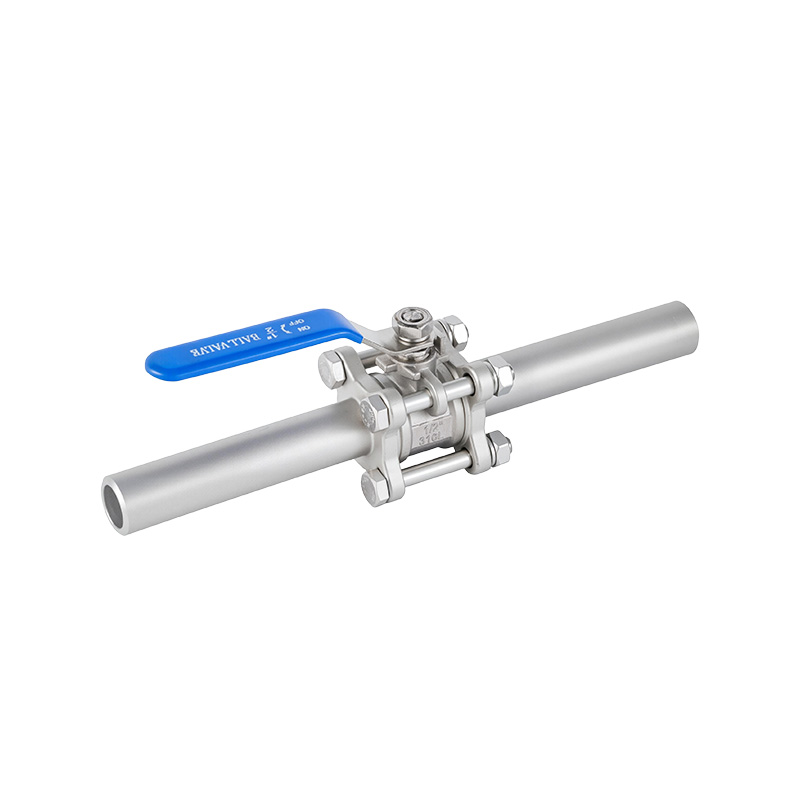
At Zhongchi, our ball valve material options include CF8, CF3M, and WCB bodies, with 304 and 316L ball materials. PTFE and RPTFE are available for applicable seat and gasket configurations. Buyers should confirm the actual material combination against the approved order documents rather than relying on general product descriptions.
5. Establish a Practical Incoming Inspection Process
A structured receiving procedure helps purchasing and quality teams identify discrepancies before valves enter an operating pipeline.
- Match the received quantity, model, size, and pressure class with the purchase order.
- Photograph nameplates and body markings for recordkeeping.
- Inspect flange surfaces, coatings, bolts, and external components.
- Review material certificates and relevant inspection reports.
- Arrange appropriate functional and pressure testing according to the applicable inspection specification.
6. Choose a Manufacturer with Clear Quality Documentation
At Zhongchi Valve Group Co., Ltd., we support industrial buyers through manufacturing, product specification discussions, and quality documentation coordination. Our ISO 9001 quality management framework supports production and inspection activities across our valve product range.
We encourage buyers to communicate pressure ratings, material requirements, connection standards, and inspection expectations before production begins. Clear technical agreements make it easier to compare delivered products with approved purchasing specifications.
Protect Your Valve Procurement Investment
Detecting refurbished and counterfeit industrial valves requires a combination of physical inspection, document verification, and manufacturer communication. Nameplate inconsistencies, previous installation marks, questionable material certificates, and unverifiable certification claims should never be overlooked.
At Zhongchi, we believe transparent product information and consistent quality control are essential to dependable industrial valve procurement. Contact our team to discuss your ball valve specifications, material requirements, and inspection documentation. We are ready to provide technical support for your next industrial pipeline project.