


 English
 русский
 Español
 عربى
عربى Português
Zhongchi
Zhongchi
Zhongchi
Zhongchi
Zhongchi
Zhongchi
Zhongchi
Zhongchi
Zhongchi
(1) Criteria for Valve Selection
1. Based on the functional requirements of the pipeline
(1) Shut-off valves: gate valves, globe valves, ball valves, butterfly valves, plug valves, piston valves, diaphragm valves and drain valves (8 types in total);
(2) Control valves: throttle valves, control valves;
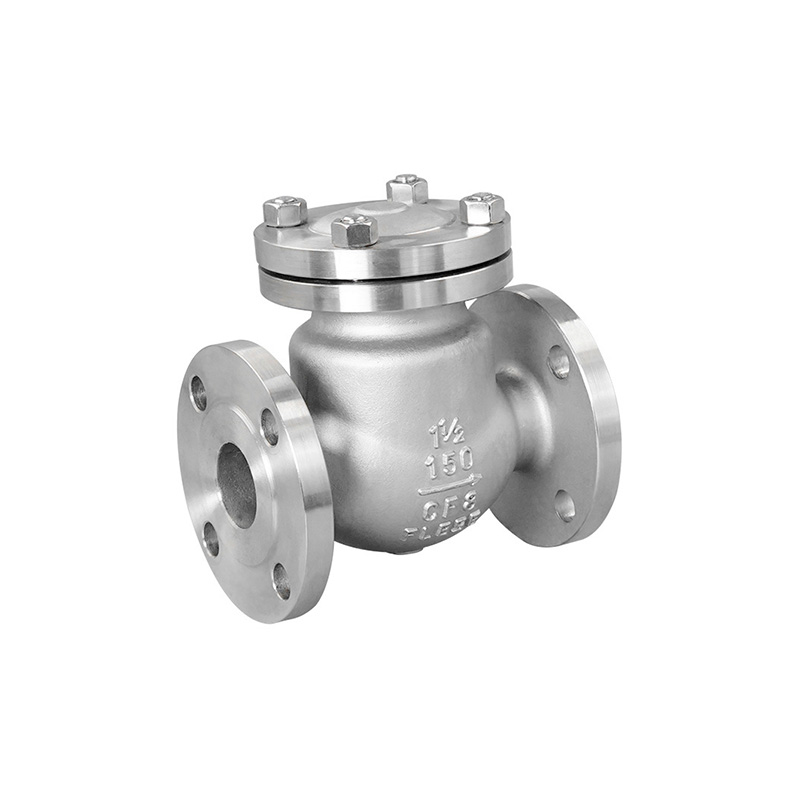
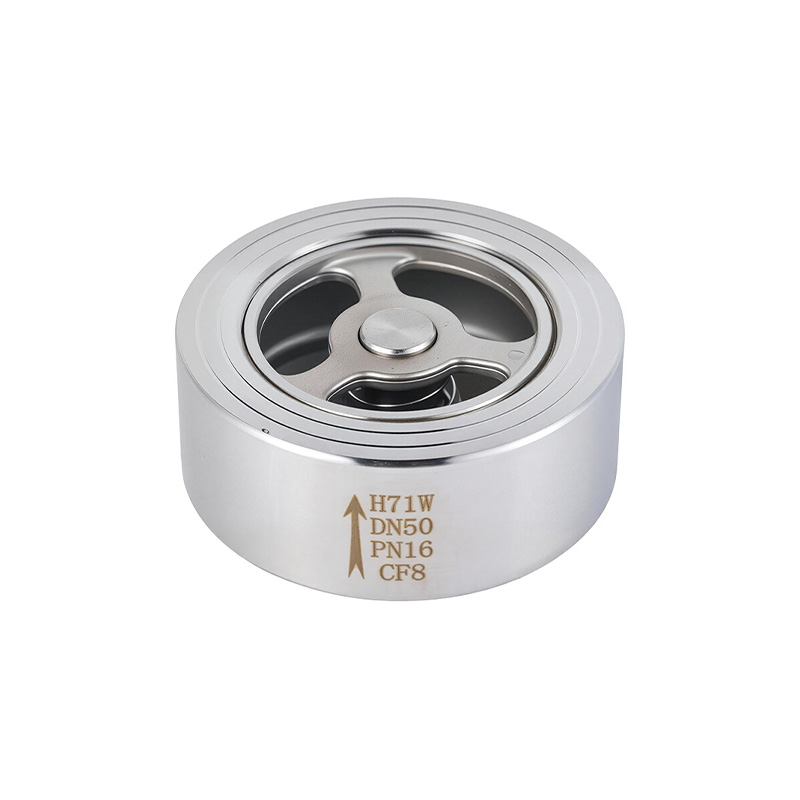
(3) Check valves: check valves, foot valves;
(4) Drainage valves: steam traps;
(5) Safety valves: safety valves;
(6) Pressure-reducing valves: pressure-reducing valves;
In addition, there are special-purpose valves, such as check-globe valves, temperature- and pressure-reducing valve assemblies, three-way, four-way and multi-way distribution valves, etc.
2. Based on the characteristics of the pipeline medium
(1) Operating pressure;
(2) Operating temperature;
(3) Nominal size;
(4) Corrosive properties of the medium;
(5) Special properties of the medium;
A. Where the medium is impure and contains dust, coal dust, sand and gravel, solid catalysts, fibres, etc., valves such as slag discharge valves, slide gate valves, V-ball valves and hard-seal ball valves should be selected;
B. Where the medium is viscous, prone to coking or adsorption, valves with steam purge mechanisms should be selected;
C. Where the medium crystallises into a solid upon cooling, valves with an insulated jacket should be selected;
D. Where the medium is highly permeable, flammable or toxic, bellows-sealed valves should be selected.
3. Pipeline Installation Requirements
(1) Whether the pipeline is vertical or horizontal;
(2) Connection method (flanged, threaded, wafer, welded, clamp, ferrule);
(3) Underground (requiring an extended valve stem), or at height (requiring sprocket operation).
4. Valve Operation Requirements
(1) Ambient temperature; whether the environment is a hazardous area;
(2) Operating method: electric, pneumatic, electro-hydraulic, or manual. Manual operation is further categorised into handle, handwheel, spur gear, bevel gear, worm gear, and sprocket types.
(II) Selection of Shut-off Valves
Main Characteristics of Shut-off Valves
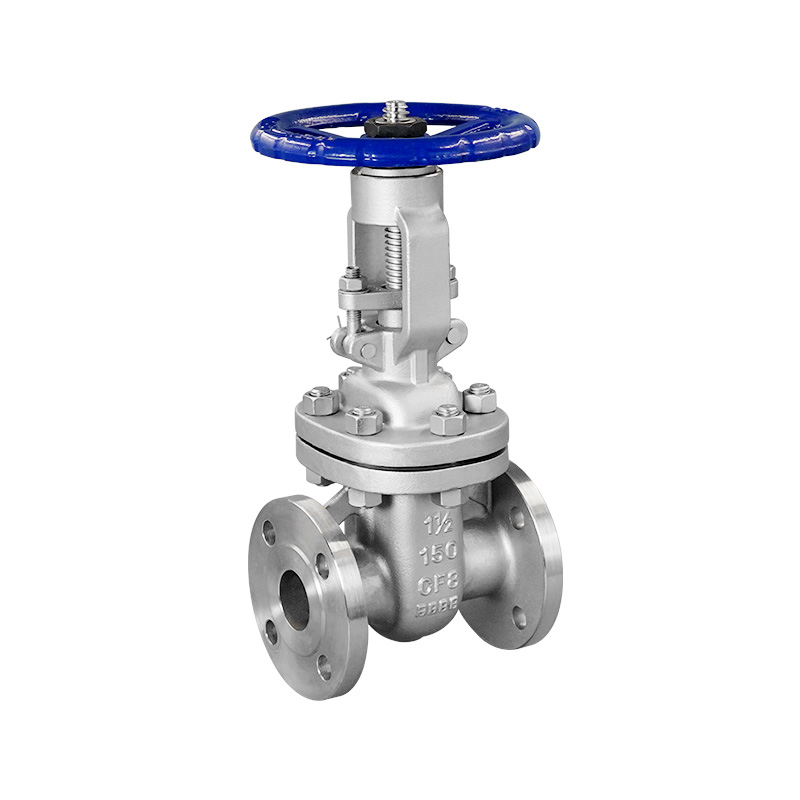
(1) Gate Valves: The advantages of gate valves are low flow resistance, bidirectional sealing, good vibration resistance, safety and reliability. They are suitable for various operating conditions, including high and low temperatures, as well as high and low pressures, and are the most widely used type among shut-off valves. Disadvantages include long opening and closing times, large installation space requirements, and a tendency for the sealing surfaces to become damaged;
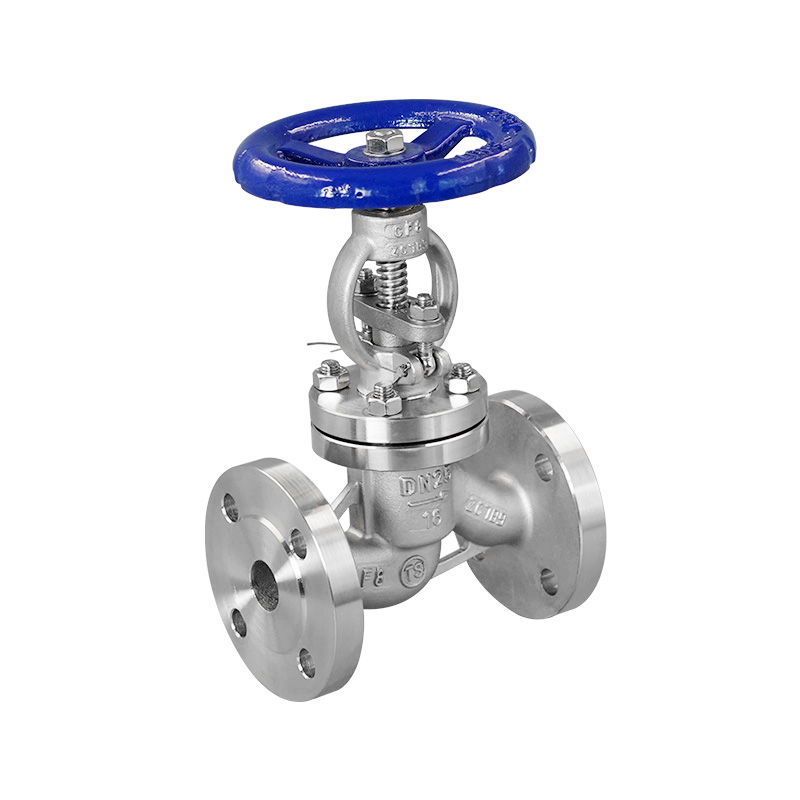
(2) Globe Valves: The advantages of globe valves include simple construction, rapid opening and closing, and frictionless sealing pairs, making them suitable for flammable media. Their disadvantages are low flow resistance, high closing torque (when the inlet is lower than the outlet), and unidirectional sealing; consequently, they are used less frequently;
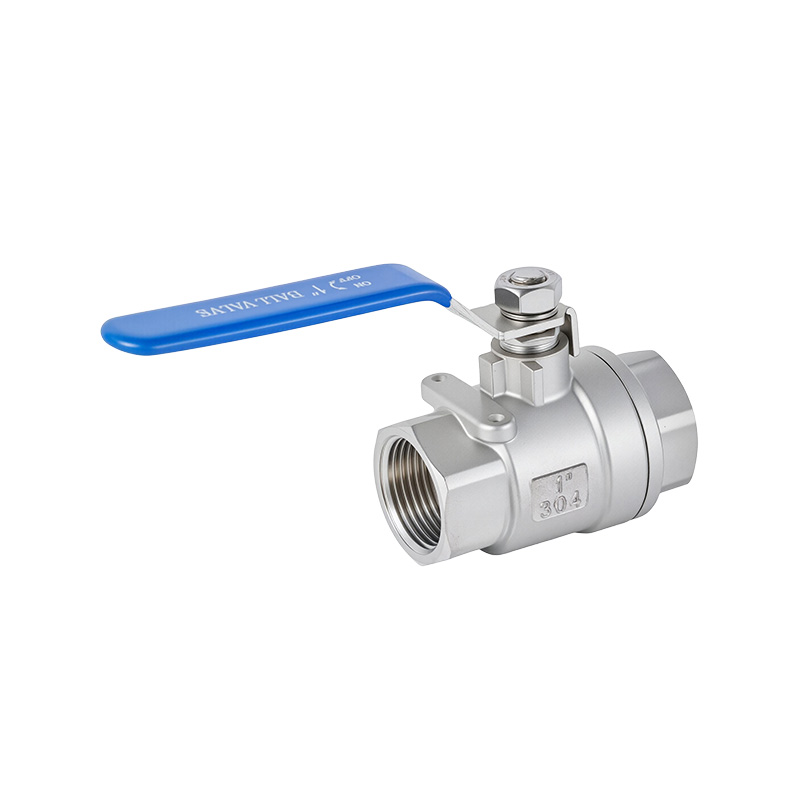
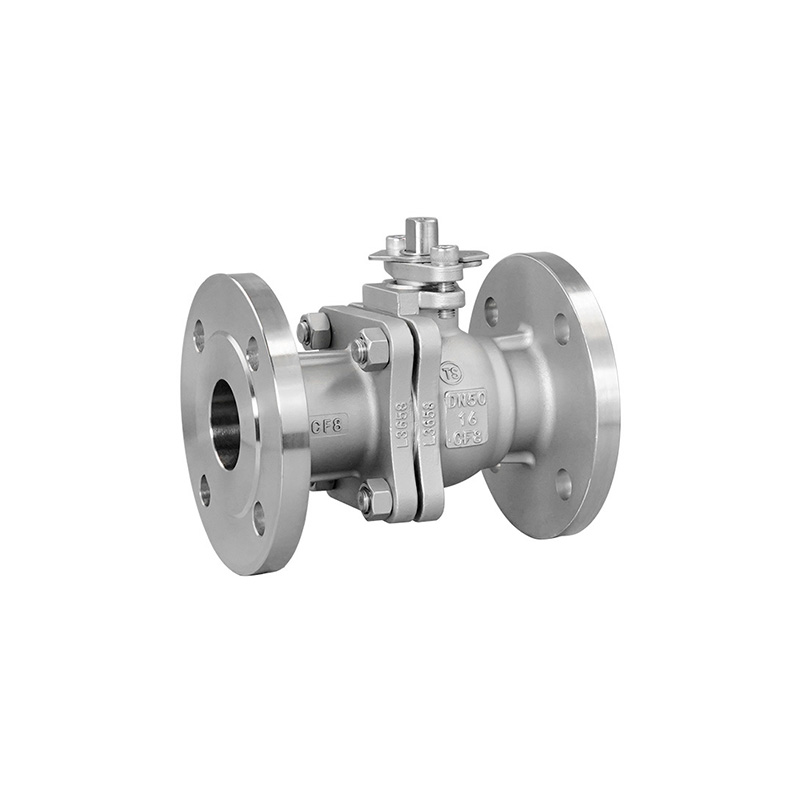
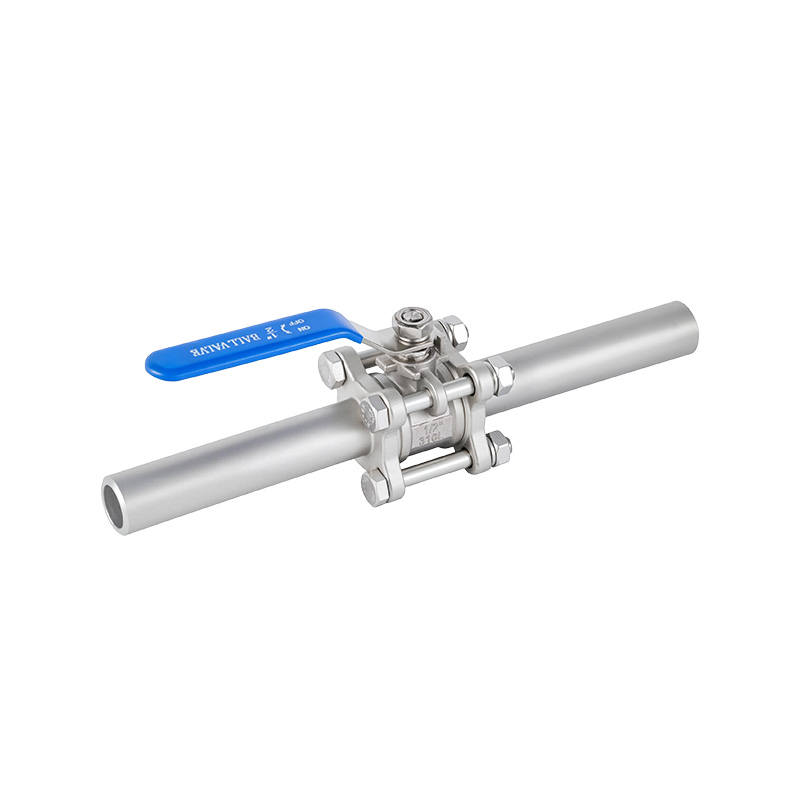
(3) Ball Valves: These offer low flow resistance, convenient operation, and the ability to clean pipelines. Their disadvantages include poor high-temperature resistance (soft-seal types), whilst hard-seal ball valves require considerable effort to open, are difficult to manufacture, and are expensive. Fully welded ball valves for pipelines are developing rapidly, offering superior performance and promising prospects;
(4) Butterfly valves: Butterfly valves feature a simple structure, short overall length and compact installation footprint, making them suitable for low-pressure, large-diameter applications. Their disadvantages include poor resistance to vibration and pressure, difficulty in achieving reverse sealing, and high opening torque for high-pressure, large-diameter models.
(III) Characteristics of Valve Products
1. Compared to other mechanical products, valve products have a simple structure and do not require high manufacturing precision;
2. Valves are hazardous products and therefore require TS certification, due to the complexity of pipeline media;
3. The entire plant operates on a continuous production line and cannot be arbitrarily shut down for maintenance;
4. Valve products involve complex materials;
5. Valve product models are complex;
6. Valve connection methods are complex, with numerous standards.