


 English
Zhongchi
Zhongchi
Zhongchi
Zhongchi
Zhongchi
Zhongchi
Zhongchi
Zhongchi
Zhongchi

Flange
Flanges (also known as flange plates) serve as the pivotal connecting components between pipes and valves, as well as between sections of piping. Characterized by their standardized structure and robust sealing capabilities, they are widely utilized across the full spectrum of pipeline systems—encompassing civil, industrial, petrochemical, and municipal applications. Acting as a connecting "bridge," flanges are secured via bolted connections to ensure pipeline sealing and pressure containment. Adaptable to diverse operating conditions involving varying pressures, temperatures, and media, they offer flexible compatibility with a wide array of valves—including flanged butterfly valves, ball valves, and check valves. Furthermore, they boast the advantages of easy installation, flexible disassembly, and high interchangeability, making them fundamental components for ensuring the safety and efficient transmission of pipeline systems. Their materials, sealing surfaces, and specifications strictly adhere to both national and international standards, allowing for precise selection based on specific operating requirements to achieve an optimal balance between reliability and cost-effectiveness.
-
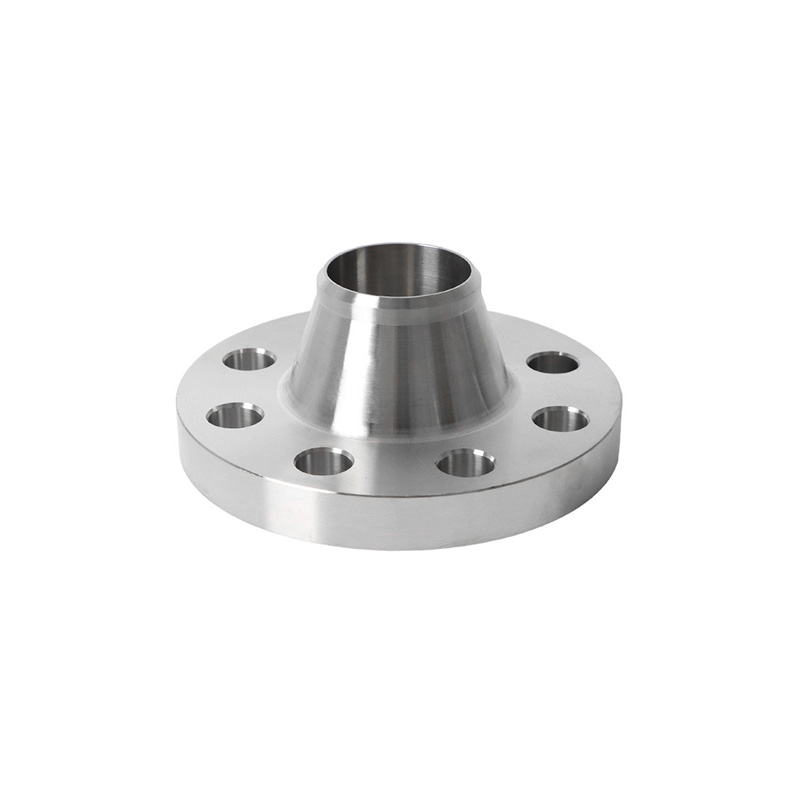

Weld Neck Flange
-
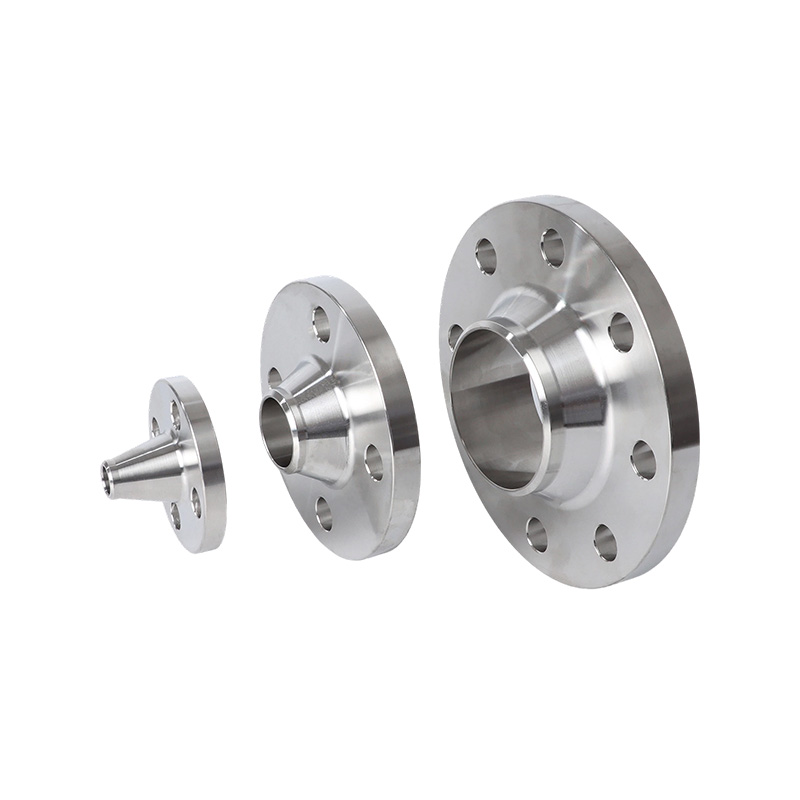
Weld Neck Flange
-
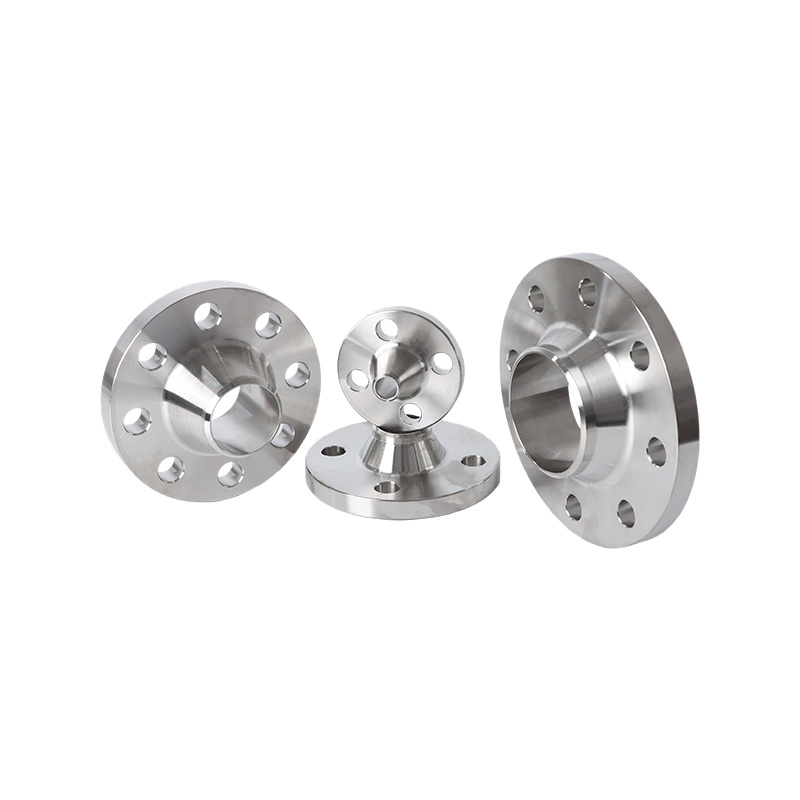
Weld Neck Flange
-
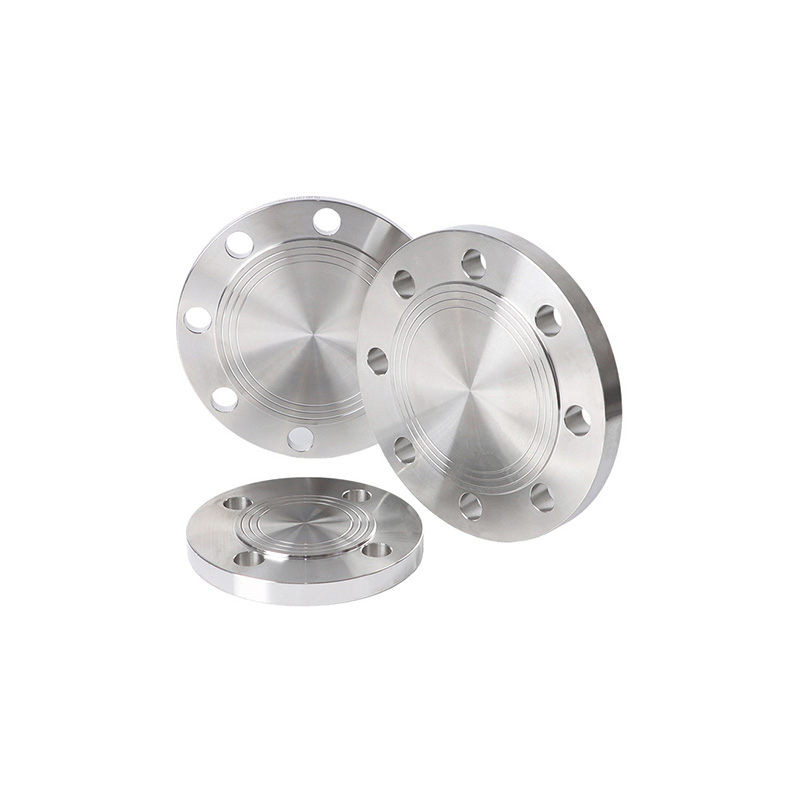
Blind Flange
-
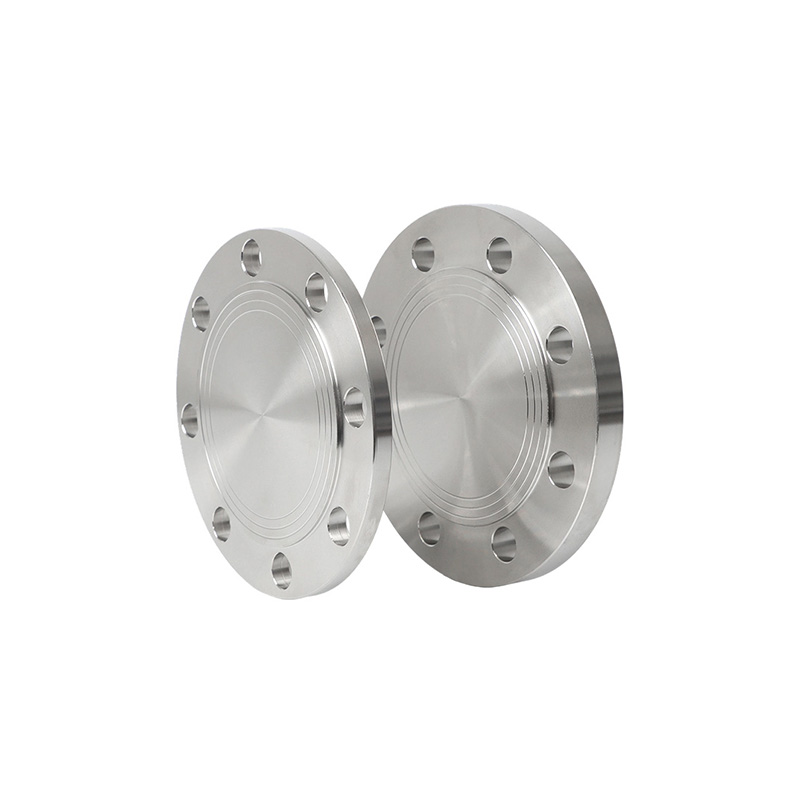
Blind Flange
-
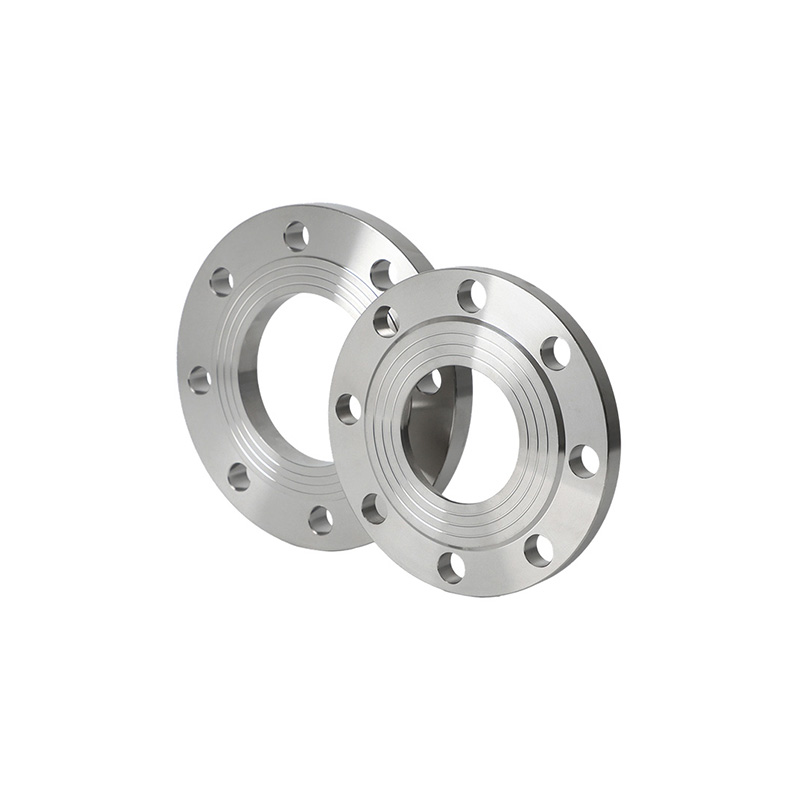
Plate Flange
-
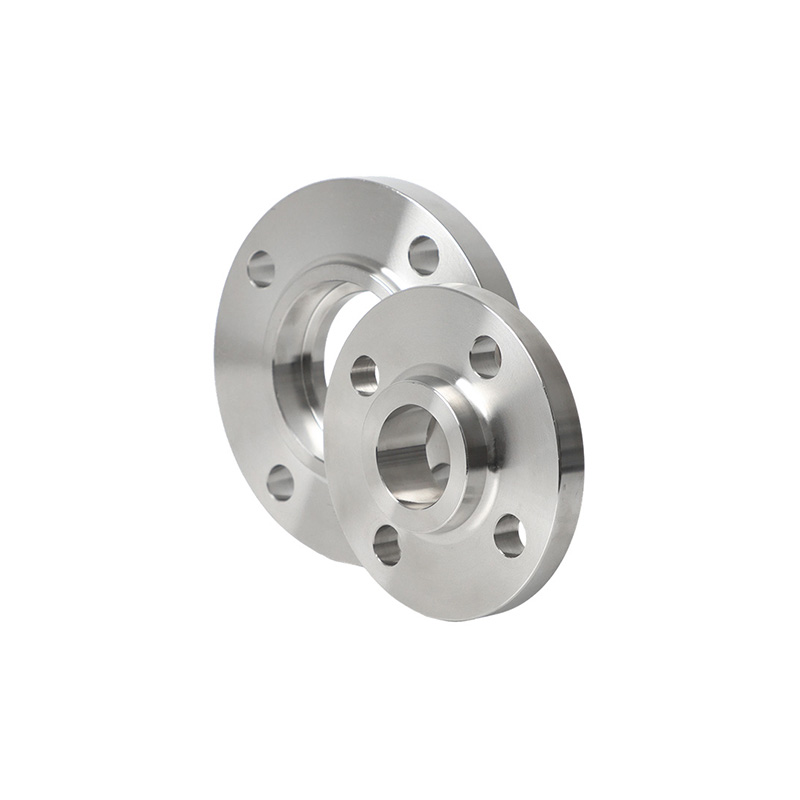
Slip-on Flange
-
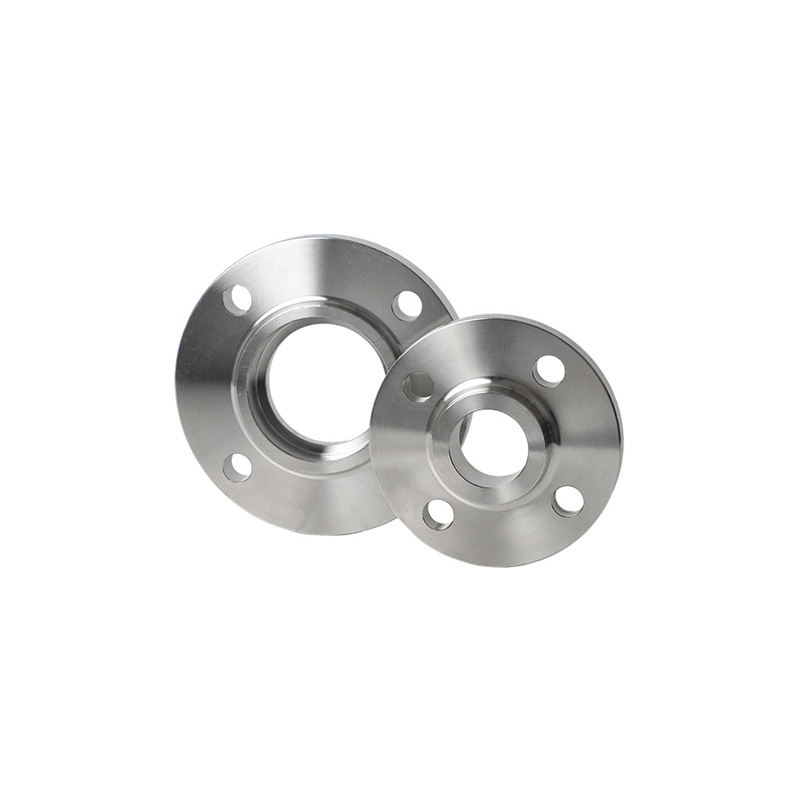
Slip-on Flange
About Us
Zhongchi Valve Group Co., Ltd.
Zhongchi Valve Group Co., Ltd. was established in April 2008. The company is a valve manufacturing enterprise that integrates design, development, production, and sales. It is located in the Binhai Industrial Park of Wenzhou Economic and Technological Development Zone.
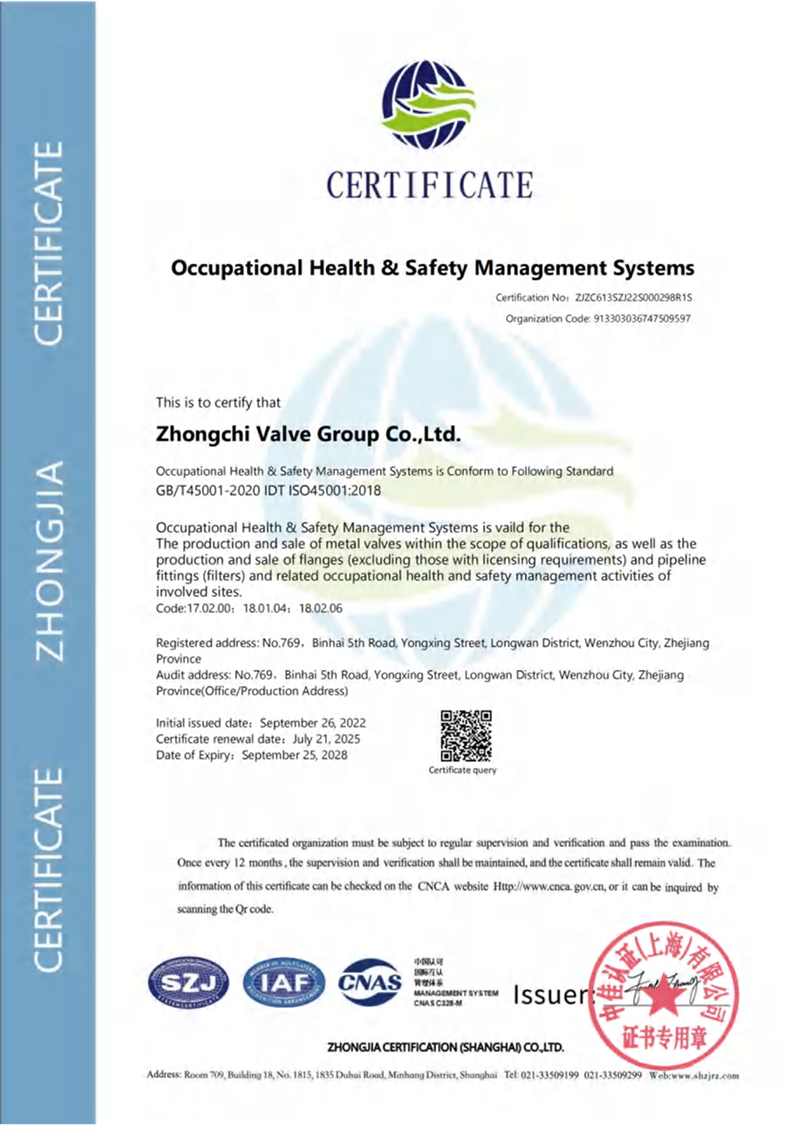
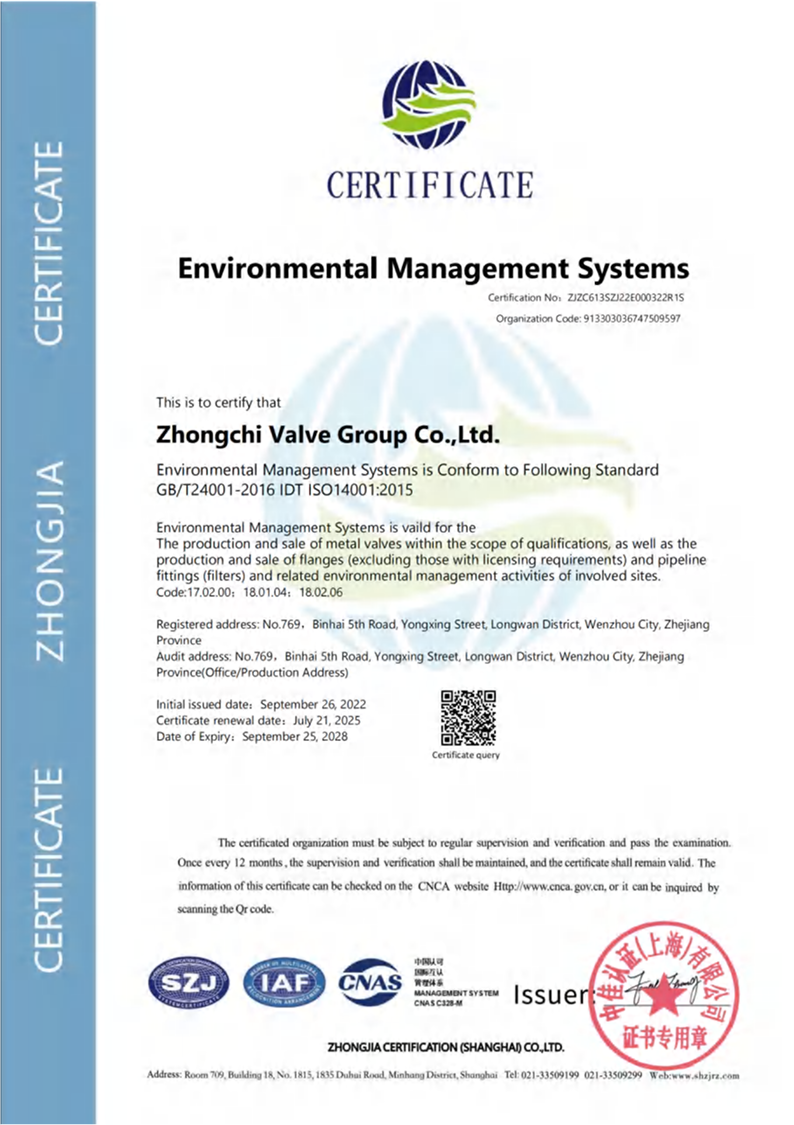
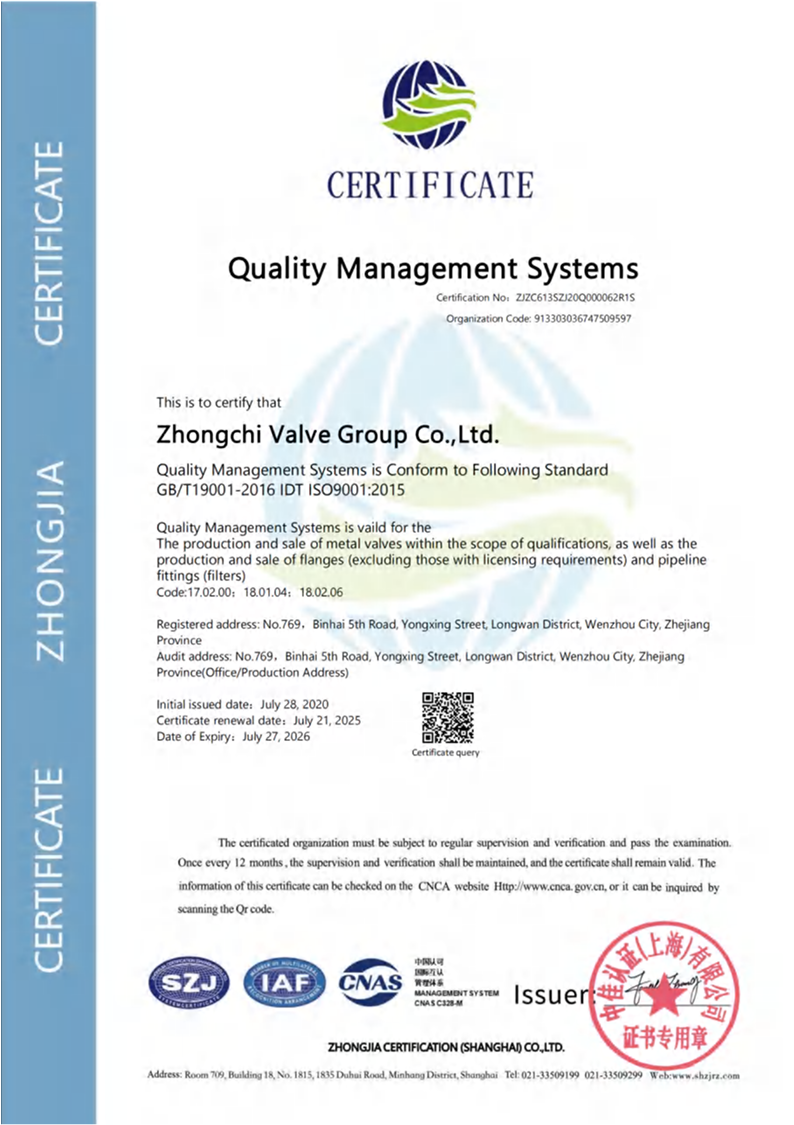
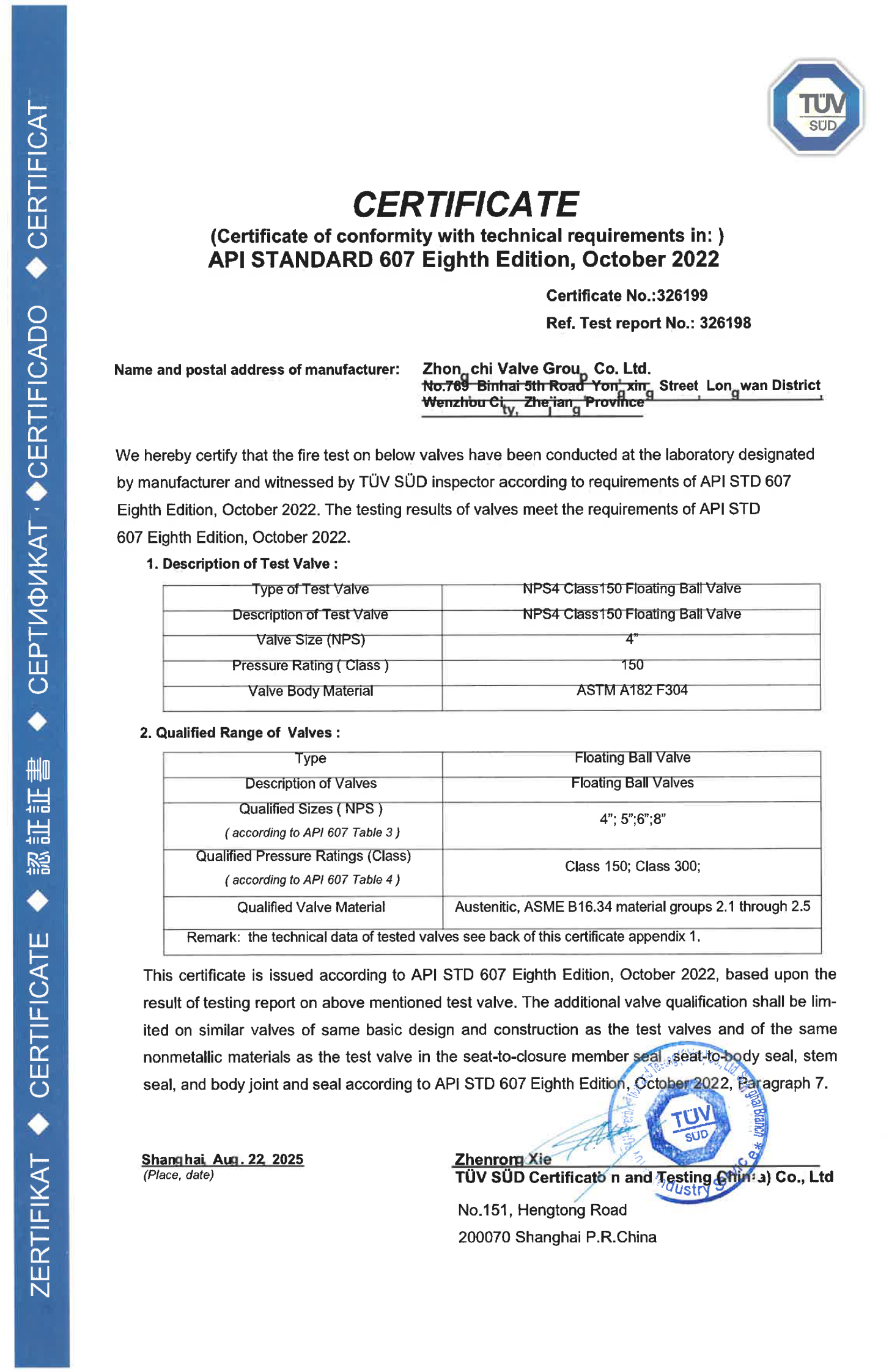
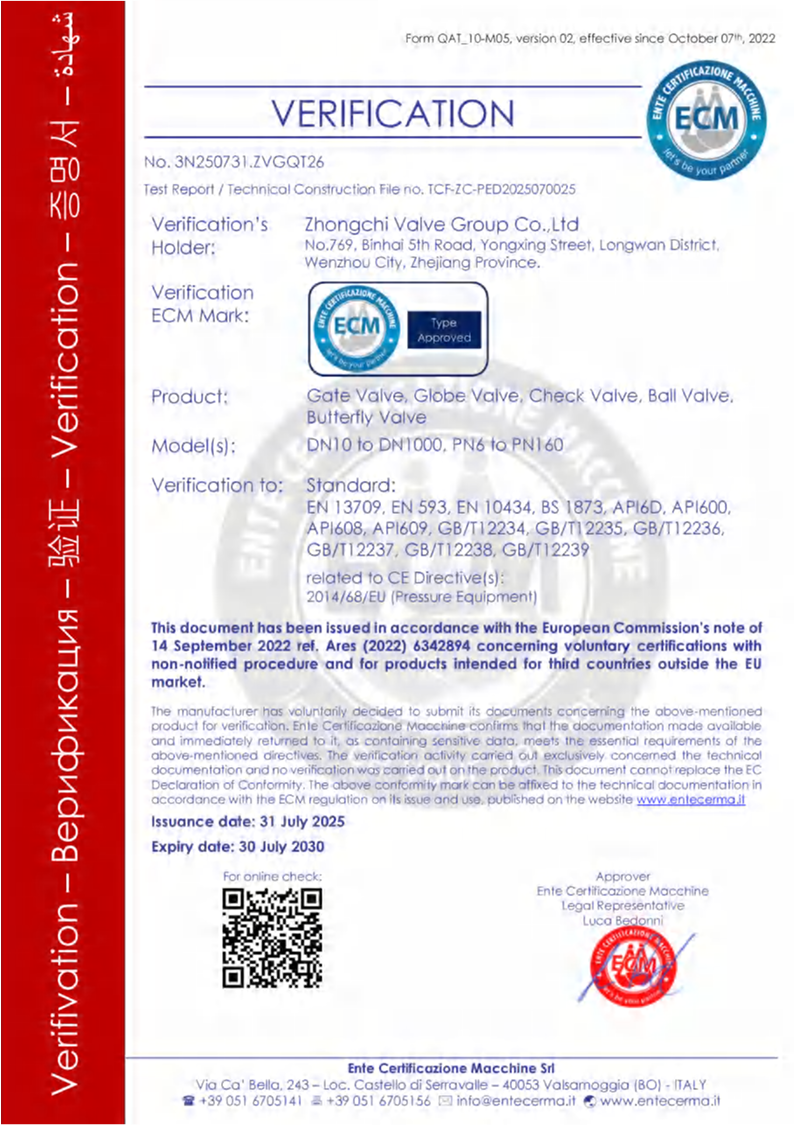
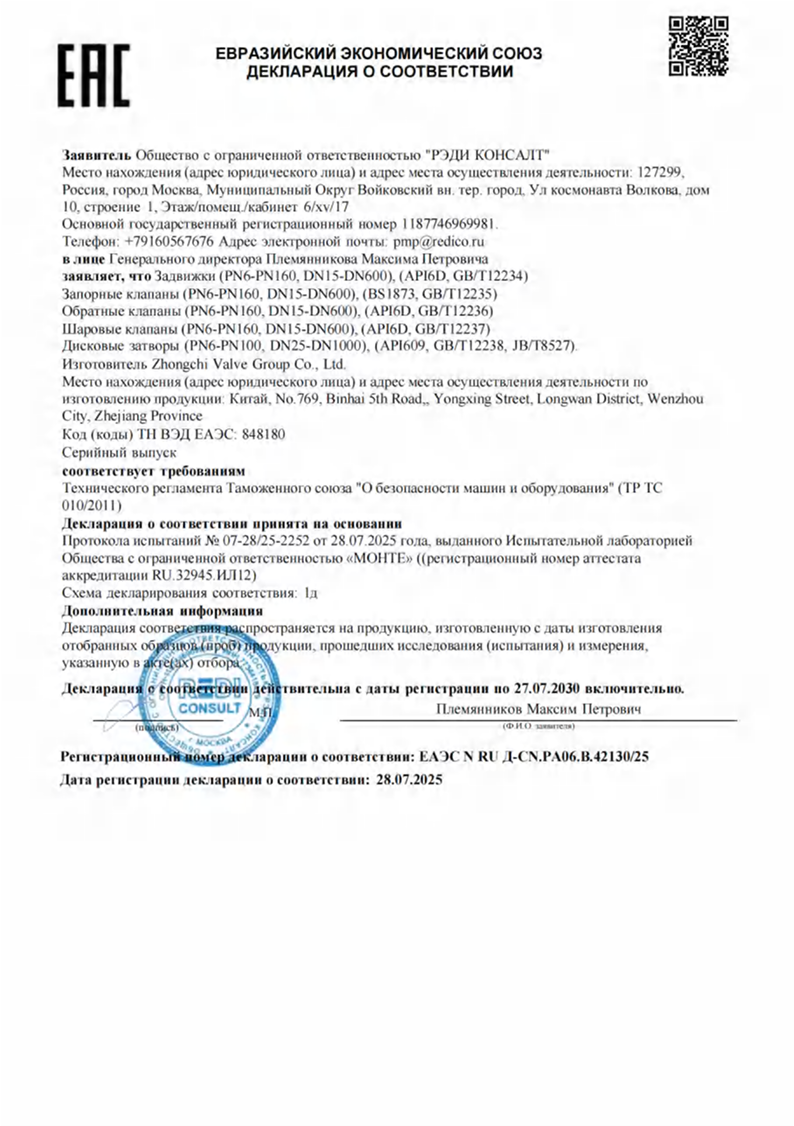
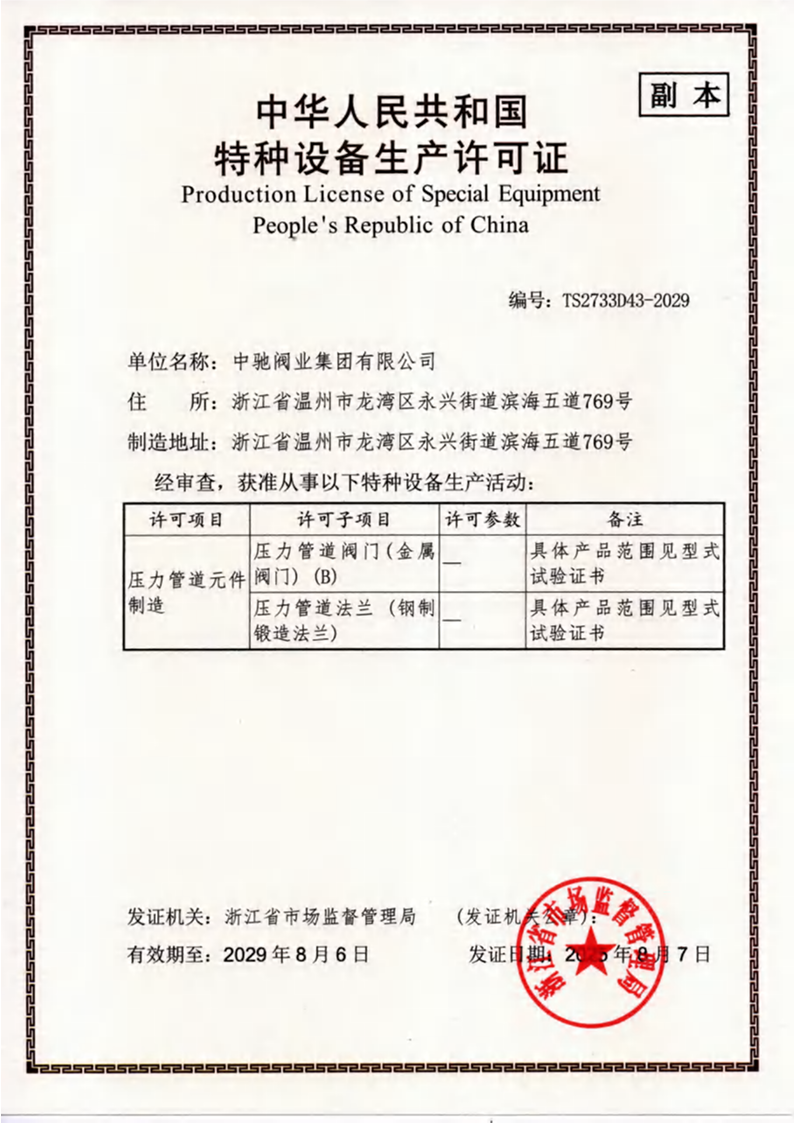
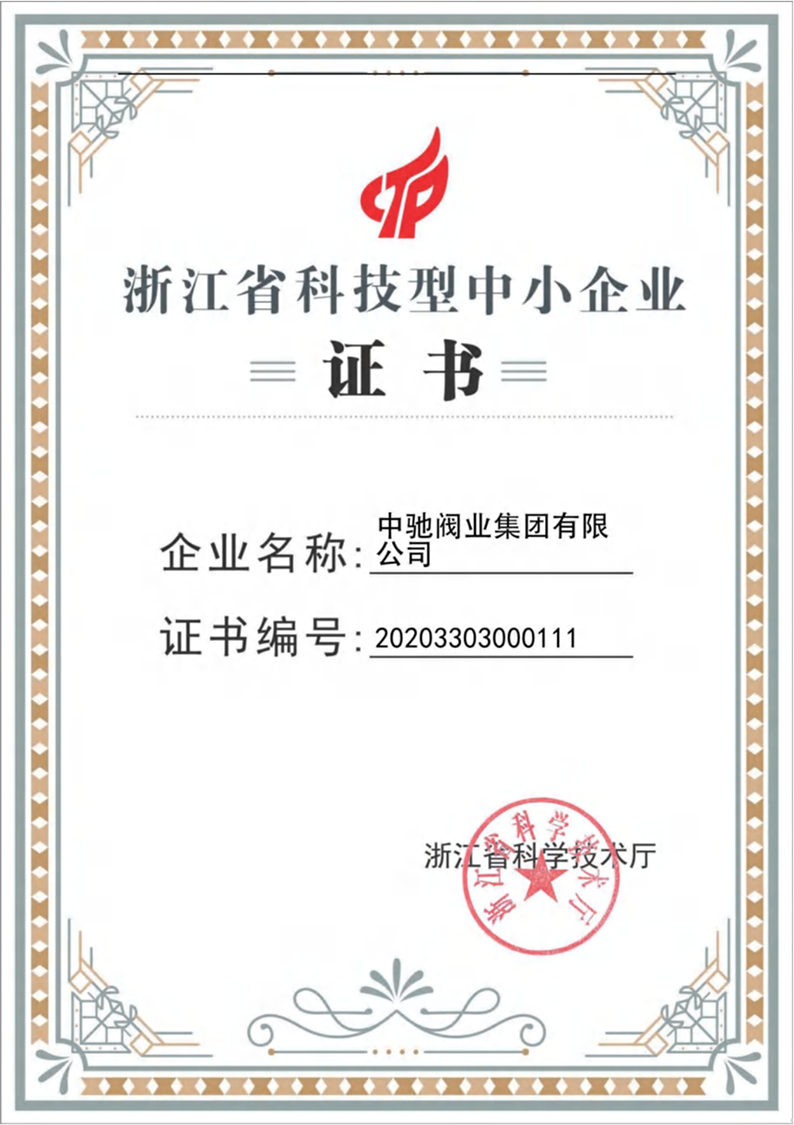
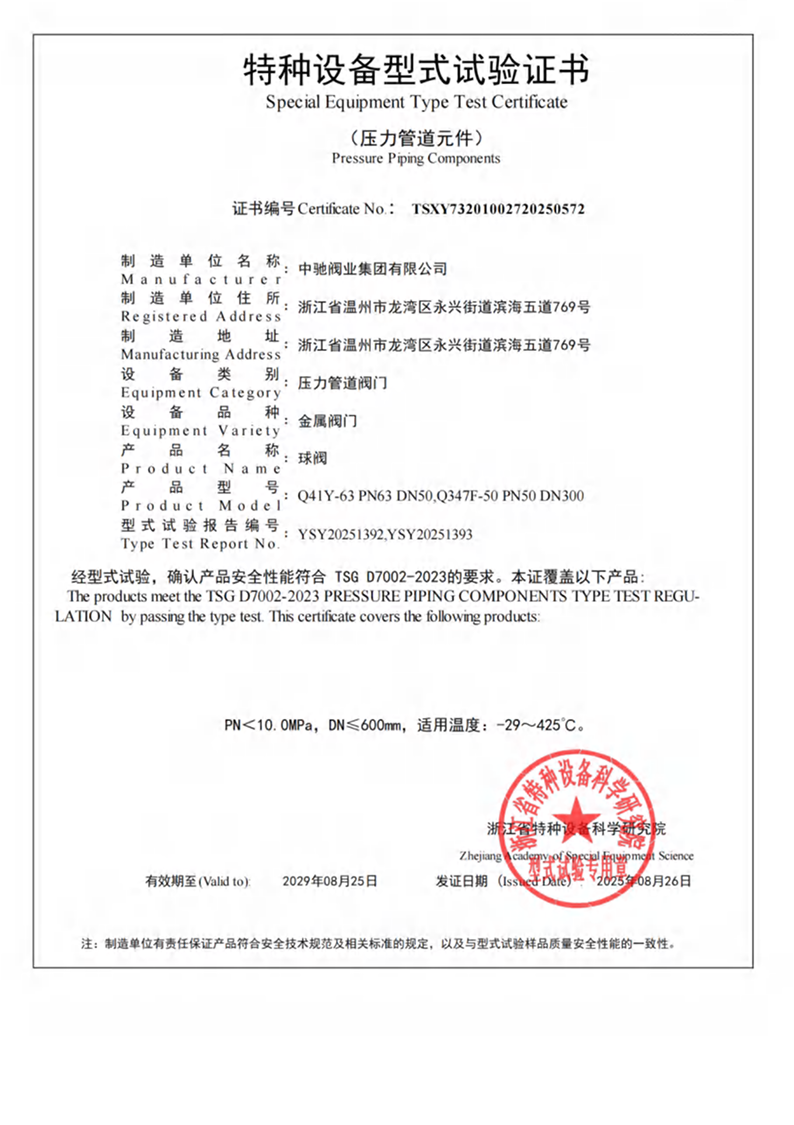
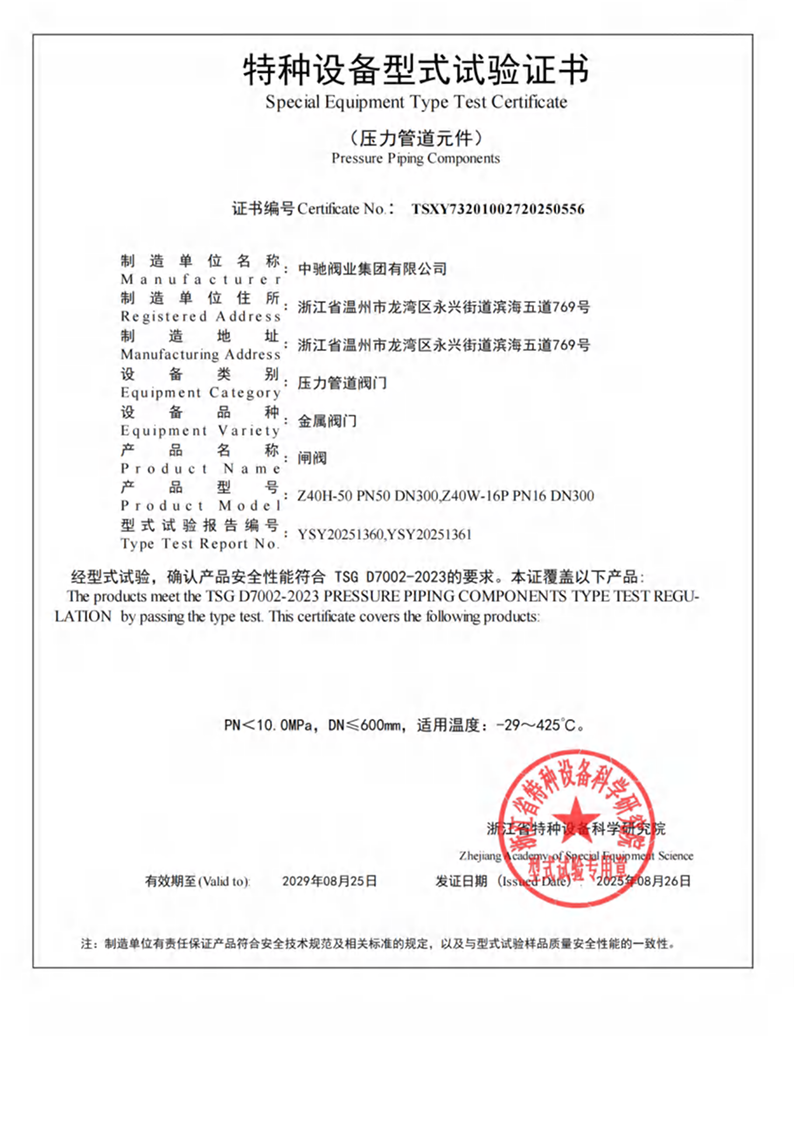
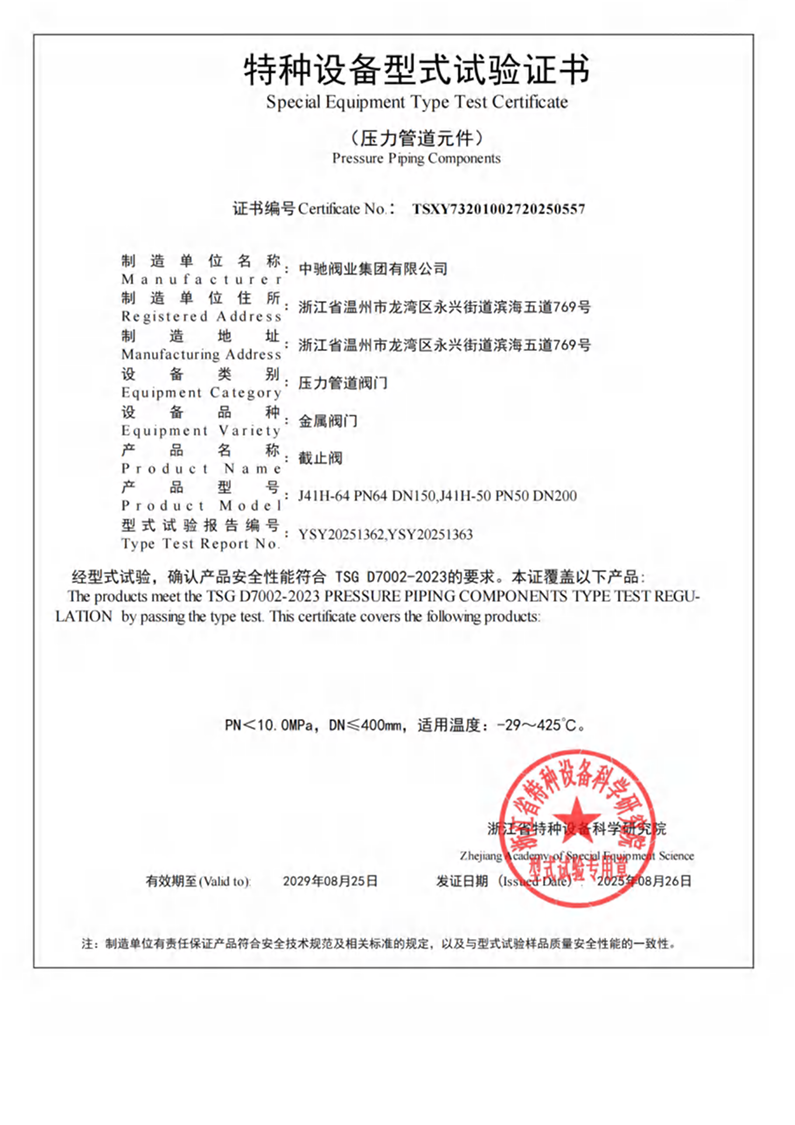
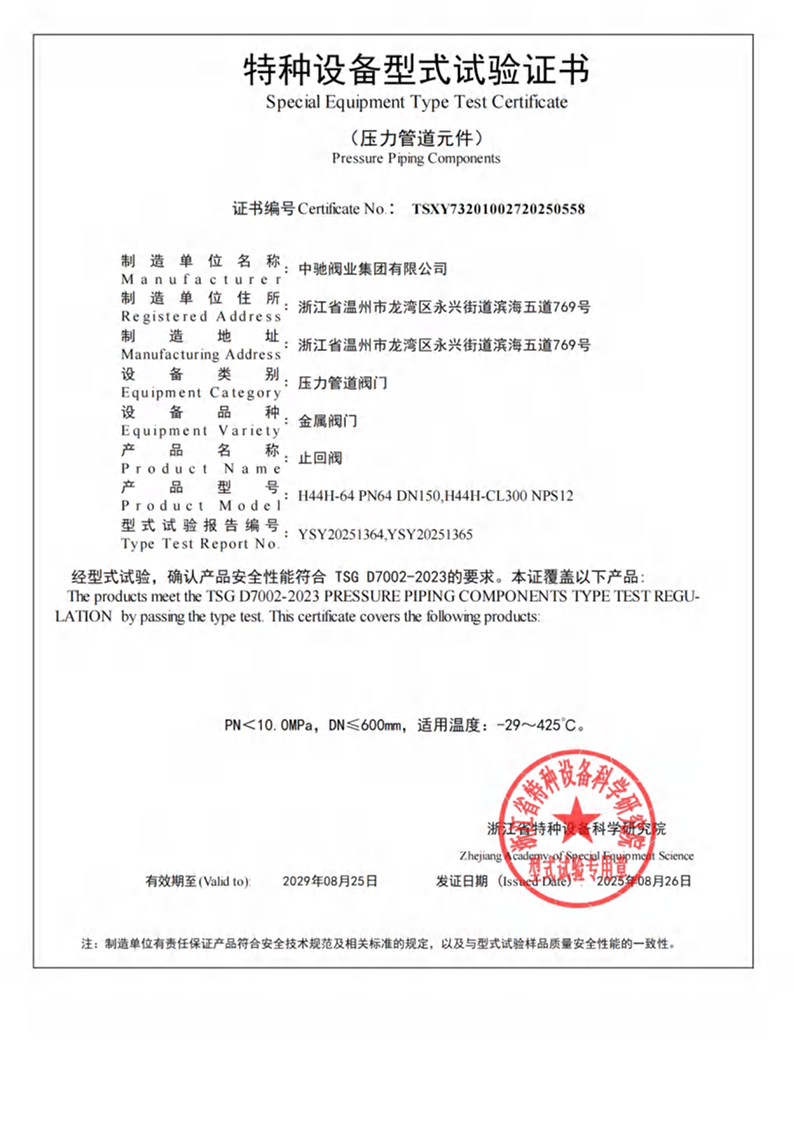
The company adheres to the corporate tenet of "quality-oriented, innovation-driven, management-efficient, and service-focused", and upholds the business philosophy of "service-oriented and integrity-abiding". We provide customers with reliable quality assurance through advanced technology and scientific management, offers services with a complete range of products and a short delivery time, and strives to achieve the corporate goal of "building an excellent enterprise and creating a brand in the industry". The company has successively obtained ISO9001 international quality management system certification, ISO14001 environmental management system certification, ISO45001 occupational health and safety management system certification, special equipment manufacturing production license TS certification, CE certification, EAC certification, API607 fire protection certification, and has been recognized as a small and medium-sized technology enterprise in Zhejiang Province and a national high-tech enterprise.
The company's main products include ball valves, gate valves, globe valves, check valves, filters, butterfly valves, etc. These products are widely used in various industries such as petroleum, chemical, natural gas, light industry, electric power, pharmaceuticals, dyes, metallurgy, fiber, leather making, textile, food, military, construction engineering, refrigeration, water supply, and more.
The company adheres to the corporate tenet of "quality-oriented, innovation-driven, management-efficient, and service-focused", and upholds the business philosophy of "service-oriented and integrity-abiding". We provide customers with reliable quality assurance through advanced technology and scientific management, offers services with a complete range of products and a short delivery time, and strives to achieve the corporate goal of "building an excellent enterprise and creating a brand in the industry". The company has successively obtained ISO9001 international quality management system certification, ISO14001 environmental management system certification, ISO45001 occupational health and safety management system certification, special equipment manufacturing production license TS certification, CE certification, EAC certification, API607 fire protection certification, and has been recognized as a small and medium-sized technology enterprise in Zhejiang Province and a national high-tech enterprise.
The company's main products include ball valves, gate valves, globe valves, check valves, filters, butterfly valves, etc. These products are widely used in various industries such as petroleum, chemical, natural gas, light industry, electric power, pharmaceuticals, dyes, metallurgy, fiber, leather making, textile, food, military, construction engineering, refrigeration, water supply, and more.
Stay Connected, Insights & Innovation from Zhongchi
-
 Company News
 2026.05.22
Warmly celebrating the official launch of Zhongchi Valve Group Co., Ltd.'s website!
2026.05.22
Warmly celebrating the official launch of Zhongchi Valve Group Co., Ltd.'s website! -
Industry News
2024.08.28
Recently, Xi’an Pump & Valve’s independently developed XGBS150-480 zirconium mother liquor circu...
-
Industry News
2024.03.05
Pneumatic butterfly valves for powder handling are a commonly used type of fluid control equipment, ...
-
Industry News
2022.07.09
What is the function and operating principle of a gate valve? 1. Gate valves are classified as open...
-
Industry News
2022.04.13
The “Centaur” upper stage of the “Vulcan” rocket is powered by two RL10C-X engines [Space News, 11 ...
-
Industry News
2022.04.13
Chinese scientists have recently designed a new system for direct quantum communication that employs...
Certificate Of Honor
Flange Industry knowledge
Get a Free Quote
Quick Links
Products
Contact Information
-
 +86-13396775805
-
 +86-577-86934868
-
 cn@cnchivalve.com
-
 No. 769, Binhai 5th Road, Yongxing Street, Longwan District, Wenzhou City, Zhejiang Province, China
Copyright © Zhongchi Valve Group Co., Ltd.All rights reserved.
